
When navigating the complex landscape of veterans’ benefits, acronyms often become the primary barrier to accessing earned compensation. One of the most critical terms that service members and veterans encounter during the disability claims process is the “DBQ,” or Disability Benefits Questionnaire. Understanding what this document is, how it functions within the Department of Veterans Affairs (VA) framework, and why it holds the power to sway the outcome of a financial claim is essential for every veteran seeking compensation for service-connected disabilities.
The Foundation of Disability Claims: Understanding the DBQ
At its core, a Disability Benefits Questionnaire (DBQ) is a standardized medical examination form designed to capture the specific diagnostic information, current symptoms, and functional impact of a veteran’s claimed disability. The VA transitioned to these forms to create a uniform metric for evaluating medical evidence, ensuring that regardless of where a veteran is examined, the data collected remains consistent, objective, and relevant to the legal standards of VA disability rating criteria.
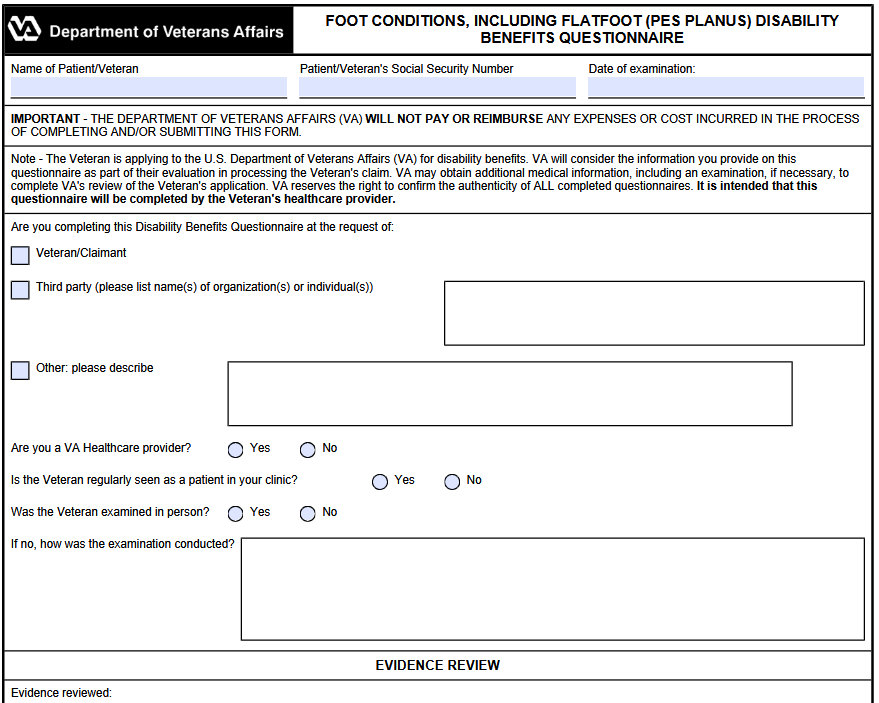
Standardizing Medical Evidence
Before the implementation of DBQs, medical opinions were often subjective and varied wildly in detail. A private doctor might provide a letter stating a veteran is “in pain,” but that statement provides little utility for a VA rater who needs to assign a specific percentage evaluation based on medical data. The DBQ bridges this gap. It asks targeted questions about range of motion, frequency of symptoms, severity of episodes, and the specific impact on a veteran’s ability to work or perform daily living activities.
The VA’s Reliance on Objective Data
The VA rater, who is often a claims processor rather than a medical professional, relies on the DBQ to streamline the decision-making process. Because the DBQ follows a rigid format, the rater can quickly identify if the veteran meets the “diagnostic criteria” for a particular rating level (e.g., 10%, 30%, 50%, or 100%). By transforming clinical medical observations into a standardized report, the DBQ acts as the “connective tissue” between a veteran’s medical history and their financial entitlement.
Navigating the Two Types of DBQs
It is a common misconception that all DBQs are created equal. In practice, there are two primary pathways through which these forms are generated: those completed by a VA-contracted examiner during a C&P (Compensation and Pension) exam, and those completed by a private medical provider.
VA-Contracted C&P Exams
When a veteran files a claim, the VA will frequently schedule them for a Compensation and Pension exam. During this appointment, a doctor—often an independent contractor hired by the VA—will utilize the DBQ to evaluate the veteran’s condition. These exams are generally brief and focused entirely on the contents of the DBQ. The information recorded here is usually given the highest weight by the VA because the examiner is tasked specifically with addressing the legal requirements of the rating schedule.
Private Medical Evidence (Private DBQs)
Veterans have the legal right to submit their own evidence, including DBQs completed by their own private doctors. This is a powerful strategic tool. A private physician who has treated a veteran for years often possesses a more comprehensive understanding of the veteran’s baseline health and symptom fluctuation than a VA contractor who sees the veteran for only fifteen minutes. A well-documented private DBQ, supported by thorough medical records, can serve as a vital counterweight to an unfavorable C&P exam, potentially preventing an unfair denial of benefits.

Strategic Importance: Why the DBQ Impacts Your Bottom Line
From a financial perspective, the DBQ is the direct determinant of a veteran’s monthly tax-free compensation. Because VA disability ratings are tethered to specific medical criteria, the accuracy of the information in the DBQ dictates the rating percentage. A missed detail or an improperly documented symptom can result in a lower rating, which translates into thousands of dollars in lost annual income over the course of a lifetime.
The Link Between Symptoms and Compensation
Disability ratings are based on “functional impairment.” For instance, if a veteran is claiming a back condition, the DBQ will require measurements of spinal range of motion. If the examiner fails to record the range of motion during a flare-up or ignores the “painful motion” rule, the veteran might receive a 0% or 10% rating despite being functionally unable to perform physical labor. Understanding the DBQ allows a veteran to participate more actively in their own health documentation, ensuring that their doctor captures the true severity of their condition.
Avoiding Common Pitfalls
Many claims are denied or undervalued because the DBQ submitted was incomplete or generic. A “check-the-box” approach that lacks narrative explanation in the “remarks” section of the form can lead to a denial. Veterans should ensure that:
- The form is complete: All required fields must be filled out. A missing signature or an omitted diagnostic code can lead to the rejection of the entire form.
- The evidence is current: The DBQ should reflect the veteran’s condition as it exists today, not as it was years ago.
- Consistency is maintained: The symptoms reported in the DBQ must align with the medical records submitted with the claim. Discrepancies between the DBQ and the veteran’s treatment history are common triggers for a claim denial.
Best Practices for Veterans and Providers
For a veteran to maximize their potential for a successful claim, they must treat the DBQ process as a collaborative medical endeavor. This begins with communication.
Preparing for the Examination
Before sitting for an exam, a veteran should review the specific DBQ form corresponding to their condition (all of which are public and available on the VA website). By reviewing the form, the veteran can understand what clinical benchmarks the examiner is looking for. While a veteran should never fabricate symptoms, they should be prepared to clearly articulate how their disability affects their daily life and work performance, as these elements are specifically addressed in the “functional impact” sections of the DBQ.
Collaborating with Private Physicians
If working with a private doctor, it is helpful to provide them with the appropriate DBQ form prior to the appointment. Many civilian doctors are unfamiliar with the specific vocabulary and standards required by the VA. Providing the doctor with the blank form allows them to review the criteria beforehand, ensuring that the final document is both clinically accurate and procedurally compliant with VA expectations.
The Role of Supplemental Evidence
A DBQ, while necessary, is rarely the only document a veteran needs. It should be viewed as the summary of medical evidence. It is bolstered significantly by a solid “nexus letter” (a statement linking the disability to service) and a comprehensive history of treatment records. When the DBQ is supported by a paper trail of long-term care, the VA rater is far more likely to grant a favorable rating.

Conclusion: Empowering Your Financial Future
The Disability Benefits Questionnaire is more than just a bureaucratic form; it is the fundamental document that validates a veteran’s claim to earned benefits. By demystifying what a DBQ is, veterans can take control of their claims process, moving from a position of uncertainty to one of preparedness. Whether attending a VA-led examination or submitting private medical evidence, the veteran’s ability to ensure that the DBQ accurately reflects their functional reality is the key to securing the financial support they deserve. When treated with the same level of care as other critical financial planning tools, the DBQ becomes a powerful asset in ensuring long-term stability and recognition for service-connected conditions.
aViewFromTheCave is a participant in the Amazon Services LLC Associates Program, an affiliate advertising program designed to provide a means for sites to earn advertising fees by advertising and linking to Amazon.com. Amazon, the Amazon logo, AmazonSupply, and the AmazonSupply logo are trademarks of Amazon.com, Inc. or its affiliates. As an Amazon Associate we earn affiliate commissions from qualifying purchases.