
In the landscape of modern entrepreneurship, the terminology surrounding business structures can often feel like an alphabet soup. Among the most common yet frequently misunderstood terms is “DBA.” Standing for “Doing Business As,” a DBA is a critical tool for freelancers, small business owners, and expanding corporations alike. From a financial and business management perspective, understanding what a DBA is—and what it isn’t—is essential for maintaining professional integrity, accessing financial services, and scaling your ventures effectively.
This guide explores the financial and operational intricacies of the DBA, providing a roadmap for those looking to legitimize their brand without necessarily restructuring their entire legal foundation.
Understanding the Fundamentals of a DBA
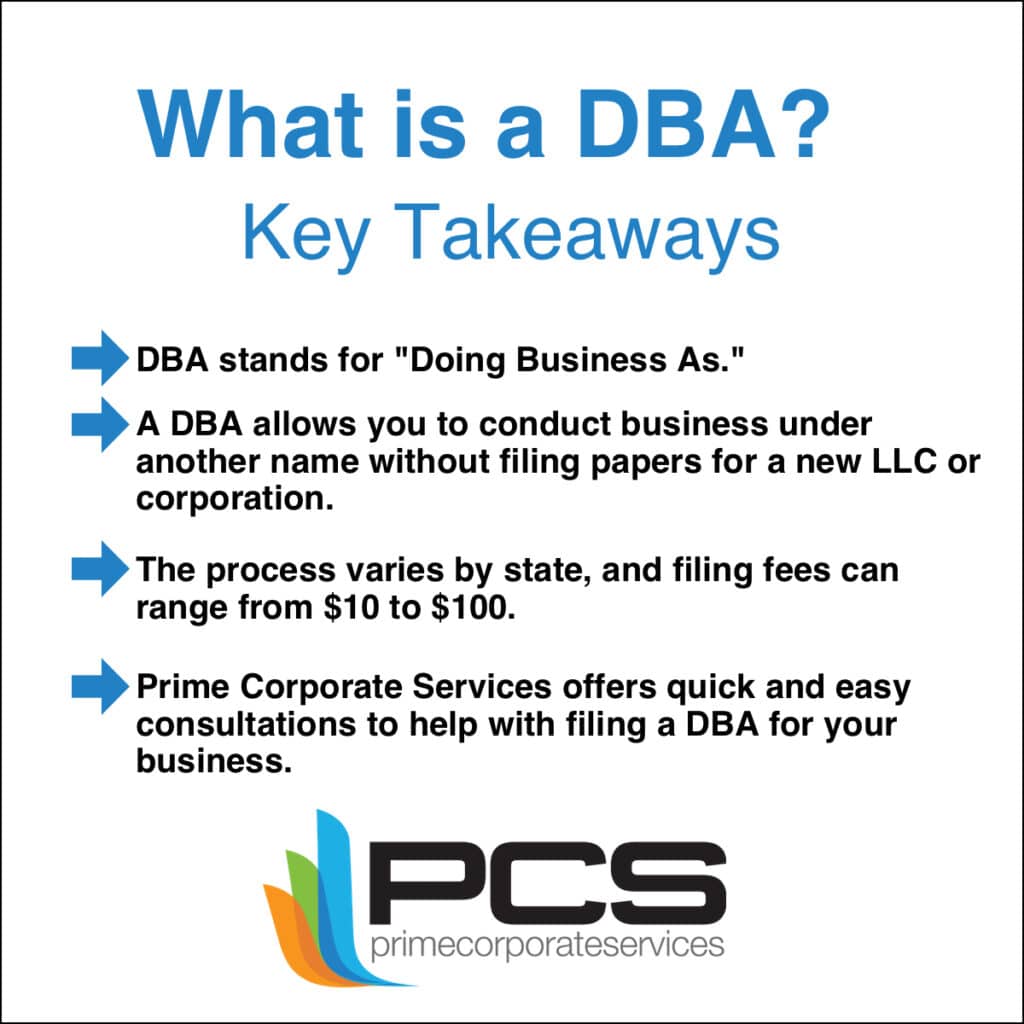
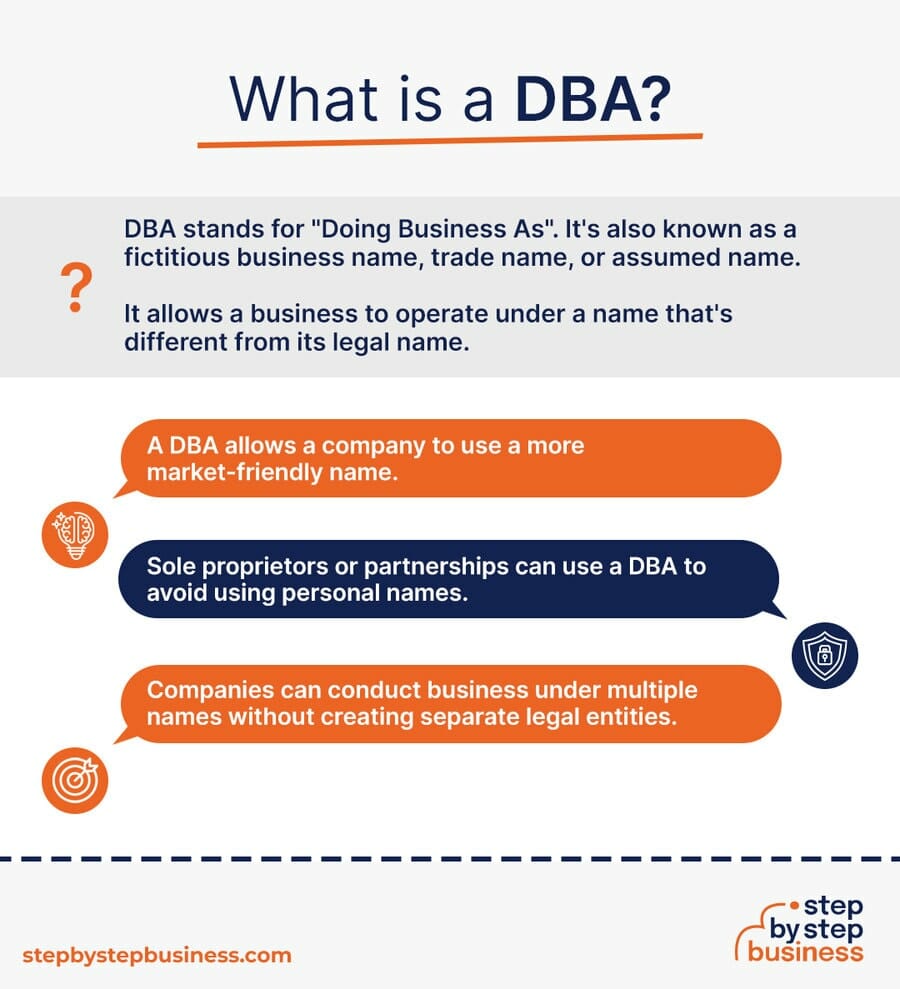
At its core, a DBA is an official registration that allows an individual or a business entity to operate under a name other than its legal, registered name. If you are a sole proprietor, your legal business name is, by default, your own full name. If you have a corporation or an LLC, the legal name is the one written on your articles of organization or incorporation. A DBA acts as a “trade name” or “fictitious name” that provides a layer of professional identity.
Definition and Legal Purpose
A DBA is not a business structure in itself. Filing a DBA does not create a new legal entity; rather, it creates a public record that links a specific trade name to a responsible party or legal entity. From a regulatory standpoint, the primary purpose of a DBA is consumer protection. It ensures that if a customer or the government needs to take legal action against a business operating under a creative name, they can easily identify the actual owners behind the scenes.
The Difference Between a DBA and a Legal Entity
It is vital to distinguish a DBA from a Limited Liability Company (LLC) or a Corporation. While an LLC provides personal asset protection—shielding your personal savings and property from business debts—a DBA offers no such protection. If you are a sole proprietor operating under a DBA and your business is sued or falls into debt, your personal assets remain at risk. In financial terms, the DBA is an alias, whereas an LLC is a separate legal person. Many business owners choose to combine the two, registering an LLC for protection and then using one or multiple DBAs for different product lines or services.
Why Your Business Needs a DBA: Strategic and Financial Benefits
For many entrepreneurs, the decision to file a DBA is driven by practical business needs. Whether you are launching a side hustle or managing a diversified portfolio of services, the financial and strategic advantages of a DBA are significant.
Professionalism and Branding Consistency
From a marketing and financial perspective, your business name is your first point of contact with a client. If you are a freelance graphic designer named John Doe, invoicing clients as “John Doe” might suffice. However, if you want to market your services as “Apex Creative Studios,” you must file a DBA. This allows you to present a professional image that suggests a more established operation, which can often command higher rates and foster greater trust with corporate clients.
Financial Separation and Banking Requirements
One of the most immediate financial reasons to secure a DBA is the ability to open a business bank account. Most financial institutions will not allow you to open an account in a name other than your own without a certified DBA certificate.
Separating your personal and business finances is a cornerstone of sound financial management. It simplifies tax preparation, allows for clearer tracking of business expenses, and ensures that you aren’t accidentally dipping into personal savings to cover business overhead. With a DBA, you can accept checks and electronic payments made out to your business name, which further legitimizes your operation in the eyes of the IRS and your bank.
Expansion and Multi-Product Strategies
For established businesses, DBAs are a cost-effective way to diversify. Imagine a company registered as “Northwest Home Services LLC.” If they want to expand into landscaping, pool cleaning, and interior design, they might find it confusing to market all these services under one name. Instead of forming three separate (and expensive) LLCs, the company can file three DBAs: “Northwest Green Lawns,” “Crystal Clear Pools,” and “Northwest Interiors.” This allows the business to maintain a single tax ID and one set of corporate records while operating multiple distinct brands.

The Financial and Legal Process of Filing a DBA
The process of obtaining a DBA is generally straightforward, but it requires attention to detail and a clear understanding of local regulations. Because DBA laws vary by state and even by county, the financial cost and administrative requirements can differ significantly.
Cost Breakdown and Renewal Fees
Filing a DBA is one of the most affordable ways to formalize a business identity. Depending on your jurisdiction, registration fees typically range from $10 to $100. Some states require a one-time filing, while others require renewals every five to ten years. From a budgeting perspective, these are minor costs, but failing to renew your DBA can result in the loss of your right to use the name and potential legal complications if you continue to operate under an expired alias.
Step-by-Step Registration Process
- Name Search: Before filing, you must ensure the name isn’t already in use or trademarked. This involves searching state and local databases to avoid infringement.
- Filing the Application: You will typically submit a form to the Secretary of State or the County Clerk’s office. This form requires the business’s legal name, the proposed DBA name, and the address of the business.
- Payment of Fees: You must submit the required filing fee alongside your application.
- Verification: Once approved, you will receive a certificate or a stamped copy of your filing, which you will need for banking and tax purposes.
Compliance and Public Notice Requirements
In some jurisdictions, particularly in states like California or New York, there is a “Public Notice” requirement. This means you must publish a notice of your DBA in a local newspaper for a specified number of weeks. This step adds an extra cost—often between $50 and $200 depending on the newspaper’s rates—and is intended to inform the public that you are operating under an assumed name. Once the publication period is over, the newspaper provides an affidavit of publication which you must file with the government.
DBA vs. LLC: Making the Right Financial Decision for Your Growth
Choosing between a simple DBA and a more complex structure like an LLC is a pivotal moment for any business owner. This decision should be based on your long-term financial goals and your tolerance for risk.
Liability Protection vs. Identity Management
As previously mentioned, the primary difference is liability. A DBA is strictly about identity; it tells the world who is behind the brand. An LLC is about protection. If your business involves any level of risk—such as physical labor, professional advice that could lead to financial loss, or selling physical products—an LLC is usually the smarter financial move. However, if you are just starting a low-risk side hustle, a DBA under your own name is the quickest and cheapest way to get your foot in the door.
Tax Implications and Administrative Overhead
Neither a DBA nor a single-member LLC changes how you are taxed by the IRS by default; both are usually considered “disregarded entities,” meaning business income is reported on your personal tax return (Schedule C). However, the administrative overhead differs. An LLC requires an operating agreement, annual reports, and often higher state fees (such as California’s $800 minimum franchise tax). A DBA has virtually no administrative burden after the initial filing, making it the preferred choice for those who want to keep their business finances as simple as possible.
Best Practices for Maintaining Your DBA Status
Once you have secured your DBA, the work isn’t entirely over. Proper maintenance ensures that your business remains in good standing and that your financial operations continue without interruption.
Monitoring Expiration Dates
It is easy to forget about a filing that only needs attention every few years. Set reminders well in advance of your DBA’s expiration date. If your registration lapses, another entrepreneur could potentially claim the name, or your bank might freeze your business account upon discovering your “Doing Business As” certificate is no longer valid.
Updating Financial Records and Contracts
Whenever you use a DBA, ensure that your contracts reflect the relationship between the trade name and the legal entity. A common format is: [Your Legal Name] d/b/a [Your Trade Name]. This ensures that legal documents are enforceable and that it is clear which entity is entering into the agreement. Furthermore, ensure that your W-9 forms and insurance policies are updated to include your DBA. This prevents discrepancies during audits or when filing insurance claims, ensuring that your financial safety nets remain intact.
By carefully navigating the world of DBAs, business owners can build a recognizable brand, maintain clear financial boundaries, and position themselves for future growth—all while keeping administrative costs low. Whether you are a sole proprietor or a growing corporation, the DBA remains one of the most versatile tools in the entrepreneur’s financial toolkit.
aViewFromTheCave is a participant in the Amazon Services LLC Associates Program, an affiliate advertising program designed to provide a means for sites to earn advertising fees by advertising and linking to Amazon.com. Amazon, the Amazon logo, AmazonSupply, and the AmazonSupply logo are trademarks of Amazon.com, Inc. or its affiliates. As an Amazon Associate we earn affiliate commissions from qualifying purchases.