
Dawn Powerwash is more than just a cleaning product; it represents a significant strategic innovation and a masterclass in brand revitalization within the consumer packaged goods (CPG) industry. Launched by Procter & Gamble (P&G), Dawn Powerwash is a revolutionary dish spray designed to offer a superior cleaning experience, fundamentally changing how consumers approach dishwashing and challenging the traditional liquid dish soap paradigm. Its essence lies not merely in its chemical formulation but in its astute understanding of consumer pain points, its innovative delivery mechanism, and its seamless integration into the venerable Dawn brand ecosystem. This product exemplifies how a legacy brand can reinvent itself, drive market share, and set new benchmarks for category leadership through strategic product development and compelling marketing.

The Strategic Genesis: Innovating Within a Household Name
The introduction of Dawn Powerwash was not an accidental breakthrough but the result of deliberate strategic planning and deep consumer insights. P&G, the parent company of Dawn, recognized an evolving need in the market. Traditional dish soaps, while effective, often required soaking, heavy scrubbing, or multiple washes for stubborn grime. Consumers sought convenience, efficiency, and superior performance without added effort. This underlying desire for a quicker, more effective solution to daily kitchen clean-ups presented a fertile ground for innovation.
Identifying the Unmet Need
P&G’s market research likely revealed several key consumer frustrations:
- Time-consuming pre-soaking: Many consumers spent significant time soaking dishes to loosen baked-on food, delaying the actual washing process.
- Ineffective scrubbing: For tough messes, even robust scrubbing with traditional soap often wasn’t enough, leading to frustration and wasted effort.
- Desire for versatility: Consumers often wished for a single product that could tackle various cleaning challenges, from daily dishes to greasy pots and pans, and even general kitchen messes.
- Environmental consciousness (water usage): A product that could reduce the need for excessive rinsing or multiple washes might also appeal to those conscious about water consumption.
These insights illuminated a clear opportunity to disrupt the well-established dish soap category by offering a solution that addressed these pain points directly. The challenge was to deliver a truly innovative product that could perform noticeably better than existing options while maintaining the trust and quality associated with the Dawn brand.
Product Development and Delivery Innovation
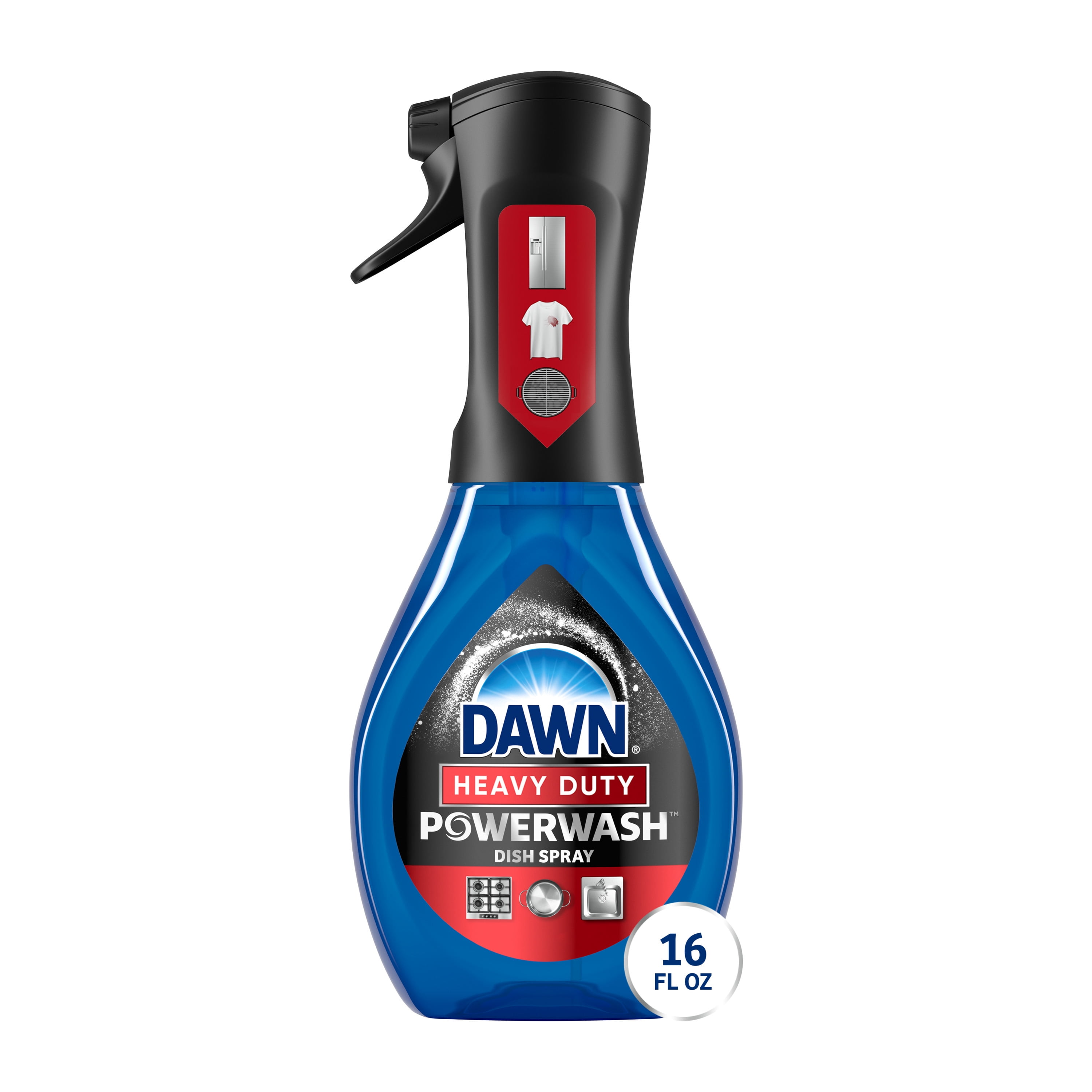
The innovation behind Dawn Powerwash extends beyond just a new formula; it encompasses a novel delivery system. Unlike traditional dish soaps poured directly onto a sponge or dish, Powerwash comes in a unique spray bottle. This spray mechanism is critical to its functionality and appeal:
- Direct application: The spray allows for precise targeting of grime and grease, ensuring the cleaning agents are applied exactly where needed.
- Foaming action: Upon contact, the formula activates into a powerful foam that clings to food particles, penetrating and breaking down grease without water. This is a significant departure from traditional methods that require water to activate the soap.
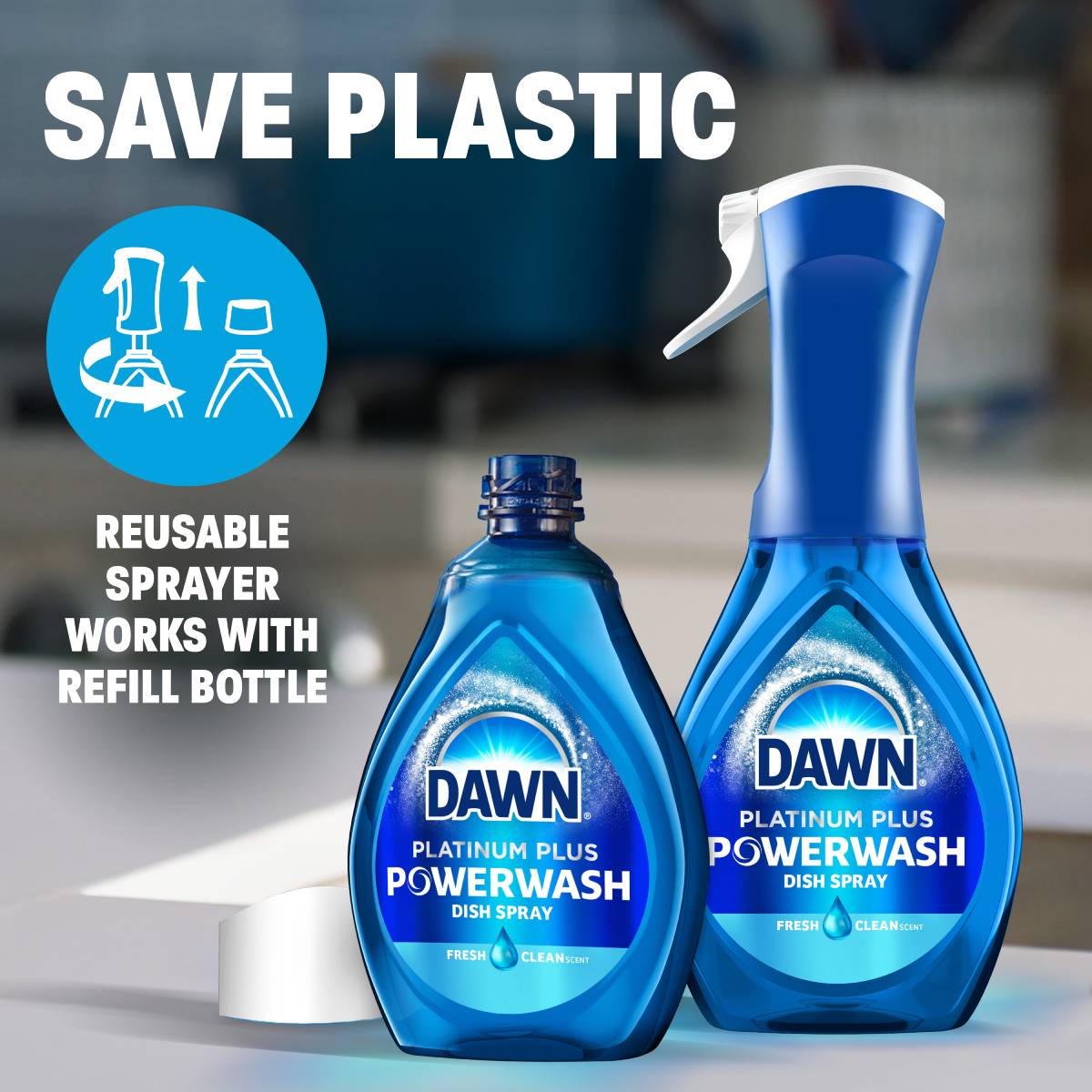
- Propellant-free technology: Critically, the spray is not aerosol-based. It uses a reusable trigger sprayer and refill system, aligning with P&G’s sustainability goals and offering a more eco-conscious alternative, reducing plastic waste over time. This also avoids the potential drawbacks and perceptions associated with aerosol products.
The formula itself is designed to be highly concentrated and fast-acting, enabling users to simply spray, wipe, and rinse without the need for a full sink of soapy water. This “clean without water” initial phase before rinsing is a core differentiating factor and a cornerstone of its marketing.
Marketing Brilliance: Positioning and Brand Extension
The success of Dawn Powerwash is a testament to P&G’s strategic marketing and its ability to effectively communicate the product’s unique value proposition. Launching a new product that requires a shift in consumer behavior is challenging, but Powerwash managed to achieve significant market penetration rapidly.
Crafting a Compelling Narrative
The marketing strategy for Dawn Powerwash focused on a few core messages:
- Effortless cleaning: Highlighting its ability to cut through grease and grime with minimal scrubbing, positioning it as a “spray, wipe, rinse” solution.
- Versatility: Demonstrating its effectiveness on various kitchen items, from delicate dishes to heavily encrusted bakeware, and even as a general kitchen degreaser.
- Convenience: Emphasizing its utility for quick clean-ups and its ability to reduce the need for prolonged soaking, saving time and effort.
- Water savings: While not the primary message, the implication of using less water for pre-washing or lighter loads resonated with environmentally conscious consumers.
The ad campaigns often showcased before-and-after scenarios, visually depicting the dramatic cleaning power and ease of use. Celebrity endorsements and influencer marketing further amplified its reach, creating a buzz around the product.
Strategic Brand Architecture: Leveraging Dawn’s Equity
A crucial decision was to launch this innovative product under the existing “Dawn” brand umbrella. Dawn is a highly recognized and trusted brand, synonymous with powerful grease-cutting abilities and often associated with charitable causes (like cleaning wildlife after oil spills). By extending the Dawn brand to Powerwash, P&G immediately conferred credibility and trust upon the new product.
- Brand Recognition: Consumers already knew and trusted Dawn, reducing the barrier to trial for a new product format.
- Category Authority: Dawn’s established reputation as a leader in dish soap reinforced Powerwash’s claims of superior cleaning performance.
- Halo Effect: The innovation of Powerwash also reflected positively on the entire Dawn brand, injecting new energy and perception of modernity into a long-standing product line.
This strategic brand extension allowed Powerwash to leverage decades of brand equity, ensuring a strong launch rather than starting from scratch with an entirely new brand identity. It reinforced the idea that Dawn continues to innovate to meet consumer needs.
The Powerwash Effect: Reinforcing Market Leadership
Dawn Powerwash has had a profound impact on the dishwashing category, significantly contributing to Dawn’s market share and establishing a new product segment. Its success serves as a powerful case study for brand resilience and strategic adaptation in a competitive market.
Disrupting the Category and Driving Growth
Powerwash didn’t just add a new SKU; it created a new sub-category of dish spray cleaners. Its performance prompted competitors to launch similar products, validating the market need P&G identified. This innovation led to:
- Increased Market Share: Dawn Powerwash quickly captured a significant portion of the dish soap market, growing P&G’s overall share.
- Premium Positioning: Despite its innovative features and superior performance, Powerwash is typically priced at a premium compared to traditional liquid dish soaps. Consumers have demonstrated a willingness to pay this premium for the perceived value, convenience, and effectiveness it offers.
- Enhanced Consumer Engagement: The product’s novel approach has generated significant social media buzz, reviews, and discussions, fostering a highly engaged consumer base. User-generated content showcasing its cleaning power became an organic marketing tool.
The refill system is also a clever business model component, ensuring repeat purchases and fostering brand loyalty while aligning with sustainability trends.
Lessons in Brand Resilience and Adaptation
The success of Dawn Powerwash offers invaluable insights for brand strategists:
- Consumer-Centric Innovation: The product’s genesis highlights the importance of deeply understanding consumer frustrations and developing solutions that genuinely address them. Innovation should be driven by real-world needs, not just technological capabilities.
- Strategic Brand Extension: Leveraging existing brand equity for new products can significantly accelerate market acceptance. However, the new product must align with and ideally enhance the core values and promise of the parent brand. Powerwash reinforces Dawn’s identity as the ultimate grease fighter.
- Clear Value Proposition: Clearly communicating “what’s in it for the consumer” is paramount. Powerwash’s messaging effectively articulated its benefits of ease, speed, and superior cleaning.
- Adaptability and Disruption: Even in mature categories like dish soap, there’s always room for disruption. Brands that are willing to challenge traditional formats and methods can carve out new segments and maintain leadership. P&G demonstrated a willingness to innovate aggressively within its own highly successful brand.
- Sustainability Integration: The refill system, while a business strategy, also taps into growing consumer demand for more sustainable product options, further strengthening brand appeal.
In conclusion, Dawn Powerwash is a compelling demonstration of how strategic innovation, meticulous product development, and insightful marketing can revitalize a legacy brand and redefine a product category. It’s a prime example of how understanding and addressing core consumer needs, coupled with a well-executed brand strategy, can lead to remarkable commercial success and enduring brand relevance. It’s not just a cleaning spray; it’s a powerful case study in modern brand building and market leadership.
aViewFromTheCave is a participant in the Amazon Services LLC Associates Program, an affiliate advertising program designed to provide a means for sites to earn advertising fees by advertising and linking to Amazon.com. Amazon, the Amazon logo, AmazonSupply, and the AmazonSupply logo are trademarks of Amazon.com, Inc. or its affiliates. As an Amazon Associate we earn affiliate commissions from qualifying purchases.