
In the landscape of modern theme park management, the intersection of guest experience and digital infrastructure has become the primary battleground for innovation. Among the most critical technological deployments at Disney Parks is the Disability Access Service (DAS). While often discussed in the context of vacation planning, DAS is, at its core, a sophisticated digital queue management system designed to solve complex logistical challenges through software, data integration, and remote communication tools.
As the Walt Disney Company continues its digital transformation, the DAS system serves as a prime example of how assistive technology is integrated into a larger mobile ecosystem to provide equitable access to services. This article examines the technical framework of DAS, the software logic behind its virtual queuing, and the digital security measures implemented to ensure the integrity of the system.

The Architecture of Digital Accessibility: Integrating DAS into the My Disney Experience Ecosystem
The Disability Access Service is not a standalone product; it is a deeply integrated feature set within the “My Disney Experience” (MDX) and Disneyland mobile applications. This integration represents a massive shift from legacy paper-based systems to a cloud-resident service that manages millions of data points in real-time.
Integration with the My Disney Experience Ecosystem
The backbone of the DAS system is its synchronization with the broader Disney infrastructure. When a guest is registered for DAS, their digital profile is updated across the entire Disney ecosystem. This allows for seamless interaction between the guest’s mobile device, the MagicBand+ (an IoT wearable), and the physical touchpoints at attraction entrances.
From a software engineering perspective, this requires high-concurrency data handling. Every time a DAS holder selects an attraction, the system must cross-reference the current “standby” wait time, calculate a return time, and update the guest’s digital entitlement—all while ensuring that these updates are reflected across all linked family accounts in the “Family & Friends” list.
From Physical Logistics to Virtual Queues
The transition from physical “GAC” (Guest Assistance Cards) to the digital DAS system marks a significant milestone in UI/UX design for accessibility. The goal was to remove the social friction and physical burden of visiting a kiosk to obtain a return time. By moving the service into the app, Disney utilized virtual queue algorithms to mimic the standby experience without requiring physical presence in a line. This “Wait Anywhere” logic is powered by backend services that monitor attraction throughput and adjust return windows dynamically, ensuring that the DAS system does not adversely affect the overall capacity of the ride.
The Digital Registration Process: Telehealth and Identity Verification
One of the most significant technological leaps in the DAS evolution is the move toward a fully remote, digital registration process. This shift leverages web-based communication tools and secure data processing to vet applicants before they ever set foot in a park.
Video Chat Consultations and Remote Screening
In recent years, Disney has implemented a live video chat feature for DAS registration. This system functions similarly to a telehealth platform, utilizing WebRTC (Web Real-Time Communication) protocols to facilitate secure, browser-based video calls between guests and specialized “Accessibility Coordinators.”
This remote screening process is a high-stakes technical operation. It requires robust bandwidth management and a user-friendly interface that can be navigated by guests with various cognitive or physical disabilities. By moving this process to a digital-first pre-arrival window (30 days prior to a park visit), Disney has reduced the physical crowding at Guest Relations locations, effectively using technology to optimize park-wide traffic flow.
Data Privacy and Secure Documentation
With the recent 2024 updates to the DAS policy, Disney has partnered with third-party verification services, such as Inspire Health Alliance, to assist in the screening process. This introduces a layer of digital security and data privacy compliance. The system must adhere to stringent data protection standards to ensure that sensitive guest information—often involving medical or developmental disclosures—is handled securely.
The tech stack involved here must ensure that while the “eligibility status” is shared with Disney’s internal systems, the underlying private documentation remains siloed and encrypted. This use of third-party API integration for identity and eligibility verification is a common trend in modern software suites designed to mitigate corporate liability while maintaining user privacy.
Algorithmic Efficiency: How the DAS Digital Queue Works
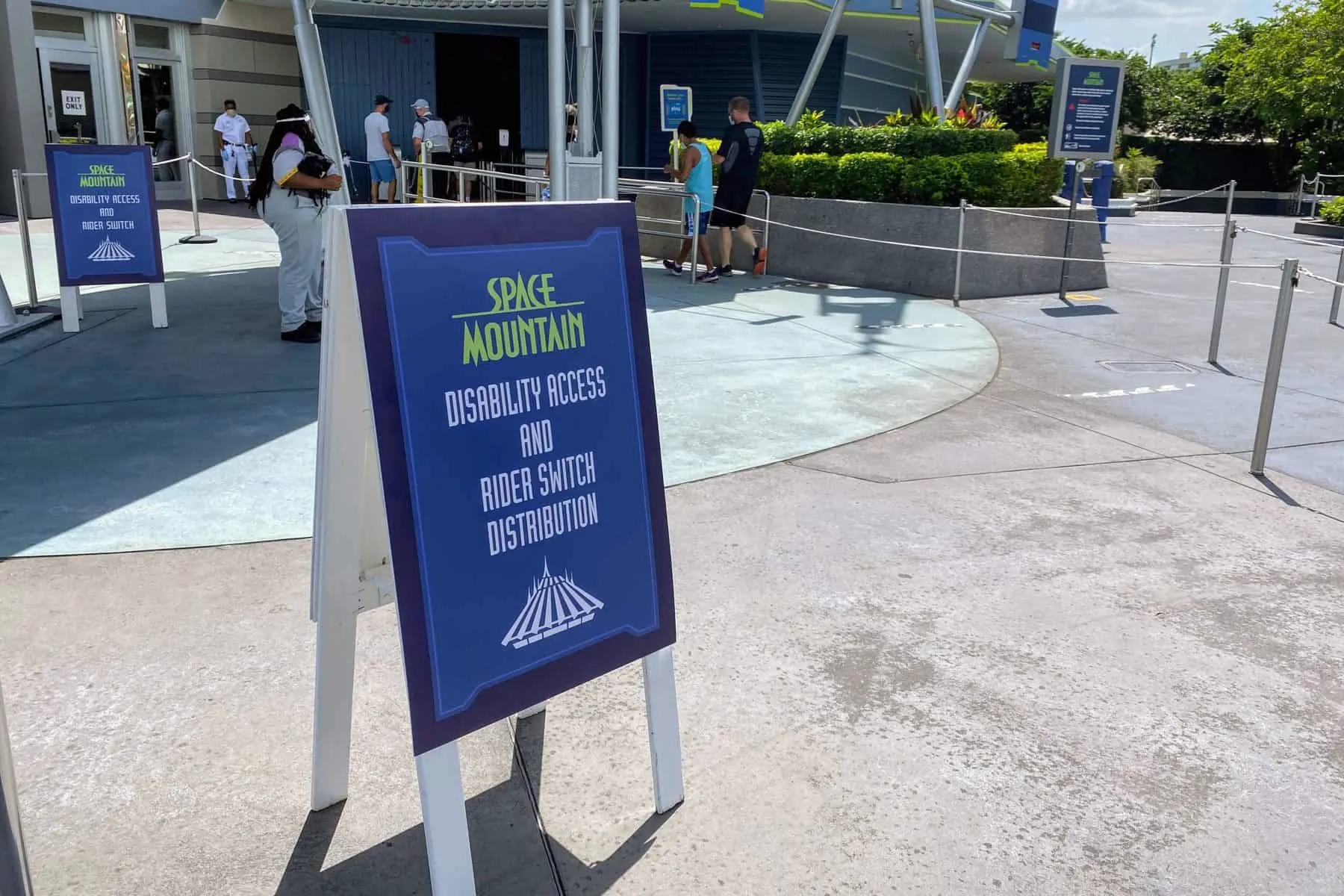
At the heart of the DAS experience is the return-time algorithm. This is not a simple “skip the line” pass; it is a sophisticated load-balancing tool that manages park capacity while accommodating specific user needs.
Real-Time Wait Time Calculations
The DAS system pulls data from the park’s central “Wait Time Engine.” When a guest requests a DAS return time via the app, the system calculates the return window by subtracting 10 to 15 minutes from the current posted standby time.
Technically, this requires a constant feed of sensor data from the attraction queues. Disney uses a variety of sensors—including Wi-Fi signal tracking, Bluetooth beacons, and physical infrared counters—to determine how fast a line is moving. The DAS software then processes this “Big Data” to issue a timestamped digital token to the guest. This token is stored in the guest’s digital wallet and is validated at the attraction entrance via an RFID or NFC handshake between the guest’s device and the “Mickey Head” scanner.
The UI/UX of Inclusive Design
The user interface for the DAS tile within the app is a study in inclusive design. Developers must ensure that the “Request a Return Time” flow is accessible to those using screen readers (like VoiceOver on iOS or TalkBack on Android).
The UX must be intuitive enough to be used in high-stress, high-sensory environments (like a crowded theme park). This involves high-contrast buttons, simplified navigation paths, and haptic feedback to confirm that a return time has been successfully booked. From a tech standpoint, the front-end must be lightweight to ensure it loads quickly even in areas of the park where cellular signals may be degraded by heavy interference from thousands of other devices.
Combatting System Abuse through AI and Data Analytics
As with any high-value digital service, the DAS system is subject to attempts at exploitation. To maintain the integrity of the service for those who truly need it, Disney has implemented advanced data analytics to detect and prevent system abuse.
Pattern Recognition and Anomaly Detection
Disney’s backend systems utilize machine learning algorithms to monitor how DAS return times are being used across the park. If the system detects anomalous patterns—such as a single account booking an impossible number of high-demand attractions in a short period, or “linking” with an unusually high number of rotating guests—it flags the account for manual review.
This use of AI for “fraud detection” is critical for the sustainability of the service. By analyzing historical data and real-time usage trends, Disney can adjust the parameters of the DAS software to close loopholes that might be exploited by “tour guides” or individuals attempting to bypass the standard queueing system.
The Technical Enforcement of Policies
The 2024 policy updates included a significant technical change: the “DAS party size” limitation. The software now hard-codes a limit (typically the guest with the disability plus three additional party members). This programmatic enforcement prevents the “daisy-chaining” of large groups that previously strained attraction capacity. By building these rules directly into the application’s business logic, Disney ensures consistent policy application across all four Walt Disney World parks and the Disneyland Resort, removing the burden of “policing” from the front-line cast members.
The Future of Assistive Technology in High-Traffic Environments
The DAS system is a precursor to a more automated, AI-driven future in theme park accessibility. As we look toward the next generation of guest-facing technology, several trends are likely to emerge from the foundation laid by DAS.
Predictive Accessibility
Future iterations of the DAS software may use predictive analytics to suggest attractions to guests based on their specific needs and the current sensory levels of the park. For example, if the system knows a guest has sensory processing sensitivities, the app could push a notification suggesting a “low-sensory” attraction during peak firework hours when noise levels are high.

Biometric Integration and Enhanced Wearables
While Disney currently uses MagicBands and mobile devices, the next step in the tech evolution could involve more seamless biometric verification to speed up the DAS entrance process. By integrating facial recognition or more advanced NFC protocols, the “check-in” process could become entirely frictionless, further reducing the cognitive load on guests with disabilities.
In conclusion, “What is DAS at Disney?” is a question with a deeply technological answer. It is a complex, cloud-based queue management system that leverages telehealth, real-time data analytics, and inclusive UI/UX design to provide an equitable experience in one of the world’s most complex logistical environments. As Disney continues to refine this digital tool, it serves as a benchmark for how large-scale enterprises can use technology not just for efficiency, but for empathy and accessibility.
aViewFromTheCave is a participant in the Amazon Services LLC Associates Program, an affiliate advertising program designed to provide a means for sites to earn advertising fees by advertising and linking to Amazon.com. Amazon, the Amazon logo, AmazonSupply, and the AmazonSupply logo are trademarks of Amazon.com, Inc. or its affiliates. As an Amazon Associate we earn affiliate commissions from qualifying purchases.