
In the sophisticated landscape of modern gaming, few systems are as enduring or as meticulously balanced as the elemental type system found in the Pokémon franchise. At the heart of this system lies a complex database of interactions, multipliers, and algorithmic dependencies that dictate how different entities interact during a computational battle sequence. Among these, the Dark type represents a fascinating case study in game design, specifically implemented as a “patch” to address systemic imbalances in earlier versions of the software.
To understand what a Dark-type Pokémon is weak to, one must look beyond simple aesthetics and examine the underlying game mechanics, the logic of damage modifiers, and the strategic evolution of the competitive meta-game. From a technical perspective, a Dark-type’s vulnerabilities are not random; they are calibrated responses to the type’s inherent strengths, designed to ensure that no single strategy becomes a dominant “god-tier” exploit.
The Logic of Weakness: How Dark-Type Mechanics Function within Game Software
The introduction of the Dark type in the “Generation II” update was a direct technical intervention. In the initial release of the software (Generation I), the Psychic type lacked significant counters, leading to a broken competitive environment where Psychic-type algorithms dominated nearly every interaction. The Dark type was programmed specifically to provide a “Hard Counter” to Psychic moves, possessing a complete immunity to them.
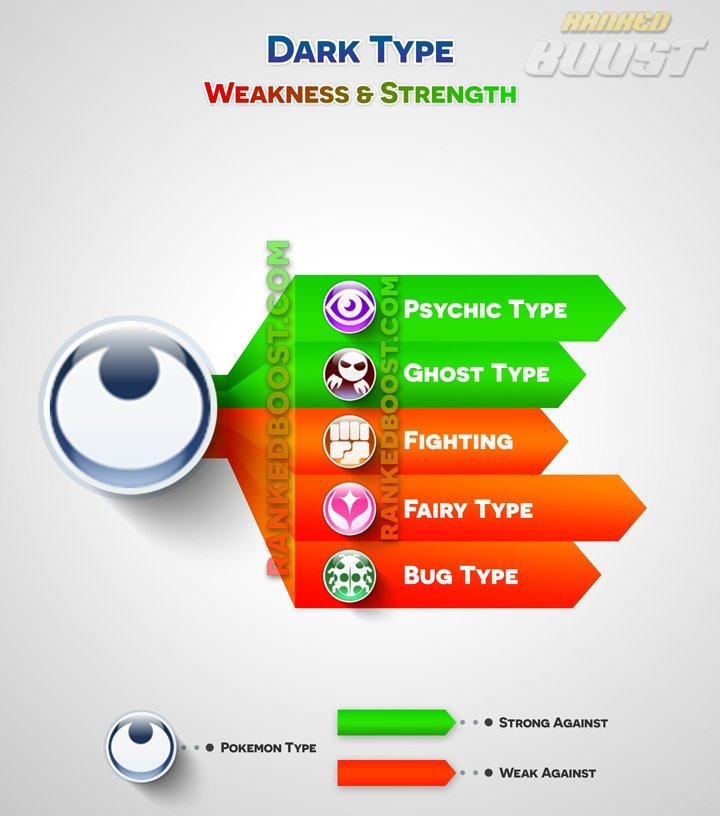
However, in the interest of game balance—a core tenet of software design—every strength must be offset by a vulnerability. In the current iteration of the game’s engine, the Dark type is weak to three specific categories of attacks: Fighting, Bug, and Fairy.
The Binary Interaction of Damage Multipliers
In the game’s code, a “weakness” is represented by a 2.0x multiplier applied to the base damage of an incoming move. If a Pokémon possesses dual typing (e.g., Dark/Rock), these multipliers can stack, resulting in a 4.0x damage coefficient—a critical failure state for most defensive builds. Conversely, if a Pokémon is resistant, the multiplier drops to 0.5x.
The Dark type’s weaknesses are strategically distributed to prevent it from becoming as oppressive as the Psychic type once was. By analyzing the data, we can see that these three weaknesses serve different roles in the “Rock-Paper-Scissors” logic that governs the software’s combat loops.
Analyzing the Core Deficiencies: Fighting, Bug, and Fairy Types
Each of the three weaknesses assigned to the Dark type addresses a specific aspect of the game’s physical and special attack databases. Understanding these vulnerabilities is essential for any player looking to optimize their team’s performance or for developers studying the architecture of balanced combat systems.
Fighting-Type Interactions: Physical Optimization
The Fighting type is the most prominent “hard” counter to Dark-type Pokémon. From a thematic design perspective, Fighting moves represent discipline, technique, and physical prowess, which are conceptually positioned as the antithesis of the “underhanded” or “dirty” tactics associated with the Dark type (known in the original Japanese code as the “Evil” type).
Technically, many Fighting-type moves, such as Close Combat or High Jump Kick, possess high base power (BP). When the 2.0x Dark-type weakness multiplier is applied to a high-BP Fighting move, the resulting output often exceeds the HP (Hit Point) parameters of most Dark-type entities. This makes Fighting-type moves the go-to tool for “sweeping” Dark-type defenders in competitive play.
Bug-Type Interactions: Niche Utility and Balance
The Bug-type weakness is perhaps the most interesting from a technical standpoint. In early versions of the game, Bug-type moves were generally underpowered with low base stats. By making Dark-type Pokémon weak to Bug moves, the developers increased the utility of a previously neglected segment of the move database.
Moves like U-turn—a tactical retreat move that deals damage before switching the user out—become incredibly potent against Dark types. This interaction allows players to exploit the 2.0x multiplier to deal significant chip damage while simultaneously maintaining “switch initiative,” a critical concept in high-level play that focuses on controlling the state of the battlefield.

Fairy-Type Interactions: The Meta-Game Patch
The Fairy type was introduced in a much later software update (Generation VI) to address the rising dominance of Dragon and Dark types. In the technical ecosystem of the game, the Fairy type acts as a “Special” defensive wall. Dark-type Pokémon are often designed with high Attack stats but lower Special Defense, making the Fairy type’s reliance on Special-based attacks (like Moonblast) particularly effective. This addition was a classic example of “reactive balancing,” where new assets are introduced to a legacy system to curb the power of existing entities.
The Role of the Fairy-Type Patch in Balancing the Dark-Type Meta
Prior to the introduction of the Fairy type, certain Dark-type combinations were notoriously difficult to overcome. For years, the combination of Dark and Ghost typing resulted in a Pokémon with no weaknesses at all, as the Ghost-type’s vulnerabilities were neutralized by the Dark-type’s resistances, and vice versa.
Resolving the “No-Weakness” Glitch
Entities like Sableye and Spiritomb existed in the game’s ecosystem as anomalies. Without a 2.0x multiplier to exploit, these Pokémon could only be defeated through “neutral damage” or status ailments, which made them disproportionately powerful in defensive “stall” compositions.
The introduction of the Fairy-type weakness was a systematic fix. By coding the Fairy type to be super-effective against Dark, developers retroactively applied a weakness to these “perfect” types. This change highlights the iterative nature of game software; developers must constantly monitor the “meta” (the most effective tactics available) and deploy updates—much like a security patch in an OS—to prevent the system from stagnating.
Tactical Implications of Type Immunity
Beyond weaknesses, it is important to note the Dark type’s role in managing the “Prankster” ability—a piece of code that allows certain moves to execute with increased priority. In a 2016 software update, Dark-type Pokémon were granted immunity to status moves used by Pokémon with the Prankster ability. This technical change further defined the Dark type’s niche: while it is vulnerable to Fighting, Bug, and Fairy attacks, it serves as a “firewall” against priority-based support tactics.
Algorithmic Advantage: Tools and Software for Mastering Type Matchups
For enthusiasts and competitive players, memorizing these interactions is only the first step. The modern Pokémon ecosystem relies heavily on external software tools and data analytics to optimize performance.
Damage Calculators and Simulators
Advanced players use web-based damage calculators to determine the exact percentage of health a Dark-type Pokémon will lose when hit by a specific move. These tools take into account the “IVs” (Individual Values) and “EVs” (Effort Values)—the raw data variables that define a Pokémon’s stats. By inputting the data of a Dark-type defender and a Fairy-type attacker, the software can simulate thousands of interactions to provide an “OHKO” (One-Hit Knock Out) probability.
Team Builders and Synergy Analysis
Software like Pokémon Showdown allows users to simulate battles in a sandbox environment. When building a team, players use “coverage” algorithms to ensure they have moves that can exploit the weaknesses of common types. If a team is “Dark-weak,” the software will highlight the vulnerability, prompting the player to integrate a Fighting or Fairy-type “check” or “counter” to maintain balance.
The Future of Dynamic Type Systems in Gaming Technology
As we look toward the future of the franchise and the broader genre of RPGs (Role-Playing Games), the way weaknesses are handled is becoming increasingly complex. We are seeing the introduction of “Terastallization,” a mechanic in the latest software versions that allows a Pokémon to change its type mid-battle.
The Complexity of Real-Time Type Shifting
This feature adds a layer of “dynamic typing” to the game’s code. A Dark-type Pokémon, sensing an incoming Fighting-type move, can “Terastallize” into a Ghost-type, rendering the Fighting move completely ineffective (0x damage) due to the new type’s immunity. This shift from static to dynamic data necessitates a much higher level of computational thinking and real-time data processing from the player.
Data-Driven Balance
The developers continue to use player data to tweak these interactions. If telemetric data shows that Dark-type Pokémon are being underutilized due to the prevalence of Fairy types, we may see a future “patch” that introduces a new resistance or adjusts the base power of certain moves. This ongoing cycle of data analysis and software iteration ensures that the question “What is Dark Pokémon weak to?” remains a central pillar of the game’s strategic depth.
In conclusion, the weaknesses of the Dark type—Fighting, Bug, and Fairy—are the result of over two decades of technical refinement and balance-focused design. By understanding these vulnerabilities through the lens of damage multipliers, software updates, and data-driven strategy, one gains a deeper appreciation for the complex digital architecture that powers one of the world’s most successful gaming franchises. Whether you are a developer looking at the logic of elemental systems or a player looking to optimize your competitive “ladder” standing, the technical reality of type matchups is a masterclass in functional game design.
aViewFromTheCave is a participant in the Amazon Services LLC Associates Program, an affiliate advertising program designed to provide a means for sites to earn advertising fees by advertising and linking to Amazon.com. Amazon, the Amazon logo, AmazonSupply, and the AmazonSupply logo are trademarks of Amazon.com, Inc. or its affiliates. As an Amazon Associate we earn affiliate commissions from qualifying purchases.