
In the rapidly evolving landscape of software development and digital entertainment, few titles have captured the collective imagination of the gaming community—and the scrutiny of the tech industry—as intensely as Dark and Darker. Developed by the South Korean studio Ironmace, Dark and Darker is more than just a video game; it is a sophisticated piece of software that blends elements of the “extraction” genre with classic high-fantasy RPG mechanics. To understand what Dark and Darker is, one must look past the medieval swords and sorcery and examine the underlying technology, the architectural innovations in game design, and the complex digital ecosystem in which it exists.
The Technical Architecture: Powering the Hardcore Fantasy Experience
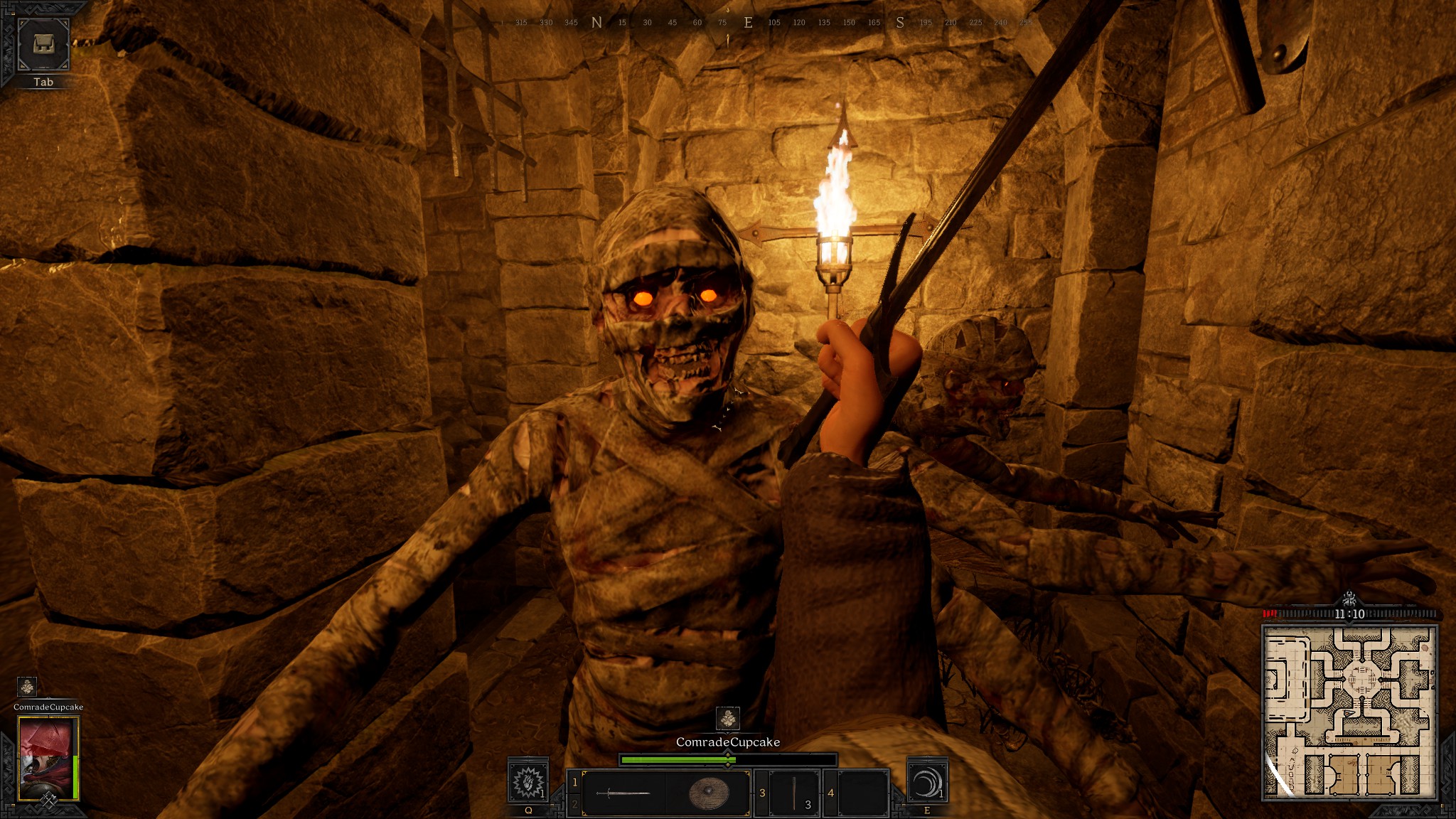
At its core, Dark and Darker is a masterclass in utilizing modern game engines to create atmospheric tension. The software is built using Unreal Engine 5 (UE5), a choice that allows the developers to leverage advanced lighting and rendering techniques that are central to the game’s primary mechanic: darkness.
Leveraging Unreal Engine 5 for High-Fidelity Atmosphere
The “Dark” in the title is not merely aesthetic; it is a functional software component. Using UE5’s advanced lighting systems, Ironmace has created a world where dynamic light sources—torches, lanterns, and magical spells—interact realistically with the environment. From a technical standpoint, the game utilizes sophisticated light-bake techniques and real-time shadow rendering to ensure that shadows provide actual tactical cover. This reliance on the engine’s lighting pipeline means that “hiding” in Dark and Darker is a product of software calculations rather than simple binary visibility states found in older games.
Server-Side Logic and the Challenge of Latency
In a “hardcore” extraction game, where losing a match means the permanent loss of digital assets (loot and equipment), the stability of the server architecture is paramount. Ironmace utilizes a high-tick-rate server model to ensure that combat—which relies on precise hitboxes and timing—is as accurate as possible. The back-end infrastructure must handle thousands of concurrent “instances” (individual dungeon runs), managing complex data synchronization between players to prevent “rubber-banding” or desync. For a small studio, the deployment of this global server network represents a significant feat of cloud infrastructure management.
Software Innovations in Gameplay Mechanics
The brilliance of Dark and Darker lies in how its software translates complex tabletop RPG rules into a fluid, first-person digital experience. This transition requires innovative approaches to physics, collision detection, and procedural elements.
Physics-Based Combat and Hitbox Precision
Unlike many traditional RPGs that use “tab-targeting” or generous “auto-aim” mechanics, Dark and Darker utilizes a rigorous physics-based combat system. Every weapon has a specific physical model that must collide with a player’s hitbox to register damage. This involves complex “line-trace” technology where the software calculates the trajectory of a swing in real-time. If a player’s sword hits a stone wall before it hits an enemy, the swing is interrupted. This level of environmental interaction requires high-precision collision meshes and optimized code to ensure that these calculations do not bog down the CPU during intense multi-player skirmishes.
Procedural Elements and Map Design
While the maps in Dark and Darker are meticulously designed, the “content” within them—loot spawns, enemy placements, and extraction portals—is governed by a sophisticated randomization algorithm. This software layer ensures that no two “runs” are identical, increasing the replayability and unpredictability of the game. The logic behind the “Dark Swarm” (a collapsing circle of death similar to Battle Royale games) is a dynamic spatial algorithm that forces players into closer proximity as the match progresses, managing the flow of traffic across the digital terrain.
Security and Integrity: Combatting Cheats in a High-Stakes Environment
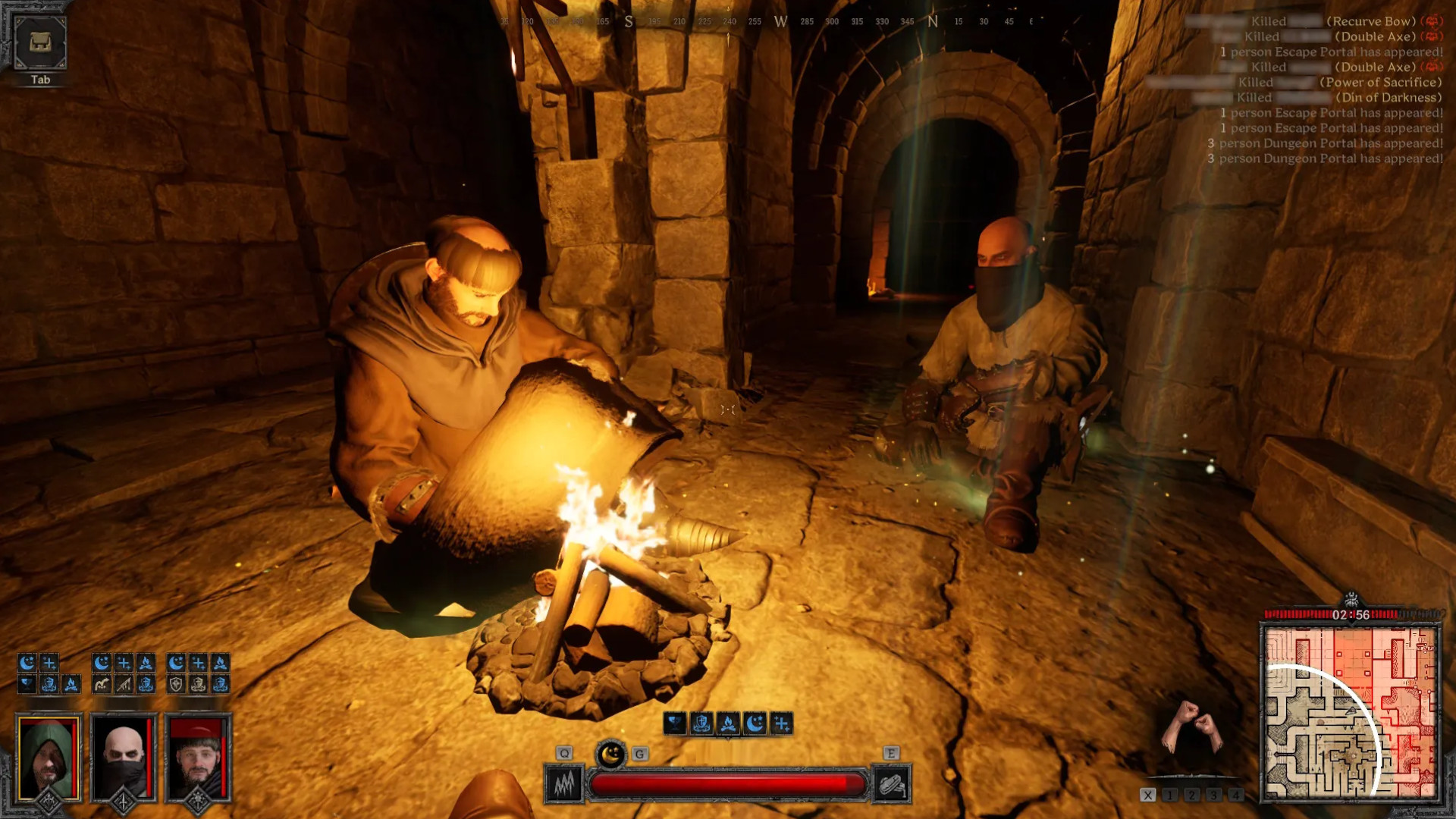
Because Dark and Darker features a robust in-game economy, it is a primary target for malicious software, including aimbots, wallhacks, and “speed-hacks.” Maintaining the integrity of the digital environment is one of the greatest technical challenges Ironmace faces.
The Implementation of Ironshield and Third-Party Anti-Cheat
To protect the software’s ecosystem, Ironmace implemented a multi-layered security approach. This includes the integration of commercial anti-cheat solutions like “Easy Anti-Cheat” (EAC) alongside their proprietary system, dubbed “Ironshield.” These tools operate at the kernel level of the user’s operating system to detect unauthorized modifications to the game’s memory. The technical battle against “script kiddies” and professional cheat developers is an ongoing game of cat-and-mouse, requiring constant software patches and heuristic analysis of player behavior.
Data Encryption and Preventing Packet Sniffing
Another layer of security involves the encryption of data packets sent between the client and the server. In high-stakes games, players may attempt “packet sniffing” to reveal the locations of rare loot or other players through the fog of war. Ironmace employs modern encryption standards to obfuscate this data, ensuring that the “hidden” information remains server-side until the game logic determines it should be revealed to the player’s client. This “authoritative server” model is the gold standard for preventing common exploits in online software.
The Digital Distribution Struggle: A Case Study in Software Rights
The story of Dark and Darker is inextricably linked to the technology industry’s legal and distributive frameworks. The game’s journey from a Steam sensation to a de-platformed underdog and back again provides a fascinating look at digital rights management (DRM) and platform software.
The Impact of Legal Disputes on Platform Availability
Due to a highly publicized legal dispute with the gaming giant Nexon regarding alleged trade secret theft, Dark and Darker was removed from Steam—the world’s largest digital distribution platform. This forced Ironmace to innovate in the realm of software distribution. For a period, the game was distributed via BitTorrent—a decentralized file-sharing protocol—highlighting a unique intersection between “old school” tech and modern gaming.
Scaling Infrastructure for Custom Launchers
Eventually, Ironmace developed its own proprietary launcher, “Blacksmith,” and partnered with smaller platforms like Chaf Games and the Epic Games Store. Building a custom launcher is no small task; it requires a secure payment gateway, a robust patching system (CDN – Content Delivery Network), and user authentication protocols. The tech stack required to support a standalone game launcher is significant, involving database management for millions of user accounts and the bandwidth capacity to push multi-gigabyte updates to a global audience simultaneously.
The Future of Extraction Genres in the Modern Tech Landscape
Dark and Darker has set a new benchmark for what is possible in the niche of hardcore dungeon crawlers. As the software continues to evolve, several emerging technologies are likely to shape its future.
AI Integration for Dynamic NPC Behavior
Currently, the “mobs” (Non-Player Characters) in Dark and Darker follow relatively predictable behavior trees. However, the next frontier for this type of software is the integration of more advanced AI. By utilizing machine learning or more complex heuristic trees, developers could create enemies that adapt to player tactics, making the “Dark” even more dangerous. This would require more significant server-side processing power but would vastly increase the depth of the simulation.
Cross-Platform Development and Optimization
As Ironmace looks toward the future, the challenge of cross-platform play (PC, console, and potentially mobile) looms large. Porting a high-fidelity UE5 project to consoles requires massive optimization of the software’s “draw calls” and memory usage. Ensuring “parity” between different hardware configurations while maintaining a competitive environment is a technical hurdle that involves rewriting large portions of the rendering pipeline and input handling code.
In conclusion, Dark and Darker is a sophisticated convergence of modern software engineering and creative game design. It leverages the power of Unreal Engine 5 to create a high-stakes digital environment where lighting, physics, and networking are all integral to the user experience. Despite the legal and distributive challenges it has faced, the game stands as a testament to the resilience of independent software development and the enduring appeal of the “hardcore” digital challenge. Whether through its innovative use of server-side logic or its complex security measures, Dark and Darker remains a pivotal case study in the modern tech and gaming landscape.
aViewFromTheCave is a participant in the Amazon Services LLC Associates Program, an affiliate advertising program designed to provide a means for sites to earn advertising fees by advertising and linking to Amazon.com. Amazon, the Amazon logo, AmazonSupply, and the AmazonSupply logo are trademarks of Amazon.com, Inc. or its affiliates. As an Amazon Associate we earn affiliate commissions from qualifying purchases.