
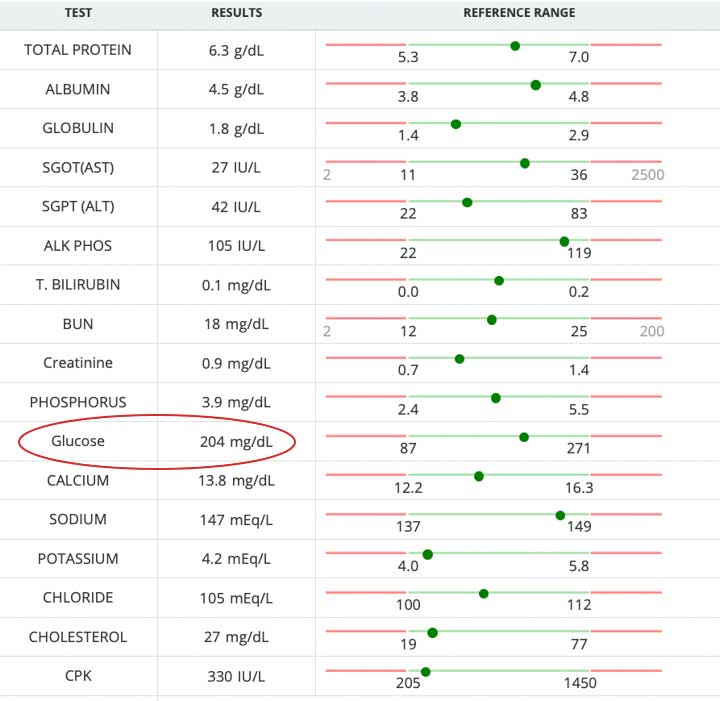
The intersection of veterinary medicine and advanced technology has fundamentally changed how we approach chronic conditions in domestic animals. When considering what is dangerously high blood sugar for a cat—typically defined as glucose levels consistently exceeding 300-400 mg/dL—the discussion is no longer limited to traditional laboratory tests. Today, the management of feline diabetes is a sophisticated field driven by Internet of Things (IoT) devices, artificial intelligence (AI), and integrated software ecosystems. As tech-forward pet owners and veterinary professionals seek better ways to stabilize feline health, technology provides the precision tools necessary to identify, monitor, and mitigate the risks of life-threatening hyperglycemia.

The Digital Evolution of Feline Glucose Monitoring
Traditionally, diagnosing and managing high blood sugar in cats required frequent, stressful trips to a veterinary clinic for ear-prick tests or venous blood draws. However, the “PetTech” revolution has shifted the paradigm toward continuous, non-invasive data collection. For a cat, “dangerously high” blood sugar isn’t just a static number; it is often a trend that requires real-time observation to prevent diabetic ketoacidosis (DKA).
From Manual Testing to IoT-Enabled Glucometers
The first major technological leap in managing feline blood sugar was the development of pet-specific digital glucometers. Unlike human devices, which are calibrated for the distribution of glucose in human plasma, pet-specific versions use algorithms tailored to the hematocrit levels of cats. Modern iterations of these devices now include Bluetooth Low Energy (BLE) connectivity, allowing blood glucose readings to be instantly synced to smartphone applications. This automation eliminates manual entry errors and provides a timestamped digital log that can be shared with veterinarians via cloud-based platforms.
Continuous Glucose Monitoring (CGM) Systems
Perhaps the most significant tech trend in feline healthcare is the adaptation of Continuous Glucose Monitoring (CGM) systems, such as the FreeStyle Libre, for veterinary use. These devices involve a small sensor applied to the cat’s skin that measures interstitial fluid glucose levels every few minutes. From a technology standpoint, the engineering challenge involves ensuring the adhesive stays functional through feline fur and movement. The data provided by CGMs allows for the creation of “Glucose Curves”—comprehensive digital maps that show exactly when a cat’s blood sugar spikes into the “danger zone.” This high-resolution data is far superior to sporadic manual tests, as it captures the Somogyi effect (rebound hyperglycemia) that manual tests often miss.
AI and Predictive Analytics in Managing Diabetic Spikes
When a cat’s blood sugar reaches dangerous levels, the immediate concern is medical intervention. However, the long-term goal of modern software is prediction and prevention. AI is now being leveraged to analyze the massive datasets generated by CGM devices and smart feeders to predict glycemic trends before they become critical.
Machine Learning for Glycemic Forecasting
Machine learning models are being trained on thousands of feline glucose profiles to identify patterns that precede a hyperglycemic crisis. By analyzing variables such as caloric intake (tracked via smart feeders), activity levels (tracked via wearable accelerometers), and historical glucose data, these AI tools can send push notifications to owners when the system detects a high probability of a blood sugar spike. This shift from reactive to proactive care is a hallmark of the current technology landscape in animal health.
Software Ecosystems and Veterinary Integration
The true power of pet health technology lies in its interoperability. Leading pet health apps now serve as centralized hubs that aggregate data from multiple hardware sources. For example, a system might correlate the data from a “smart” insulin pen with the glucose readings from a CGM. If the software detects that a cat’s blood sugar is dangerously high despite a recorded insulin dose, it can trigger an emergency alert to a tele-vet service. This level of integrated software architecture ensures that data does not exist in a vacuum but is used to drive clinical decisions in real-time.
Wearable Tech and Remote Patient Monitoring (RPM)
For cats, the physiological threshold for “danger” is often exacerbated by stress-induced hyperglycemia. Technology solves this by allowing for Remote Patient Monitoring (RPM) in the cat’s natural environment, providing a more accurate reflection of their metabolic state.
The Engineering of Subcutaneous Sensors
Developing wearables for cats presents unique hardware challenges. Sensors must be miniaturized to avoid impeding movement while remaining rugged enough to withstand grooming and environmental factors. Current R&D focuses on bio-compatible materials that reduce skin irritation, ensuring the sensor can remain active for the full 14-day cycle. The telemetry involved in transmitting data from a subcutaneous sensor to a receiver (often a smartphone or dedicated hub) requires sophisticated signal processing to filter out noise and ensure data integrity.
Telemedicine and Virtual Consultation Platforms
As remote monitoring hardware becomes more ubiquitous, telemedicine platforms have evolved to handle the influx of data. Veterinarians now utilize dashboards that highlight “at-risk” patients based on real-time blood sugar uploads. When a cat’s levels cross the threshold into dangerous territory (often defined by the vet within the software’s parameters), the platform can automatically initiate a virtual consultation. This seamless link between wearable hardware and professional medical software reduces the time-to-treatment, which is critical when dealing with feline hyperglycemia.
Data Security and the Future of Feline Bio-Data
As we collect more granular biological data from our pets, the tech industry must address the implications of data privacy and the security of the “Internet of Animals.”
Securing Animal Health Records
While pet data may seem less sensitive than human data, it remains a component of a household’s digital footprint. Cybersecurity in PetTech involves encrypting the transit of bio-data from the wearable device to the cloud. As insurance companies begin to integrate with these tech platforms—offering lower premiums for well-monitored pets—the integrity of the data becomes a financial concern as well. Ensuring that blood sugar logs cannot be tampered with is essential for both clinical accuracy and the burgeoning pet insurance-tech (InsurTech) market.
The Move Toward Interoperable Standards
The future of managing feline blood sugar lies in the standardization of data. Currently, many devices operate in “walled gardens,” where data from one brand’s glucometer cannot be easily read by another brand’s vet management software. The industry is moving toward a more open API (Application Programming Interface) model. In this future, regardless of the hardware used to detect dangerously high blood sugar, the data will flow into a universal Electronic Health Record (EHR) for the cat. This interoperability will allow for a more holistic view of feline health, combining genetic data, historical glucose trends, and real-time vitals to provide a level of care that was previously impossible.
Conclusion: The Tech-Enabled Safety Net
Identifying what is dangerously high blood sugar for a cat is no longer a matter of guesswork or infrequent testing. Through the lens of modern technology, we see a world where IoT sensors, AI-driven analytics, and integrated software platforms create a digital safety net around diabetic pets. By converting biological signals into actionable data, technology allows owners and veterinarians to intervene long before hyperglycemia becomes a crisis. As PetTech continues to evolve, the focus remains on high-fidelity monitoring and the seamless integration of hardware and software, ensuring that feline health management is as advanced as the devices we use in our own daily lives.
aViewFromTheCave is a participant in the Amazon Services LLC Associates Program, an affiliate advertising program designed to provide a means for sites to earn advertising fees by advertising and linking to Amazon.com. Amazon, the Amazon logo, AmazonSupply, and the AmazonSupply logo are trademarks of Amazon.com, Inc. or its affiliates. As an Amazon Associate we earn affiliate commissions from qualifying purchases.