
In the world of professional sports and global entertainment, few figures command as much financial interest as Dana White. As the President and CEO of the Ultimate Fighting Championship (UFC), White has transitioned from a localized fight promoter to a titan of industry. While many observers focus on the spectacle of the Octagon, the true story lies in the sophisticated financial engineering and strategic business decisions that have propelled Dana White’s net worth to an estimated $500 million or more.
Analyzing White’s wealth is not merely an exercise in celebrity voyeurism; it is a case study in business finance, equity structuring, and the power of long-term value appreciation. By deconstructing his financial journey, we can uncover the mechanisms of high-stakes investing and the strategic maneuvers required to turn a failing asset into a multi-billion-dollar enterprise.
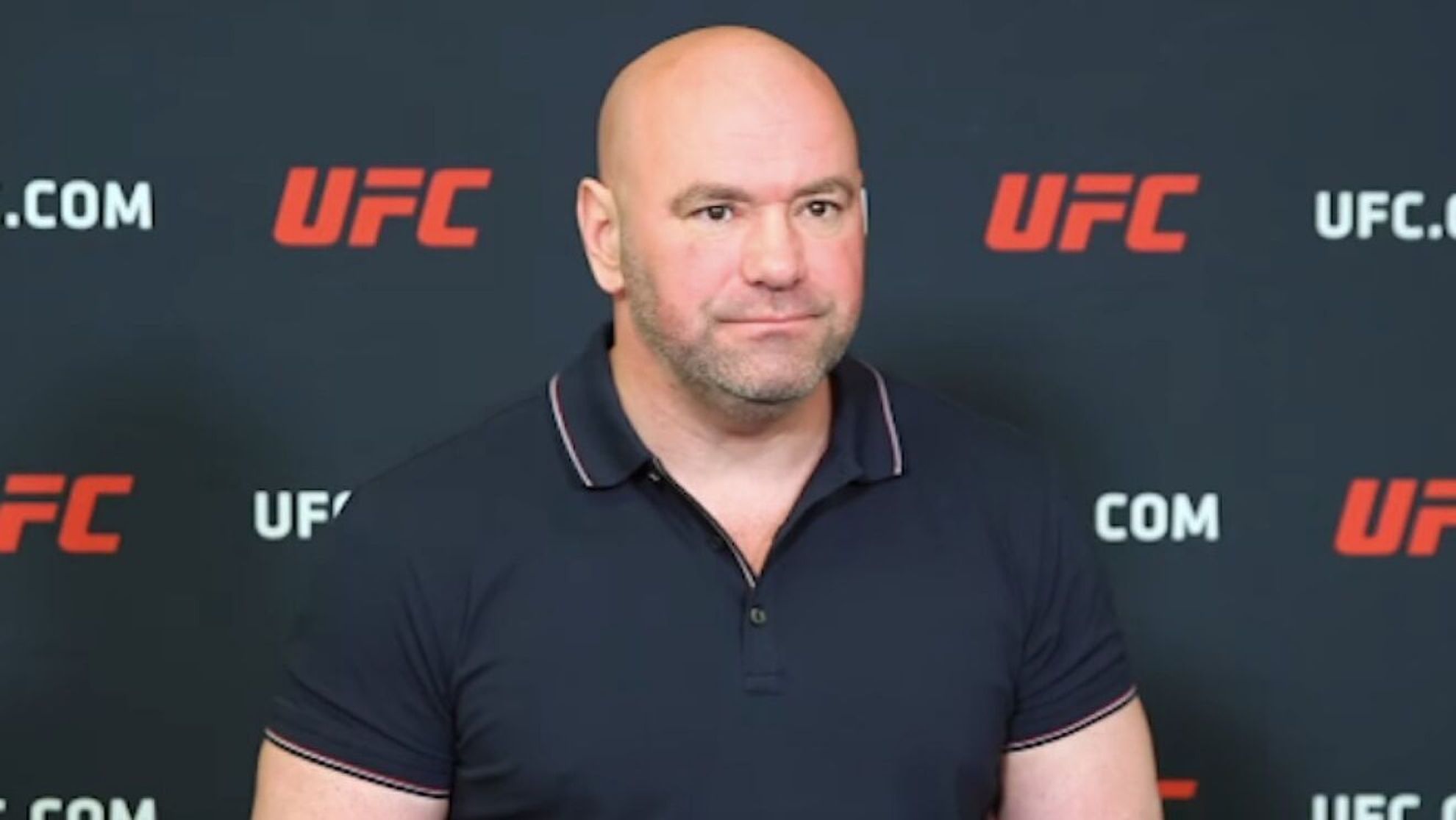
The Foundation of Wealth: From Boxercise Instructor to UFC Mogul
Dana White’s financial trajectory is a quintessential example of high-risk, high-reward investing. In the early 2000s, the UFC was a struggling entity, plagued by regulatory hurdles and a lack of mainstream acceptance. White’s ability to identify undervalued assets and secure the necessary capital to revitalize them set the stage for his current net worth.
The Zuffa Acquisition and Strategic Risk Management
The turning point in White’s financial life occurred in 2001. After discovering that the UFC’s parent company was looking to sell, White convinced his childhood friends Lorenzo and Frank Fertitta to purchase the organization for $2 million. They formed Zuffa, LLC, with White installed as the President and granted a 9% minority stake.
From a business finance perspective, this was a distressed asset acquisition. The UFC was “bleeding” money, and the Fertitta brothers eventually invested over $40 million of their own capital to keep the lights on. White’s wealth at this stage was tied almost entirely to the illiquid equity of a company that many analysts expected to fail. His strategy focused on “sweat equity”—contributing his labor and vision in exchange for a percentage of future growth, a common tactic in venture capital and startup environments.
Reinvesting in Growth and Market Penetration
Instead of seeking immediate dividends or high salaries during the lean years, White and his partners focused on reinvesting every dollar of revenue into the business. They understood the principle of compounding growth. By investing in The Ultimate Fighter reality show in 2005—a $10 million gamble on a television production—they secured a cable TV deal that validated the UFC’s business model. This move transformed the company’s valuation from a speculative venture into a cash-flow-positive enterprise, significantly increasing the paper value of White’s 9% stake.
The Multi-Billion Dollar Exit: Deconstructing the WME-IMG Sale
The most significant catalyst for Dana White’s liquid net worth occurred in 2016, when Zuffa, LLC sold the UFC to a consortium led by WME-IMG (now Endeavor) for approximately $4 billion. This transaction remains one of the largest in the history of professional sports and provides a clear blueprint for how equity holders realize massive gains.
Equity vs. Salary: The Power of Ownership
While Dana White earns a substantial annual salary—estimated to be north of $20 million—the bulk of his wealth was generated through his equity stake. When the $4 billion sale closed, White’s 9% ownership translated into a pre-tax windfall of roughly $360 million.
This highlights a fundamental principle of personal finance and business: while high income is beneficial, true wealth is built through equity ownership in appreciating assets. White’s decision to remain with the company post-sale, negotiating a new deal that included a percentage of the company’s net profits, ensured that his net worth would continue to climb alongside the UFC’s expanding valuation.
Valuation Multiples in Sports Media
The 2016 sale was predicated on valuation multiples common in the media and entertainment sectors. The buyers weren’t just purchasing a sports league; they were purchasing a content library and a global brand with recurring revenue streams from pay-per-view (PPV), ticket sales, and media rights.

As the UFC secured lucrative domestic rights deals with networks like ESPN (a deal valued at $1.5 billion over five years), the enterprise value of the organization soared. For Dana White, being the face of a company with such high “stickiness” in its revenue model has made him one of the most bankable executives in the world. His net worth is a direct reflection of the UFC’s ability to command premium prices from global broadcasters.
Diversified Revenue Streams and Private Investments
Beyond his primary role at the UFC, Dana White has utilized his capital to build a diversified portfolio. Professional wealth management often dictates that high-net-worth individuals spread their risk across various sectors to protect against market volatility.
The Power Slap League and New Ventures
In recent years, White has expanded his entrepreneurial footprint with the launch of the Power Slap League. While controversial to some, from a business finance standpoint, it represents an attempt to capture a new demographic using the same “lean” production and social-media-heavy marketing that made the UFC successful. By owning a significant piece of new ventures, White creates “optionality” in his portfolio—potential for another massive exit in the future.
Real Estate and Asset Allocation
High-net-worth individuals like White typically allocate a portion of their wealth to tangible assets. White is known for his extensive real estate holdings in Las Vegas, including a massive compound created by purchasing and consolidating multiple luxury properties. Real estate serves as a hedge against inflation and a way to park liquid capital in assets that generally appreciate over time. Additionally, his collection of high-value automobiles and rare memorabilia represents a “passion investment” category that, while less liquid, contributes to his overall audited net worth.
The Impact of TKO Group Holdings
In 2023, the UFC merged with the WWE to form TKO Group Holdings, a publicly traded entity on the New York Stock Exchange. This transition from a private company to a public one has significant implications for Dana White’s financial standing. As an executive within a public company, his compensation packages are now subject to public filing disclosures, providing a clearer picture of his earnings. Furthermore, the ability to hold stock options in a publicly traded sports behemoth provides White with a level of liquidity that private equity never could.
Lessons in Business Finance and Wealth Preservation
Dana White’s journey from a Boston-based boxercise coach to a half-billionaire offers several sophisticated lessons for those interested in business finance and wealth creation.
The Importance of Strategic Partnerships
White’s wealth was not built in a vacuum. His partnership with the Fertitta brothers provided the capital “oxygen” necessary for his vision to survive. In finance, knowing how to leverage other people’s capital (OPC) while retaining operational control is a masterclass in executive leadership. White’s ability to manage the day-to-day operations while his partners handled the high-level financing allowed the UFC to scale at an unprecedented rate.
Maintaining Operational Control
Even after the sale to Endeavor, White maintained his position as the “engine” of the company. In many corporate buyouts, the original founder is phased out. However, White made himself indispensable. By tying his brand so closely to the UFC brand, he ensured that his personal financial interests would remain aligned with the company’s success for decades. This is a form of “career hedging”—ensuring that your value to an organization is so high that your income and equity remains secure regardless of ownership changes.
Long-term Value Appreciation Over Short-term Gains
For the first five years of the UFC’s existence under Zuffa, the company was a money loser. A less disciplined investor might have sold their stake early or cut costs so aggressively that the product suffered. White and his partners stayed the course, focusing on long-term enterprise value. This patience is a hallmark of successful investing. By focusing on building a “moat” around the UFC—through exclusive athlete contracts, a proprietary streaming platform (UFC Fight Pass), and a global fan base—White ensured that when the exit finally came, it would be for a record-breaking sum.

Conclusion: The Business Legacy of Dana White
Dana White’s net worth is more than just a large number; it is a reflection of twenty years of strategic financial planning, aggressive market expansion, and the successful execution of an equity-based wealth-building strategy. From the $2 million “distressed asset” purchase in 2001 to the $21 billion merger that created TKO Group Holdings, White has navigated the complexities of corporate finance with remarkable precision.
For the student of money and business, the takeaway is clear: income pays the bills, but equity builds empires. By identifying a niche, securing the right partners, and relentlessly reinvesting in growth, Dana White turned a fringe sport into a global financial powerhouse, securing his place among the most successful self-made entrepreneurs in the sports entertainment industry. As the UFC continues to expand into new markets and explore new digital revenue streams, the ceiling for White’s net worth continues to rise, proving that in the world of business finance, the fight is never truly over.
aViewFromTheCave is a participant in the Amazon Services LLC Associates Program, an affiliate advertising program designed to provide a means for sites to earn advertising fees by advertising and linking to Amazon.com. Amazon, the Amazon logo, AmazonSupply, and the AmazonSupply logo are trademarks of Amazon.com, Inc. or its affiliates. As an Amazon Associate we earn affiliate commissions from qualifying purchases.