
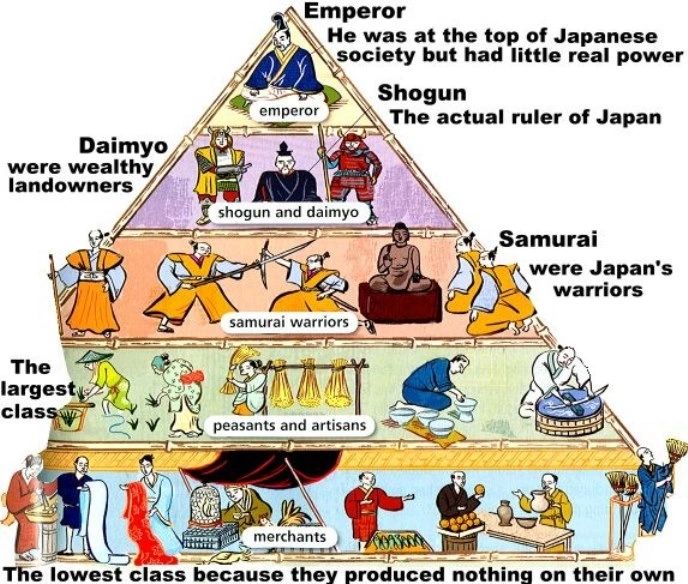
The term “daimyo” evokes images of feudal Japan, powerful samurai warriors, and intricate political landscapes. While often romanticized through the lens of martial prowess and cultural influence, the true bedrock of a daimyo’s enduring power and ability to shape history lay in their astute financial and economic management. Far from being mere warlords, daimyo were, in essence, the chief financial officers and CEOs of their domains, responsible for generating, protecting, and deploying wealth to maintain their authority, expand their influence, and ensure the prosperity – or at least the stability – of their territories. Understanding a daimyo requires delving into the sophisticated financial infrastructure that underpinned their feudal reign, offering compelling insights into resource management, strategic investment, and the enduring principles of wealth creation and preservation that resonate even in contemporary business finance.
The Financial Foundation of Feudal Power
At its core, a daimyo’s power was a direct reflection of their financial capacity. Unlike modern nation-states with diversified economies, the wealth of a daimyo was overwhelmingly agrarian, tied directly to the productivity of their land and the labor of their subjects. Their ability to command armies, construct castles, and patronize arts all flowed from a carefully managed system of resource extraction and allocation, making them central figures in the economic life of their respective regions.
Land as the Primary Asset
For any daimyo, land was not merely territory; it was the ultimate capital asset. The size, fertility, and strategic location of their domain directly determined their potential for wealth generation. Every parcel of agricultural land, particularly rice paddies, was meticulously assessed for its kokudaka – an estimated yield measured in koku (approximately 180 liters of rice), representing the amount of rice required to feed one person for one year. A daimyo’s rank and influence were often quantified by their kokudaka, with major daimyo commanding millions of koku. This system provided a clear, albeit agricultural, metric for assessing the economic capacity of a domain and, by extension, the financial muscle of its lord. Land management involved not just ownership but strategic development, including irrigation projects, new agricultural techniques, and the organization of labor to maximize yields, directly impacting the daimyo’s bottom line.
Revenue Streams: Taxation and Trade
The primary source of income for a daimyo was taxation, predominantly levied on agricultural produce. Farmers typically paid a significant portion of their harvest, often 40-60%, directly to their daimyo. This system, while seemingly simple, required sophisticated administrative structures to assess, collect, store, and distribute these resources. Rice, being the primary currency, was transported to central granaries, from where it would be used to pay retainers, supply armies, or be sold in urban markets for cash.
Beyond agricultural taxes, daimyo actively diversified their revenue streams. They levied duties on trade passing through their territories, controlled key ports and trade routes, and sometimes monopolized valuable resources like timber, minerals (gold, silver, copper), or specialized crafts. Some daimyo even fostered specific industries within their domains, such as pottery, textiles, or sake brewing, turning their territories into economic hubs. The profits from these ventures provided crucial liquid assets, allowing them to acquire goods not produced locally, fund infrastructure, or weather periods of poor harvests. The strategic control of trade and the development of local industries were early examples of economic diversification and strategic investment, aimed at securing financial stability beyond the fluctuations of agricultural output.
Managing the Domain: A Proto-Business Model
A daimyo’s domain can be viewed as a large, complex business enterprise, with the daimyo as its chief executive. They had to manage not only revenue generation but also significant expenditures, resource allocation, and long-term strategic planning to ensure the solvency and security of their “company.”
Resource Allocation and Budgeting
The annual budget of a daimyo was a monumental task, often far more intricate than managing a personal investment portfolio. They had to allocate resources to various critical sectors:
- Military: Maintaining a standing army of samurai, purchasing weapons, and funding campaigns were enormous costs. Daimyo had to constantly balance military readiness with their financial capacity, often leading to careful calculations of cost-benefit in times of peace and war.
- Administration: A vast bureaucracy was required to manage tax collection, justice, infrastructure, and communication across the domain. Salaries for officials, record-keeping, and general governance consumed a considerable portion of the budget.
- Infrastructure: Investing in roads, bridges, irrigation systems, and castle fortifications was essential for both economic development and defense. These long-term capital investments were critical for increasing agricultural output, facilitating trade, and securing the domain.
- Personal and Cultural Patronage: While often seen as extravagance, a daimyo’s patronage of arts, construction of temples, and elaborate lifestyles served important political and social functions. They projected power, attracted skilled artisans, and maintained the loyalty of their cultural and religious institutions, effectively contributing to their “brand” and soft power.
Effective budgeting was about more than just balancing the books; it was about strategic resource allocation that supported both immediate needs and long-term goals, such as increasing productivity or enhancing defensive capabilities.
Infrastructure Investment and Economic Development
Savvy daimyo understood that investment in infrastructure was not merely an expense but a critical driver of future prosperity. Irrigation projects increased agricultural yields, leading to higher tax revenues. Building and maintaining roads and waterways facilitated trade, generating more tolls and fostering urban growth, which in turn created new tax bases and markets. The construction of castles, while primarily defensive, also served as economic centers, attracting merchants, artisans, and laborers, stimulating local economies.

Some daimyo went further, actively promoting new technologies or crops, establishing mints for currency, or even creating postal systems. These initiatives were direct investments in the economic capacity and resilience of their domains, demonstrating an understanding of how capital expenditure could drive long-term growth and stability – a principle foundational to modern business finance.
Economic Strategy and Legacy
The financial landscape of feudal Japan was dynamic, fraught with political instability, natural disasters, and the constant threat of war. Daimyo, therefore, had to be shrewd economic strategists, capable of adapting to changing circumstances and making decisions with profound long-term implications.
Diversification and Innovation
Those daimyo who flourished often did so by not putting all their “eggs” (or rather, all their rice) in one basket. They diversified their economies beyond simple agriculture. For instance, the Mori clan, located in the western part of Honshu, developed formidable naval power and controlled crucial trade routes, deriving significant income from maritime commerce. The Satsuma domain, in the south, established a lucrative clandestine trade with the Ryukyu Kingdom (modern-day Okinawa) and China, bringing in valuable exotic goods and foreign currency.
Innovation was also key. Some daimyo encouraged mining operations, developed new agricultural strains, or supported textile manufacturing. These efforts not only generated additional income but also created economic resilience, making their domains less vulnerable to single-point failures like crop blights.
Debt, Warfare, and Financial Risk
Warfare was an incredibly expensive undertaking. Mobilizing, equipping, and supplying an army could quickly deplete a daimyo’s treasury. Many daimyo accumulated significant debt, borrowing from wealthy merchants or even temples, to finance military campaigns or large-scale construction projects. The financial burden of war often pushed domains to the brink of bankruptcy, highlighting the immense financial risks inherent in their position.
Furthermore, natural disasters like floods, droughts, or famines could cripple agricultural output for years, leading to widespread hardship and a drastic reduction in tax revenues. Daimyo had to maintain reserves, implement relief measures, and sometimes seek financial aid from others to mitigate these risks. Their ability to manage financial risk, balance long-term investments against immediate needs, and recover from setbacks defined their financial leadership.
Lessons in Long-Term Financial Stewardship
The historical role of the daimyo, when viewed through a financial lens, offers surprisingly relevant insights into wealth management, economic strategy, and governance that transcend their feudal context.
The Importance of Sound Governance
A stable and prosperous domain was predicated on sound governance. Daimyo who established clear legal codes, promoted justice, and maintained peace within their borders fostered an environment conducive to economic activity. Predictable taxation, fair dispute resolution, and protection against banditry encouraged farmers to produce more and merchants to trade more readily. These elements of good governance directly translated into higher tax revenues and a stronger economy, demonstrating that effective financial stewardship is inextricably linked to ethical and efficient leadership.
Building Sustainable Wealth
Ultimately, the most successful daimyo were those who understood that true power derived from sustainable wealth generation, not just momentary gains. They invested in their people, their land, and their infrastructure, creating economic systems that could endure beyond their own lifetimes. Their legacies were not just political or military, but also economic – domains that continued to prosper due to the foundations they had laid.
In an era defined by constant change and financial complexity, the saga of the daimyo reminds us that fundamental principles of resource management, strategic investment, diversification, and responsible governance remain timeless. Whether managing a feudal domain or a modern enterprise, understanding and diligently applying these principles are paramount for achieving lasting financial success and securing a robust legacy.
aViewFromTheCave is a participant in the Amazon Services LLC Associates Program, an affiliate advertising program designed to provide a means for sites to earn advertising fees by advertising and linking to Amazon.com. Amazon, the Amazon logo, AmazonSupply, and the AmazonSupply logo are trademarks of Amazon.com, Inc. or its affiliates. As an Amazon Associate we earn affiliate commissions from qualifying purchases.