
To the casual observer, Miami-Dade County—historically known and still frequently referred to simply as “Dade County”—is a landscape of neon lights, turquoise waters, and cultural vibrance. However, to the astute investor, business leader, and financial strategist, Dade County represents something far more significant: a sophisticated, high-growth economic engine that serves as the gateway to the Americas.
Understanding what Dade County is requires looking past the tourism brochures and examining the fiscal architecture that supports one of the most dynamic markets in the United States. It is a region defined by aggressive capital appreciation, a unique tax-friendly environment, and a strategic position in global logistics. For those looking to deploy capital, Dade County is less a location and more a diversified asset class.
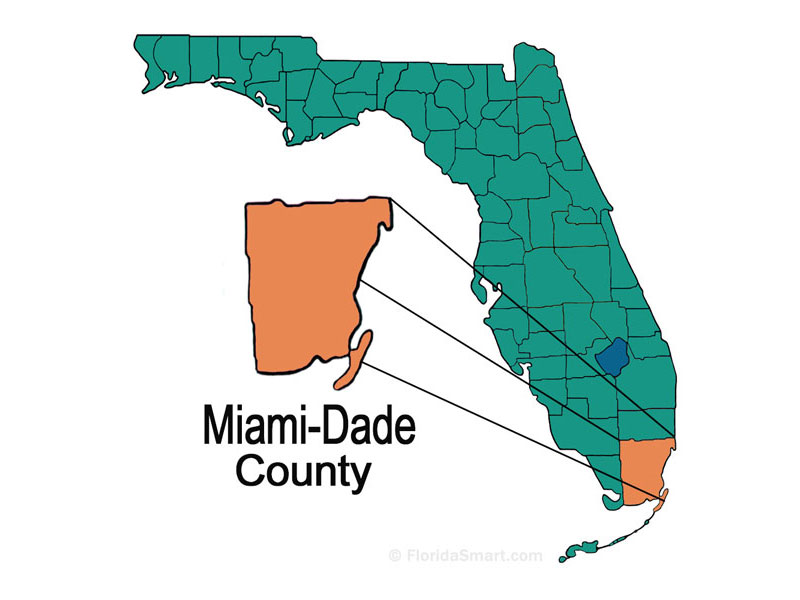
The Economic Infrastructure of Miami-Dade
At its core, Dade County is a multi-sector economic powerhouse with a Gross Domestic Product that rivals many mid-sized nations. Its strength lies in a diversified revenue base that prevents it from being overly reliant on a single industry, though certain sectors act as primary catalysts for wealth creation.
Logistics and Global Trade: The “Gateway” Effect
The economic identity of Dade County is inextricably linked to its geography. PortMiami and Miami International Airport (MIA) are the dual pillars of its international trade infrastructure. PortMiami is known as the “Cruise Capital of the World,” but its true financial weight lies in its cargo throughput, facilitating billions of dollars in annual trade between the U.S., Latin America, and Europe.
For investors, this logistics hub creates a ripple effect in the industrial real estate market. The demand for “last-mile” delivery centers and large-scale warehousing near the airport and seaport has driven industrial rents to historic highs. Investing in the logistics corridor of Dade County has become a cornerstone strategy for institutional real estate firms.
The Tourism and Hospitality Juggernaut
While diversification is key, one cannot discuss the money moving through Dade County without acknowledging the hospitality sector. This is not merely about hotel bookings; it is about a massive ecosystem of high-end retail, luxury services, and entertainment. The county’s ability to attract international “ultra-high-net-worth individuals” (UHNWIs) creates a constant inflow of foreign capital. This spending supports a robust tax base, allowing the county to fund infrastructure projects without the burden of a local income tax, further enhancing its appeal to domestic residents moving from high-tax states.
The Real Estate Market: Residential and Commercial Trends
The most visible sign of Dade County’s economic vitality is its skyline. Over the last decade, the region has transitioned from a cyclical boom-and-bust market to a mature, global real estate destination.
High-Yield Rental Markets and Residential Appreciation
The residential market in Dade County has undergone a fundamental shift. Historically seen as a secondary home market, it has evolved into a primary residence hub for executives and entrepreneurs. Areas like Brickell, Coral Gables, and Coconut Grove have seen unprecedented price appreciation.
From a personal finance perspective, the “buy-to-rent” model in Dade County has shifted toward luxury long-term rentals. With a steady influx of high-earning professionals relocating from the Northeast and California, the demand for premium housing far outstrips supply. This supply-demand imbalance has created a lucrative environment for real estate investment trusts (REITs) and private equity firms who are banking on continued migration trends.
Commercial Office Space and the “Flight to Quality”
While many metropolitan areas across the U.S. have struggled with office vacancy rates in the post-pandemic era, Dade County’s “Class A” office market has shown remarkable resilience. The “flight to quality” is a dominant trend here, with firms seeking trophy assets in walkable, amenity-rich neighborhoods.
The development of the “Underline”—a linear park and urban trail—and the expansion of the Brightline high-speed rail system have redirected commercial interest toward transit-oriented developments. Investors are increasingly looking at commercial assets that integrate work, life, and transport, viewing these as the safest hedges against market volatility.
Miami-Dade as “Wall Street South”: The Financial Services Migration

In recent years, the phrase “What is Dade County?” has been answered by a new moniker: Wall Street South. This isn’t just marketing hyperbole; it is a documented migration of institutional capital and financial services firms.
Tax Incentives and the Regulatory Environment
The primary driver of this migration is the fiscal advantage. Florida’s lack of a state income tax, combined with Miami-Dade’s proactive business-friendly local government, provides a compelling “tax alpha” for high-earning fund managers and corporate entities. When a hedge fund or private equity firm moves its headquarters from Manhattan or Greenwich to Brickell, the savings on state and local taxes can amount to millions of dollars annually—capital that is then reinvested into the local economy.
Venture Capital and the Tech-Finance Convergence
Dade County has also become a focal point for the convergence of traditional finance and emerging technology. The “Miami Tech” movement, championed by local leadership, has successfully attracted significant venture capital. This has created a secondary market for investment: early-stage startups.
For the angel investor or venture capitalist, Dade County offers a growing ecosystem of accelerators and tech hubs. The focus is often on “FinTech,” “PropTech,” and “HealthTech,” leveraging the county’s existing strengths in banking, real estate, and its massive healthcare networks like the University of Miami Health System. This diversification into technology ensures that the county’s wealth is not just tied to physical assets but also to intellectual property and digital innovation.
Strategic Investment Opportunities in the County
Beyond the high-rise towers of downtown, Dade County offers a variety of nuanced investment avenues for those willing to look at the broader regional development.
Small Business and Entrepreneurial Support
The entrepreneurial spirit is the lifeblood of Dade County. It consistently ranks as one of the top regions in the U.S. for new business startups per capita. For the business-minded individual, this presents opportunities in the form of private lending, franchise ownership, or service-based businesses that cater to the growing population. The county’s Small Business Development (SBD) programs provide a structured environment for minority-owned and small businesses to compete for government contracts, creating a stable pipeline of revenue for local enterprises.
Opportunity Zones and Long-Term Appreciation
Investors looking for tax-efficient vehicles have utilized the federal Opportunity Zone program extensively within Dade County. By reinvesting capital gains into designated distressed communities—many of which are in the path of urban expansion—investors can defer or eliminate capital gains taxes while contributing to the revitalization of neighborhoods like Wynwood Norte or parts of Little Haiti. These investments are play-books for long-term wealth building, focusing on 10-year horizons where the eventual appreciation is shielded from significant tax liability.
Navigating the Risks: Climate Resilience and Market Volatility
No professional financial analysis of Dade County would be complete without addressing the risks. To understand what Dade County is, one must also understand its challenges.
Climate Resilience as a Capital Expense
Climate change and sea-level rise are often cited as long-term threats to the region. However, Dade County has responded by treating climate resilience as a necessary infrastructure investment. The “Sea Level Rise Strategy” involves billions of dollars in projected spending on pump stations, elevated roads, and sea walls.
For the investor, this means two things: first, an increased importance on due diligence regarding the elevation and flood-proofing of physical assets; and second, an opportunity to invest in the “Blue Economy”—the firms and technologies dedicated to water management and resilient construction. The county’s commitment to self-preservation through fiscal allocation is a key indicator of its long-term viability.
Market Volatility and Inflation Hedges
Like any high-growth market, Dade County is susceptible to inflationary pressures and interest rate fluctuations. The cost of living has risen sharply, which can impact the labor market. However, many investors view Dade County real estate and business equity as a “hard asset” hedge against inflation. Because the demand is driven by global wealth and not just local wages, the market often operates on a different plane than the broader U.S. economy, providing a level of decoupling that can be beneficial for a diversified portfolio.

Conclusion: The Evolving Definition of Dade County
What is Dade County? It is no longer just a destination for retirees or a transit point for tourists. From a financial perspective, it is a sophisticated, multi-layered economic zone that rewards strategic capital deployment. It is a region where tax policy, global trade, and a relentless influx of human capital converge to create a unique environment for wealth accumulation.
Whether it is through the acquisition of commercial real estate in the financial district, backing a FinTech startup in Wynwood, or leveraging the logistical advantages of the airport corridor, the opportunities within Miami-Dade are vast. For the modern investor, Dade County represents the future of the American economy—global, resilient, and unapologetically pro-growth. Understanding this shift is the first step in capitalizing on one of the most significant wealth-creation stories of the 21st century.
aViewFromTheCave is a participant in the Amazon Services LLC Associates Program, an affiliate advertising program designed to provide a means for sites to earn advertising fees by advertising and linking to Amazon.com. Amazon, the Amazon logo, AmazonSupply, and the AmazonSupply logo are trademarks of Amazon.com, Inc. or its affiliates. As an Amazon Associate we earn affiliate commissions from qualifying purchases.