
The Evolving Landscape of Digital Personal Space
In the age of ubiquitous connectivity, the concept of personal space has undergone a profound transformation. What was once confined to the physical boundaries of our homes and immediate surroundings now extends into the digital realm. This expansion necessitates a re-evaluation of how we define and protect our most sensitive information. The title “What is Curtilage?” in a digital context immediately evokes the idea of a protected zone, a sanctuary for our personal data and online activities. Just as curtilage traditionally refers to the area immediately surrounding a dwelling, offering it a degree of privacy and protection under the law, in the digital sphere, it represents the boundaries we establish and the tools we employ to safeguard our online lives. This article will explore the multifaceted nature of digital curtilage, examining its critical importance in today’s interconnected world, the threats it faces, and the strategies individuals and organizations can adopt to fortify their digital sanctuaries.
Understanding the Digital Curtilage Concept
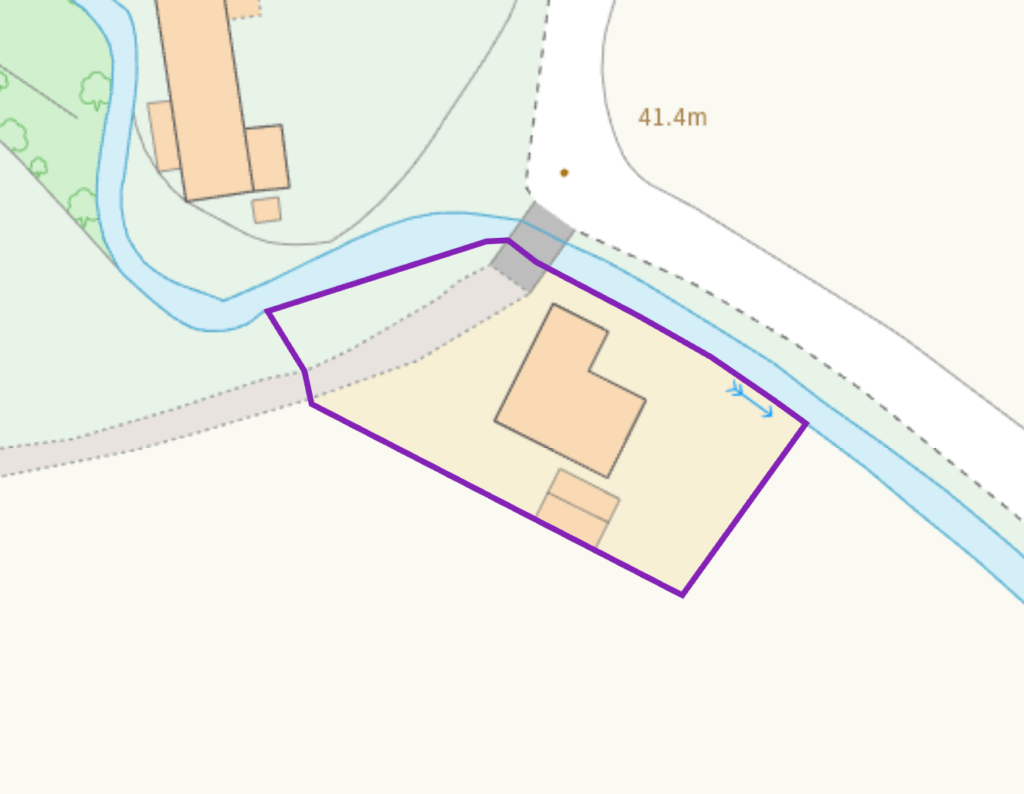
The traditional legal definition of curtilage, originating from common law, pertains to the area of land surrounding a dwelling house that is considered an extension of the home itself. This area is typically enclosed or otherwise closely associated with the dwelling and is where the ordinary activities of home life take place. It enjoys a higher expectation of privacy than more open land. When we transpose this concept to the digital world, we are essentially talking about the personal digital environment that surrounds an individual’s online presence, encompassing their devices, accounts, online activities, and the data generated from these interactions.
Beyond the Physical: The Intangible Nature of Digital Boundaries
Unlike its physical counterpart, digital curtilage is not defined by fences or property lines. Instead, it is an intangible construct built upon layers of technology, user settings, and privacy policies. It represents the space where an individual conducts their digital life, from browsing the web and engaging on social media to managing finances and communicating with others. This digital sphere is where our personal information – our thoughts, opinions, habits, and relationships – resides, making its protection paramount. The challenge lies in the fact that these boundaries are fluid, constantly being tested and redefined by technological advancements and evolving user behaviors.
The Personal Digital Footprint: A Constantly Expanding Territory
Every interaction we have online contributes to our personal digital footprint. This footprint is not static; it is a dynamic and ever-expanding territory that forms the core of our digital curtilage. It includes:
- Devices: Smartphones, laptops, tablets, smart home devices – each a portal to our digital lives. The data stored on and transmitted by these devices is a direct extension of our personal space.
- Accounts and Services: Email accounts, social media profiles, online banking, cloud storage, streaming services – these platforms house vast amounts of personal data and serve as access points to our digital identities.
- Online Activities: Browsing history, search queries, online purchases, app usage, location data – these records paint a detailed picture of our interests, behaviors, and routines.
- Communications: Emails, instant messages, video calls, and social media interactions – these digital exchanges are the modern equivalent of private conversations, deserving of robust protection.
The aggregation and analysis of this data can reveal intimate details about an individual, making the protection of this expansive digital territory a critical concern for privacy and security.
Threats to Digital Curtilage: The Pervasive Dangers in Cyberspace
The digital realm, while offering unprecedented convenience and connectivity, is also fraught with dangers that threaten to breach our digital curtilage. These threats are sophisticated, persistent, and constantly evolving, demanding a proactive and multi-layered approach to defense. Understanding these adversaries and their methodologies is the first step in fortifying our digital boundaries.
Malicious Actors and Their Arsenal
The primary threats to digital curtilage come from malicious actors, ranging from opportunistic cybercriminals to state-sponsored entities. Their motivations are diverse, including financial gain, espionage, disruption, and ideological agendas. Their tools and techniques are equally varied and continually refined.
Cybercrime: The Ever-Present Economic Threat
Cybercriminals are motivated by profit and employ a wide array of tactics to compromise digital curtilage. This includes:
- Malware and Ransomware: Malicious software designed to infiltrate devices, steal data, or encrypt it for ransom. This directly invades the user’s personal devices and can render their data inaccessible.
- Phishing and Social Engineering: Deceptive practices designed to trick individuals into divulging sensitive information, such as login credentials or financial details. These attacks exploit human psychology to bypass technical defenses.
- Identity Theft: The unauthorized use of personal information for fraudulent purposes, such as opening credit accounts or committing crimes in another’s name. This is a direct violation of an individual’s digital identity.
- Data Breaches: The unauthorized access to and exfiltration of large volumes of sensitive data from organizations, which often includes personal information of their customers and employees.
Espionage and Surveillance: The State-Sponsored Invasion
Government agencies and state-sponsored actors may engage in digital surveillance and espionage, seeking to gather intelligence on individuals, organizations, or even entire populations. This can involve sophisticated methods for intercepting communications, tracking online activities, and accessing sensitive data stored by third parties. The implications for personal privacy and freedom of expression are significant.
Insider Threats: The Unseen Vulnerability
Not all threats originate from external sources. Insiders, such as disgruntled employees or individuals with privileged access within an organization, can pose a significant risk to digital curtilage. Their actions, whether intentional or accidental, can lead to data leaks, unauthorized access, and system compromises.
Vulnerabilities in the Digital Infrastructure
Beyond direct attacks, vulnerabilities within the digital infrastructure itself can expose our personal data. These include:
- Weak Security Practices: Inadequate password management, unpatched software, and the absence of multi-factor authentication create easy entry points for attackers.
- Insecure Network Connections: Public Wi-Fi networks, unencrypted communications, and poorly configured routers can expose data to interception.
- Third-Party Risk: Organizations often share data with third-party vendors, and vulnerabilities in these vendors’ security can lead to breaches affecting their clients’ data.
- The Internet of Things (IoT) Ecosystem: The proliferation of connected devices, many of which have rudimentary security, creates a vast and often vulnerable attack surface, extending our digital curtilage into unexpected and often unprotected areas.
Fortifying Digital Curtilage: Strategies for Enhanced Security and Privacy
Protecting our digital curtilage requires a comprehensive and proactive approach, integrating technological solutions with informed user practices. It’s a continuous effort, as the threats and vulnerabilities are constantly evolving. Building robust digital defenses is not merely about preventing breaches; it’s about maintaining control over our personal information and safeguarding our digital autonomy.
Technological Safeguards: The First Line of Defense
Leveraging the right technological tools is fundamental to establishing and maintaining digital curtilage. These tools act as digital fences, encryption layers, and surveillance systems for our online environment.

Robust Authentication and Access Control
- Multi-Factor Authentication (MFA): The cornerstone of modern account security, MFA adds layers of verification beyond a simple password, significantly reducing the risk of unauthorized access. This could involve something you know (password), something you have (phone for a code), or something you are (fingerprint).
- Strong, Unique Passwords: Utilizing password managers to generate and store complex, unique passwords for every online account is crucial. Reusing passwords across multiple platforms is a major security vulnerability.
- Principle of Least Privilege: For organizational settings, ensuring that users and systems only have access to the information and resources absolutely necessary for their function minimizes the potential damage from a compromise.
Encryption: The Digital Cloak of Invisibility
Encryption is the process of encoding data so that it can only be understood by authorized parties. It’s a vital tool for protecting data both in transit and at rest.
- End-to-End Encryption (E2EE): Commonly found in messaging apps like Signal and WhatsApp, E2EE ensures that only the sender and intended recipient can read messages, making them unreadable even to the service provider.
- Full Disk Encryption: Encrypting the entire storage of a device (laptop, smartphone) renders the data inaccessible if the device is lost or stolen, provided the encryption key is not compromised.
- HTTPS Everywhere: Ensuring that all web browsing occurs over secure HTTPS connections encrypts the communication between your browser and the website, protecting it from eavesdropping.
Network Security Measures
- Virtual Private Networks (VPNs): VPNs create an encrypted tunnel for internet traffic, masking your IP address and encrypting your data, especially useful when using public Wi-Fi.
- Firewalls and Intrusion Detection Systems: These act as digital gatekeepers, monitoring network traffic for suspicious activity and blocking unauthorized access attempts.
- Secure Wi-Fi Networks: Using strong WPA2/WPA3 encryption for home Wi-Fi networks and avoiding unsecured public Wi-Fi for sensitive transactions.
User Practices and Awareness: The Human Element of Security
Technology alone is not enough. Informed and vigilant user behavior is an indispensable component of a strong digital curtilage.
Digital Hygiene and Safe Browsing Habits
- Be Wary of Phishing and Social Engineering: Critically evaluate unsolicited emails, messages, and links. Verify the legitimacy of requests for personal information by independent means.
- Regular Software Updates: Keeping operating systems, applications, and antivirus software up-to-date patches known vulnerabilities that attackers exploit.
- Mindful Data Sharing: Think twice before sharing personal information online. Review privacy settings on social media and other platforms regularly.
- Secure Device Disposal: When disposing of old devices, ensure all data is securely erased to prevent it from falling into the wrong hands.
Privacy Settings and Permissions Management
- Audit App Permissions: Regularly review the permissions granted to mobile and desktop applications. Revoke access to data that is not essential for the app’s functionality.
- Understand Service Privacy Policies: While often lengthy, understanding the basic privacy policies of services you use can reveal how your data is collected, stored, and shared.
- Utilize Privacy-Focused Browsers and Search Engines: Options like Brave, DuckDuckGo, and Tor can offer enhanced privacy by blocking trackers and anonymizing browsing activity.
Developing a Digital Security Mindset
Cultivating a proactive and security-conscious mindset is perhaps the most powerful defense. This involves:
- Regularly Assessing Your Digital Footprint: Understand what information about you is publicly available and take steps to reduce its exposure.
- Staying Informed About Emerging Threats: The cybersecurity landscape is dynamic. Staying informed about new threats and vulnerabilities allows for timely adaptation of defenses.
- Practicing Digital Minimalism: Consider the necessity of each digital service and device you use. Reducing your digital footprint can inherently enhance your security and privacy.
The Future of Digital Curtilage: Adapting to an Ever-Changing Landscape
The concept of digital curtilage is not static; it is a dynamic and evolving construct that will continue to be shaped by technological advancements, societal norms, and regulatory frameworks. As our lives become even more intertwined with the digital world, the importance of understanding and protecting our digital sanctuaries will only intensify.
Emerging Technologies and Their Impact
The proliferation of new technologies presents both opportunities and challenges for digital curtilage.
Artificial Intelligence and Machine Learning
AI can be a double-edged sword. On one hand, AI-powered security tools can detect sophisticated threats more effectively, enhancing our defenses. On the other hand, AI can also be used by malicious actors to craft more convincing phishing attacks, generate deepfakes, and automate large-scale data exploitation. Understanding how AI impacts our digital curtilage is crucial.
The Metaverse and Extended Reality (XR)
As immersive digital environments like the metaverse become more prevalent, they will introduce new dimensions of personal space and data generation. The sensory data, behavioral patterns, and virtual possessions within these spaces will become integral to our digital curtilage, demanding new forms of protection and privacy considerations.
Blockchain and Decentralization
Technologies like blockchain offer the potential for greater user control over data through decentralized systems and verifiable digital identities. This could lead to a future where individuals have more agency in managing their digital curtilage, deciding who can access their information and under what conditions.
Regulatory and Ethical Considerations
Governments and international bodies are increasingly recognizing the importance of digital privacy. New regulations like the GDPR and CCPA are setting standards for data protection, impacting how organizations handle personal information and, by extension, how individuals can expect their digital curtilage to be respected. Ethical discussions surrounding data ownership, algorithmic transparency, and the responsible use of AI will continue to shape the future of digital privacy.

The Ongoing Evolution of Personal Digital Boundaries
Ultimately, the future of digital curtilage will be defined by a continuous adaptation to new technologies and a growing awareness of the value of our personal digital space. It will require a collaborative effort between individuals, technology providers, policymakers, and security experts to ensure that our digital lives are as secure, private, and empowering as our physical ones. By understanding what constitutes our digital curtilage, recognizing the threats it faces, and actively implementing protective measures, we can navigate the complexities of the digital frontier with greater confidence and control.
aViewFromTheCave is a participant in the Amazon Services LLC Associates Program, an affiliate advertising program designed to provide a means for sites to earn advertising fees by advertising and linking to Amazon.com. Amazon, the Amazon logo, AmazonSupply, and the AmazonSupply logo are trademarks of Amazon.com, Inc. or its affiliates. As an Amazon Associate we earn affiliate commissions from qualifying purchases.