
For countless active-duty service members, veterans, and eligible surviving spouses, the dream of homeownership is not just a personal aspiration but a well-deserved benefit earned through dedicated service. The VA home loan program stands as a cornerstone of this dream, offering unique advantages that set it apart from conventional mortgage options. At the heart of any home loan is the interest rate – a critical factor that dictates the long-term affordability and overall cost of borrowing. Understanding “what is the current VA interest rate” is therefore paramount for anyone considering this powerful financial tool.
It’s crucial to clarify from the outset that there isn’t one single, universal “current VA interest rate” that applies to everyone at any given moment. Instead, VA interest rates are dynamic, influenced by a confluence of economic factors, lender-specific policies, and individual borrower profiles. They fluctuate daily, sometimes even hourly, mirroring the broader mortgage market. This article will delve into the intricacies of VA loan interest rates, exploring the factors that shape them, the unparalleled benefits they offer, and how aspiring homeowners can navigate the process to secure the most favorable terms.
Understanding the Landscape of VA Loan Interest Rates
The VA loan program, guaranteed by the U.S. Department of Veterans Affairs, is designed to help eligible individuals purchase, build, repair, retain, or adapt a home for their personal occupancy. While the VA guarantees a portion of the loan, it does not directly lend money or set interest rates. Instead, private lenders – banks, credit unions, and mortgage companies – originate these loans, determining their own rates based on market conditions and their risk assessment.
The VA Loan Advantage: A Brief Overview
The fundamental appeal of a VA loan lies in its unique benefits. Historically, these loans have offered some of the most competitive interest rates in the market, often comparable to or even lower than conventional rates, particularly for borrowers with less-than-perfect credit. Beyond just the rate, the program’s most celebrated features include:
- No Down Payment: For most eligible borrowers, a VA loan allows for 100% financing, eliminating the significant hurdle of accumulating a large down payment.
- No Private Mortgage Insurance (PMI): Unlike conventional loans with less than 20% equity or FHA loans, VA loans do not require PMI, which can save borrowers hundreds of dollars per month.
- Limited Closing Costs: The VA limits what lenders can charge veterans in closing costs, and sellers are often permitted to pay certain closing costs on behalf of the buyer.
- Assumable Loans: In some cases, VA loans can be assumed by another eligible borrower, which can be an attractive feature in a rising interest rate environment.
These advantages collectively make the VA loan a profoundly cost-effective and accessible pathway to homeownership, even before considering the specific interest rate.
How VA Rates Differ from Conventional and FHA Loans
While VA loans often boast competitive rates, it’s important to understand the nuances compared to other loan types. Conventional loans, which are not government-backed, are highly dependent on the borrower’s credit score and down payment size. A higher credit score and larger down payment typically translate to lower conventional rates. FHA loans, backed by the Federal Housing Administration, offer more flexible credit requirements and lower down payment options than conventional loans but always require mortgage insurance premiums (MIP), both upfront and annual, which adds to the overall cost.
VA loan rates, on the other hand, often remain competitive even for borrowers with credit scores that might lead to higher rates or PMI requirements on conventional loans. The government guarantee mitigates risk for lenders, allowing them to offer more favorable terms. This doesn’t mean credit isn’t important for a VA loan – a better credit score will still generally secure a better VA rate – but the floor for eligibility and competitive pricing is often lower than with conventional financing.
The Dynamic Nature of Interest Rates
The “current” VA interest rate is a moving target. Mortgage rates, including VA rates, are primarily tied to the bond market, specifically the performance of mortgage-backed securities (MBS). When bond yields rise, mortgage rates generally follow suit, and vice versa. This relationship is complex and influenced by a multitude of economic indicators and global events:
- Inflation: Higher inflation often leads to higher interest rates as lenders seek to maintain purchasing power.
- Federal Reserve Policy: While the Fed doesn’t directly set mortgage rates, its actions regarding the federal funds rate and quantitative easing/tightening policies profoundly impact the broader economic environment and, consequently, mortgage rates.
- Economic Growth: Strong economic growth can lead to higher rates as demand for credit increases and concerns about inflation may rise.
- Global Events: Geopolitical instability or significant international economic shifts can also send ripples through the bond market and affect rates.
Because of these constant fluctuations, the best strategy for borrowers is to focus on understanding the factors that influence their specific rate and how to secure the best possible terms at the time they are ready to borrow.
Factors Influencing Your VA Loan Interest Rate
While external market forces play a significant role, an individual’s VA loan interest rate is also shaped by several internal factors related to the borrower and the specific loan product.
Market Conditions: The Economic Tides
As discussed, prevailing economic conditions are the largest external determinant of mortgage rates. Lenders react to signals from the bond market, inflation reports, employment data, and central bank announcements. When the economic outlook is uncertain, or when investors seek safer assets, bond yields (and thus mortgage rates) can fall. Conversely, robust economic growth or rising inflation expectations typically push rates higher. Therefore, staying informed about broader economic trends is helpful, though borrowers cannot directly control them.
Lender-Specific Adjustments: Spreads and Overlays
Each private lender has its own operational costs, risk appetite, and profit margins. This means that even on the same day, different lenders will offer slightly different VA interest rates for the same borrower profile. Lenders determine their “spread” over the underlying bond yield and may apply “overlays” – additional requirements or pricing adjustments – based on their internal credit policies or current loan volume. This is why shopping around multiple lenders is a crucial step in securing the best rate.
Borrower Profile: Credit Score and DTI
While VA loans are known for their leniency, an individual’s financial health remains a significant factor in determining their specific interest rate.
- Credit Score: A higher credit score signals a lower risk to lenders, almost invariably resulting in a lower interest rate. While the VA itself doesn’t set a minimum credit score, most lenders require a FICO score of 620 or higher. Borrowers with excellent credit (e.g., 740+) can expect to qualify for the most competitive rates.
- Debt-to-Income (DTI) Ratio: This ratio compares your total monthly debt payments to your gross monthly income. A lower DTI indicates that you have more disposable income to manage your mortgage payments, making you a less risky borrower. While the VA does not have a strict DTI limit, most lenders prefer a DTI below 41-43%. A higher DTI might not disqualify you but could lead to a slightly higher interest rate or more scrutiny from underwriters.
- Residual Income: Unique to VA loans, residual income is the amount of money left over each month after all major expenses (including the new mortgage payment) are paid. The VA sets minimum residual income requirements based on family size and region. Meeting these thresholds is crucial for approval and indirectly contributes to a lender’s confidence, potentially impacting rate offers.
Loan Specifics: Type and Term
The type of VA loan and its term also influence the interest rate.
- Fixed-Rate vs. Adjustable-Rate Mortgages (ARMs): Most VA loans are fixed-rate mortgages, where the interest rate remains constant for the life of the loan. VA also offers adjustable-rate mortgages (ARMs), which typically start with a lower interest rate for an initial period (e.g., 3 or 5 years) before adjusting periodically based on an index. While ARMs can offer lower initial rates, they carry the risk of future rate increases. The stability of fixed-rate loans often makes them preferable for long-term homeownership.
- Loan Term: The most common VA loan terms are 30-year and 15-year mortgages. Generally, 15-year fixed-rate mortgages come with lower interest rates than 30-year fixed-rate mortgages, as the lender is taking on less long-term risk and recouping their capital faster. However, the shorter term means higher monthly payments.
- VA Funding Fee: While not an interest rate factor, the VA Funding Fee is an upfront cost that most VA borrowers pay to help offset the program’s cost to taxpayers. It can be financed into the loan, increasing the loan amount slightly, or paid upfront. The fee varies based on military category, down payment amount, and whether it’s a first-time or subsequent use of the benefit.
Navigating the VA Loan Application and Rate Shopping Process
Securing the best possible VA interest rate involves more than just waiting for market conditions to be favorable. It requires proactive steps and diligent research on the part of the borrower.
Getting Your Certificate of Eligibility (COE)
The first critical step in any VA loan process is obtaining your Certificate of Eligibility (COE). This document confirms to lenders that you meet the VA’s service requirements for a home loan benefit. You can obtain your COE through the VA’s eBenefits portal, by mail, or often, a VA-approved lender can help you retrieve it. Without a COE, you cannot proceed with a VA loan.
Pre-Approval: Setting the Stage
Once you have your COE, the next step is to get pre-approved for a VA loan. A pre-approval involves a lender reviewing your financial information (credit, income, assets) to determine how much you can borrow and at what preliminary interest rate. This step is vital for several reasons:
- It gives you a clear budget for your home search.
- It demonstrates to sellers that you are a serious and qualified buyer.
- It provides an early indication of the interest rate you might expect.
It’s important to understand that a pre-approval rate is not a locked rate; it’s an estimate based on current market conditions and your financial profile at that moment.
Shopping for Lenders: Beyond the First Quote
This is arguably the most crucial step for securing a competitive VA interest rate. Do not settle for the first quote you receive. Contact multiple VA-approved lenders – banks, credit unions, and dedicated mortgage brokers specializing in VA loans. Each lender has different pricing models, overheads, and rate sheets. Even a quarter-point difference in the interest rate can save tens of thousands of dollars over the life of a 30-year loan.
When comparing offers, look beyond just the interest rate. Consider:
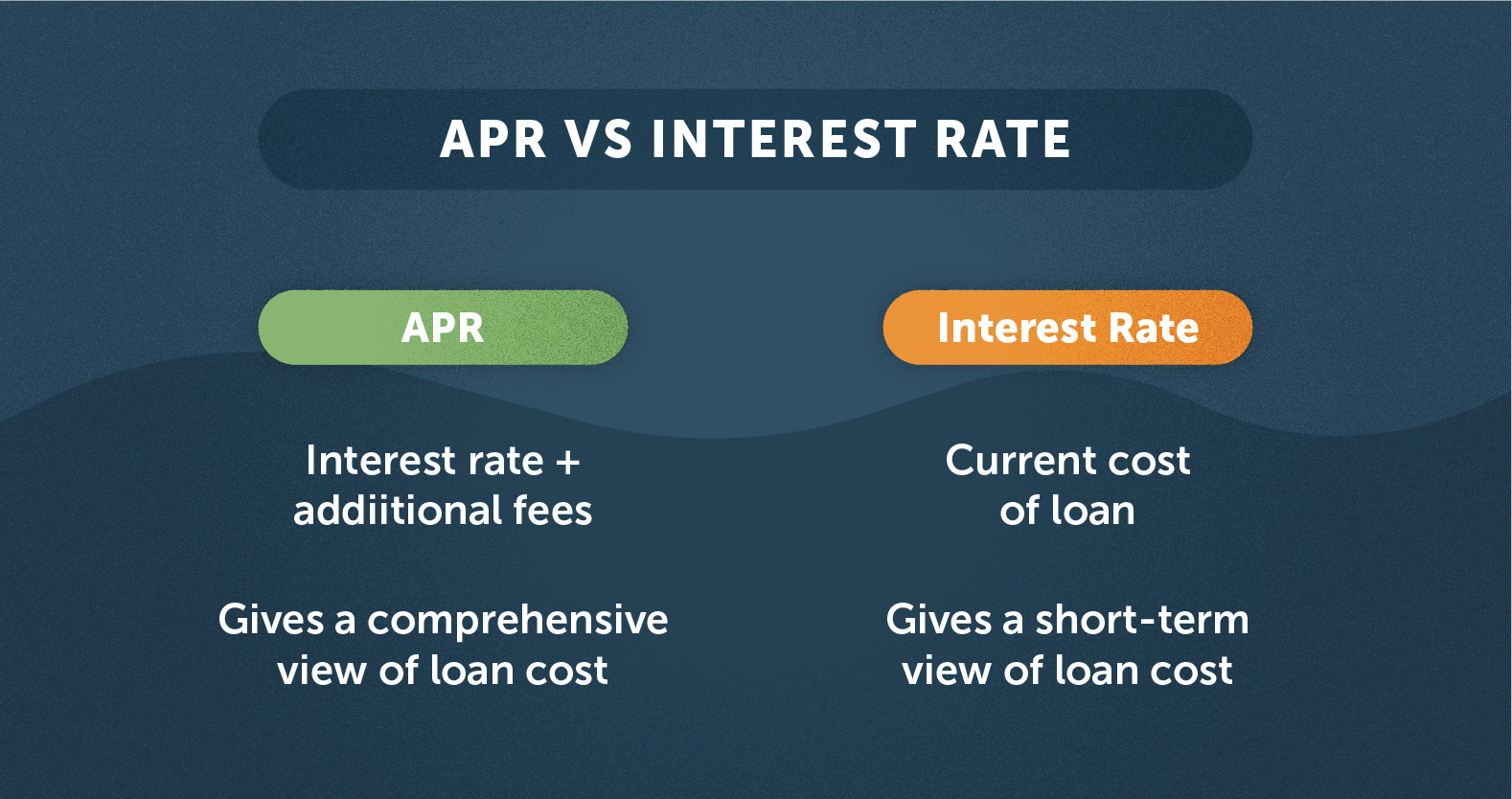
- APR (Annual Percentage Rate): This metric provides a more holistic view of the loan’s cost, including the interest rate and certain closing costs and fees.
- Loan Fees: Compare origination fees, processing fees, and other charges.
- Customer Service: A responsive and knowledgeable loan officer can make a significant difference in the smoothness of the process.
- Reputation: Research lender reviews and track records.
Aim to get at least three to five quotes within a short period (e.g., 1-2 weeks), as this minimizes the impact of market fluctuations and allows you to make a direct comparison.
Rate Locks: Securing Your Terms
Once you’ve found a lender offering a competitive rate and you’re nearing the closing of your home purchase, you can “lock in” your interest rate. A rate lock guarantees that your interest rate will not change between the time you lock it and the closing date, usually for a period of 30, 45, or 60 days. This protects you from potential rate increases.
However, be mindful of:
- Lock Period: Ensure the lock period is sufficient for your anticipated closing date. Extending a lock can incur fees.
- Float-Down Option: Some lenders offer a “float-down” option, allowing you to secure a lower rate if market rates drop significantly before your closing, for an additional fee.
- Cost: While most rate locks are free for a standard period, some lenders may charge for longer lock periods or float-down options.
Looking Ahead: Market Trends and Your VA Loan
Understanding the current VA interest rate is not just about a snapshot in time, but also about appreciating the ongoing dynamics that shape it. For existing homeowners with a VA loan, monitoring these trends can open opportunities for refinancing. For prospective buyers, it informs the timing of their home purchase.
Monitoring Economic Indicators
Keeping an eye on key economic reports can offer insights into potential future rate movements. These include:
- Consumer Price Index (CPI): A measure of inflation.
- Employment Reports: Non-farm payrolls, unemployment rate.
- Gross Domestic Product (GDP): A broad measure of economic activity.
- Retail Sales: Indicates consumer spending.
While individual borrowers don’t need to become economists, being aware of general economic sentiment can help in deciding when to act on a rate lock or consider a refinance.
The Impact of Federal Reserve Policy
The Federal Reserve’s monetary policy, particularly its decisions on the federal funds rate and its bond-buying programs, significantly influences the overall interest rate environment. While the federal funds rate doesn’t directly dictate mortgage rates, it sets the tone for borrowing costs across the economy. When the Fed raises rates, it typically signals an effort to combat inflation, which can lead to higher mortgage rates. Conversely, rate cuts are often aimed at stimulating economic growth, potentially leading to lower mortgage rates.
When to Refinance: Opportunities for Lower Rates
For current VA homeowners, a declining interest rate environment presents an opportunity to refinance through programs like the VA Streamline Refinance (Interest Rate Reduction Refinance Loan or IRRRL) or a VA Cash-Out Refinance.
- IRRRL: This program allows eligible veterans to refinance their existing VA loan to a lower interest rate or convert an ARM to a fixed-rate mortgage with minimal paperwork, no appraisal, and often no income verification. The primary goal is to reduce the interest rate.
- VA Cash-Out Refinance: This option allows veterans to take cash out of their home equity for various purposes (e.g., debt consolidation, home improvements) by refinancing their existing mortgage (VA or non-VA) into a new VA loan.
Both options allow veterans to potentially reduce their monthly payments, save money over the loan’s life, or access home equity, provided current rates are more favorable than their existing loan.
In conclusion, understanding “what is the current VA interest rate” involves appreciating the interplay of global economic forces, individual lender policies, and personal financial readiness. While rates constantly fluctuate, the VA loan program consistently offers some of the most advantageous terms in the market, making homeownership a tangible reality for those who have served our nation. By being informed, proactive, and diligently shopping for lenders, eligible borrowers can confidently navigate the market and secure a VA loan that serves their financial future effectively.
aViewFromTheCave is a participant in the Amazon Services LLC Associates Program, an affiliate advertising program designed to provide a means for sites to earn advertising fees by advertising and linking to Amazon.com. Amazon, the Amazon logo, AmazonSupply, and the AmazonSupply logo are trademarks of Amazon.com, Inc. or its affiliates. As an Amazon Associate we earn affiliate commissions from qualifying purchases.