
Navigating the world of homeownership often begins with a fundamental question: “What is the current mortgage loan rate?” This seemingly simple query unlocks a complex web of economic indicators, personal financial health, and strategic decisions that collectively dictate the cost of your largest asset. Mortgage rates are dynamic, fluctuating daily, sometimes hourly, in response to global and domestic economic shifts. For prospective homebuyers, existing homeowners considering refinancing, or even financial observers, understanding these rates is paramount. They directly impact monthly payments, the total cost of a loan over its lifetime, and ultimately, housing affordability and market activity. This article will delve into the intricacies of mortgage rates, exploring the forces that shape them, the various types available, and actionable strategies for securing the most favorable terms for your financial future.
Understanding Mortgage Interest Rates
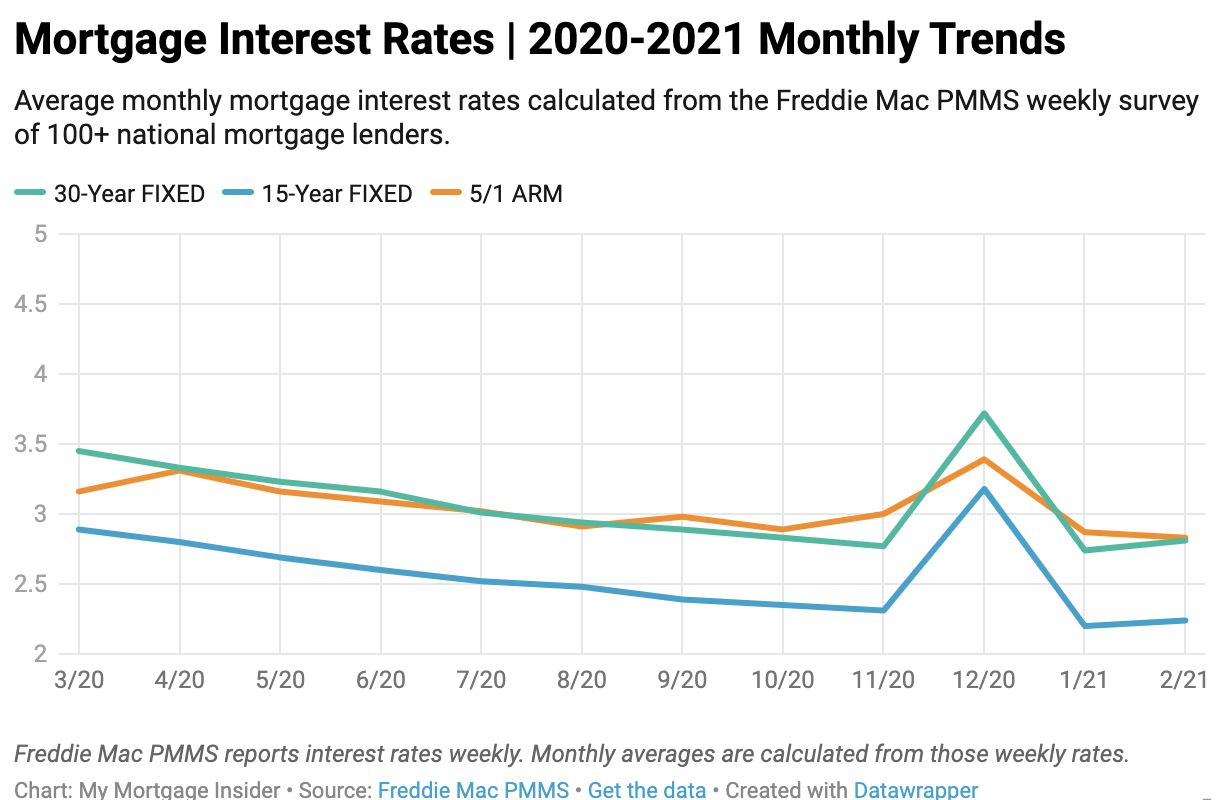
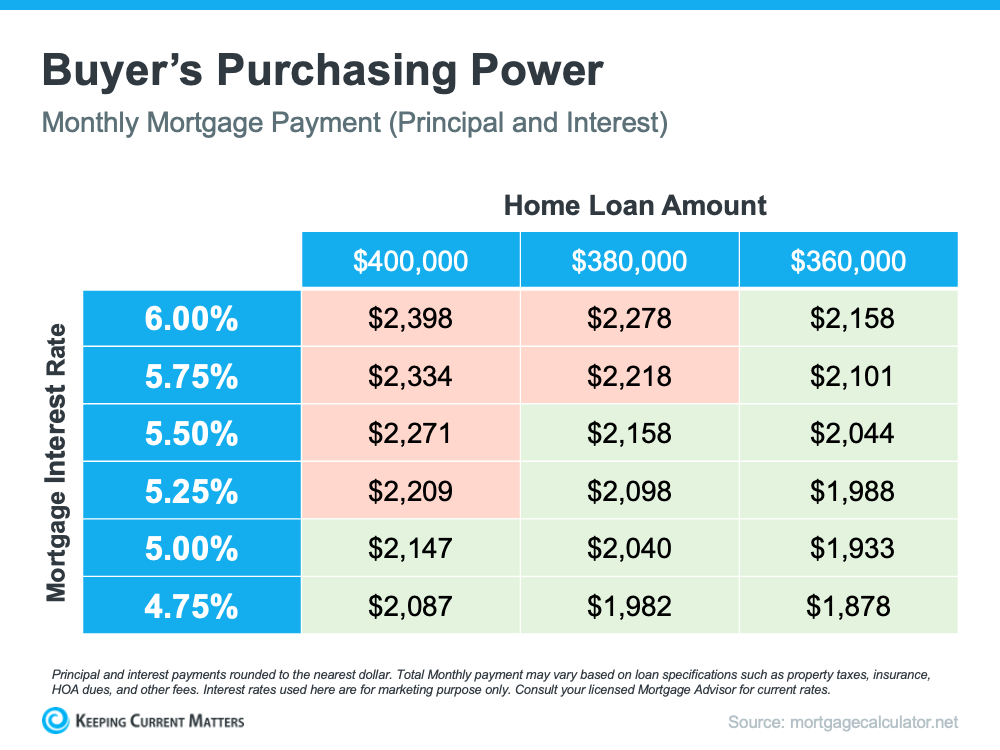
A mortgage interest rate represents the cost of borrowing money from a lender to purchase a home. It’s expressed as a percentage of the principal loan amount and is the primary factor determining your monthly mortgage payment alongside the loan principal, property taxes, and homeowner’s insurance. A seemingly small difference in the interest rate can translate into tens of thousands of dollars saved or spent over the life of a 15-year or 30-year mortgage.
What is a Mortgage Interest Rate?
At its core, the mortgage interest rate is the compensation lenders receive for the risk they take in lending you money. It covers their operational costs, profit margins, and protection against inflation and potential borrower default. This rate is usually advertised as an Annual Percentage Rate (APR), which includes the interest rate plus certain fees and other charges, offering a more comprehensive picture of the loan’s true cost. The higher the interest rate, the more expensive your loan becomes over time, impacting your overall financial health and purchasing power.
Fixed-Rate vs. Adjustable-Rate Mortgages (ARMs)
The two primary types of mortgages are fixed-rate and adjustable-rate mortgages (ARMs), each with distinct characteristics and risk profiles.
-
Fixed-Rate Mortgages: With a fixed-rate mortgage, your interest rate remains constant for the entire duration of the loan, typically 15 or 30 years. This offers predictability and stability in your monthly principal and interest payments, making budgeting easier. Borrowers often favor fixed rates during periods of low-interest rates, as they can lock in a favorable rate for decades, protecting themselves from future rate increases. The downside is that if market rates fall significantly, you’d need to refinance to take advantage of lower rates.
-
Adjustable-Rate Mortgages (ARMs): ARMs, in contrast, feature an interest rate that can change periodically after an initial fixed-rate period. For example, a 5/1 ARM means the rate is fixed for the first five years, then adjusts annually for the remainder of the loan term. ARMs often start with lower interest rates than comparable fixed-rate mortgages, making them attractive for borrowers who plan to sell or refinance before the fixed period ends, or those who anticipate their income will rise significantly to absorb potential payment increases. However, ARMs carry the risk of substantially higher payments if market interest rates rise, which can create financial strain if not carefully managed.
Factors Influencing Individual Rates
While general market conditions dictate the baseline, several personal financial factors influence the specific rate a lender offers you:
-
Credit Score: A strong credit score (typically FICO scores above 740-760) signals to lenders that you are a responsible borrower, often qualifying you for the lowest available rates. Lower scores indicate higher risk and usually result in higher interest rates.
-
Debt-to-Income (DTI) Ratio: This ratio compares your total monthly debt payments to your gross monthly income. Lenders prefer a lower DTI (ideally below 43%) as it suggests you can comfortably manage additional mortgage payments.
-
Loan-to-Value (LTV) Ratio and Down Payment: The LTV ratio compares the loan amount to the home’s appraised value. A larger down payment reduces your LTV, signaling less risk to the lender and potentially securing a better rate. Lenders often view LTVs below 80% favorably.
-
Loan Type: Government-backed loans (FHA, VA, USDA) often have different qualification criteria and sometimes lower rates compared to conventional loans, especially for borrowers with less-than-perfect credit or lower down payments.
-
Loan Term: Shorter loan terms (e.g., 15-year fixed) typically come with lower interest rates than longer terms (e.g., 30-year fixed) because the lender’s risk is spread over a shorter period.
-
Lender and Loan Officer: Different lenders have varying pricing structures and overheads, meaning rates can differ. The specific loan officer can also influence the process and the tailored options presented.
Key Factors Driving Current Mortgage Rate Fluctuations
Mortgage rates are highly sensitive to a confluence of economic forces, making their prediction an inexact science. Understanding these underlying drivers helps consumers grasp why rates move and anticipate potential shifts.
The Federal Reserve and Monetary Policy
While the Federal Reserve does not directly set mortgage rates, its monetary policy decisions profoundly influence them. The Federal Funds Rate, which the Fed controls, affects short-term interest rates that banks charge each other. Though mortgage rates are more closely tied to longer-term bonds, changes in the Federal Funds Rate ripple through the financial system, influencing borrowing costs across the board. When the Fed raises rates to combat inflation, it signals a broader tightening of monetary policy, which typically pushes mortgage rates higher. Conversely, easing policy often leads to lower rates.
Inflation Expectations
Inflation is a significant adversary for lenders. When inflation is high, the purchasing power of future repayment dollars diminishes, eroding the value of the principal they lent out. To compensate for this anticipated loss, lenders demand higher interest rates. Therefore, when economic data suggests rising inflation, mortgage rates tend to climb. Conversely, expectations of lower inflation can help keep rates stable or even decline.
Economic Indicators
A wide array of economic data provides clues about the health and trajectory of the economy, directly impacting mortgage rates:
-
Jobs Reports: Strong employment figures indicate a robust economy, which can lead to higher inflation expectations and, consequently, higher rates. Weak reports suggest economic contraction, often putting downward pressure on rates.
-
Gross Domestic Product (GDP): Positive GDP growth generally signals economic expansion, which can fuel inflation and push rates up.
-
Consumer Confidence: High consumer confidence suggests consumers are willing to spend, potentially boosting economic activity and inflation.
-
Housing Market Data: Home sales, housing starts, and inventory levels reflect supply and demand dynamics, influencing lenders’ perceptions of risk and market stability.
The Bond Market (Specifically 10-Year Treasury Yields)
This is arguably the most direct and crucial influence on mortgage rates. Mortgage rates tend to track the yield on the 10-year U.S. Treasury note. When investors demand a higher yield on these government bonds (often due to concerns about inflation or economic growth), mortgage rates typically rise in tandem. This is because mortgage-backed securities (MBS), which are the foundation of the mortgage market, compete with Treasuries for investor dollars. To attract investors, MBS must offer a slightly higher yield than risk-free Treasuries.

Global Economic Events and Geopolitics
Uncertainty in the global economy or geopolitical instability often drives investors towards the perceived safety of U.S. Treasury bonds. This increased demand can push Treasury yields down, which can, in turn, lower mortgage rates. Conversely, periods of global economic growth and stability might see investors move away from safe-haven assets, potentially pushing yields and mortgage rates higher. Events like trade disputes, international conflicts, or global health crises can all have measurable impacts.
Strategies for Securing the Best Mortgage Rate
While market forces are largely beyond individual control, borrowers can proactively implement strategies to improve their chances of securing the most favorable mortgage rates. A small reduction in your interest rate can save you tens of thousands of dollars over the loan’s lifetime.
Improve Your Credit Score
Your credit score is a numerical representation of your creditworthiness. Lenders use it to assess the risk of lending to you. To improve your score:
-
Pay bills on time, every time: Payment history is the most significant factor.
-
Reduce credit utilization: Keep your credit card balances low relative to your credit limits (ideally below 30%).
-
Avoid opening new credit accounts unnecessarily: Too many new inquiries can temporarily lower your score.
-
Check your credit report for errors: Dispute any inaccuracies that could be negatively impacting your score. Aim for a score above 740 to qualify for the best rates.
Reduce Your Debt-to-Income Ratio
Your DTI ratio compares your total monthly debt payments (credit cards, car loans, student loans, etc.) to your gross monthly income. Lenders prefer lower DTIs. To improve it:
-
Pay down existing debts: Focus on high-interest debts first.
-
Increase your income: If possible, consider a raise, promotion, or a side hustle.
-
Avoid taking on new debt before applying for a mortgage.
Save for a Larger Down Payment
A larger down payment reduces the loan amount and lowers your loan-to-value (LTV) ratio. A lower LTV signals less risk to the lender, as you have more equity in the property from the start. This can often translate into a better interest rate. A 20% down payment is often the benchmark to avoid private mortgage insurance (PMI) on conventional loans, further reducing your monthly costs.
Shop Around and Compare Lenders
This is perhaps one of the most impactful steps. Don’t settle for the first offer. Mortgage rates can vary significantly between lenders for the same borrower, sometimes by as much as half a percentage point or more.
-
Obtain quotes from multiple lenders: This includes banks, credit unions, and mortgage brokers.
-
Compare Loan Estimates: Lenders are required to provide a standardized Loan Estimate form that clearly outlines the interest rate, APR, closing costs, and other fees. Compare these line-by-line.
-
Negotiate: Use competing offers to negotiate for a better rate or lower fees.
Consider Mortgage Points
Mortgage points (also known as discount points) are upfront fees paid to the lender in exchange for a lower interest rate. One point typically costs 1% of the loan amount.
-
“Buying down” the rate: If you plan to stay in the home for a long time, paying points upfront can save you money over the life of the loan.
-
Calculate the break-even point: Determine how long it will take for the monthly savings from the lower rate to offset the cost of the points.
Locking in Your Rate
Once you’ve found a favorable rate and chosen a lender, you’ll have the option to “lock in” your interest rate. This guarantees that your rate won’t change between the time you apply and the time you close, typically for 30, 45, or 60 days.
-
Timing is key: Lock your rate when you feel confident it’s competitive and unlikely to drop further, especially if you foresee potential rate increases before closing.
-
Understand lock period extensions: Be aware of potential costs if your closing is delayed beyond your lock period.
Navigating the Mortgage Market: What’s Next?
The mortgage market is in perpetual motion, influenced by a delicate balance of economic indicators, global events, and central bank policies. Staying informed and agile is crucial for both prospective buyers and existing homeowners.
Current Market Trends and Predictions
While it’s impossible to predict future mortgage rates with certainty, market analysts and economists offer insights based on current trends. Generally, if inflation remains elevated, central banks may continue their efforts to cool the economy, potentially keeping rates higher. Conversely, signs of economic slowdown or disinflation could lead to a more accommodative stance, potentially easing rates. Buyers should pay attention to inflation reports, employment data, and the Federal Reserve’s communications. However, remember that economic forecasts are subject to change, and individual circumstances will always play a significant role.
Refinancing Opportunities
For existing homeowners, monitoring current mortgage rates is vital for identifying refinancing opportunities. Refinancing involves taking out a new mortgage to pay off your old one, often to secure a lower interest rate, change your loan term, or tap into home equity.
-
Lowering your interest rate: If current rates are significantly lower than your existing rate, refinancing can reduce your monthly payments and the total interest paid over time.
-
Changing loan terms: You might refinance from a 30-year to a 15-year mortgage to pay off your home faster, or from an ARM to a fixed-rate mortgage for stability.
-
Cash-out refinance: This allows you to borrow more than you owe on your current mortgage and take the difference as cash, often used for home improvements, debt consolidation, or other large expenses.
Consider the closing costs associated with refinancing and calculate the break-even point to ensure it’s a financially sound decision.
First-Time Homebuyer Considerations
First-time homebuyers face unique challenges and opportunities in the current mortgage landscape.
-
Educational resources: Take advantage of homebuyer education programs, many of which are free or low-cost and can provide valuable insights into the homebuying process and financial responsibilities.
-
Down payment assistance: Explore federal, state, and local programs designed to help first-time buyers with down payment and closing cost assistance.
-
Government-backed loans: FHA, VA, and USDA loans are specifically designed to make homeownership more accessible, often with lower down payment requirements or more flexible credit criteria.
-
Budgeting for more than just the mortgage: Remember to account for property taxes, homeowner’s insurance, potential HOA fees, and maintenance costs, which add to the true cost of homeownership.
Conclusion
Understanding “what is the current mortgage loan rate” is far more than knowing a single number; it’s about comprehending a dynamic financial ecosystem. Mortgage rates are a crucial component of personal finance, shaping homeownership affordability and long-term financial commitments. They are influenced by an intricate dance of macroeconomic forces, including Federal Reserve policies, inflation expectations, key economic indicators, and the performance of the bond market. For any individual navigating the housing market, whether as a buyer, a potential refinancer, or simply an engaged citizen, staying informed about these drivers is key. By proactively managing personal finances, diligently shopping for the best terms, and strategically engaging with lenders, you can position yourself to secure the most advantageous mortgage rate, thereby optimizing your financial journey toward homeownership.
aViewFromTheCave is a participant in the Amazon Services LLC Associates Program, an affiliate advertising program designed to provide a means for sites to earn advertising fees by advertising and linking to Amazon.com. Amazon, the Amazon logo, AmazonSupply, and the AmazonSupply logo are trademarks of Amazon.com, Inc. or its affiliates. As an Amazon Associate we earn affiliate commissions from qualifying purchases.