
Understanding the current interest rate for mortgages is more than just knowing a number; it’s about comprehending a complex interplay of economic forces, central bank policies, and individual financial circumstances. For anyone looking to purchase a home, refinance an existing loan, or simply stay informed about the housing market, mortgage rates represent a critical financial barometer. These rates dictate the cost of borrowing for what is often the largest financial commitment an individual or family will make, directly impacting monthly payments, long-term affordability, and overall financial health.
In today’s dynamic economic environment, mortgage rates are far from static. They fluctuate daily, sometimes even hourly, in response to a myriad of domestic and global events. From inflation reports and employment figures to geopolitical tensions and Federal Reserve announcements, countless factors contribute to the direction and magnitude of these shifts. This article will delve into the intricacies of current mortgage rates, explaining what they are, what influences them, how to navigate the current landscape, and what the future might hold, providing an insightful and professional guide for all stakeholders.
Understanding Mortgage Interest Rates
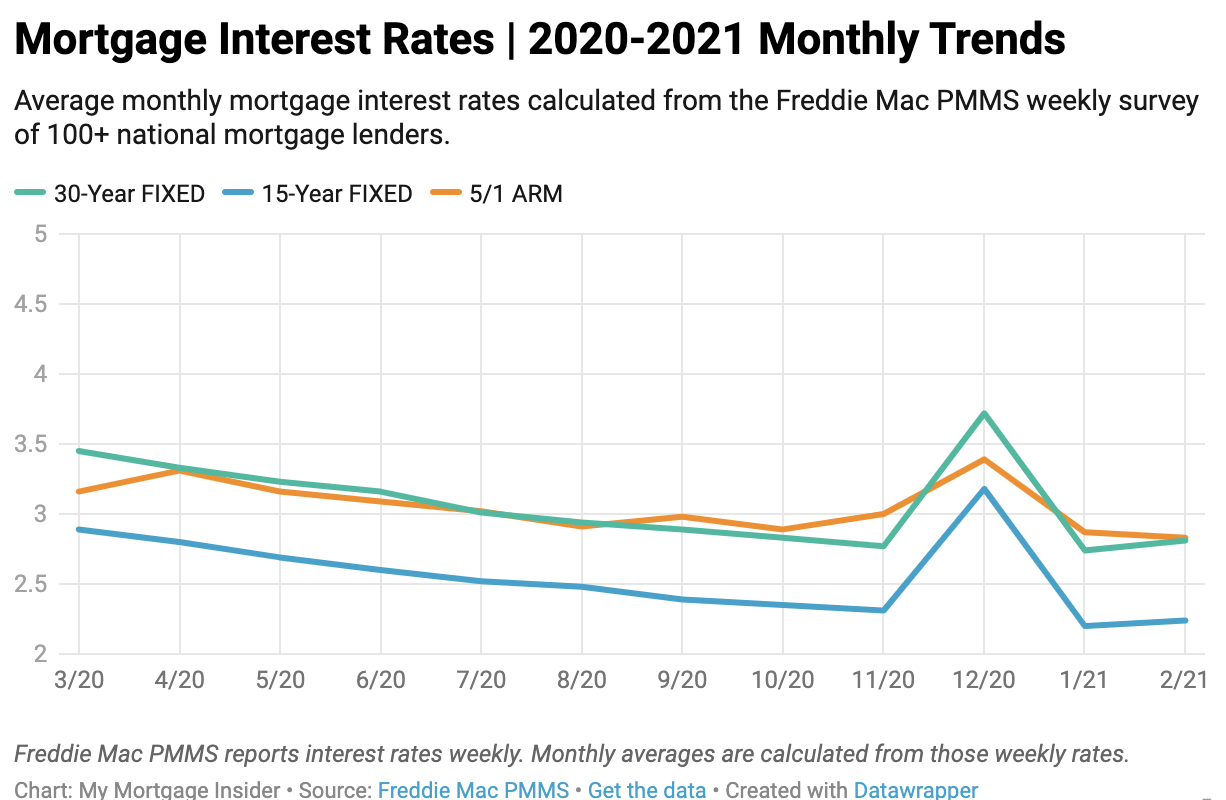
To truly grasp the significance of “current interest rates,” it’s essential to first build a foundational understanding of what mortgage interest rates are and how they function. This isn’t just about the percentage; it’s about the type of loan and how that percentage translates into real costs over time.
What is a Mortgage Interest Rate?
At its core, a mortgage interest rate is the cost of borrowing money from a lender to purchase a home, expressed as a percentage of the loan amount. It is the price you pay for the privilege of using someone else’s capital. This rate is added to the principal balance of the loan over its term, determining the total amount you will repay. Lenders charge interest to compensate them for the risk of lending money and for the opportunity cost of not using that money elsewhere. The actual rate offered to a borrower depends on various factors, including the market rates set by the bond market, the borrower’s creditworthiness, the loan-to-value ratio, and the chosen loan term. A lower interest rate means lower monthly payments and a reduced total cost of the loan over its lifetime, making it highly sought after by prospective homeowners.
Fixed vs. Adjustable-Rate Mortgages (ARMs)
The type of mortgage you choose significantly impacts how “current” interest rates affect you. The two primary categories are Fixed-Rate Mortgages and Adjustable-Rate Mortgages (ARMs).
-
Fixed-Rate Mortgages (FRMs): As the name suggests, the interest rate on a fixed-rate mortgage remains constant for the entire duration of the loan, typically 15 or 30 years. This provides predictability and stability, as your principal and interest payment will not change regardless of market fluctuations. Borrowers often prefer fixed rates when current rates are low or when they prioritize budgeting stability over potential future savings. The disadvantage is that if market rates drop significantly, you won’t benefit unless you refinance.
-
Adjustable-Rate Mortgages (ARMs): ARMs feature an interest rate that changes periodically after an initial fixed period. Common ARM structures include 5/1, 7/1, or 10/1 ARMs, meaning the rate is fixed for the first five, seven, or ten years, respectively, and then adjusts annually thereafter. When the rate adjusts, it typically moves in line with a specified market index (like SOFR – Secured Overnight Financing Rate) plus a margin set by the lender. ARMs can offer lower initial interest rates compared to fixed-rate mortgages, making them attractive to borrowers who plan to sell or refinance before the fixed period ends, or who expect interest rates to fall. However, they carry the risk that payments could increase substantially if rates rise after the fixed period.
The Impact of Interest Rates on Your Payments
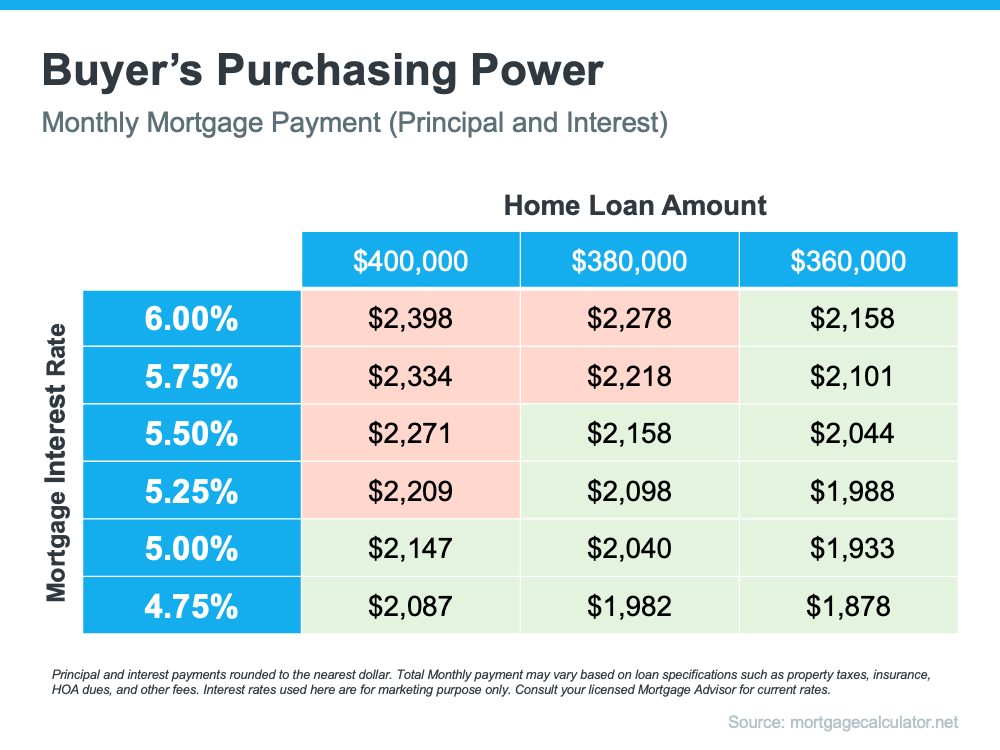
Even a seemingly small difference in an interest rate can have a profound impact on your monthly mortgage payments and the total cost of your home over the loan’s lifetime. For instance, on a $400,000, 30-year fixed-rate mortgage:
- At a 6.5% interest rate, the monthly principal and interest payment would be approximately $2,528. Over 30 years, the total interest paid would be around $509,928.
- If the rate drops to 6.0%, the monthly payment falls to roughly $2,398, saving you $130 per month. Over 30 years, the total interest paid would be about $463,280, a saving of over $46,000.
This illustrates why tracking current interest rates is paramount. A quarter-point or half-point shift can translate into tens of thousands of dollars over the life of a loan, directly affecting affordability and wealth accumulation.
Factors Influencing Mortgage Rates
Mortgage interest rates are not arbitrarily set; they are a direct consequence of a complex interplay of economic forces. Understanding these factors is key to predicting rate movements and making informed financial decisions.
Economic Indicators
The health and direction of the broader economy play a pivotal role in shaping mortgage rates. Lenders and investors constantly scrutinize various economic reports to gauge inflation, growth, and stability.
- Inflation: Perhaps the most significant driver. When inflation is high or expected to rise, the purchasing power of money decreases over time. Lenders demand higher interest rates to compensate for this erosion of value, ensuring they receive a real return on their investment.
- Gross Domestic Product (GDP): A measure of economic output. Strong GDP growth often suggests a robust economy, which can sometimes lead to inflationary pressures and higher rates, as demand for credit increases.
- Employment Data: Reports like the monthly jobs report (non-farm payrolls, unemployment rate) provide insights into economic strength. A strong job market can signal higher consumer spending and potential inflation, influencing rates upwards. Conversely, a weakening job market may prompt the Federal Reserve to lower rates to stimulate economic activity.
- Consumer Confidence and Retail Sales: These indicators reflect consumer willingness to spend and borrow. High confidence and robust sales can put upward pressure on rates.
Federal Reserve Policy
While the Federal Reserve does not directly set mortgage rates, its actions have a profound indirect influence. The Fed’s primary tool is the federal funds rate, which is the target rate for overnight lending between banks.
- Raising the Federal Funds Rate: When the Fed raises this target, it makes it more expensive for banks to borrow money, which in turn leads to higher interest rates across the financial system, including consumer loans, credit cards, and eventually, mortgages. This is typically done to combat inflation.
- Lowering the Federal Funds Rate: Conversely, lowering the federal funds rate makes borrowing cheaper for banks, stimulating lending and economic activity, and generally leading to lower interest rates on mortgages.
- Quantitative Easing (QE) and Tightening (QT): Beyond the federal funds rate, the Fed also influences long-term rates through its balance sheet operations. During QE, the Fed buys large quantities of government bonds and mortgage-backed securities (MBSs), increasing demand and pushing their yields (and thus mortgage rates) down. During QT, it reduces its holdings, which can lead to higher yields and rates.
Bond Market Performance
Mortgage rates are inextricably linked to the bond market, particularly U.S. Treasury yields and mortgage-backed securities (MBSs).
- Treasury Yields: The yield on the 10-year Treasury note is a crucial benchmark for fixed-rate mortgages. As 10-year Treasury yields rise, so do mortgage rates, and vice-versa. This is because MBSs, which are the investments that essentially back most mortgages, compete with Treasuries for investor attention. If Treasuries offer higher returns, MBSs must also offer higher yields to attract investors, leading to higher mortgage rates.
- Mortgage-Backed Securities (MBSs): These are investment vehicles that pool thousands of individual mortgages together. Investors buy MBSs for their yield. The demand for and supply of MBSs directly impact their yields, which, in turn, dictates the interest rates lenders can offer on new mortgages while remaining profitable.
Lender-Specific Factors
Beyond macro-economic forces, your individual financial profile plays a critical role in the specific mortgage rate you are offered.
- Credit Score: A higher credit score (e.g., FICO score of 740+) indicates a lower risk to lenders, allowing you to qualify for the most competitive interest rates. A lower score typically results in a higher rate.
- Down Payment: A larger down payment (e.g., 20% or more) reduces the loan-to-value (LTV) ratio, signifying less risk for the lender. This can often translate into a better interest rate.
- Debt-to-Income (DTI) Ratio: This ratio compares your total monthly debt payments to your gross monthly income. A lower DTI indicates you can comfortably manage your debts, making you a more attractive borrower for a lower rate.
- Loan Type and Term: FHA, VA, USDA, and conventional loans each have different rate structures and eligibility requirements. Shorter-term loans (e.g., 15-year fixed) typically have lower interest rates than longer-term loans (e.g., 30-year fixed) because the lender’s risk is spread over a shorter period.
- Loan-to-Value (LTV): The ratio of the loan amount to the home’s appraised value. A lower LTV (meaning a larger down payment) generally results in a better rate.
Navigating the Current Mortgage Rate Landscape
Given the numerous variables affecting mortgage rates, securing the best possible rate requires diligence, strategic planning, and an understanding of where to look and what to do.

Where to Find Current Rates
The first step in navigating the current market is knowing where to get reliable, up-to-date rate information.
- Online Lenders and Aggregators: Websites specializing in mortgage lending (e.g., Rocket Mortgage, Better Mortgage) and rate comparison sites (e.g., Zillow Mortgages, Bankrate, LendingTree) offer quick access to current rates from multiple lenders. These can be excellent starting points for comparison shopping.
- Local Banks and Credit Unions: Don’t overlook traditional brick-and-mortar institutions. Your local bank or credit union might offer competitive rates, especially if you have an existing relationship with them, and can provide personalized service.
- Mortgage Brokers: These professionals act as intermediaries, working with various lenders to find the best rate and loan terms for your specific situation. They can be particularly useful for borrowers with unique financial circumstances.
- Financial News Outlets: Major financial news sources (e.g., Wall Street Journal, Bloomberg, CNBC) regularly report on mortgage rate trends and provide average daily rates.
Strategies for Securing a Favorable Rate
Once you’re informed, there are actionable steps you can take to improve your chances of getting a lower rate.
- Improve Your Credit Score: This is paramount. Pay bills on time, reduce revolving debt, and avoid opening new credit accounts before applying for a mortgage. A higher score directly translates to lower perceived risk and better rates.
- Increase Your Down Payment: Aim for at least 20% down if possible. This reduces your LTV, eliminates the need for private mortgage insurance (PMI) on conventional loans, and makes you a more attractive borrower, often resulting in a better rate.
- Lower Your Debt-to-Income (DTI) Ratio: Before applying, try to pay down existing debts. A DTI below 43% is generally considered favorable, with lower DTIs often correlating with better mortgage offers.
- Consider a Rate Lock: If you find a rate you’re comfortable with and expect rates to rise, ask your lender about locking in that rate. A rate lock guarantees your interest rate for a specific period (e.g., 30, 45, or 60 days) while your loan application is being processed. Be aware that some lenders charge a fee for rate locks, especially for longer periods.
- Evaluate Discount Points: Discount points are upfront fees paid to the lender in exchange for a lower interest rate over the life of the loan. One point typically costs 1% of the loan amount and can reduce your rate by a fraction of a percentage point. Calculate if the long-term savings outweigh the upfront cost, especially if you plan to stay in the home for many years.
The Importance of Shopping Around
This cannot be stressed enough: do not settle for the first quote you receive. Mortgage rates can vary significantly between lenders on the same day, for the same borrower.
- Obtain Multiple Quotes: Apply with at least three to five different lenders – including online lenders, local banks, and credit unions. Most credit bureaus treat multiple mortgage inquiries within a 45-day window as a single inquiry, minimizing the impact on your credit score.
- Compare Apples to Apples: When comparing offers, look beyond just the interest rate. Consider the annual percentage rate (APR), which includes the interest rate plus certain fees and charges, giving a more accurate representation of the total cost of borrowing. Also, compare closing costs, lender fees, and any points charged.
- Leverage Offers: If one lender offers a particularly good rate, you can use that offer to negotiate with other lenders to see if they can match or beat it.
When is the Right Time to Get a Mortgage (or Refinance)?
Deciding when to take out a new mortgage or refinance an existing one is a highly personal decision, heavily influenced by both market conditions and individual financial goals.
Current Market Conditions
The prevailing economic environment and interest rate trends are crucial considerations.
- Is it a Buyer’s or Seller’s Market for Rates? If rates are historically low and stable, it’s generally a favorable time for borrowers. If rates are rising, acting sooner rather than later might be prudent. Conversely, if rates are falling, waiting a bit longer might yield a better deal, though timing the market perfectly is nearly impossible.
- What Trends Are Important? Pay attention to the Federal Reserve’s stance on inflation and monetary policy. Signals that the Fed is likely to raise or lower the federal funds rate usually precede similar movements in mortgage rates. Economic forecasts regarding inflation, GDP growth, and employment also provide clues about future rate directions.
Personal Financial Goals
Your individual circumstances and objectives should weigh heavily in your decision-making.
- Long-Term Stability vs. Short-Term Savings: If you prioritize predictable monthly payments and plan to stay in your home for decades, a fixed-rate mortgage when rates are favorable offers peace of mind. If you expect your income to rise significantly, plan to move within a few years, or anticipate rates to fall, an ARM might offer lower initial payments.
- Equity Building: A shorter-term mortgage (e.g., 15-year fixed) will have higher monthly payments but allows you to build equity much faster and pay significantly less interest over the life of the loan. This aligns with goals of accelerating wealth accumulation.
- Debt Consolidation: For some, refinancing might be an opportunity to consolidate higher-interest debts (like credit cards or personal loans) into their mortgage, potentially lowering overall monthly payments, though extending the repayment period for those debts.
Analyzing Refinancing Opportunities
Refinancing involves replacing your existing mortgage with a new one. It makes sense under specific conditions:
- Lowering Your Interest Rate: If current rates are significantly lower than your existing mortgage rate (a general rule of thumb is a difference of at least 0.75% to 1.0%), refinancing can reduce your monthly payments and total interest paid.
- Reducing Your Loan Term: You might refinance a 30-year mortgage into a 15-year mortgage to pay it off faster, even if the new rate is only slightly lower or similar.
- Switching Loan Types: Moving from an ARM to a fixed-rate mortgage provides stability, especially if the fixed period on your ARM is ending and rates are projected to rise.
- Cash-Out Refinance: If you need access to funds for home improvements, education, or debt consolidation, a cash-out refinance allows you to borrow against your home equity. However, carefully consider the implications of increasing your mortgage debt.
- The Breakeven Point: Always calculate the “breakeven point” for refinancing. This is how long it will take for the savings from a lower monthly payment to offset the closing costs associated with the new loan. If you plan to sell before reaching that point, refinancing might not be financially advantageous.
Future Outlook and Expert Predictions
Predicting the precise movement of mortgage rates is challenging, but understanding the general outlook and potential trends can help with planning.
Short-Term Rate Volatility
In the immediate future, mortgage rates are likely to remain sensitive to global economic data and central bank communications.
- Market Sentiment: Investor sentiment, driven by geopolitical events, corporate earnings, and major economic reports, can cause daily or weekly fluctuations. Periods of uncertainty often lead to flights to safety, which can temporarily push bond yields (and thus mortgage rates) down, while periods of strong economic optimism might see rates tick up.
- Federal Reserve Stance: The Fed’s forward guidance on inflation and future interest rate policy will be a primary driver. Any unexpected shift in the Fed’s rhetoric or actions can lead to significant rate movements.
- Inflation Trajectory: The ongoing battle against inflation remains central. If inflation proves stickier than anticipated, the Fed may maintain higher rates for longer, keeping mortgage rates elevated. Conversely, clear signs of moderating inflation could pave the way for future rate cuts.
Long-Term Trends
Over the longer term, broader economic shifts and demographic changes will shape the mortgage rate landscape.
- Economic Projections: Most economists anticipate a gradual normalization of inflation and, eventually, a more stable interest rate environment. However, the “new normal” for rates might be higher than the historically low levels seen in the decade following the 2008 financial crisis.
- Demographic Shifts: Housing demand, influenced by generational trends (e.g., Millennials reaching prime home-buying age), immigration, and population growth, will continue to play a role. Sustained strong demand could put upward pressure on home prices and, indirectly, on borrowing costs.
- Technological Advancements: Innovation in financial technology (FinTech) could lead to more efficient lending processes, potentially impacting costs and offering new types of mortgage products in the future.
Preparing for Rate Changes
Given the inherent uncertainty, proactive financial planning is crucial.
- Financial Planning: Regularly review your budget, savings, and debt obligations. Understand how potential increases or decreases in mortgage payments could affect your household finances.
- Stress-Testing Your Budget: If you have an ARM or are considering one, stress-test your budget by calculating your payments if the interest rate were to reach its cap. Ensure you could still comfortably afford the payments.
- Stay Informed: Continuously monitor economic news, Federal Reserve announcements, and mortgage rate trends from reputable sources. Being well-informed allows you to act quickly if a favorable rate environment emerges or if you need to adjust your financial strategy in response to rising rates.
- Consult a Professional: For personalized advice, consider consulting a qualified financial advisor or an experienced mortgage broker. They can help you assess your individual situation and navigate the complexities of the mortgage market.
In conclusion, the current interest rate for mortgages is a dynamic figure, a reflection of intricate economic forces and individual financial health. While securing a favorable rate requires vigilance and strategic action, a deep understanding of these underlying mechanisms empowers borrowers to make well-informed decisions, positioning themselves for greater financial stability and success in their homeownership journey.
aViewFromTheCave is a participant in the Amazon Services LLC Associates Program, an affiliate advertising program designed to provide a means for sites to earn advertising fees by advertising and linking to Amazon.com. Amazon, the Amazon logo, AmazonSupply, and the AmazonSupply logo are trademarks of Amazon.com, Inc. or its affiliates. As an Amazon Associate we earn affiliate commissions from qualifying purchases.