
The question “what is the current interest rate for a home loan?” is arguably one of the most frequently asked and critical inquiries for anyone considering purchasing a home or refinancing an existing mortgage. Interest rates dictate the cost of borrowing money, and even small fluctuations can translate into tens of thousands of dollars—or more—over the lifespan of a 15-year or 30-year mortgage. Understanding the current rate environment, the factors that influence it, and how to secure the most favorable terms is paramount to financial well-being and successful homeownership.

Navigating the mortgage market can feel complex, primarily because “the current interest rate” isn’t a single, fixed number. It’s a dynamic figure influenced by a myriad of economic forces, lender policies, and individual borrower profiles. This comprehensive guide aims to demystify home loan interest rates, providing insights into their mechanics, how to interpret market trends, and strategies for securing the best possible rate in today’s ever-evolving financial landscape.
Understanding the Dynamics of Home Loan Interest Rates
To grasp “what is the current interest rate,” one must first understand the underlying forces that dictate these figures. Mortgage rates are not set in a vacuum; they are a complex interplay of macroeconomic indicators, central bank policies, and the competitive strategies of individual lenders.
Key Factors Influencing Mortgage Rates
Several powerful economic engines drive the direction of home loan interest rates:
- Federal Reserve Policy (The Federal Funds Rate): While the Federal Reserve does not directly set mortgage rates, its actions significantly impact them. When the Fed raises or lowers the federal funds rate (the target rate for overnight lending between banks), it influences the prime rate, which in turn affects various consumer loans, including some adjustable-rate mortgages (ARMs). More broadly, the Fed’s stance on monetary policy signals its outlook on inflation and economic growth, which bond markets (where mortgage rates are ultimately derived) react to.
- Inflation Expectations: Inflation is the arch-nemesis of fixed-income investments like mortgage-backed securities (MBS). If investors expect inflation to rise, the purchasing power of future interest payments will diminish. To compensate for this risk, they demand higher yields, pushing up mortgage rates. Conversely, low inflation expectations can lead to lower rates.
- Economic Growth and Stability: A strong economy typically means higher employment, increased consumer spending, and a greater demand for loans. This can lead to upward pressure on rates as lenders balance supply and demand. Conversely, economic slowdowns or recessions often see rates fall as central banks try to stimulate activity, though lender caution can also rise.
- The Bond Market (Specifically, 10-Year Treasury Yields): Mortgage rates are closely tied to the yields on long-term government bonds, particularly the 10-year Treasury note. Mortgage-backed securities (MBS), which are bundles of home loans sold to investors, compete with Treasuries for investor capital. If Treasury yields rise, MBS must offer higher yields (and thus higher mortgage rates) to remain attractive to investors.
- Global Economic Events: International financial crises, geopolitical tensions, or significant economic shifts in major global markets can impact investor sentiment and capital flows, which can indirectly influence U.S. bond markets and, subsequently, mortgage rates.
Fixed vs. Adjustable-Rate Mortgages (ARMs)
The type of mortgage you choose also significantly impacts how “the current interest rate” applies to you:
- Fixed-Rate Mortgages (FRM): With a fixed-rate mortgage, the interest rate remains the same for the entire life of the loan, typically 15 or 30 years. This offers predictability and stability in monthly payments, making budgeting easier. When assessing “the current rate” for a fixed mortgage, you’re looking at what lenders are offering today, which will be locked in for decades.
- Adjustable-Rate Mortgages (ARM): ARMs offer an initial fixed-rate period (e.g., 3, 5, 7, or 10 years), after which the rate adjusts periodically based on a predetermined index (like the Secured Overnight Financing Rate – SOFR, or previously LIBOR) plus a margin set by the lender. ARMs typically start with a lower interest rate than comparable fixed-rate mortgages, making them attractive for borrowers who plan to sell or refinance before the fixed period ends, or those comfortable with potential payment fluctuations. However, the “current rate” for an ARM is more complex, involving both the initial fixed rate and the subsequent variable rate, which is subject to market changes.
The Role of Lender-Specific Factors
Beyond the broader market, your individual financial profile and the specific loan details play a huge part in the rate you are offered:
- Credit Score: A higher credit score (generally FICO scores above 740-760) signals lower risk to lenders, often qualifying borrowers for the best available interest rates. Conversely, lower scores result in higher rates to compensate lenders for the increased perceived risk.
- Debt-to-Income (DTI) Ratio: This ratio compares your total monthly debt payments to your gross monthly income. A lower DTI (typically below 43%) indicates you have more disposable income to cover your mortgage payments, making you a more attractive borrower.
- Down Payment Amount: A larger down payment (e.g., 20% or more) reduces the loan-to-value (LTV) ratio, meaning less risk for the lender. This can often translate into lower interest rates and helps avoid private mortgage insurance (PMI).
- Loan Term: Shorter loan terms (e.g., 15-year fixed) typically come with slightly lower interest rates than longer terms (e.g., 30-year fixed) because the lender’s money is tied up for a shorter period, reducing interest rate risk over time.
- Loan Type: Different loan programs (Conventional, FHA, VA, USDA) have varying eligibility requirements and, sometimes, different average interest rates due to government backing or specific underwriting standards.
Navigating Today’s Mortgage Market
Understanding the current state of the mortgage market is crucial for anyone asking “what is the current interest rate for a home loan.” Rates are in constant flux, influenced by breaking news, economic reports, and global events.
Recent Trends and Forecasts
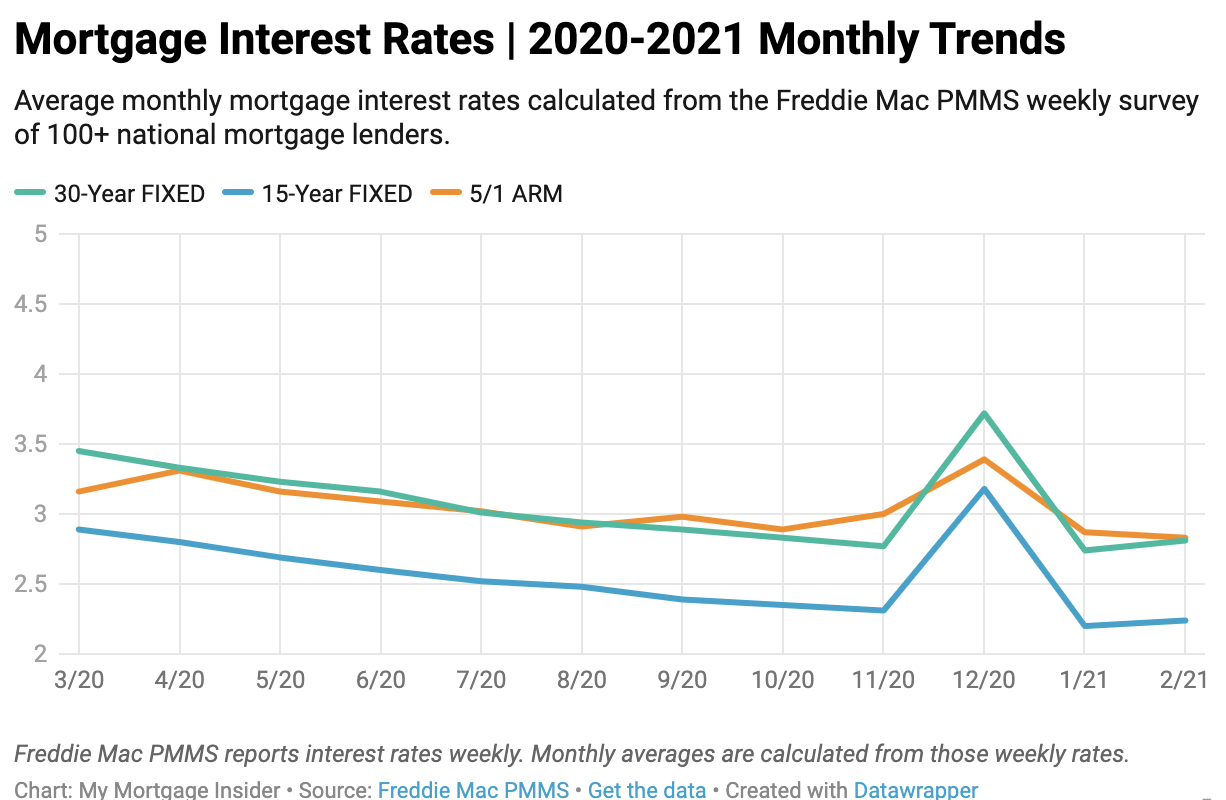
To truly understand “what is the current interest rate,” you need to look beyond a single day’s quote. Mortgage rates exhibit trends, often rising or falling over periods of weeks or months. For instance, in periods of high inflation, central banks may aggressively raise interest rates, causing mortgage rates to climb. Conversely, during economic downturns, rates may fall as policymakers seek to stimulate borrowing and spending.
- Tracking the Trends: Reliable sources for tracking trends include financial news outlets, government reports (like those from Freddie Mac or the Mortgage Bankers Association), and economic forecasts from reputable financial institutions. These resources provide historical data, current averages, and expert predictions on where rates might be headed.
- Expert Forecasts: While no one can predict the future with certainty, financial economists and mortgage analysts provide forecasts based on macroeconomic models. These forecasts often consider inflation trajectory, unemployment rates, Federal Reserve actions, and global economic stability to project potential rate movements in the short-to-medium term. These projections can inform whether it might be wise to lock a rate now or wait for potential decreases.
The Impact of Economic Indicators
Key economic data releases are like seismic events for mortgage rates, often causing immediate shifts in the market.
- Inflation Reports (CPI, PPI): The Consumer Price Index (CPI) and Producer Price Index (PPI) are closely watched. Higher-than-expected inflation reports often signal that the Federal Reserve may need to raise rates further or keep them higher for longer, pushing mortgage rates up.
- Employment Data (Jobs Report, Unemployment Rate): A strong jobs market (low unemployment, high wage growth) suggests a robust economy, which can contribute to inflationary pressures and, in turn, higher rates. Conversely, weaker job numbers might signal an economic slowdown, potentially leading to lower rates.
- Gross Domestic Product (GDP): GDP measures the total output of goods and services. Strong GDP growth indicates a healthy economy, which can push rates higher. Weak GDP growth might prompt the Fed to ease monetary policy, potentially lowering rates.
- Retail Sales: This indicator reflects consumer spending. Robust retail sales suggest strong consumer confidence and economic activity, which can lead to upward pressure on rates.
How to Find the Best Rate
Knowing “what is the current interest rate” is only useful if you can leverage that information to secure the best deal.
- Shop Around Aggressively: Do not settle for the first quote you receive. Contact multiple lenders—banks, credit unions, and independent mortgage brokers. Rates can vary significantly between institutions, even on the same day for the same borrower profile. Each inquiry for a mortgage rate within a specific 14-45 day window (depending on the credit scoring model) is typically treated as a single hard inquiry on your credit report, minimizing the impact of shopping around.
- Get Pre-Approved: Obtaining pre-approval provides a firm commitment from a lender regarding the amount they are willing to lend you and the approximate interest rate. This also helps you understand your borrowing power and signals to sellers that you are a serious and qualified buyer.
- Work with Mortgage Brokers: Mortgage brokers act as intermediaries, working with multiple lenders to find you the best rate and terms. They can be particularly helpful for those with unique financial situations or those who want a streamlined comparison process.
- Understand Rate Quotes: When comparing rates, ensure you are comparing “apples to apples.” Look at the Annual Percentage Rate (APR), which includes the interest rate plus certain fees and costs, giving a more accurate picture of the total cost of the loan. Also, compare closing costs, points (fees paid to reduce the interest rate), and any other lender fees.
Strategies for Securing a Favorable Interest Rate
Even if market rates are generally high, there are proactive steps you can take to position yourself for the most advantageous terms possible. Your personal financial health is a significant determinant of the rate you’ll be offered.
Improving Your Financial Profile
Lenders assess risk, and a stronger financial profile translates to lower perceived risk and, consequently, better rates.
- Boost Your Credit Score: This is perhaps the most impactful step. Pay all bills on time, reduce revolving credit card balances, avoid opening new credit accounts unnecessarily, and dispute any errors on your credit report. A higher FICO score can unlock access to the lowest advertised rates.
- Reduce Your Debt-to-Income (DTI) Ratio: Pay down existing debts, especially high-interest credit card balances or personal loans, before applying for a mortgage. A lower DTI ratio demonstrates your ability to manage debt and afford new monthly payments.
- Increase Your Savings for a Larger Down Payment: As discussed, a larger down payment reduces the loan-to-value (LTV) ratio, signaling less risk to the lender. Aim for 20% or more to potentially secure a lower interest rate and avoid private mortgage insurance (PMI).
- Build Cash Reserves: Lenders look favorably upon borrowers with emergency savings. Having several months’ worth of mortgage payments and living expenses in reserve provides a buffer and indicates financial stability.
Comparing Loan Offers Beyond the Rate
While “what is the current interest rate” is a primary concern, the overall cost of the loan involves more than just the advertised rate.
- Understanding APR vs. Interest Rate: The interest rate is simply the cost of borrowing money. The Annual Percentage Rate (APR) is a broader measure of the total cost of the loan, including the interest rate plus certain upfront fees and charges (like points, origination fees). APR provides a more accurate comparison of different loan offers, as a seemingly lower interest rate might have a higher APR due to substantial fees.
- Evaluate Closing Costs: These are fees paid at the close of your real estate transaction, typically ranging from 2% to 5% of the loan amount. They include things like appraisal fees, title insurance, attorney fees, and lender origination fees. Ensure you compare a full breakdown of these costs from each lender.
- Consider “Points”: Mortgage points are prepaid interest. One point equals 1% of the loan amount. Paying points upfront (buying down the rate) can lower your interest rate over the life of the loan. Decide if this is worthwhile by calculating the break-even point: how long it will take for the monthly savings to offset the initial cost of the points.
The Benefit of Rate Locks
Once you’ve received a favorable rate quote, consider locking it in.
- What is a Rate Lock? A rate lock is an agreement between you and your lender that guarantees a specific interest rate for a set period (e.g., 30, 45, or 60 days) while your loan application is being processed.
- When to Lock: If you believe current rates are favorable and might rise, locking your rate can protect you from market volatility. If you expect rates to fall, you might delay a lock, but this carries the risk of rates increasing instead. Discuss the ideal lock period with your lender, considering the estimated time for your loan to close. Some lenders offer “float-down” options, which allow you to secure a lower rate if market rates drop significantly before closing, usually for an additional fee.
Refinancing Considerations
For existing homeowners, understanding “what is the current interest rate” is crucial for potential refinancing opportunities.
- When it Makes Sense to Refinance: If current market rates are significantly lower than your existing mortgage rate, refinancing could reduce your monthly payments, save you money over the long term, or allow you to switch from an ARM to a fixed-rate mortgage.
- Cash-Out Refinance: Refinancing can also allow you to tap into your home equity by taking out a new, larger loan and receiving the difference in cash, which can be used for home improvements, debt consolidation, or other financial needs. However, this increases your debt burden.
- Consider All Costs: Just like a purchase mortgage, refinancing involves closing costs. You’ll need to calculate whether the savings from a lower interest rate outweigh these upfront expenses and how long it will take to break even.
Beyond the Interest Rate: Total Cost of a Home Loan
While “what is the current interest rate for a home loan” is a vital question, it’s only one piece of the puzzle. The true cost of homeownership involves a broader array of expenses.
Understanding APR vs. Interest Rate
Reiterating this crucial distinction:
- The interest rate is simply the percentage charged by the lender for the money you borrow. It directly influences your monthly principal and interest payment.
- The Annual Percentage Rate (APR) is a more comprehensive measure that includes the interest rate plus certain other charges and fees associated with the loan, such as origination fees, discount points, and some closing costs. APR is designed to give you a truer picture of the overall cost of borrowing, making it a better tool for comparing different loan offers. A loan with a lower interest rate might have a higher APR if its fees are substantial.
Closing Costs Explained
Closing costs are a collection of fees and charges paid at the end of the real estate transaction. These can range from 2% to 5% of the loan amount and are distinct from the down payment. Key components often include:
- Lender Fees:
- Origination Fees: Charged by the lender for processing the loan application.
- Underwriting Fees: For evaluating and approving the loan.
- Appraisal Fees: For an independent professional to assess the home’s value.
- Credit Report Fees: For obtaining your credit history.
- Discount Points: As mentioned, these are optional fees paid to lower the interest rate.
- Third-Party Fees:
- Title Insurance: Protects the lender (and sometimes the buyer) against future claims against the property’s title.
- Escrow Fees/Closing Fees: Paid to the neutral third party (escrow company or attorney) who handles the closing process.
- Recording Fees: For officially recording the new deed and mortgage with local government.
- Survey Fees: For verifying property lines (often required in certain areas).
- Attorney Fees: If a lawyer is involved in the closing process.
Escrow Accounts and Ongoing Costs
Even after closing, homeownership involves ongoing expenses beyond your principal and interest payment, often managed through an escrow account.
- Property Taxes: Local governments assess taxes on real estate, which are typically collected monthly by your lender and held in an escrow account, then paid out semi-annually or annually on your behalf.
- Homeowner’s Insurance: Required by lenders, this policy protects your home from damage due to fire, theft, natural disasters, and liability. Premiums are usually collected monthly via escrow.
- Mortgage Insurance (PMI/MIP): If your down payment is less than 20% on a conventional loan, you’ll likely pay Private Mortgage Insurance (PMI). For FHA loans, you’ll pay Mortgage Insurance Premium (MIP). These policies protect the lender if you default on the loan. PMI can often be canceled once you reach 20% equity, while MIP may last for the life of the loan on FHA mortgages.
- Homeowner’s Association (HOA) Fees: If your home is part of a planned community, condominium, or townhouse development, you’ll likely pay monthly or annual HOA fees for maintenance of common areas, amenities, and sometimes utilities. These are typically paid directly by the homeowner and not through escrow.
Future Outlook and Personalized Rate Assessment
The landscape of home loan interest rates is dynamic, constantly shifting with economic winds. While “what is the current interest rate” provides a snapshot, an informed approach requires a forward-looking perspective and personalized guidance.
Long-Term Rate Predictions and Market Volatility
Predicting the precise movement of interest rates over the long term is challenging, even for seasoned economists. Rates are influenced by:
- Global Events: Geopolitical conflicts, trade disputes, and international economic shifts can ripple through global financial markets, impacting bond yields and, consequently, mortgage rates.
- Technological Advancements: Innovation can boost productivity and economic growth, potentially influencing inflation and interest rate trajectories.
- Demographic Shifts: Changes in population growth, household formation, and labor force participation can have long-term effects on housing demand and economic fundamentals.
Given this inherent volatility, borrowers should understand that “the current interest rate” is a moving target. While rates tend to cycle through periods of highs and lows, the exact timing and magnitude of these shifts are unpredictable.
The Importance of Professional Advice
For such a significant financial decision, relying solely on general market information is insufficient.
- Mortgage Brokers: These professionals have access to multiple lenders and can often find competitive rates and terms tailored to your specific situation. They can also help you understand the nuances of different loan products.
- Financial Advisors: A certified financial planner can help integrate your mortgage decision into your broader financial plan, considering your investment goals, retirement plans, and overall debt strategy. They can provide unbiased advice on whether a certain rate or loan structure aligns with your long-term financial objectives.

Continuous Monitoring
Even after securing a home loan, staying informed about “what is the current interest rate” remains valuable.
- Refinancing Opportunities: Should interest rates drop significantly, monitoring the market can alert you to potential refinancing opportunities that could lower your monthly payments or reduce the total cost of your loan.
- Equity Management: Understanding rate trends can influence decisions about tapping into home equity through cash-out refinances or home equity lines of credit (HELOCs).
- Market Awareness: Being informed about the mortgage market generally empowers you to make better financial decisions, whether it’s for future property investments or simply managing your current liabilities.
In conclusion, “what is the current interest rate for a home loan” is not a simple question with a single answer. It’s a complex query that opens the door to understanding a vast ecosystem of economic factors, financial products, and personal financial decisions. By diligently researching, improving your financial profile, shopping around, and seeking expert advice, you can navigate this intricate landscape and secure a home loan that serves your financial best interests both today and for the long term.
aViewFromTheCave is a participant in the Amazon Services LLC Associates Program, an affiliate advertising program designed to provide a means for sites to earn advertising fees by advertising and linking to Amazon.com. Amazon, the Amazon logo, AmazonSupply, and the AmazonSupply logo are trademarks of Amazon.com, Inc. or its affiliates. As an Amazon Associate we earn affiliate commissions from qualifying purchases.