
Understanding the current home interest rate is arguably one of the most critical factors for anyone considering buying a home, refinancing an existing mortgage, or simply monitoring the health of the real estate market. Far from being a static figure, mortgage rates are a dynamic reflection of numerous economic forces, directly impacting the affordability of homeownership and the financial landscape for millions. This article will delve into what home interest rates are, the intricate mechanisms that influence them, how to navigate the prevailing rate environment, and strategies to secure the most favorable terms for your financial situation. While providing a precise, real-time number is impossible given their daily fluctuations, we aim to equip you with the knowledge to understand and react to the current trends.
Understanding the Dynamics of Home Interest Rates
To effectively navigate the mortgage market, it’s essential to grasp the fundamental concepts behind home interest rates and the multifaceted factors that drive their movement.
What is a Home Interest Rate?
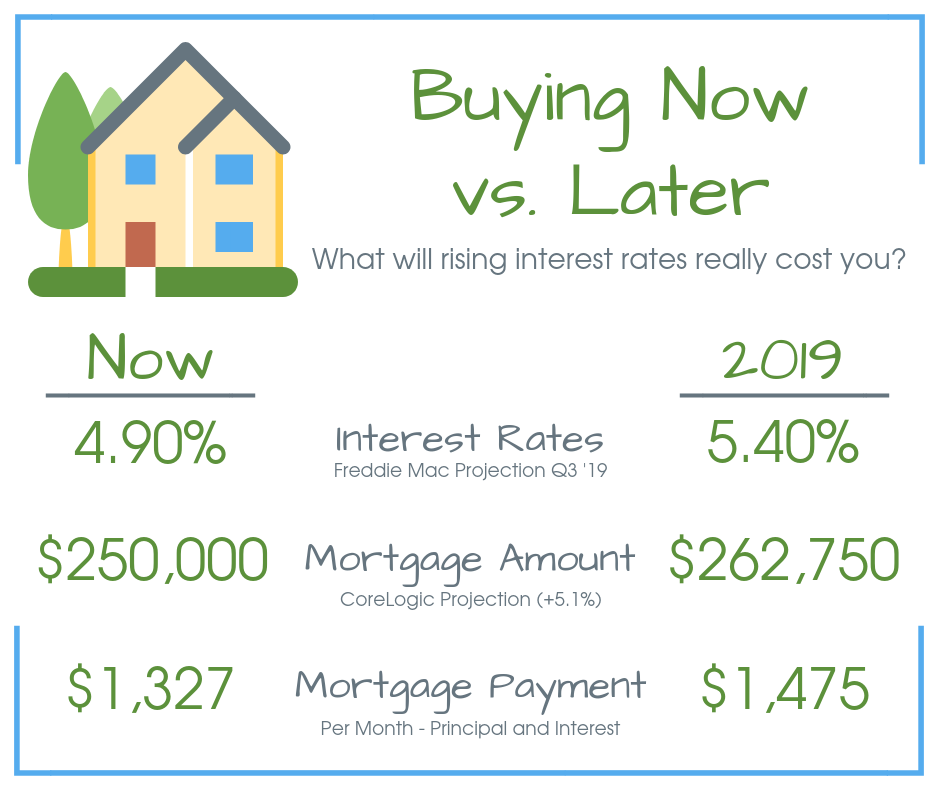
At its core, a home interest rate is the cost you pay to borrow money for a home loan, expressed as a percentage of the loan amount. It’s the lender’s charge for providing you with the capital, and it determines a significant portion of your monthly mortgage payment. It’s important to distinguish between the nominal interest rate and the Annual Percentage Rate (APR). The interest rate refers solely to the cost of borrowing the principal amount. The APR, however, is a broader measure of the total cost of the loan over its term, encompassing not only the interest rate but also other charges such as origination fees, discount points, and some closing costs. While the interest rate directly influences your monthly principal and interest payment, the APR provides a more comprehensive picture of the loan’s true annual cost. A higher interest rate translates to larger monthly payments and a greater total amount paid over the life of the loan, underscoring why even a small difference in percentage points can result in tens of thousands of dollars saved or spent over a 15-year or 30-year mortgage.
Key Factors Influencing Rates
Home interest rates are not set in a vacuum; they are influenced by a complex interplay of macroeconomic indicators, monetary policy, and market sentiment. Understanding these drivers is crucial for anticipating rate changes.
-
Federal Reserve Policy: While the Federal Reserve does not directly set mortgage rates, its actions significantly impact them. The Fed’s Federal Funds Rate, a target rate for interbank lending, influences short-term interest rates across the economy. When the Fed raises this rate to combat inflation, it typically leads to higher borrowing costs for lenders, which are then passed on to consumers in the form of higher mortgage rates. Conversely, a dovish Fed stance or rate cuts can lead to lower mortgage rates.
-
Inflation Expectations: Lenders are acutely sensitive to inflation. If they expect inflation to rise, the purchasing power of the money they will be repaid in the future will decrease. To compensate for this anticipated loss, lenders will demand higher interest rates today. Therefore, periods of high inflation or strong inflationary expectations often correlate with elevated mortgage rates.
-
Economic Growth and Employment Data: A robust economy, characterized by strong GDP growth and low unemployment, generally signals increased consumer spending and potential inflation. This can prompt the Federal Reserve to tighten monetary policy, leading to higher rates. Conversely, a weakening economy might see rates fall as the Fed seeks to stimulate activity.
-
Bond Market Activity (10-Year Treasury Yield): Mortgage rates are closely tied to the yield on the 10-year Treasury bond. Mortgage-backed securities (MBS), which form the basis of most home loans, compete with Treasury bonds for investor dollars. As the yield on the 10-year Treasury rises, so too do mortgage rates, as investors demand a higher return on MBS to compensate for the additional risk compared to government bonds.
-
Supply and Demand: The basic economic principles of supply and demand also play a role. A high demand for housing coupled with low supply can push home prices up, potentially putting pressure on rates. Similarly, the demand for mortgage-backed securities from investors influences their pricing and thus the rates offered to borrowers.
-
Lender-Specific Factors: Beyond these macroeconomic forces, individual lenders factor in their operational costs, profit margins, and risk assessment for specific borrowers. This is why rates can vary slightly from one lender to another, even on the same day.
Types of Mortgage Rates
The structure of your mortgage loan also dictates how its interest rate behaves over time.
-
Fixed-Rate Mortgages (FRM): The most common type, a fixed-rate mortgage ensures that your interest rate, and consequently your principal and interest payment, remains constant for the entire duration of the loan (e.g., 15, 20, or 30 years). This offers stability and predictability, protecting you from future rate increases. It’s ideal for those who plan to stay in their home for a long time and prefer stable monthly budgeting.
-
Adjustable-Rate Mortgages (ARM): ARMs typically offer a lower initial interest rate for a set period (e.g., 3, 5, 7, or 10 years). After this initial fixed period, the rate adjusts periodically (e.g., annually) based on a specified market index plus a margin set by the lender. This means your monthly payments can increase or decrease over time.
- Hybrid ARMs: A popular variant, hybrid ARMs combine features of both fixed and adjustable rates. For example, a “5/1 ARM” has a fixed rate for the first five years, after which it adjusts annually. ARMs can be attractive if you anticipate moving before the fixed period ends or if you expect your income to rise significantly, making future rate increases manageable. They also come with caps that limit how much the rate can change in a single adjustment period and over the life of the loan.
-
Government-Insured Loans: Programs like FHA (Federal Housing Administration), VA (Department of Veterans Affairs), and USDA (United States Department of Agriculture) loans often have different rate structures or requirements, designed to make homeownership more accessible to specific groups. While their rates are still influenced by market conditions, they may offer certain advantages, such as lower down payments or less stringent credit requirements.
Navigating the Current Rate Environment
Understanding the current landscape of home interest rates requires vigilance, research, and an awareness of how your personal financial situation impacts the rates you’re offered.
Where to Find Current Rates
Given the daily, and sometimes hourly, fluctuations, staying informed about current rates is crucial.
-
Online Lenders and Comparison Sites: Websites like Bankrate, Zillow Mortgages, and LendingTree aggregate rates from various lenders, allowing you to compare offers quickly. These platforms can provide a good baseline, but remember that the rates displayed are often “best case” scenarios for highly qualified borrowers.
-
Local Banks and Credit Unions: Don’t overlook traditional financial institutions. Your existing bank or local credit union may offer competitive rates and personalized service, especially if you have an established relationship with them.
-
Mortgage Brokers: A mortgage broker acts as an intermediary, working with multiple lenders to find the best rate and loan terms for your specific needs. They can often access wholesale rates that might not be directly available to consumers.
-
Financial News Outlets and Dedicated Rate Trackers: Reputable financial news sources (e.g., Wall Street Journal, Bloomberg, Reuters) frequently report on mortgage rate trends and provide insights into market movements. Dedicated rate-tracking sites also offer historical data and forecasts.
It’s paramount to shop around. Getting quotes from at least three to five different lenders is recommended to ensure you are seeing a competitive range of rates and terms. Remember that an initial quote is not a commitment; always ask for a Loan Estimate (LE) to get a clear, standardized breakdown of the loan’s costs.
Interpreting Rate Trends
Mortgage rates do not move in a straight line. They often reflect broader economic narratives.
-
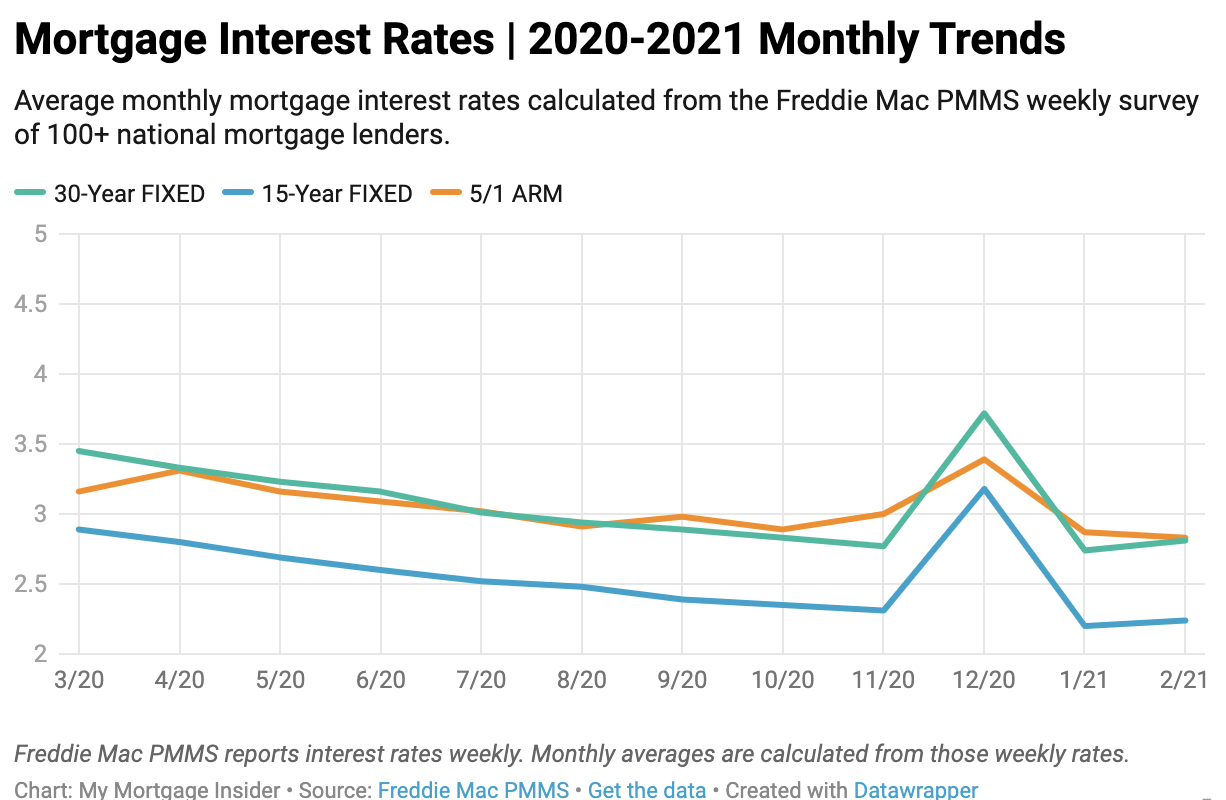
Recent Historical Context: Over the past few years, we’ve seen significant volatility. Post-pandemic, rates dipped to historic lows due to economic uncertainty and the Fed’s accommodative policies. More recently, in response to surging inflation, the Federal Reserve embarked on a series of aggressive rate hikes, pushing mortgage rates to levels not seen in over a decade. Understanding this recent history helps to contextualize current rates. Are they historically high, low, or somewhere in the middle?
-
Short-Term vs. Long-Term Outlook: Analysts constantly project where rates are headed. Short-term forecasts might focus on immediate Fed meetings or upcoming economic data releases. Long-term outlooks consider broader demographic shifts, technological advancements, and global economic trends. While no one can predict the future with certainty, these forecasts can inform your decision-making.
-
Impact on Affordability and Market Activity: Higher rates directly translate to higher monthly payments, reducing a buyer’s purchasing power and impacting overall housing affordability. This can cool down a hot housing market as fewer buyers qualify or choose to wait, leading to reduced sales volumes and potentially stabilizing or even decreasing home prices. Conversely, lower rates can stimulate demand and invigorate the market.
The Impact of Your Financial Profile
While market conditions set the general range for rates, your individual financial health significantly determines the specific rate you qualify for.
-
Credit Score: This is perhaps the single most important factor. Lenders use your credit score (e.g., FICO Score) to assess your creditworthiness. Borrowers with excellent credit (typically 760+) are considered lower risk and will consistently qualify for the best available interest rates. A lower score indicates higher risk to lenders, resulting in higher interest rates.
-
Down Payment: A larger down payment reduces the amount you need to borrow, which lowers the lender’s risk. Lenders often reward larger down payments (e.g., 20% or more) with more favorable interest rates. It also helps you avoid Private Mortgage Insurance (PMI) on conventional loans, further reducing your monthly housing cost.
-
Debt-to-Income (DTI) Ratio: Your DTI ratio is the percentage of your gross monthly income that goes towards debt payments (including your prospective mortgage payment). Lenders generally prefer a DTI ratio below 43%, though this can vary. A lower DTI indicates that you have more disposable income and are better able to handle your monthly mortgage payments, leading to better rate offers.
-
Loan Type and Term: As discussed, fixed-rate mortgages often have slightly higher rates than initial ARM rates. Furthermore, a 15-year mortgage typically carries a lower interest rate than a 30-year mortgage because the lender is taking on less risk over a shorter period. While the monthly payments are higher for a 15-year loan, the total interest paid over the life of the loan is significantly less.

Strategies for Securing the Best Home Interest Rate
Armed with an understanding of how rates work, you can employ several strategies to position yourself for the most advantageous mortgage terms.
Improve Your Financial Health
Before you even start house hunting, dedicate time to optimizing your financial standing.
-
Boost Your Credit Score: This is paramount. Pay all your bills on time, keep credit card balances low (aim for less than 30% utilization), avoid opening new credit accounts unnecessarily, and check your credit report for errors. Even a few points can make a difference in your rate.
-
Increase Your Down Payment: The more money you can put down upfront, the less you need to borrow, which signals less risk to lenders. Aiming for 20% or more can help you avoid PMI and potentially secure a better interest rate.
-
Lower Your DTI: Pay down existing debts, particularly high-interest consumer debt like credit cards or personal loans. Reducing your monthly debt obligations improves your DTI ratio, making you a more attractive borrower.
Understand Closing Costs and Points
The interest rate is just one component of the total cost of your mortgage.
-
Buying Down the Rate (Mortgage Points): You can often “buy down” your interest rate by paying discount points at closing. One point typically costs 1% of the loan amount and can reduce your interest rate by a certain fraction (e.g., 0.125% to 0.25%). This essentially involves paying interest upfront.
-
Analyzing the Break-Even Point: If you’re considering buying down the rate, calculate the break-even point. Divide the cost of the points by your monthly savings to determine how many months it will take to recoup the initial investment. If you plan to stay in the home longer than the break-even period, buying points might be a wise financial move. If you anticipate moving sooner or refinancing, it might not be worth it.
-
Total Cost of the Loan: Always consider the total package. A loan with a slightly higher interest rate but lower closing costs might be cheaper in the short term, especially if you don’t plan to stay in the home for many years. Always scrutinize the Loan Estimate for all fees.
Timing the Market vs. Personal Readiness
It’s natural to want to secure the absolute lowest interest rate, but predicting market movements is notoriously difficult.
-
The Challenge of Predicting Market Movements: Even seasoned economists struggle to accurately forecast interest rate fluctuations. Don’t let the pursuit of a slightly lower rate indefinitely delay your homeownership goals if you are otherwise financially ready.
-
Focus on Personal Financial Readiness: Prioritize having a stable job, a solid emergency fund, a good credit score, and a comfortable down payment. These personal factors are often more controllable and impactful than trying to time the market perfectly.
-
Locking in a Rate: Once you have an accepted offer on a home, you can “lock in” your interest rate with a lender. This guarantees your rate for a specific period (typically 30 to 60 days) while your loan processes. This protects you if rates rise during this time. Discuss lock-in periods, potential fees, and float-down options (if available, allowing you to get a lower rate if they drop before closing) with your lender.
Beyond the Rate: Other Considerations for Homebuyers
While the interest rate is a dominant factor, it’s crucial to view it as part of a larger financial picture when considering homeownership.
Total Cost of Homeownership
The mortgage payment (principal and interest) is just one component of owning a home.
-
Property Taxes: These are typically collected by your locality and can be a significant recurring expense, often bundled into your monthly mortgage payment (escrow).
-
Homeowner’s Insurance (HOI): Required by lenders, HOI protects your home and belongings against damage or theft. Like property taxes, it’s often included in your escrow.
-
Maintenance and Repairs: Unlike renting, homeowners are responsible for all upkeep. Budgeting for routine maintenance, unexpected repairs, and potential renovations is crucial. A common rule of thumb is to save 1% to 3% of your home’s value annually for maintenance.
-
Private Mortgage Insurance (PMI): If you make a down payment of less than 20% on a conventional loan, lenders will typically require you to pay PMI. This protects the lender if you default, adding an extra cost to your monthly payment until you build sufficient equity.
Refinancing Opportunities
Your initial mortgage isn’t necessarily forever. Refinancing can be a powerful financial tool.
-
When Refinancing Makes Sense:
-
Lower Rates: If interest rates have fallen significantly since you took out your original mortgage, refinancing to a lower rate can reduce your monthly payments and total interest paid.
-
Shorter Term: You might refinance from a 30-year to a 15-year mortgage to pay off your home faster, often at a lower interest rate, though with higher monthly payments.
-
Cash-Out Refinance: This allows you to borrow more than your current mortgage balance, taking out the difference as cash. This can be used for home improvements, debt consolidation, or other large expenses, leveraging the equity you’ve built.
-
-
Costs Associated with Refinancing: Be aware that refinancing involves closing costs, similar to your original purchase. These can include application fees, appraisal fees, title insurance, and more.
-
Analyzing the Break-Even Point: Just like with mortgage points, calculate how long it will take for your monthly savings from a lower interest rate to offset the refinancing costs. If you plan to stay in the home longer than that break-even period, refinancing can be beneficial.
The Long-Term Perspective
Homeownership is more than just a place to live; it’s a significant financial asset.
-
Building Equity: With each mortgage payment, you gradually pay down your principal balance and build equity in your home. This equity represents a tangible asset that can grow over time.
-
Wealth Creation Through Real Estate: Historically, real estate has been a strong vehicle for wealth accumulation. While market fluctuations occur, over the long term, property values tend to appreciate, contributing to your overall net worth.
-
Inflation Hedge: Real estate can act as a hedge against inflation. As the cost of goods and services rises, so too can property values and rental income, while your fixed mortgage payments (on a fixed-rate loan) remain constant, effectively becoming cheaper in real terms over time.
Conclusion
The question “What is the current home interest rate?” is a gateway to a deeper understanding of personal finance, economic forces, and strategic homeownership. While specific rates fluctuate daily, the underlying principles remain constant. Mortgage interest rates are a critical component of housing affordability, influenced by global economic health, central bank policies, and individual financial profiles.
To navigate this complex landscape effectively, prospective and current homeowners must remain informed, diligently strengthen their financial standing, and judiciously shop for the best loan terms. Remember that the interest rate, while paramount, is just one piece of the homeownership puzzle. By considering all aspects—from initial costs to long-term wealth building—you can make informed decisions that align with your financial goals and secure your place in the American dream of homeownership.
aViewFromTheCave is a participant in the Amazon Services LLC Associates Program, an affiliate advertising program designed to provide a means for sites to earn advertising fees by advertising and linking to Amazon.com. Amazon, the Amazon logo, AmazonSupply, and the AmazonSupply logo are trademarks of Amazon.com, Inc. or its affiliates. As an Amazon Associate we earn affiliate commissions from qualifying purchases.