
The landscape of contemporary fashion is no longer dictated solely by monolithic design houses releasing bi-annual collections. In the current era, fashion trends have evolved into a complex, decentralized ecosystem driven by digital identity, cultural nostalgia, and a burgeoning demand for brand authenticity. For professionals operating within the creative industries, understanding these shifts is not merely about tracking hemline lengths or color palettes; it is about recognizing the strategic pivots in brand positioning and the psychological drivers behind consumer spending.
As we navigate the current cycle, the convergence of high-level brand strategy and consumer-led movements has created a volatile yet lucrative environment. Brands that succeed are those that manage to weave their corporate identity into the fabric of these fluid trends, transforming fleeting aesthetic interests into long-term brand equity.

The Strategic Shift Toward Sustainable Luxury and Circularity
Modern consumers are increasingly sophisticated, forcing brands to move beyond performative sustainability. Today’s trend-conscious market prioritizes “conscious longevity,” a shift that has fundamentally altered brand strategy. Luxury houses and mid-market labels alike are now integrating circular economy models—such as resale programs, repair services, and upcycled capsule collections—directly into their core business identity.
Authenticity as a Corporate Asset
The era of greenwashing is effectively coming to a close. Modern brand strategy now dictates that transparency is a competitive advantage. Consumers are utilizing digital tools to track supply chains, effectively holding brands accountable for their environmental and ethical claims. For companies, this means that their sustainability narrative must be substantiated by operational reality. Brands that fail to integrate these values into their DNA risk alienation, as the “current trend” is no longer just a style, but a lifestyle alignment.
The Rise of the Pre-Loved Market
The normalization of second-hand retail has disrupted traditional primary market dynamics. By embedding resale platforms directly into their digital ecosystem, brands can control their secondary market presence, capture data on their own products’ lifecycles, and maintain brand prestige. This transition toward circularity is not just a trend; it is a fundamental shift in how brands value their own inventory.
Digital Identity and the Metaverse Influence
The boundary between physical and digital apparel has become increasingly porous. Fashion is no longer confined to the tactile experience; it has become a fundamental component of personal branding in virtual spaces. This digital evolution is forcing brands to re-evaluate their design processes and marketing pipelines.
The Strategy of Digital-First Design
Forward-thinking brands are now prototyping collections using 3D rendering software long before a single piece of fabric is cut. This methodology reduces waste, lowers costs, and creates digital assets that can be utilized in gaming environments or as high-fidelity marketing collateral. The ability to exist in both the physical world and the digital space has become a benchmark for modern corporate identity.
Personal Branding Through Virtual Aesthetics
Social media and digital platforms have turned every consumer into a curator of their own personal brand. Consequently, fashion has become a tool for signal-boosting one’s status within niche digital communities. Brands that understand the aesthetics of digital subcultures—such as the “core” movements that gain traction on short-form video platforms—are successfully capturing younger demographics by speaking the visual language of these online tribes. This strategy relies on rapid design iteration and a deep understanding of how digital content influences physical purchasing behavior.

The Power of Niche Community Influence
We have moved away from the age of the celebrity influencer toward the rise of the “micro-community” leader. Modern brand strategy now focuses on building deep, rather than wide, relationships. The current trend toward niche subcultures—ranging from hyper-feminine aesthetics to technical, utilitarian workwear—allows brands to target specific consumer segments with surgical precision.
Marketing Through Cultural Capital
Rather than deploying massive advertising budgets across broad demographics, brands are increasingly investing in community management and grassroots activation. By aligning with specific aesthetic subcultures, brands can cultivate a loyal following that views the company as an authentic participant in their community rather than a corporate outsider. This transition emphasizes the importance of design language; if a brand’s aesthetic matches the ethos of a specific group, the conversion rate increases dramatically.
Strategic Collaborations and Co-Creation
Collaborations have evolved from simple product drops to complex brand-merging exercises. Today, the most successful brands are those that invite their community into the design process. This co-creation strategy fosters a sense of ownership among consumers. When a brand allows its audience to influence its identity, the resulting product launch carries an inherent level of social proof, significantly reducing the risks associated with new market entries.
Nostalgia as a Strategic Lever
Nostalgia is a powerful emotional driver, and current trends are heavily anchored in the reclamation of past decades. However, this is not a literal translation of the past; it is a strategic reimagining. Brands are leveraging the cultural memory of the 1990s and 2000s to build bridges between generations, creating a cohesive brand identity that feels both familiar and refreshingly modern.
Resurrecting Brand Heritage
Brands with long histories are currently in a prime position to capitalize on this nostalgia by digging into their own archives. By revitalizing iconic designs from previous decades, companies are reinforcing their longevity and stability, which are highly attractive traits in an uncertain economic climate. This strategy turns a brand’s heritage into a living asset, allowing it to appeal to older loyalists while simultaneously attracting younger consumers seeking “vintage” authenticity.
Modernizing the Retro Aesthetic
The challenge for brands is to avoid becoming a parody of their own history. The strategy here is “the modern vintage”—taking the silhouette or the cultural cue from the past and applying contemporary fabric technology, ethical manufacturing, and updated color palettes. This balance between nostalgic comfort and modern innovation is where the most successful marketing campaigns currently reside. It allows for a brand to sell a narrative of continuity, effectively positioning itself as a permanent fixture in a constantly shifting fashion landscape.
Managing Growth in a Volatile Trend Cycle
The speed at which trends cycle today is unprecedented, primarily due to the democratization of content creation. For a brand, this presents a significant challenge: how to maintain a consistent corporate identity while remaining responsive enough to address changing tastes.
Agile Production and Inventory Management
The traditional seasonal retail cycle is under immense pressure. Successful brands are adopting agile supply chain models, allowing them to test products in small batches before committing to full-scale production. This “test-and-learn” strategy minimizes the risks associated with trend-based fashion. By utilizing data analytics to monitor consumer engagement with specific designs, brands can shift capital toward high-performing lines and pivot away from those that fail to gain traction.
Consistency as the Ultimate Strategy
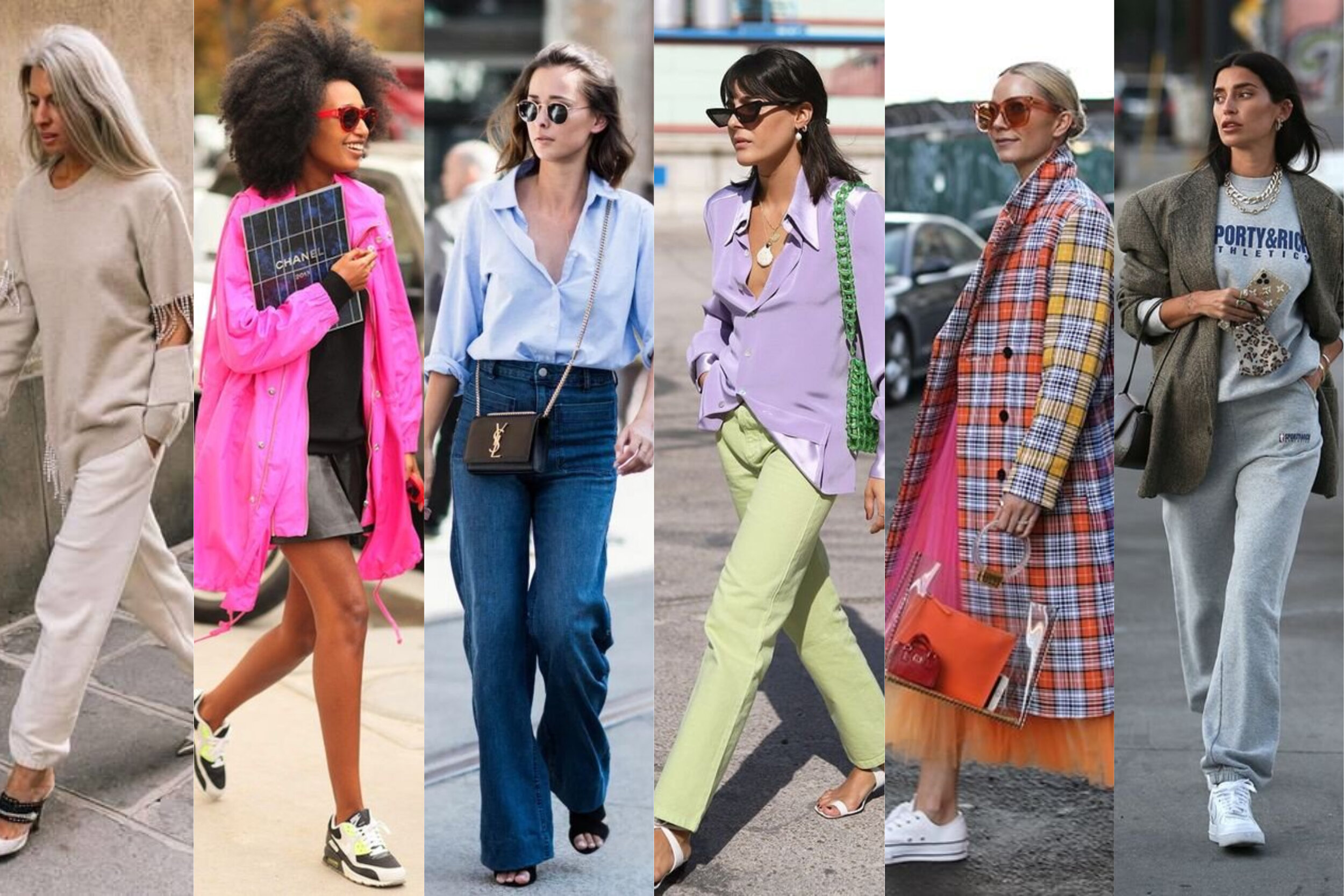
Despite the volatility, the most successful brands in this space maintain a “north star” identity. Regardless of whether a particular aesthetic trend is dominant—be it minimalist, maximalist, or somewhere in between—the brand’s core values, quality standards, and communication style remain constant. This consistency is what builds the brand equity necessary to weather the storm of shifting tastes. Consumers may chase the trend, but they stick with the brand that provides the reliable, high-quality container for that trend to exist within. In the final analysis, the “current fashion trend” is actually the trend of brands becoming smarter, faster, and more aligned with the nuanced demands of a digitally savvy and values-driven global audience.
aViewFromTheCave is a participant in the Amazon Services LLC Associates Program, an affiliate advertising program designed to provide a means for sites to earn advertising fees by advertising and linking to Amazon.com. Amazon, the Amazon logo, AmazonSupply, and the AmazonSupply logo are trademarks of Amazon.com, Inc. or its affiliates. As an Amazon Associate we earn affiliate commissions from qualifying purchases.