
The seemingly simple question, “What is curds and whey?” opens a fascinating gateway into the world of branding, particularly within the food industry. Far from being a mere culinary query, understanding the distinct identities of curds and whey offers a powerful lens through which to examine how brands are built, how they establish unique selling propositions, and how their perceived value is intrinsically tied to their origin and composition. This exploration delves into the fundamental differences between these two dairy components, tracing their lineage, and illuminating how these distinctions serve as the bedrock for diverse and successful brands.

The Genesis of Curds and Whey: A Fundamental Separation
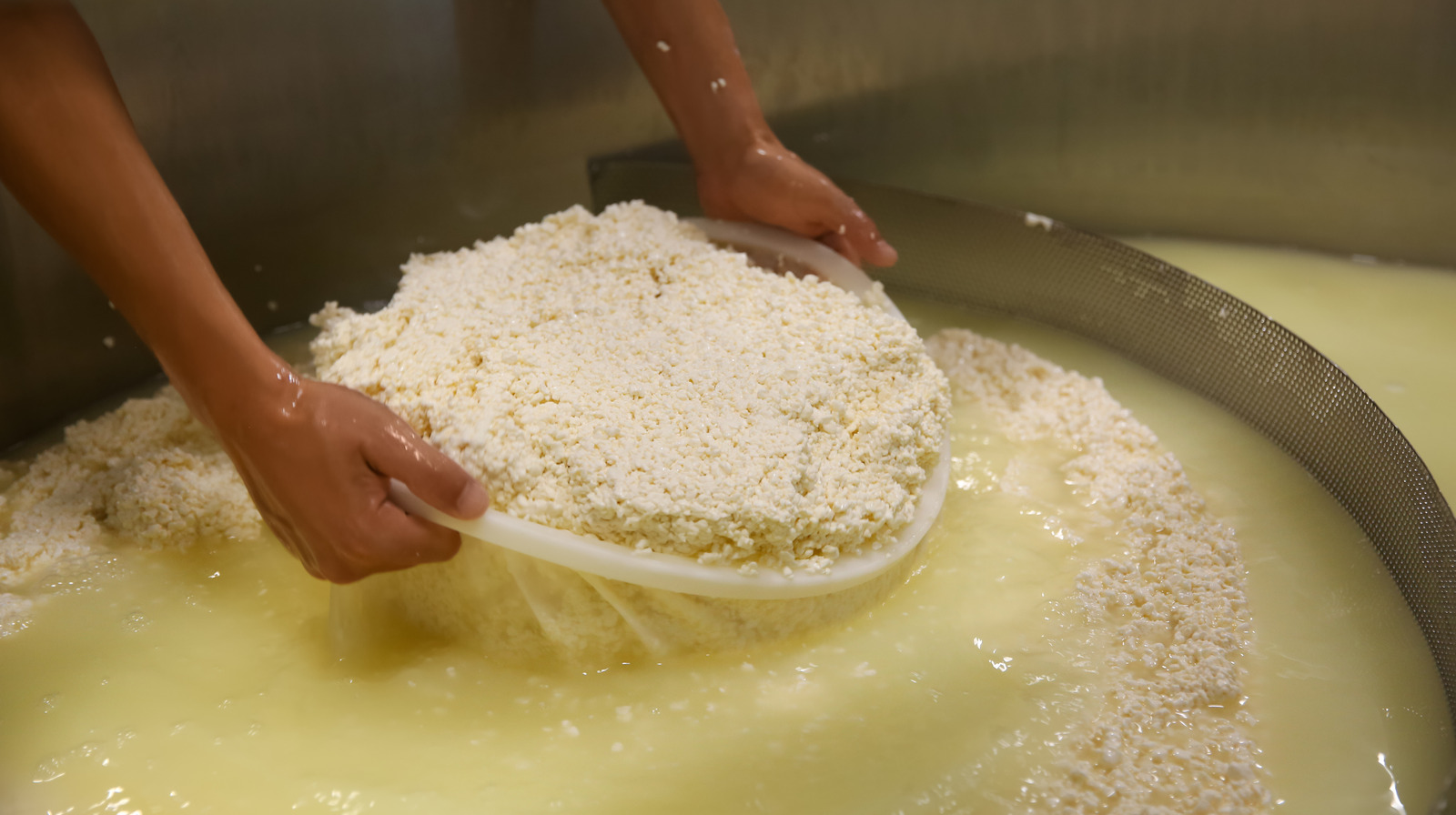
At its core, the distinction between curds and whey is a tale of separation, a process that occurs naturally or is initiated through the application of specific agents. This foundational difference is what allows for the development of entirely separate, yet often complementary, product categories and, by extension, distinct brand identities.
The Coagulation Process: Orchestrating the Separation
The transformation of milk into curds and whey is initiated by the coagulation of milk proteins, primarily casein. This process can be achieved through two primary mechanisms: enzymatic coagulation and acid coagulation.
Enzymatic Coagulation: The Traditional Path to Curds
Enzymatic coagulation is the method most commonly associated with cheesemaking. It involves the addition of rennet, an enzyme complex typically derived from the stomach lining of young ruminant animals, though microbial and vegetable rennets are also widely used. Rennet acts upon kappa-casein, a protein that stabilizes the casein micelles in milk. By cleaving kappa-casein, rennet destabilizes these micelles, leading them to aggregate and form a gel-like network – the curds. This process is gentle and results in a curd with a higher moisture content and a more delicate texture. The specific type of rennet, the temperature of the milk, and the duration of coagulation all play crucial roles in the characteristics of the resulting curds, directly influencing the potential for brand differentiation in the final cheese product. For example, the choice of rennet can impact flavor profiles and aging capabilities, which are key differentiators for premium cheese brands.
Acid Coagulation: The Direct Route to Tangy Curds
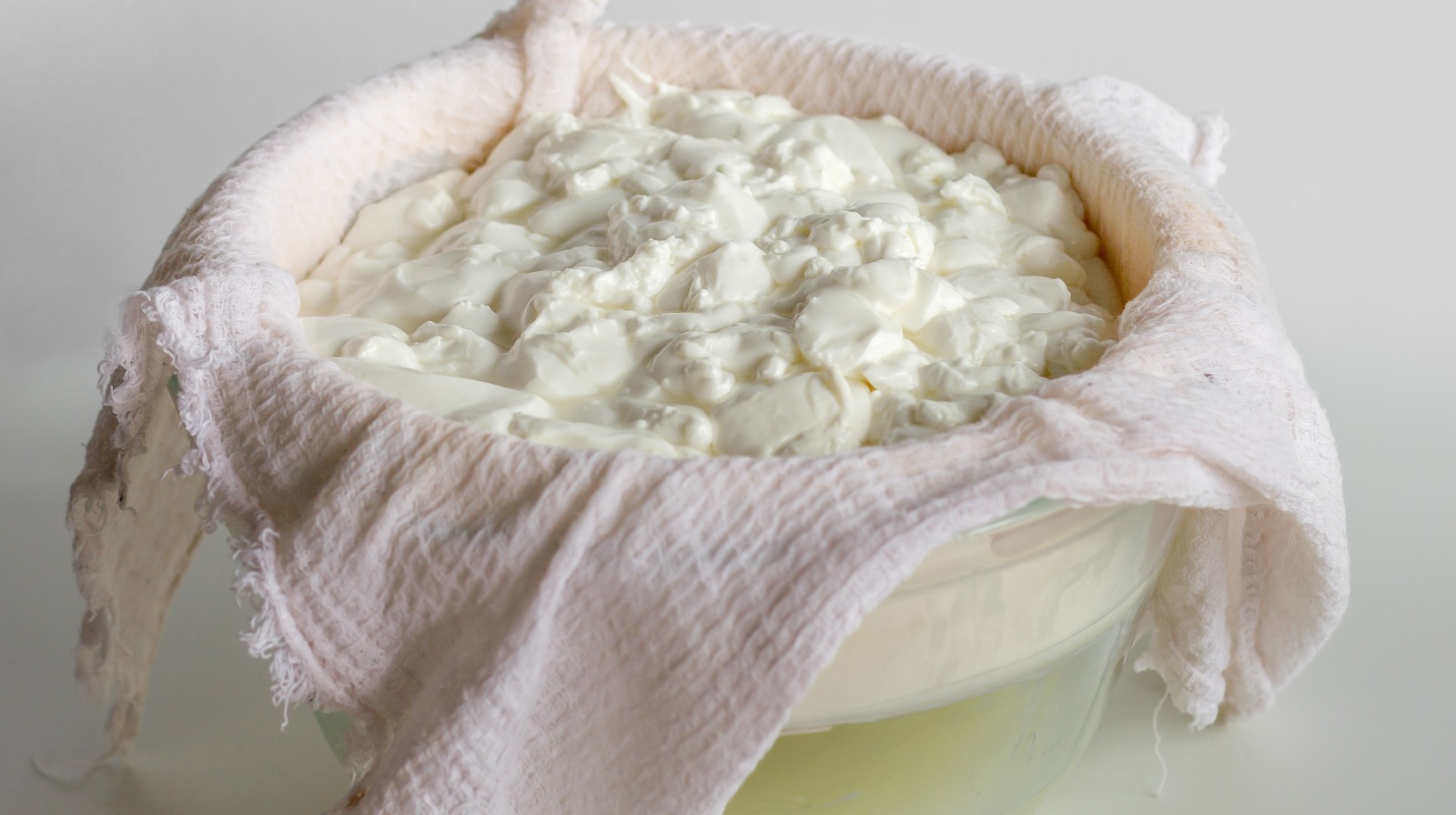
Acid coagulation, on the other hand, relies on lowering the pH of milk, typically through the addition of acidifying agents like lactic acid bacteria (found in starter cultures) or direct acidulants such as vinegar or lemon juice. As the pH drops below the isoelectric point of casein (around pH 4.6), the casein molecules lose their net charge and begin to aggregate, forming a curd. This process generally results in a firmer, more brittle curd with a tangier flavor profile compared to rennet-set curds. Products like cottage cheese and some types of cream cheese are often produced through acid coagulation. The distinct texture and flavor derived from acid coagulation present a clear branding opportunity, allowing for the creation of product lines that emphasize freshness, tanginess, and specific culinary applications.
The Byproduct: Unveiling the Potential of Whey
While the curds are the celebrated, protein-rich solid component destined for cheesemaking, whey is the liquid byproduct of this coagulation process. Historically, whey was often discarded or used as animal feed. However, advancements in food science and processing have revealed its significant nutritional value and versatile applications. Whey is rich in water-soluble proteins (such as lactoglobulin and lactalbumin), lactose (milk sugar), minerals, and vitamins. This nutritional profile has propelled whey from a mere byproduct to a valuable ingredient in its own right, underpinning a burgeoning segment of the health and nutrition market. The transformation of whey from a waste product into a branded, high-value ingredient is a compelling example of brand reinvention and value creation.
Branding Curds: From Cheese Archetypes to Niche Innovations
The curds, being the more visually and texturally prominent component, have historically been the primary focus of branding within the dairy sector. The vast diversity of cheeses worldwide is a testament to the myriad ways curds can be manipulated and presented, each offering a distinct brand proposition.
Archetypal Brands: The Pillars of Cheese Identity
Certain types of cheese have become archetypal brands, instantly recognizable and associated with specific qualities. Cheddar, for instance, conjures images of sharpness, meltability, and versatility, underpinning brands that range from mass-market affordability to artisanal premium offerings. Mozzarella evokes images of pizza and pasta, with brands emphasizing its stretchiness and mild flavor. Parmesan, with its granular texture and nutty, savory profile, commands a premium positioned around its aging process and culinary prestige. These archetypal brands benefit from established consumer expectations, allowing for a more direct marketing approach that highlights consistency and trusted quality. Their brand narratives often lean on heritage, regional origin, and traditional production methods.
Niche Brands: Carving Out Distinct Markets
Beyond the archetypes, a proliferation of niche brands has emerged, each targeting specific consumer needs and preferences. These brands often differentiate themselves through:
- Ingredient Sourcing: Brands emphasizing organic, grass-fed, or pasture-raised milk create a narrative of ethical and sustainable production, appealing to health-conscious and environmentally aware consumers. The “origin story” becomes a critical branding element.
- Flavor Innovation: The introduction of unique flavorings, herbs, spices, or fruit infusions allows brands to move beyond traditional profiles and capture the attention of adventurous palates. Think of spicy pepper jack, truffle-infused gouda, or lavender-honey goat cheese. Each flavor becomes a mini-brand within a larger portfolio.
- Dietary Specificity: The rise of plant-based diets has led to the development of “vegan cheese” brands, which, while not technically derived from curds, leverage the concept of cheese and its applications, creating a competitive brand landscape. Similarly, lactose-free cheese brands cater to specific dietary needs, offering a familiar product experience without the associated discomfort.
- Texture and Application Focus: Brands specializing in easily sliceable cheeses for sandwiches, melty cheeses for dips, or crumbly cheeses for salads directly address consumer convenience and specific usage occasions. This pragmatic branding approach simplifies purchasing decisions for consumers.
The success of these niche brands lies in their ability to identify unmet market needs and craft a compelling brand narrative that resonates with a targeted audience. They often build their brand equity on authenticity, transparency, and a clear articulation of their unique value proposition, distinguishing themselves from the broader, more generic “curd” market.
Branding Whey: The Rise of a Nutritional Powerhouse
The journey of whey from an overlooked byproduct to a high-value ingredient is a remarkable case study in brand transformation and market creation. Brands now actively leverage the nutritional benefits and functional properties of whey to build robust product lines and establish themselves as leaders in the health and wellness space.
The Nutritional Narrative: Protein Power and Beyond
The primary driver behind whey’s branding success is its exceptional nutritional profile. Brands meticulously craft narratives around the concept of “high-quality protein,” highlighting its complete amino acid profile and rapid absorption rate, making it ideal for muscle recovery and growth.
- Whey Protein Isolate vs. Concentrate: Brands often differentiate their whey products by specifying whether they offer whey protein isolate (higher protein percentage, lower fat and lactose) or whey protein concentrate (more flavor, potentially more beneficial compounds, but with slightly higher fat and lactose). This level of detail appeals to informed consumers seeking specific nutritional outcomes and allows brands to command premium pricing for isolates.
- Functional Benefits: Beyond protein, brands promote other functional benefits of whey, such as its potential impact on immune function (due to immunoglobulins) or gut health. This expansion of the “whey narrative” broadens its appeal to a wider health-conscious demographic.
- Targeted Demographics: Brands segment their whey products for specific audiences: athletes, bodybuilders, weight-conscious individuals, or even those seeking general wellness support. Each segment has its own unique brand messaging, imagery, and product formulations.
Applications and Innovations: Expanding the Whey Horizon
The versatility of whey extends beyond simple protein powders. Brands are innovating and branding whey-derived ingredients for a diverse range of applications, demonstrating its adaptability and market potential.
- Sports Nutrition: This is the most dominant segment for branded whey products, with countless brands offering powders, bars, and ready-to-drink beverages. The branding here is aggressive, often featuring elite athletes, scientific claims, and performance-oriented imagery.
- Infant Formula: Specially processed whey proteins are a crucial component of many infant formulas, providing essential nutrients for growth and development. Brands in this space emphasize safety, purity, and scientific backing, often partnering with pediatricians.
- Food and Beverage Ingredients: Whey ingredients are increasingly being incorporated into baked goods, snacks, dairy alternatives, and even processed meats to enhance texture, nutritional value, and shelf-life. Brands that supply these ingredients often focus on technical specifications and functional benefits for B2B clients.
- Health Supplements: Beyond protein, brands are developing supplements that focus on specific whey-derived compounds, such as lactoferrin for immune support or alpha-lactalbumin for its potential calming effects. This represents a more specialized and scientifically driven segment of whey branding.
The branding of whey is a testament to strategic market development, transforming a byproduct into a recognized and trusted brand category. It highlights the power of understanding fundamental composition and translating that into tangible benefits for consumers, supported by compelling marketing and product innovation.
The Interplay of Curds and Whey Brands: Synergy and Competition
While curds and whey represent distinct entities with their own branding trajectories, their relationship is not always one of pure separation. There are instances where their brands complement each other, and other times where they compete for consumer attention and market share, offering a complex and dynamic branding landscape.
Complementary Branding: The Dairy Ecosystem
In many instances, brands that specialize in curds (cheeses) and brands that specialize in whey (protein supplements) operate within a broader dairy ecosystem, often sharing a common source and appealing to overlapping consumer bases. A dairy cooperative, for example, might produce both artisanal cheeses and high-quality whey protein powders, leveraging the overall reputation and trust associated with their farm-to-table ethos.
- Shared Origin Story: Brands can build a narrative around the “whole milk” concept, highlighting the quality of their milk source as the foundation for both their cheese and whey products. This can create a sense of holistic quality and responsible utilization of resources.
- Cross-Promotion Opportunities: A cheese brand might, for instance, feature whey protein bars as a complementary healthy snack, or a whey brand might promote healthy recipes that incorporate their protein powder into dairy-based dishes. This strategic cross-promotion can expand reach and reinforce brand associations.
- Consumer Lifestyle Alignment: Both cheese and whey products can cater to consumers who appreciate healthy eating, culinary exploration, and natural ingredients. Branding that emphasizes these lifestyle aspects can create synergy between distinct product lines.
Competitive Dynamics: Market Share and Consumer Choice
However, the growth of the whey market has also introduced competitive dynamics, particularly as whey ingredients become more sophisticated and accessible.
- Alternative Protein Sources: While not directly derived from curds, the rise of plant-based protein brands (pea, soy, rice) directly competes with whey protein for market share in the sports nutrition and health supplement sectors. This competition forces whey brands to continually reinforce their unique selling propositions.
- Value Perception: In some consumer segments, there might be a perceived competition for “premium dairy dollars.” A consumer might choose to allocate their budget towards expensive artisanal cheese or towards high-end whey protein, depending on their priorities. Brands must clearly articulate their value to secure that allocation.
- “Clean Label” Trends: The “clean label” movement, emphasizing minimal processing and natural ingredients, influences both curd and whey branding. Brands that can successfully position their products as pure and minimally processed, regardless of whether they are cheese or whey, can gain a competitive edge.
Understanding the nuanced relationship between curds and whey branding reveals a dynamic marketplace where synergy and competition constantly shape consumer perceptions and purchasing decisions. The ability of brands to navigate these complexities, by emphasizing distinctiveness and shared values, is crucial for long-term success. The simple question, “What is curds and whey?” ultimately leads to a profound understanding of how origins, processes, and distinct identities form the very fabric of successful brands in the modern economy.
aViewFromTheCave is a participant in the Amazon Services LLC Associates Program, an affiliate advertising program designed to provide a means for sites to earn advertising fees by advertising and linking to Amazon.com. Amazon, the Amazon logo, AmazonSupply, and the AmazonSupply logo are trademarks of Amazon.com, Inc. or its affiliates. As an Amazon Associate we earn affiliate commissions from qualifying purchases.