
In the rapidly evolving landscape of technology, we often focus on silicon chips, cloud computing, and neural networks. However, one of the most critical “operating systems” for human progress isn’t digital; it is biological. At the heart of the biotechnology revolution—from the development of life-saving vaccines to the creation of lab-grown proteins—lies a fundamental technology known as culture media.
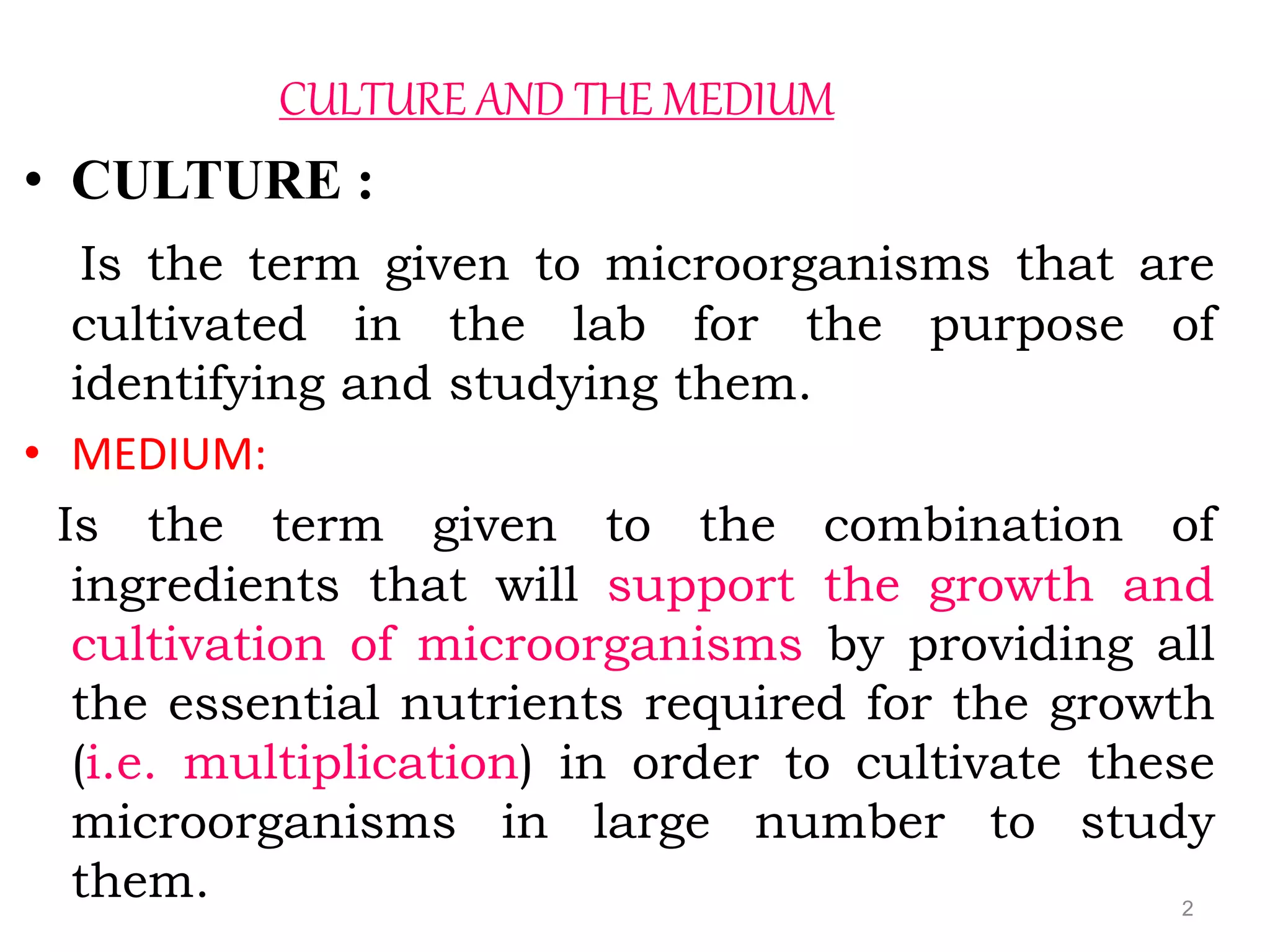
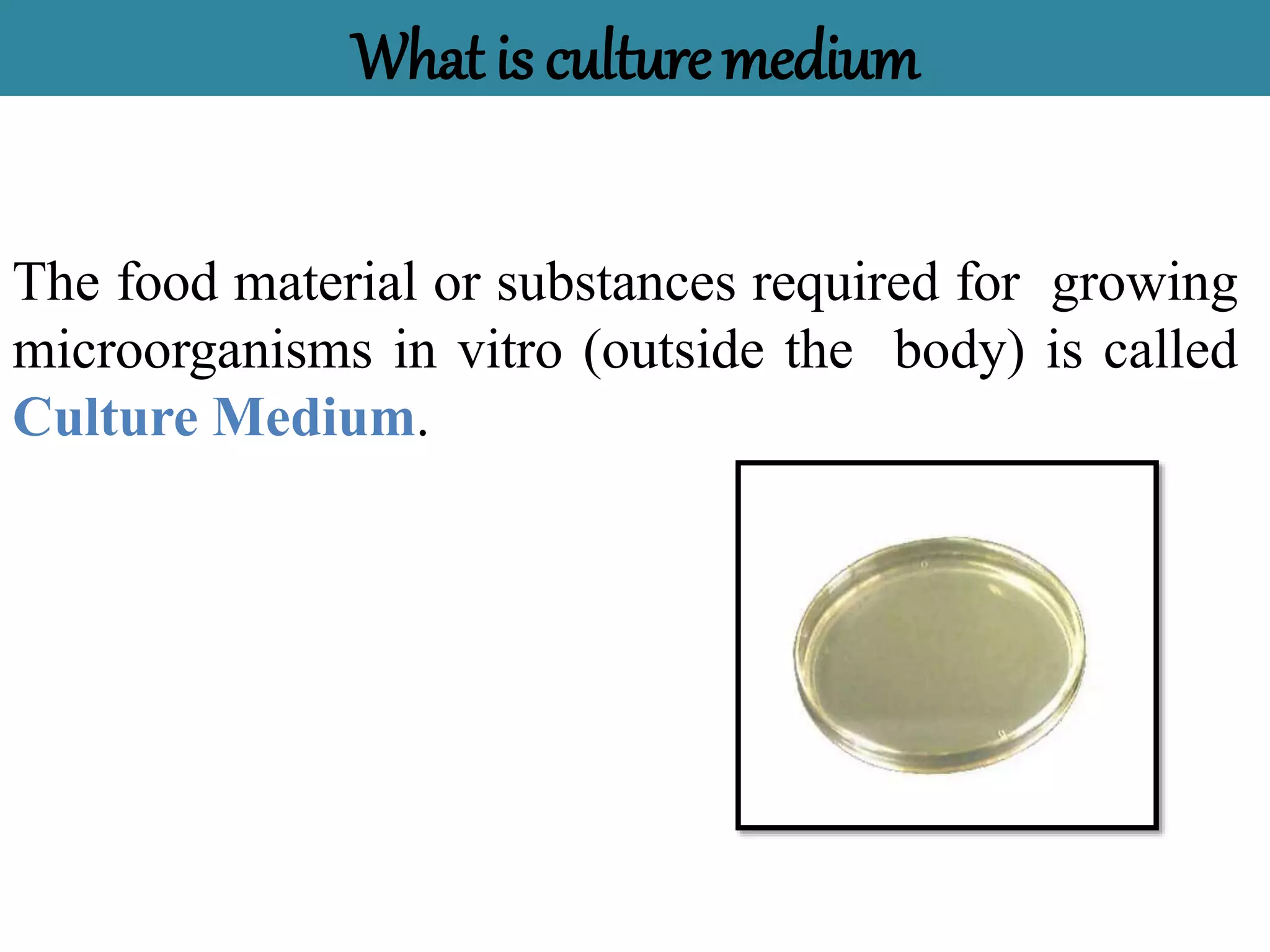
Culture media, often referred to as growth media, are complex mixtures of nutrients, minerals, and growth factors designed to support the growth, survival, and reproduction of microorganisms or cells outside their natural environment. In the context of modern tech, culture media is the essential infrastructure that allows scientists to “program” biological systems to perform specific tasks. This article explores the technological intricacies of culture media, its role in the digital transformation of biology, and how it serves as the backbone of the global bio-economy.
1. The Technological Fundamentals of Culture Media
To understand culture media from a technical perspective, one must view it as a precision-engineered environment. Just as a software application requires a specific runtime environment to function, biological cells require a highly specific chemical and physical environment to thrive.
Chemical Composition and Precision Engineering
At its core, culture media is a balanced cocktail of essential elements. This includes carbon sources (usually glucose), nitrogen sources (amino acids or proteins), vitamins, and inorganic salts. In a high-tech laboratory setting, these components are no longer just “mixed.” They are engineered with atomic precision.
Modern “defined media” are formulated where every single chemical component is known at a molecular level. This level of precision is vital for reproducibility in tech-driven research. If a biotech company is using CRISPR to edit a genome, the medium must be perfectly consistent to ensure that any observed changes are a result of the genetic edit, not a fluctuation in nutrient levels.
Physical States and Specialized Hardware
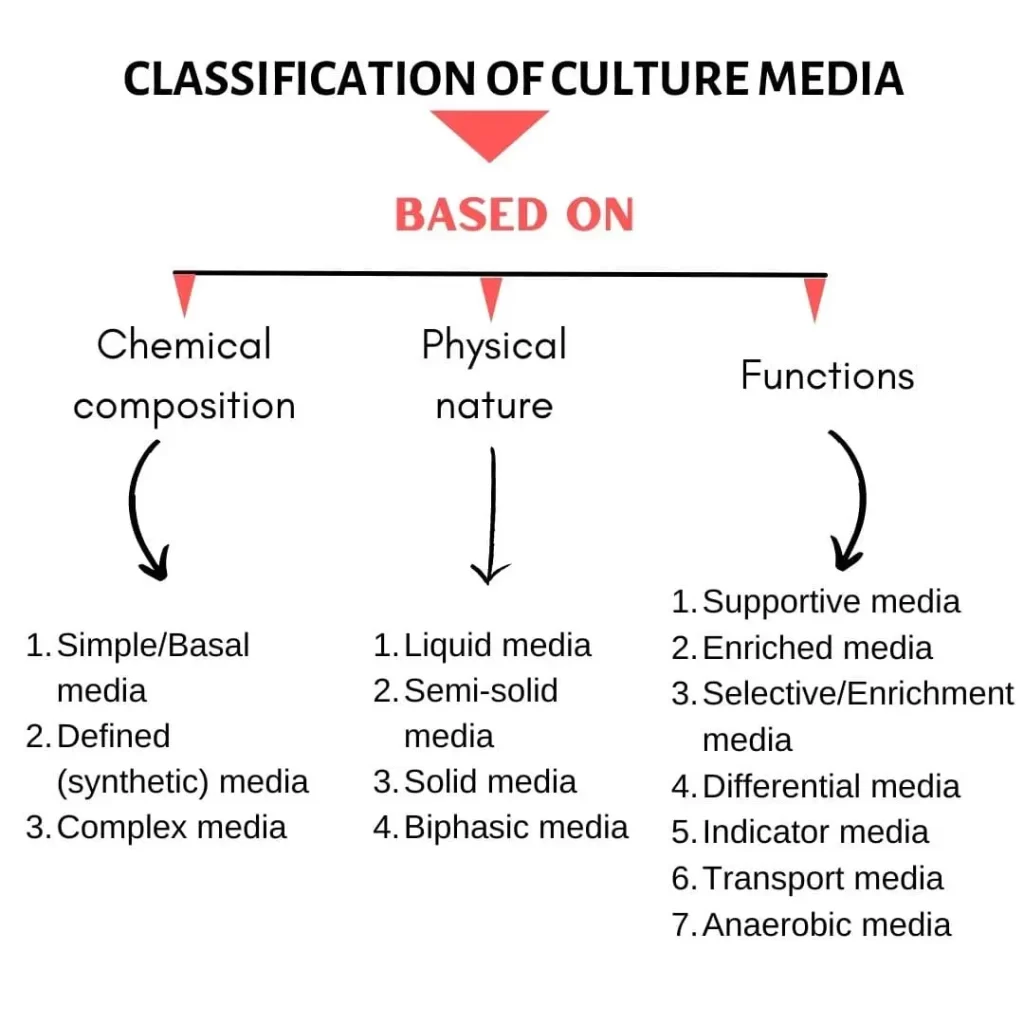
Culture media exists in several physical states, each serving a distinct technological purpose. Solid media, typically solidified with agar, are used for isolating pure cultures and are essential for microbial “quality control” in pharmaceutical tech. Liquid media, or broths, are used in large-scale bioreactors where high-density growth is required for manufacturing.
The “hardware” used to manage these media has also evolved. Automated plate-streaking robots and high-throughput liquid handling systems now manage the distribution of media, reducing human error and increasing the speed of biological experimentation tenfold.
2. Digital Transformation: AI and Machine Learning in Media Formulation
One of the most exciting intersections of “Tech” and “Culture Media” is the application of Artificial Intelligence (AI) to optimize growth environments. Historically, creating the perfect media for a new cell line was a tedious process of trial and error. Today, data-driven software is changing the game.
High-Throughput Screening (HTS)
Modern laboratories use high-throughput screening technologies to test thousands of media variations simultaneously. Sensors integrated into micro-well plates monitor pH, dissolved oxygen, and metabolite levels in real-time. This massive influx of data is then processed by machine learning algorithms to identify the “optimal” recipe for growth. This is the biological equivalent of A/B testing in software development.
Predictive Modeling and Digital Twins
Tech companies are now developing “Digital Twins” of bioreactors and the media within them. By creating a digital model of how a specific cell interacts with its culture media, researchers can run simulations to predict how the cells will behave if a specific nutrient is increased or decreased. This predictive capability saves millions of dollars in research and development costs and accelerates the time-to-market for new biotechnological tools.
3. Culture Media in the Era of Synthetic Biology and Manufacturing
As we move toward a “bio-fabricated” future, culture media is becoming the primary input for several emerging tech sectors. The ability to grow complex tissues and specialized microbes at scale is redefining what we can “manufacture.”
Cellular Agriculture and Food Tech
One of the most disruptive applications of culture media is in cellular agriculture—the production of lab-grown meat. To make cultured meat a viable consumer technology, the industry must solve a significant engineering challenge: creating “Serum-Free Media.” Traditionally, media relied on fetal bovine serum, which is expensive and ethically problematic.
Tech startups are now using precision fermentation to bio-engineer the growth factors needed for these media, effectively replacing animal-derived components with tech-driven, sustainable alternatives. This shift is turning the food industry into a high-tech sector, where the “media recipe” is a closely guarded piece of intellectual property.
Pharmaceutical Technology and Monoclonal Antibodies
In the pharmaceutical sector, culture media is the critical component for producing biologics and monoclonal antibodies—the drugs used to treat cancer and autoimmune diseases. The technological demand here is for “Chinese Hamster Ovary” (CHO) cell media. These cells act as “living factories.” The media they inhabit must be optimized to ensure that the proteins they produce are folded correctly and are safe for human injection. The integration of IoT sensors in these large-scale bioreactors ensures that the media remains at an optimal state throughout the weeks-long production cycle.
4. Digital Quality Control and Monitoring Systems
In any high-tech manufacturing process, quality control is paramount. For culture media, this involves a sophisticated array of digital monitoring tools designed to ensure sterility and chemical integrity.
IoT and Real-Time Analytics
The modern “smart lab” utilizes Internet of Things (IoT) devices to monitor the storage and use of culture media. Because media are often light-sensitive or temperature-sensitive, smart refrigerators equipped with digital logs ensure that the media’s efficacy is never compromised.
Furthermore, during the growth process, real-time analytics platforms monitor the “health” of the media. If a batch of cells begins to produce toxic metabolic byproducts, automated systems can inject “feed” media to balance the environment, much like an automated server-scaling system manages a sudden spike in web traffic.
Data Integrity and Blockchain in the Supply Chain
The supply chain for culture media components is global and complex. To ensure the purity of ingredients, some tech-forward biotech firms are exploring blockchain technology. By recording the provenance of every amino acid and mineral on a decentralized ledger, companies can guarantee that their culture media is free from contaminants, which is vital for maintaining the “Digital Security” of biological products and preventing catastrophic batch failures.
5. The Future of Bio-Tech: Sustainable and Specialized Media
The future of culture media lies in customization and sustainability. As we look toward the next decade, the technology surrounding these “nutrient soups” will become even more specialized.
Organ-on-a-Chip and Microfluidics
The rise of “Organ-on-a-Chip” technology requires culture media that can mimic the complex flow of human blood. This involves microfluidic technology—chips with tiny channels that deliver media to cells in a way that simulates the human body’s circulatory system. This is a pinnacle of tech integration, combining mechanical engineering, fluid dynamics, and biological science to reduce the need for animal testing in drug development.
Space-Tech and Extra-Terrestrial Culturing
As humanity looks toward long-term space exploration, the tech for “Space-Culture Media” is in development. Scientists are researching dehydrated, lightweight media formats that can be reconstituted using recycled water on the International Space Station or future Mars colonies. This would allow astronauts to grow their own medicine or supplemental food in space, utilizing automated “bio-pods” powered by advanced life-support software.
Conclusion
While culture media might seem like a niche biological tool, it is, in fact, one of the most vital technologies of the 21st century. It is the soil in which the future of medicine, food, and environmental science is planted. By integrating AI, IoT, and high-precision engineering, the technology of culture media has evolved from simple laboratory recipes to a sophisticated digital and chemical infrastructure.
As biotechnology continues to merge with information technology, the importance of culture media will only grow. It remains the essential medium—both literally and figuratively—through which we translate biological potential into technological reality. For any tech professional or investor looking at the horizon, understanding the “culture” in the media is just as important as understanding the code in the software.
aViewFromTheCave is a participant in the Amazon Services LLC Associates Program, an affiliate advertising program designed to provide a means for sites to earn advertising fees by advertising and linking to Amazon.com. Amazon, the Amazon logo, AmazonSupply, and the AmazonSupply logo are trademarks of Amazon.com, Inc. or its affiliates. As an Amazon Associate we earn affiliate commissions from qualifying purchases.