
In the realm of global commerce, the most successful brands are those that transcend their physical products to become part of the cultural fabric of the societies they enter. This phenomenon is known as cultural diffusion—the process by which ideas, styles, religions, technologies, and languages spread from one group of people to another. When viewed through the lens of brand strategy, cultural diffusion is the ultimate goal of international expansion. It is not merely about selling a product in a new market; it is about the brand becoming a recognized, accepted, and integrated symbol within a local culture.
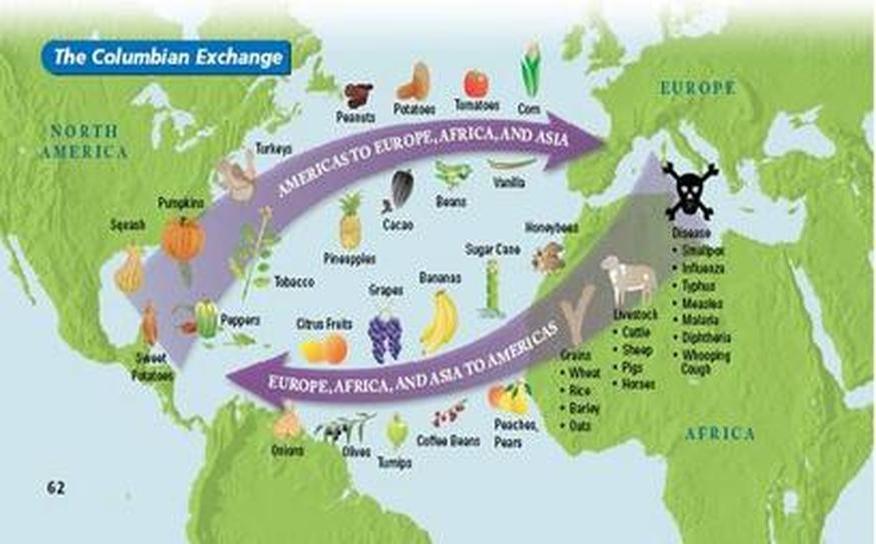
Understanding the mechanics of cultural diffusion allows brand strategists to navigate the complex intersection of global identity and local nuance. Whether a brand is moving from Silicon Valley to Southeast Asia or from a niche subculture to the mainstream, the principles of diffusion dictate how that brand will be perceived, adopted, or rejected.
The Mechanics of Brand Diffusion: From Origin to Adoption
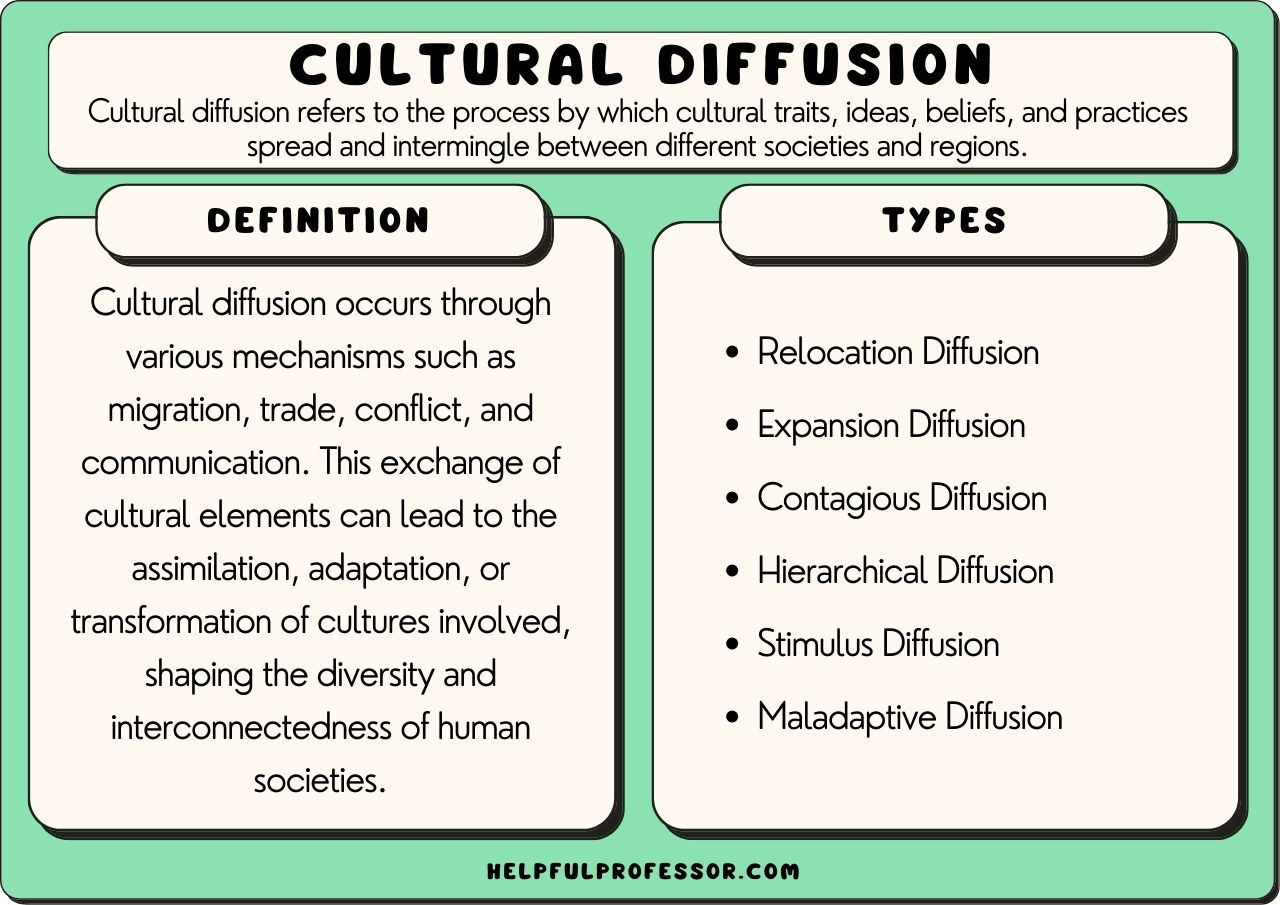
Cultural diffusion is rarely a random occurrence; in the business world, it is a calculated strategic movement. To understand how a brand spreads, we must look at the various types of diffusion and how they apply to modern marketing and corporate identity.
Expansion and Contagious Diffusion
In branding, contagious diffusion occurs when an idea or brand identity spreads rapidly through a population, similar to a viral trend. This is often seen in the digital age where social media platforms act as the primary medium. A brand like Red Bull didn’t just sell an energy drink; it diffused a culture of extreme sports and “giving you wings.” By associating with high-octane events, the brand identity spread contagiously across borders, adopted by youth cultures worldwide who shared those specific values, regardless of their geographic location.
Hierarchical Diffusion
Hierarchical diffusion involves the spread of an idea from a position of authority or a “top-down” approach. In branding, this often happens when a high-end luxury brand influences the broader market. Brands like Apple or Tesla utilize hierarchical diffusion; their innovations and design languages start with early adopters and high-net-worth individuals before trickling down into the mass market. By the time the technology becomes affordable for the average consumer, the “culture” of the brand has already been established as a status symbol.
Relocation Diffusion
Relocation diffusion occurs when people move and take their cultural traits—and brand preferences—with them. In a globalized workforce, this is a significant driver for brand strategy. When expatriates or digital nomads move to new cities, they demand the brands they are familiar with. This creates an “entry point” for brands like IKEA or Starbucks to enter new markets, as they have a pre-existing base of consumers who act as ambassadors for the brand’s culture within the new environment.
The Core Elements of Cultural Brand Integration
For a brand to successfully diffuse into a new culture, it cannot remain a “foreign” entity forever. It must undergo a process of integration where its core values align with the local ethos while maintaining its unique brand identity.
Visual Semiotics and Symbolic Adaptation
The visual elements of a brand—logos, colors, and typography—carry different meanings in different cultures. Cultural diffusion requires a deep understanding of semiotics. For example, while the color white might represent purity in Western brand strategies, it can symbolize mourning in certain Eastern cultures. Strategic diffusion involves “transcreating” these visual cues so that the brand’s “spirit” remains intact even if its aesthetic shell is adjusted to resonate with local sensibilities.
Value Alignment and Social Responsibility
Modern consumers do not just buy products; they buy into belief systems. Cultural diffusion is most effective when a brand aligns its corporate identity with the social values of the target demographic. A brand entering the Scandinavian market might prioritize sustainability and egalitarianism in its messaging, as these are foundational cultural pillars. Conversely, the same brand might focus on family heritage and tradition when expanding into Mediterranean or Latin American markets. This alignment ensures that the brand is not seen as an invader, but as a contributor to the local social fabric.
The Role of Digital Influencers as Cultural Bridges
In the contemporary landscape, cultural diffusion is facilitated by “cultural intermediaries”—influencers and content creators who translate global brand messages into local vernacular. These individuals have the trust of their communities and can contextualize a global brand’s identity within a specific cultural framework. By partnering with local voices, a brand can navigate the nuances of slang, humor, and social etiquette that are often invisible to high-level corporate strategists.
Glocalization: The Strategic Peak of Cultural Diffusion
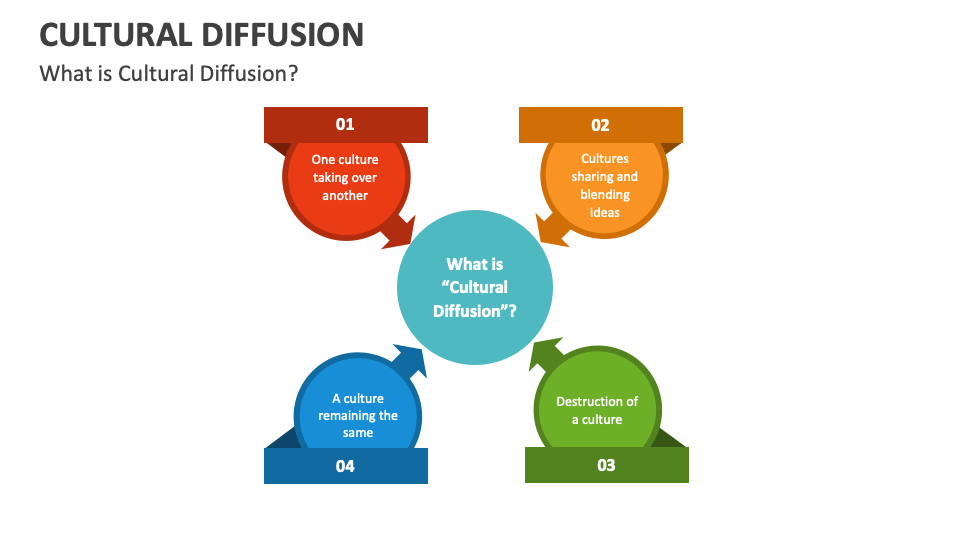
The term “glocalization”—a portmanteau of globalization and localization—represents the most sophisticated form of cultural diffusion. It is the practice of conducting business according to both local and global considerations.
Maintaining Brand Consistency vs. Local Relevance
The greatest challenge in brand diffusion is the tension between consistency and adaptation. If a brand changes too much, it loses the “foreign allure” or the standardized quality that made it famous. If it changes too little, it remains an outsider. Successful “glocal” brands like McDonald’s maintain a consistent core identity (the golden arches, the speed of service) but diffuse into the local culture by offering region-specific menu items (the Teriyaki McBurger in Japan or the McSpicy Paneer in India). This strategy respects the local palate while reinforcing the global brand promise.
Navigating Cultural Taboos and Sensitivity
Cultural diffusion can fail spectacularly if a brand ignores local sensitivities. Strategic brand diffusion requires rigorous ethnographic research to avoid “cultural tone-deafness.” This includes understanding religious sensitivities, historical traumas, and gender roles within a target market. A brand that successfully navigates these complexities demonstrates “Cultural Intelligence” (CQ), which is becoming a vital metric for international brand managers.
The Feedback Loop: Reverse Diffusion
Diffusion is not a one-way street. Often, a brand’s experiences in a new culture will “diffuse back” to its home market, influencing its global strategy. For example, the minimalist aesthetic of Japanese lifestyle brands like MUJI has diffused into Western interior design, influencing how Western brands approach product development. This reverse diffusion creates a more diverse and robust global brand identity that draws from multiple cultural wells.
Case Studies: Masterclasses in Cultural Brand Diffusion
To truly understand how cultural diffusion functions as a brand strategy, we must look at organizations that have successfully woven themselves into the global tapestry.
The “Starbucks” Effect and Urban Culture
Starbucks did not just sell coffee; it sold the “Third Place”—a location between home and work where people could gather. This concept was a specific cultural export from Seattle that diffused globally. In many countries, the arrival of Starbucks changed the local coffee culture, shifting it from a quick, standing-up experience (like the Italian espresso bar) to a prolonged, sit-down “lifestyle” experience. Starbucks successfully diffused a specific American urban middle-class culture into diverse global contexts by focusing on the “experience” rather than just the beverage.
Tech-Brand Hybrids and the Spread of Ecosystems
Brands like Google and Amazon have achieved a level of cultural diffusion where their names have become verbs. This is the ultimate stage of diffusion: linguistic integration. Their brand strategy involves creating an ecosystem that becomes essential to daily life. By offering tools that facilitate local communication, commerce, and information-seeking, these brands become invisible infrastructure. Their “culture” is one of efficiency and connectivity, which has diffused so thoroughly that it is often no longer perceived as “American” culture, but as “modern” culture.
The Future of Brand Diffusion: The Digital and Virtual Frontier
As we move further into the digital age, the mechanisms of cultural diffusion are shifting from physical geography to virtual communities.
Diffusion in the Metaverse and Gaming
Virtual worlds represent the new frontier for brand diffusion. In platforms like Roblox or Fortnite, brand identities are diffused through digital skins, virtual events, and “phygital” (physical-digital) products. In these spaces, “culture” is defined by interest and digital fluency rather than nationality. Brands that can successfully diffuse into these virtual subcultures are positioning themselves for a future where identity is fluid and borderless.
Algorithmic Curation and the Niche-to-Global Pipeline
Algorithms on platforms like TikTok and Instagram have accelerated the rate of cultural diffusion. A niche aesthetic from a small town in South Korea can become a global brand trend within days. Brand strategists must now monitor these algorithmic “heat maps” to identify where cultural diffusion is happening in real-time. The ability to pivot a brand’s identity to ride these waves of diffusion is a critical skill for the modern marketer.
Ethical Responsibility in Cultural Diffusion
As brands become powerful agents of cultural change, they carry an ethical responsibility. Cultural diffusion should not result in “cultural erasure” or the homogenization of the world. The most respected brand strategies of the future will be those that promote “cultural exchange” rather than “cultural imperialism.” This involves empowering local creators, respecting indigenous intellectual property, and ensuring that the diffusion of a brand brings genuine value to the community it enters.
In conclusion, cultural diffusion is the engine of global brand growth. By understanding how ideas travel, how values align, and how identities adapt, brands can move beyond being mere vendors to becoming meaningful participants in the global human story. The brands that master this process are those that will endure, evolving alongside the cultures they help to shape.
aViewFromTheCave is a participant in the Amazon Services LLC Associates Program, an affiliate advertising program designed to provide a means for sites to earn advertising fees by advertising and linking to Amazon.com. Amazon, the Amazon logo, AmazonSupply, and the AmazonSupply logo are trademarks of Amazon.com, Inc. or its affiliates. As an Amazon Associate we earn affiliate commissions from qualifying purchases.