
In the contemporary marketplace, the value of a brand is no longer measured solely by its balance sheet or the utility of its products. We have entered an era where “Cultural Capital” serves as the primary engine for long-term growth, consumer loyalty, and market resilience. While the term originated in the field of sociology, it has become the most critical framework for brand strategists, marketing executives, and entrepreneurs who seek to move beyond commodity status and enter the realm of cultural icons.
Cultural capital is the intangible currency of symbols, ideas, and tastes that allow a brand to resonate with a specific audience’s identity. It is what separates a generic white sneaker from a pair of Nike Air Jordans, or a standard cup of coffee from a local roastery with a cult following. For a brand, possessing cultural capital means being “in the know”—it is the ability to influence culture rather than just react to it.
The Foundations of Cultural Capital in Branding
To leverage cultural capital, one must first understand its theoretical roots and how it translates into commercial strategy. Unlike financial capital, which is liquid and easily transferred, cultural capital must be earned through authenticity, consistency, and a deep understanding of human behavior.
Defining Cultural Capital: Beyond Pierre Bourdieu
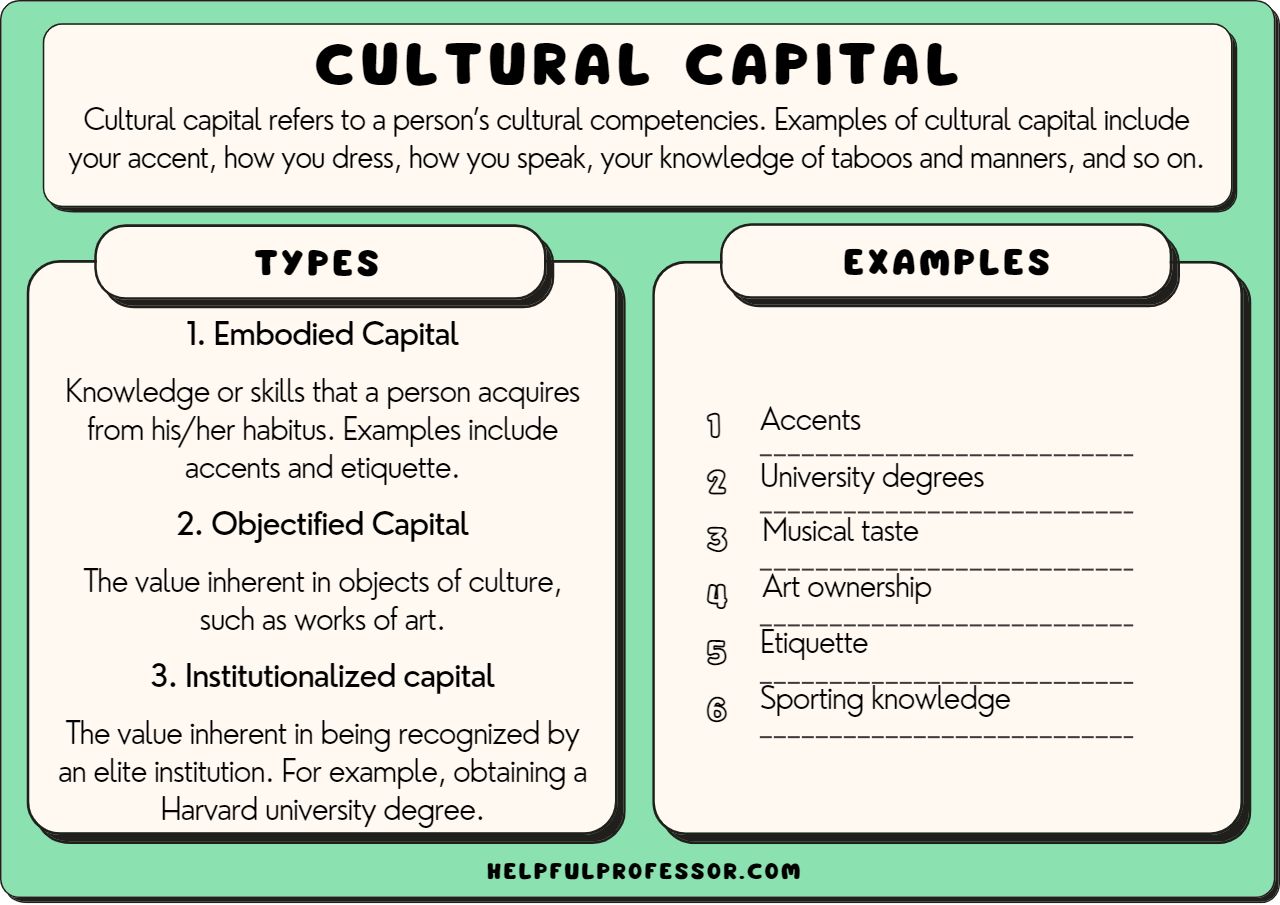
The concept of cultural capital was popularized by French sociologist Pierre Bourdieu in the 1970s. He argued that social status isn’t just about how much money you have, but about the knowledge, skills, and cultural artifacts you possess. In the context of branding, cultural capital refers to a brand’s ability to embody the values, aesthetics, and aspirations of a particular community. It is the “social credit” a brand gains by proving it understands the nuances of its audience’s lifestyle.
The Shift from Functional to Cultural Value
For decades, marketing was built on functional superiority—faster, stronger, cheaper. However, in a world of infinite choice and manufacturing parity, functional benefits are easily replicated. Cultural capital shifts the focus from what a product does to what it means. When a brand possesses high cultural capital, consumers do not just buy the product; they “hire” the brand to signal their own identity to the world. This shift turns products into badges of belonging.
The Anatomy of Brand Relevance
Cultural capital is composed of three distinct elements: embodied (the “vibe” or personality of the brand), objectified (the physical design and aesthetic excellence), and institutionalized (the brand’s standing within recognized cultural hierarchies). A brand that masters all three becomes more than a business; it becomes a cultural landmark that is protected from price wars and market fluctuations.
How Brands Accumulate Cultural Capital
Building cultural capital is a marathon, not a sprint. It requires a brand to step outside the vacuum of its own industry and participate in the broader cultural conversation. This process involves identifying “cultural tensions” and positioning the brand as a solution or a symbol of that tension.
Identifying Cultural Tension and Resonance
The most successful brands today are those that tap into the zeitgeist. This starts with identifying a cultural tension—a conflict between how the world is and how people wish it to be. For example, as consumers grew weary of overly polished, “perfect” social media aesthetics, brands that embraced “raw” and “ugly-cool” aesthetics gained massive cultural capital. Resonance occurs when a brand’s messaging aligns perfectly with the unspoken desires or frustrations of its target demographic.
Content as Currency: Storytelling and Community Building
In the digital age, content is the primary vehicle for cultural capital. However, this doesn’t mean high-frequency advertising. It means creating “cultural assets”—films, collaborations, or editorial pieces that provide value to the consumer’s lifestyle. Brands like Patagonia don’t just sell jackets; they produce documentaries about environmentalism. By doing so, they provide their audience with the “intellectual capital” to engage in environmental activism, thereby strengthening the bond between the brand and the consumer’s identity.
Strategic Partnerships and Subcultural Alignment
One of the fastest ways to acquire cultural capital is through association. By partnering with individuals, artists, or other brands that already possess high levels of “cool” or “credibility,” a brand can borrow that equity. This is why luxury fashion houses collaborate with streetwear brands or why tech companies sponsor underground music festivals. The key is authenticity; if a partnership feels forced or purely transactional, it can actually deplete a brand’s cultural capital by making it appear desperate or out of touch.

Measuring and Leveraging Cultural Capital for Growth
While financial capital is easily tracked via spreadsheets, cultural capital requires a more nuanced approach to measurement. Brands must look at “earned media,” sentiment analysis, and the brand’s presence in non-commercial spaces to gauge its cultural standing.
The Link Between Cultural Relevance and Market Premium
There is a direct correlation between a brand’s cultural capital and its ability to command a price premium. When a brand is culturally relevant, it is no longer compared to competitors based on price. It exists in its own category. This “monopoly of the mind” allows brands to maintain high margins even during economic downturns. Apple is the quintessential example; because of its immense cultural capital, it can charge significantly more for hardware that may have similar specs to its competitors.
Longevity vs. Viral Trends: Building Sustainable Equity
A common mistake in modern branding is confusing “clout” with “capital.” Clout is fleeting—it is the result of a viral moment or a passing trend. Cultural capital, however, is durable. To build sustainable equity, brands must resist the urge to chase every TikTok trend and instead focus on the “slow-burn” of community trust. Sustainable cultural capital is built on a foundation of core values that do not change, even as the aesthetic expressions of those values evolve.
Navigating the Fragmented Digital Ecosystem
In the past, culture was top-down, dictated by magazines and television. Today, culture is fragmented into thousands of digital subcultures. To build capital today, brands must be “polyglots”—able to speak the language of various niches simultaneously without losing their core identity. This requires decentralized marketing strategies where localized teams or community managers are empowered to engage with specific micro-communities in real-time.
Case Studies: Brands that Mastered the Cultural Landscape
To truly understand how cultural capital functions, we must look at the brands that have successfully integrated themselves into the fabric of society.
Nike: The Pioneer of Purpose-Driven Culture
Nike does not just sell athletic wear; it sells the spirit of human achievement. By consistently aligning itself with cultural icons who represent more than just sports—from Michael Jordan to Colin Kaepernick—Nike has built a reservoir of cultural capital that allows it to navigate political and social shifts with ease. They don’t just follow culture; they define it.
Supreme: The Scarcity and Community Playbook
Supreme transformed a small New York skate shop into a multi-billion dollar entity by mastering the “drop” model and scarcity. Their cultural capital is built on the “insider” knowledge required to obtain their products. By operating at the intersection of skate culture, hip-hop, and high art, they have created a brand that acts as a universal signifier of “cool” across global markets.
Liquid Death: Subverting Industry Norms
Liquid Death is perhaps the most modern example of cultural capital. They sell water—the ultimate commodity. However, by using the visual language of heavy metal and craft beer, and adopting a “death to plastic” mission, they have built a brand that people actually want to wear on a t-shirt. They didn’t build capital by talking about hydration; they built it by making water “punk rock.”
The Future of Branding: Why Cultural Capital is Non-Negotiable
As we look toward the future, the importance of cultural capital will only intensify. With the rise of AI-generated content and the saturation of the digital space, the only thing that cannot be automated is a brand’s unique cultural resonance.
The Role of Ethics and Authenticity in Cultural Currency
Future consumers, particularly Gen Z and Gen Alpha, view their purchases as political and ethical statements. For these demographics, a brand’s cultural capital is heavily tied to its transparency, labor practices, and environmental impact. A brand that lacks a moral compass will find its cultural capital evaporating, regardless of how “cool” its marketing may be. Authenticity is the new “prestige.”

Closing Thoughts: Becoming a Cultural Participant
For a brand to thrive in the next decade, it must stop acting like a broadcaster and start acting like a participant. This means listening more than talking, contributing to communities rather than just extracting value from them, and understanding that the most valuable asset on the balance sheet isn’t the logo—it’s the meaning behind it. Cultural capital is the bridge between a business that exists and a brand that matters. In a world of infinite noise, meaning is the only thing that lasts.
aViewFromTheCave is a participant in the Amazon Services LLC Associates Program, an affiliate advertising program designed to provide a means for sites to earn advertising fees by advertising and linking to Amazon.com. Amazon, the Amazon logo, AmazonSupply, and the AmazonSupply logo are trademarks of Amazon.com, Inc. or its affiliates. As an Amazon Associate we earn affiliate commissions from qualifying purchases.