
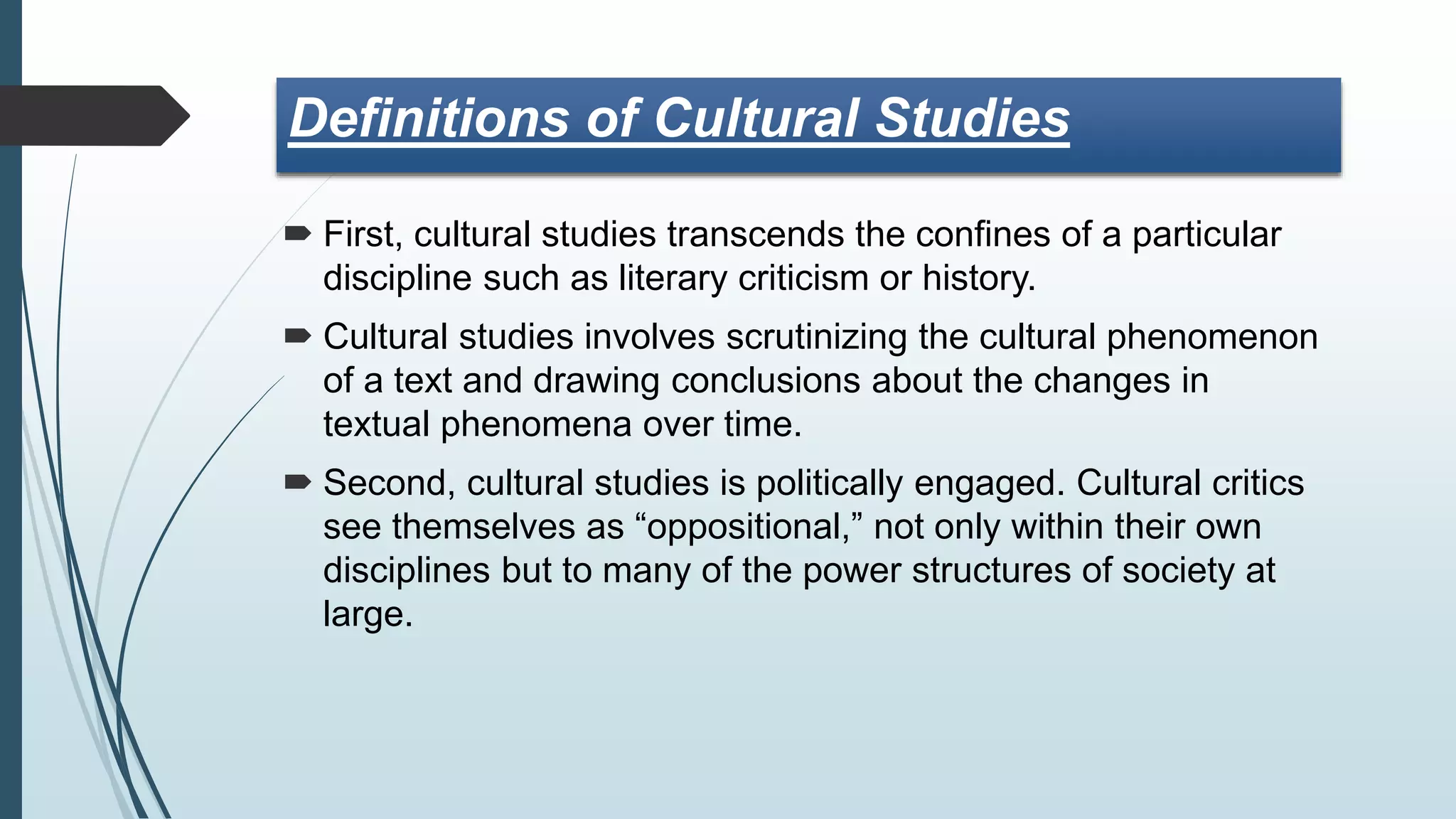
Cultural Studies is a dynamic and interdisciplinary field that examines how culture is produced, consumed, and understood in society. Far from being a niche academic pursuit, its insights have profound implications for how we navigate and interact within the modern technological landscape. While the term might conjure images of dusty libraries and abstract theory, its practical applications are increasingly evident in the digital realm, influencing everything from the design of our favorite apps to the marketing strategies that shape our purchasing decisions. To truly grasp the essence of Cultural Studies in today’s world, we must look beyond its traditional boundaries and explore its intersection with technology, its role in shaping brands, and its indirect but significant impact on financial decisions.

The Rise of Digital Culture and its Implications
The digital revolution has fundamentally altered the fabric of our lives, creating new forms of social interaction, information dissemination, and entertainment. Cultural Studies provides the tools to critically analyze these shifts, moving beyond a purely functional understanding of technology to explore its deeper social and symbolic meanings. This involves understanding how digital platforms are not merely neutral conduits but are imbued with specific cultural values and power dynamics that shape user behavior and societal norms.
Understanding Digital Platforms as Cultural Artifacts
In the realm of technology, Cultural Studies shifts our focus from the hardware and software to the culture that surrounds and is produced by these innovations. We often talk about the latest smartphone or the most advanced AI, but Cultural Studies prompts us to ask: What do these technologies mean to us? How do they shape our identities and relationships? Who benefits from their design and deployment, and who is marginalized? This perspective encourages a critical examination of user interfaces, algorithmic biases, and the persuasive design elements that encourage continuous engagement. For instance, the gamified nature of many social media platforms, with their likes, shares, and notifications, isn’t just a technical feature; it’s a deliberate cultural design choice aimed at eliciting specific psychological responses and fostering particular patterns of interaction. Understanding these elements through a Cultural Studies lens allows us to become more conscious consumers and more critical participants in the digital ecosystem.
The Internet as a Site of Cultural Production and Consumption
The internet, in particular, has become a vast and complex cultural landscape. It is a space where individuals not only consume content but actively produce it through blogs, vlogs, social media posts, and user-generated content. Cultural Studies helps us analyze the forms, styles, and meanings that emerge from this digital production. It examines how online communities form, how subcultures thrive, and how global trends are both disseminated and reinterpreted at local levels. Think about the rise of internet memes: they are not just jokes; they are complex cultural artifacts that reflect and comment on contemporary issues, demonstrating rapid cultural diffusion and adaptation. Furthermore, the way we consume information online – through curated feeds, trending topics, and personalized recommendations – is also a subject of Cultural Studies. Algorithms, often seen as purely technical entities, are, in fact, deeply embedded with cultural assumptions and can reinforce or challenge existing social hierarchies and power structures. Analyzing these processes allows us to understand how our digital experiences are not entirely our own but are shaped by underlying cultural forces.
AI and the Future of Human-Culture Interaction
As Artificial Intelligence (AI) becomes more sophisticated, Cultural Studies offers a crucial framework for understanding its impact on human culture. Beyond the discussions of job displacement or ethical dilemmas, this field prompts us to consider how AI might alter our understanding of creativity, consciousness, and even what it means to be human. For example, AI-generated art or music raises questions about authorship, originality, and the role of human intention in creative expression. Similarly, AI companions or chatbots challenge our notions of relationships and emotional connection. Cultural Studies encourages us to think critically about the cultural narratives we construct around AI, the biases embedded within its development, and the potential for it to reshape our social interactions and cultural practices in unforeseen ways. It moves beyond the technical capabilities of AI to explore its lived experience and its integration into the broader human cultural tapestry.
Cultural Studies and the Power of Branding
Branding, at its core, is about creating meaning and fostering connection. Cultural Studies provides a powerful lens through which to understand how brands achieve this, moving beyond simplistic marketing tactics to examine the deeper cultural resonance that makes a brand successful. It reveals how brands tap into existing cultural values, desires, and anxieties, and how they, in turn, can shape those very same cultural landscapes.
Brands as Cultural Symbols and Storytellers

Brands are more than just logos and products; they are powerful cultural symbols that communicate a set of values, aspirations, and identities. Cultural Studies analyzes how brands construct their narratives and how these narratives are interpreted by consumers. A brand’s advertising campaigns, its choice of spokespeople, its social media presence – all contribute to a larger story that consumers engage with on a cultural level. Think about iconic brands like Apple, Nike, or Coca-Cola. Their success is not solely due to the quality of their products but their ability to imbue their offerings with deeper cultural meanings – innovation and creativity for Apple, athletic achievement and empowerment for Nike, and joy and togetherness for Coca-Cola. Cultural Studies explores how these meanings are forged through a complex interplay of advertising, celebrity endorsements, popular culture references, and the everyday experiences of consumers. It examines how brands can become deeply ingrained in our cultural fabric, influencing our self-perception and our social interactions.
The Role of Design in Communicating Brand Culture
Design is a fundamental component of brand identity, and Cultural Studies offers a critical perspective on its role. It moves beyond aesthetics to consider how design choices – from typography and color palettes to packaging and website layouts – communicate cultural values and intentions. A minimalist design might signal sophistication and efficiency, while a more ornate design could evoke tradition and luxury. These design elements are not arbitrary; they are carefully chosen to resonate with specific cultural sensibilities and to evoke particular emotional responses. For example, the sleek, minimalist design of many tech products is not accidental; it reflects a cultural emphasis on user-friendliness, modernism, and aspirational lifestyles. Cultural Studies helps us deconstruct these design languages, understanding how they contribute to a brand’s overall cultural positioning and its ability to connect with its target audience on a deeper, often subconscious, level. By understanding the cultural implications of design, brands can create more impactful and memorable identities that resonate with consumers.
Target Audiences as Cultural Tribes
Cultural Studies emphasizes that consumers are not monolithic entities but belong to various cultural groups, or “tribes,” each with its own distinct values, beliefs, and consumption patterns. Effective branding involves understanding these cultural tribes and tailoring messages and products to resonate with their specific cultural contexts. This goes beyond demographic segmentation (age, gender, income) to consider psychographic and cultural segmentation – understanding people’s lifestyles, interests, and cultural affiliations. For instance, a brand targeting “hipsters” will employ different communication strategies, design aesthetics, and product offerings than a brand targeting “suburban families.” Cultural Studies provides the analytical tools to identify these cultural nuances, to understand the shared meanings and practices within these groups, and to develop branding strategies that feel authentic and relevant to them. This approach fosters a deeper connection between the brand and its audience, transforming transactions into cultural affiliations.
Cultural Studies and the Dynamics of Money
While Cultural Studies may not directly focus on financial transactions, its insights profoundly influence how we perceive, interact with, and make decisions about money. It explores the cultural meanings attached to wealth, consumption, and economic systems, revealing how these meanings shape our financial behaviors and aspirations.
The Cultural Construction of Value and Desire
Our understanding of value and desire is not inherent but is largely shaped by cultural forces. Cultural Studies examines how societies define what is valuable, both intrinsically and extrinsically, and how these definitions influence our purchasing decisions and our pursuit of wealth. For example, the cultural emphasis on consumerism and material possessions in many Western societies drives a constant desire for new goods and services, often leading to a cycle of consumption that has significant financial implications. The concept of “status symbols” is a prime example of how cultural meanings become attached to objects, making them desirable not for their functional utility but for the social prestige they confer. Cultural Studies helps us deconstruct these cultural narratives, understanding how they create and perpetuate desires that can impact our personal finances.
The “Work Ethic” and its Cultural Underpinnings
The way we view work, productivity, and financial success is deeply rooted in cultural norms and values. Cultural Studies analyzes the historical and social construction of concepts like the “Protestant work ethic,” which associates hard work and diligence with moral virtue and financial reward. This cultural framing influences individual motivation, career choices, and the societal perception of wealth. Understanding these cultural underpinnings can provide insights into why certain individuals are driven to accumulate wealth, why they prioritize certain types of careers, and how they interpret their financial successes or failures. It encourages a critical examination of the cultural narratives that dictate our relationship with labor and capital, prompting us to consider alternative perspectives on economic contribution and personal fulfillment.
The Cultural Impact of Financial Innovations and Online Income Streams
The digital age has introduced a new wave of financial innovations, from cryptocurrencies and NFTs to the burgeoning gig economy and online side hustles. Cultural Studies plays a vital role in understanding the cultural implications of these phenomena. It examines how these new forms of earning and investing are perceived within different cultural contexts, how they create new forms of social and economic stratification, and how they alter our traditional notions of work and financial security. For instance, the rise of influencer marketing as a legitimate income stream reflects a shift in cultural values, where personal charisma and online presence can be monetized. Similarly, the decentralized nature of cryptocurrencies can be analyzed through the lens of cultural movements seeking alternatives to traditional financial institutions. By exploring these cultural dimensions, Cultural Studies helps us comprehend the broader societal impact of these financial shifts and their influence on individual and collective financial well-being. It moves beyond the purely technical or financial aspects to explore how these innovations are shaping our cultural understanding of money and opportunity in the 21st century.
aViewFromTheCave is a participant in the Amazon Services LLC Associates Program, an affiliate advertising program designed to provide a means for sites to earn advertising fees by advertising and linking to Amazon.com. Amazon, the Amazon logo, AmazonSupply, and the AmazonSupply logo are trademarks of Amazon.com, Inc. or its affiliates. As an Amazon Associate we earn affiliate commissions from qualifying purchases.