
In the dynamic and often bewildering world of digital assets, understanding key financial metrics is paramount for any investor or enthusiast. Among these, “market capitalization,” or “market cap,” stands out as one of the most fundamental indicators, offering critical insights into the scale, relative value, and potential stability of a cryptocurrency. Far more than just a large number, market cap provides a lens through which to assess a crypto project’s position in the broader financial landscape, guiding investment decisions and shaping portfolio strategies. For those navigating the complexities of personal finance, investing, and the burgeoning digital economy, grasping what cryptocurrency market cap entails is not merely helpful—it is essential.

Understanding Market Capitalization: A Foundational Concept
Before delving into the specifics of cryptocurrency, it’s crucial to first understand what market capitalization signifies in traditional financial markets. This concept, borrowed directly from stock market analysis, serves as a cornerstone for evaluating public companies and their investment potential. It provides a simple yet powerful way to gauge the overall value of an asset in circulation.
Defining Market Cap: Calculation and Significance
At its core, market capitalization represents the total dollar value of all outstanding shares of a publicly traded company. The calculation is straightforward:
Market Cap = Current Share Price × Number of Outstanding Shares
For example, if a company’s stock trades at $100 per share and there are 10 million shares outstanding, its market cap would be $1 billion. This figure is not arbitrary; it signifies the total value an investor would have to pay to own every single share of that company.
The significance of market cap extends far beyond a simple valuation. It offers an immediate snapshot of a company’s size and perceived value within its industry. Companies are typically categorized by their market cap:
- Large-cap: Generally over $10 billion. These are often established, stable companies with a history of profitability and widespread recognition.
- Mid-cap: Typically between $2 billion and $10 billion. These companies are often in a growth phase, with higher growth potential than large-caps but also increased risk.
- Small-cap: Usually under $2 billion. These are often newer companies with significant growth potential but also higher volatility and risk.
This categorization helps investors quickly assess the risk-reward profile associated with an investment, influencing everything from portfolio diversification to individual stock selection.
Why Market Cap Matters for Investors
For investors, market capitalization is a vital tool for several reasons:
- Indicator of Size and Stability: Larger market cap companies are generally perceived as more stable and less volatile due to their established market positions, stronger balance sheets, and greater liquidity. Smaller market cap companies, while offering higher growth potential, tend to be more susceptible to market fluctuations and business risks.
- Liquidity: Assets with higher market caps often boast greater liquidity, meaning they can be bought or sold easily without significantly impacting their price. This is crucial for investors who may need to enter or exit positions quickly.
- Risk Assessment: Market cap helps investors balance their portfolios. A diversified portfolio might include a mix of large-cap (stability), mid-cap (growth), and small-cap (high growth/high risk) assets to achieve a desired risk profile.
- Comparability: It allows for a standardized way to compare companies within the same sector or across different industries, providing context beyond just the individual share price. A $10 stock from a company with a $100 million market cap is fundamentally different from a $10 stock from a company with a $10 billion market cap.
Understanding these traditional finance principles provides a robust framework for appreciating how market cap functions in the unique environment of cryptocurrencies.
Applying Market Cap to the Cryptocurrency World
The principles of market capitalization translate directly into the cryptocurrency space, albeit with certain nuances specific to digital assets. In the context of Bitcoin, Ethereum, and thousands of altcoins, market cap serves a similar purpose: to gauge the overall value and relative standing of a particular digital asset.
How Crypto Market Cap is Calculated
The calculation for cryptocurrency market cap mirrors that of traditional stocks:
Crypto Market Cap = Current Price per Coin × Circulating Supply
- Current Price per Coin: This refers to the real-time trading price of one unit of the cryptocurrency on exchanges. This price is highly volatile and can vary slightly across different exchanges, leading to minor discrepancies in reported market caps.
- Circulating Supply: This is the number of coins or tokens that are publicly available and actively traded in the market. It’s crucial to distinguish this from the “total supply” (all coins ever created or that will ever be created) and “max supply” (the absolute maximum number of coins that can ever exist, often capped by the protocol, like Bitcoin’s 21 million). Only the circulating supply is used for market cap calculations because it represents the actual tradable assets.
For instance, if Bitcoin is trading at $60,000 per BTC and there are approximately 19.5 million BTC in circulation, its market cap would be roughly $1.17 trillion. This figure instantly tells an investor that Bitcoin is a colossal asset within the crypto ecosystem, comparable in scale to the largest traditional companies.
The Unique Challenges of Crypto Market Cap Data
While the calculation seems straightforward, the decentralized and unregulated nature of cryptocurrencies introduces specific challenges and considerations for market cap data:
- Volatility: Cryptocurrency prices are notoriously volatile. A sudden price swing can drastically alter a project’s market cap in a matter of hours, making real-time tracking essential.
- Accuracy of Circulating Supply: While many projects provide clear data on circulating supply, some newer or less transparent projects might have less reliable figures. Developers might hold large portions of the supply, or coins might be locked up in staking contracts or development funds, which can complicate the true “circulating” number.
- Exchange Discrepancies: Prices can vary slightly between different exchanges due to liquidity differences, arbitrage opportunities, and trading volume. Aggregators like CoinMarketCap or CoinGecko attempt to provide an average price, but minor variations can still exist.
- Wash Trading: In less liquid markets, wash trading (where an individual or entity simultaneously buys and sells the same asset to create misleading activity) can artificially inflate trading volumes and potentially influence perceived prices, indirectly affecting market cap.
- Lost or Burned Coins: Unlike traditional stocks, cryptocurrencies can be permanently lost (e.g., forgotten private keys) or intentionally “burned” (removed from circulation to reduce supply). These events impact the true circulating supply over time, which market cap aggregators strive to account for.
Despite these challenges, crypto market cap remains the most widely accepted and utilized metric for understanding the relative size and standing of digital assets.
The Role of Market Cap in Crypto Investment Decisions
For astute investors, cryptocurrency market cap is much more than a number; it’s a vital analytical tool that profoundly influences investment strategies, risk assessment, and portfolio construction. It helps discern between established giants and speculative ventures, guiding decisions in a highly volatile market.
Market Cap as an Indicator of Project Size and Stability
Just like in traditional finance, a higher market cap in crypto generally signifies a larger, more established project.
- Large-Cap Cryptocurrencies (e.g., Bitcoin, Ethereum): These assets typically have market caps in the tens of billions or even trillions of dollars. They are often seen as more stable, possessing greater network effects, stronger security, and deeper liquidity. While they may offer slower percentage growth compared to smaller projects, their relative stability often makes them attractive for long-term holders and institutional investors. They are often the first choice for investors looking for less speculative exposure to the crypto market.
- Mid-Cap Cryptocurrencies (e.g., Solana, Cardano, Polkadot): With market caps typically ranging from a few billion to tens of billions, these projects are often well-established but still in a significant growth phase. They may represent innovative technologies or strong communities, offering higher growth potential than large-caps but with increased risk and volatility.
- Small-Cap Cryptocurrencies (e.g., many emerging altcoins): These assets have market caps ranging from a few million to a few billion dollars. They often represent newer, experimental projects with high growth potential but also extremely high risk. They are highly susceptible to market sentiment, low liquidity, and project-specific failures. Investing in small-caps often requires extensive research and a higher risk tolerance.
Understanding these categories allows investors to align their investments with their personal financial goals and risk appetite.
Differentiating Between Large, Mid, and Small-Cap Cryptocurrencies
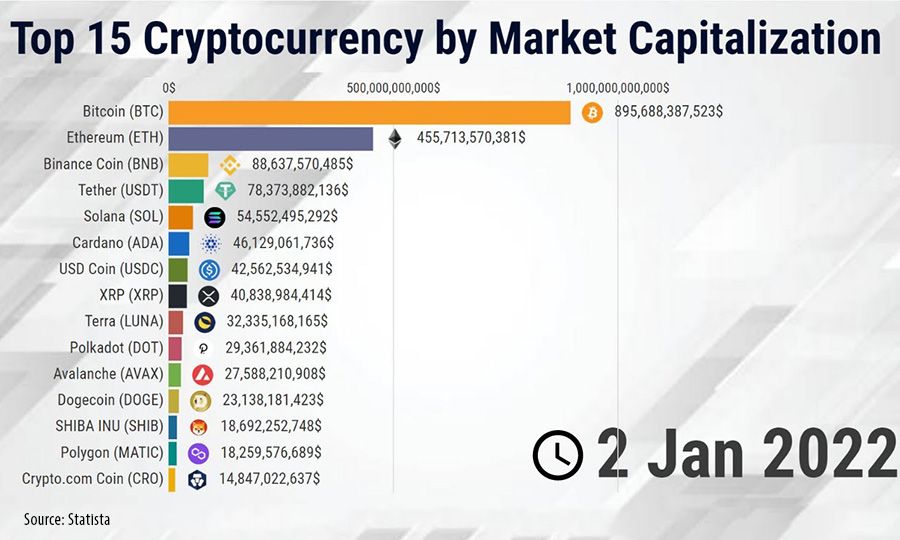
This differentiation is crucial for portfolio strategy:
- For Stability and Core Holdings: Large-cap cryptos are often used as the foundation of a crypto portfolio, similar to blue-chip stocks. They are less likely to experience catastrophic failures, though not immune to significant price drops.
- For Growth and Innovation: Mid-cap cryptos can offer a balance of established presence and significant upside potential as they continue to develop and gain adoption.
- For High-Risk, High-Reward Opportunities: Small-cap cryptos, often referred to as “moonshots,” are where investors seek exponential returns but must be prepared for potential total loss. These require diligent due diligence on the project’s technology, team, use case, and community.
A balanced crypto portfolio might combine assets from all three categories, aiming to capture growth while mitigating overall risk through diversification.
Market Cap vs. Price: Why Price Alone is Misleading
One of the most common misconceptions among new crypto investors is equating a low coin price with an undervalued asset, or a high coin price with an expensive one. This is a critical error that market cap directly addresses.
Consider two cryptocurrencies:
- Crypto A: Price = $0.01, Circulating Supply = 100 billion coins. Market Cap = $1 billion.
- Crypto B: Price = $100, Circulating Supply = 10 million coins. Market Cap = $1 billion.
Both Crypto A and Crypto B have the exact same market capitalization. Despite Crypto A having a much lower per-coin price, owning a single coin of Crypto A gives you a tiny fraction of its total value compared to owning a single coin of Crypto B. If both projects are equally strong in fundamentals, neither is “cheaper” or “more expensive” based on price alone.
Market cap provides the true measure of a project’s overall value. A low price per coin might simply indicate a very large circulating supply, and vice-versa. Focusing solely on price can lead to flawed investment decisions, such as chasing “penny cryptos” with enormous supplies that offer little real upside potential despite their low nominal price. Always prioritize market cap over individual coin price when evaluating an asset’s overall scale and potential.
Limitations and Nuances of Crypto Market Cap
While an indispensable metric, cryptocurrency market cap is not without its limitations and complexities. A sophisticated investor understands that no single metric tells the whole story, and market cap must be considered alongside other fundamental and technical analyses.
The Impact of Circulating Supply vs. Total Supply
The distinction between circulating supply, total supply, and max supply is paramount for accurate market cap interpretation.
- Circulating Supply: As discussed, this is what’s actively trading and used for market cap.
- Total Supply: The total number of coins that exist right now, including those not currently in circulation (e.g., locked in smart contracts, held by founders, unreleased tokens).
- Max Supply: The absolute hard cap on the number of coins that will ever be created (e.g., Bitcoin’s 21 million).
A project with a low circulating supply but a very high total or max supply can present a misleading market cap. If a significant portion of the total supply is set to be released into circulation in the future (via vesting schedules, mining rewards, etc.), this future inflation could dilute the value of existing coins, even if the current market cap looks attractive. Projects with large, unreleased supplies represent a potential “supply shock” risk that market cap alone does not reveal. Investors must investigate the tokenomics (the economic model of the cryptocurrency) to understand future supply schedules and potential dilution.
Volatility and Liquidity Considerations
Cryptocurrency markets are notoriously volatile. A project’s market cap can swing wildly in short periods due to speculative trading, news events, regulatory changes, or broader market sentiment. This high volatility means that market cap is a constantly shifting figure, making it a snapshot in time rather than a fixed indicator of value.
Furthermore, market cap doesn’t directly indicate liquidity. A project might have a decent market cap, but if its trading volume is low, it could be difficult to buy or sell large quantities without significantly impacting the price. Low liquidity can trap investors or make it challenging to execute trades at desired prices, especially for larger positions. High market cap coins generally have higher liquidity, but it’s always wise to check trading volumes and order books for a true picture of an asset’s ease of trading.
Market Cap Manipulation Concerns
The relatively unregulated nature of cryptocurrency markets makes them more susceptible to manipulation than traditional financial markets.
- Wash Trading: As mentioned earlier, wash trading can artificially inflate trading volumes, creating a false perception of interest and liquidity, which can indirectly influence price and thus market cap.
- Pump and Dump Schemes: Coordinated efforts by groups of individuals to artificially inflate the price of a low-market-cap coin (a “pump”) through misleading promotions, only to sell off their holdings at the peak (a “dump”), leaving other investors with losses. Smaller market cap coins are particularly vulnerable to these schemes due to their lower liquidity and easier price manipulation.
- Listing on New Exchanges: A major factor that can boost a crypto’s price and market cap is being listed on a prominent exchange. While legitimate, this can lead to speculative buying pre-listing, which may not always be sustainable.
These manipulation tactics highlight the need for extensive due diligence beyond simply looking at a market cap number. Investors must research the project’s fundamentals, team, technology, community, and genuine use cases.
Strategic Approaches Using Market Cap
Integrating market cap analysis into a broader investment strategy can significantly enhance an investor’s ability to navigate the cryptocurrency market effectively. By understanding its strengths and limitations, investors can make more informed decisions regarding portfolio construction and risk management.
Portfolio Diversification by Market Cap
Diversification is a cornerstone of prudent investing, and market cap offers a powerful framework for achieving it within the crypto space. Instead of simply spreading investments across different coins, diversifying by market cap allows for a strategic balance of risk and reward:
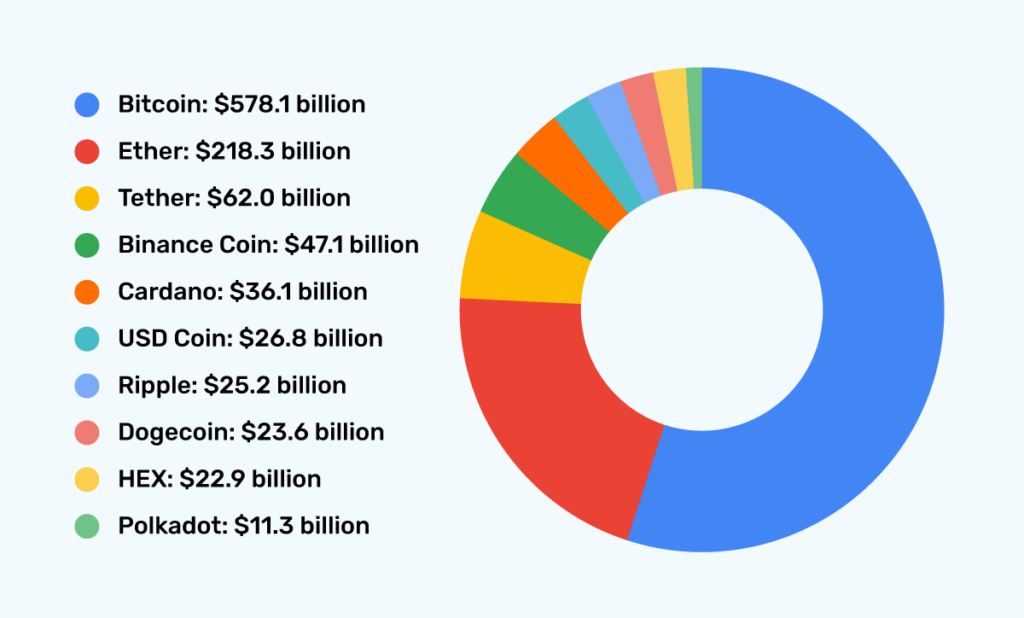
- Core Holdings (Large-Cap): Dedicate a significant portion of your portfolio (e.g., 50-70%) to large-cap cryptocurrencies like Bitcoin and Ethereum. These act as your portfolio’s anchors, providing relative stability and broad market exposure. While their explosive growth days might be behind them, they offer resilience and often lead market cycles.
- Growth Holdings (Mid-Cap): Allocate a portion (e.g., 20-30%) to mid-cap projects. These can include established Layer-1 alternatives, promising DeFi protocols, or NFT platforms that have demonstrated viable products and growing ecosystems. They offer the potential for substantial growth as they mature and gain wider adoption.
- Speculative Holdings (Small-Cap): A smaller, carefully managed portion (e.g., 5-10%) can be allocated to small-cap projects. This is where high-risk, high-reward opportunities lie. Thorough research is crucial here, focusing on projects with strong technology, clear use cases, active development, and genuine community support, rather than just hype. Investors should be prepared for significant volatility and the possibility of total loss in this segment.
This tiered approach allows investors to participate in various segments of the crypto market, balancing the pursuit of exponential gains with the need for capital preservation.
Identifying Growth Potential and Risk
Market cap acts as a crucial indicator for both identifying growth potential and assessing risk:
- Growth Potential: Smaller market cap cryptocurrencies inherently have more room to grow in percentage terms. A $100 million market cap coin can reach $1 billion (a 10x return) far more easily than a $100 billion market cap coin can reach $1 trillion (also a 10x return). However, this potential comes with significantly higher risk, as many small-cap projects fail. Investors looking for outsized returns will often scout promising small-caps, but this requires deep research and a strong conviction in the project’s long-term viability.
- Risk Assessment: Larger market cap coins, while offering less explosive growth, are generally considered lower risk due to their established networks, liquidity, and resilience. They are less prone to sudden, catastrophic failures from a project-specific perspective, though they are still subject to overall market downturns. Conversely, small-cap projects carry higher risk due to lower liquidity, less established technology, smaller development teams, and greater susceptibility to market manipulation and competitive pressures.
By understanding where a project falls on the market cap spectrum, investors can tailor their due diligence and risk management strategies. It helps answer critical questions like: Is this project attempting to disrupt a large market (potential for growth)? Does it have enough liquidity for my investment size (risk of slippage)? How resilient is it to market downturns (stability)?
In conclusion, cryptocurrency market cap is an indispensable financial metric that provides a fundamental lens for evaluating digital assets. While it offers a powerful snapshot of a project’s size and relative value, sophisticated investors recognize its limitations and integrate it with comprehensive research into tokenomics, technology, team, use cases, and trading volumes. By doing so, they can navigate the complex and exciting world of cryptocurrency investing with greater confidence, building diversified portfolios aligned with their financial goals and risk tolerance. For anyone serious about making informed decisions in the digital asset space, truly understanding “what is cryptocurrency market cap” is the first step towards financial acumen.
aViewFromTheCave is a participant in the Amazon Services LLC Associates Program, an affiliate advertising program designed to provide a means for sites to earn advertising fees by advertising and linking to Amazon.com. Amazon, the Amazon logo, AmazonSupply, and the AmazonSupply logo are trademarks of Amazon.com, Inc. or its affiliates. As an Amazon Associate we earn affiliate commissions from qualifying purchases.