
In the rapidly evolving landscape of digital finance, understanding key metrics is paramount for investors, enthusiasts, and even the casually curious. Among the most fundamental yet often misunderstood concepts is “crypto market capitalization,” or “crypto market cap.” Far more than just a number, market cap is a critical indicator that provides profound insights into the size, stability, and potential of a cryptocurrency project. For anyone navigating the volatile yet promising world of digital assets, a clear grasp of what crypto market cap represents, how it’s calculated, and its implications for investment strategy is indispensable. This article delves deep into this crucial financial metric, dissecting its components, exploring its significance, and guiding readers on how to interpret it for informed decision-making within the money domain.

Understanding the Fundamentals of Crypto Market Capitalization
At its core, crypto market capitalization is a valuation metric, analogous to how traditional stock markets measure the size of a company. However, in the decentralized world of cryptocurrencies, this metric takes on unique dimensions that reflect the distinct characteristics of digital assets.
Defining Market Capitalization in Traditional and Crypto Contexts
In traditional finance, market capitalization refers to the total dollar value of a company’s outstanding shares. It’s calculated by multiplying the current share price by the total number of shares outstanding. For instance, if a company has 100 million shares and each share trades at $50, its market cap is $5 billion. This figure is widely used by investors to gauge a company’s size, compare it to competitors, and understand its overall value in the market. A higher market cap often implies a larger, more established company with greater liquidity and investor confidence.
When we transpose this concept to the realm of cryptocurrencies, the principle remains largely the same. Crypto market cap represents the aggregate value of all circulating units of a particular cryptocurrency. It’s a measure of its total worth in the market at any given time. However, unlike traditional stocks, which represent ownership in a company, cryptocurrencies are digital tokens or coins that often serve various functions—as a medium of exchange, a store of value, or a utility token within a specific blockchain ecosystem. Despite these differences in underlying utility, the market cap serves the same fundamental purpose: to provide a quick snapshot of an asset’s total valuation.
How Crypto Market Cap is Calculated: Supply Meets Price
The calculation of crypto market cap is straightforward:
Crypto Market Cap = Current Price per Coin/Token × Circulating Supply
Let’s break down these two components:
- Current Price per Coin/Token: This is the current trading price of a single unit of the cryptocurrency on exchanges. This price is constantly fluctuating based on real-time supply and demand dynamics, investor sentiment, and broader market conditions.
- Circulating Supply: This refers to the total number of coins or tokens that are publicly available and actively traded in the market. It’s crucial to distinguish circulating supply from total supply (the total number of coins ever created or that will ever exist) or max supply (the absolute maximum number of coins that will ever be minted, as defined by the protocol). For market cap calculations, only the circulating supply is considered, as these are the units that dictate the asset’s current market value.
For example, if Bitcoin is trading at $60,000 per coin and there are approximately 19 million Bitcoins in circulation, its market cap would be $60,000 * 19,000,000 = $1.14 trillion. This calculation is dynamic, constantly updating as prices change and new coins enter circulation through mining or other mechanisms.
Why Market Cap Matters: A Key Valuation Metric
Market cap is not merely an academic figure; it is a vital tool for financial analysis in the crypto space. It provides context and perspective that a simple price per coin cannot. A cryptocurrency trading at $0.01 might seem “cheap,” but if its circulating supply is 100 billion, its market cap would be $1 billion, indicating a significant project. Conversely, a coin trading at $100 might appear “expensive,” but if its supply is only 1 million, its market cap is $100 million, potentially signaling a smaller project with different risk-reward characteristics.
Therefore, market cap allows investors to:
- Gauge Size and Scale: Understand the relative size of one cryptocurrency compared to another.
- Assess Stability: Generally, higher market cap cryptocurrencies (like Bitcoin and Ethereum) are considered more stable and less volatile due to their larger investor base, greater liquidity, and established infrastructure.
- Inform Investment Decisions: Helps in categorizing assets into large-cap, mid-cap, and small-cap, each with distinct risk and growth profiles.
The Significance of Market Cap in Crypto Investing
For individuals looking to allocate capital into digital assets, market capitalization is one of the primary filters and analytical tools used to construct a diversified and informed investment strategy.
Assessing Project Size and Stability: Large-Cap vs. Small-Cap
Market cap categories provide a useful framework for understanding the nature of different crypto investments:
-
Large-Cap Cryptocurrencies: These are typically assets with market caps in the tens of billions or even trillions of dollars (e.g., Bitcoin, Ethereum). They are often considered the “blue chips” of the crypto world. Their large size suggests established networks, significant liquidity, a broad user base, and a certain degree of resilience against market fluctuations. While their growth potential might be less explosive than smaller projects, they generally offer greater stability and are less prone to extreme volatility. They often serve as foundational assets in a crypto portfolio.
-
Mid-Cap Cryptocurrencies: These assets typically have market caps ranging from a few billion to tens of billions of dollars. They represent projects that are more mature than small-caps but still have substantial room for growth. They often include established Layer-1 protocols, prominent DeFi applications, or promising infrastructure projects. Mid-caps present a balance between risk and reward, potentially offering higher returns than large-caps but with increased volatility.
-
Small-Cap Cryptocurrencies: Characterized by market caps in the hundreds of millions or even lower, these are typically newer, less established projects. They can offer immense growth potential due to their low starting valuations, but they also come with significantly higher risks. Small-cap projects are more susceptible to price manipulation, have lower liquidity, and face greater uncertainty regarding their long-term viability. They are often subject to “pump and dump” schemes and require extensive due diligence.
Identifying Potential for Growth and Risk
The market cap classification directly impacts the perceived growth potential and inherent risks of an investment. A small-cap token, for instance, has a theoretically higher percentage growth ceiling to reach a billion-dollar valuation than a mid-cap token has to reach a ten-billion-dollar valuation. However, this potential comes hand-in-hand with elevated risk. Many small-cap projects fail to gain traction, are abandoned, or are simply scams.
Conversely, large-cap assets, while offering less exponential growth potential, are perceived as safer bets. They have already achieved significant network effects, often possess robust development teams, and have weathered previous market cycles. An investor’s risk appetite and investment goals should dictate their allocation across these market cap categories.
Market Cap as an Indicator of Liquidity and Investor Interest
A higher market cap generally correlates with higher liquidity. Liquidity refers to the ease with which an asset can be bought or sold without significantly impacting its price. Large-cap cryptocurrencies, with their vast trading volumes and numerous buyers and sellers, are highly liquid. This means investors can enter or exit positions quickly and efficiently.
Lower market cap coins, on the other hand, often suffer from poor liquidity. Large buy or sell orders can drastically move the price, making it challenging for investors to trade without significant price slippage. High market cap also typically signals broader investor interest and confidence, as it implies a large pool of capital has already flowed into the asset. This general interest can contribute to a more stable and predictable trading environment, making it a crucial consideration for financial planning and risk management.
Different Types of Crypto Market Cap and Their Implications
While the basic formula for market cap is consistent, there are nuances in how market cap is viewed and calculated, especially when considering different aspects of supply. Understanding these distinctions is vital for a comprehensive financial analysis.
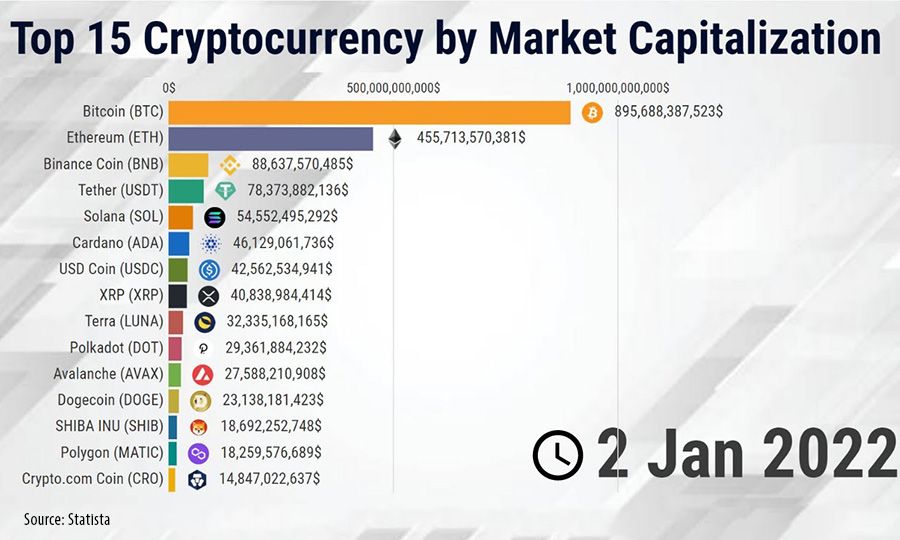
Total Crypto Market Cap: The Big Picture
The “total crypto market cap” refers to the aggregated market capitalization of all cryptocurrencies combined. This macro-level metric provides a holistic view of the entire cryptocurrency ecosystem’s valuation. It serves as a barometer for the overall health and growth of the crypto market. When the total crypto market cap rises, it indicates a net inflow of capital into the asset class, suggesting bullish sentiment. Conversely, a decline signals capital outflow and bearish sentiment. This figure is critical for macro investors, economists, and financial institutions tracking the broader digital asset trend. It also helps in understanding the crypto market’s size relative to other asset classes like gold, real estate, or traditional stock markets.
Individual Crypto Asset Market Cap: A Deeper Dive
As discussed, this is the market cap of a single cryptocurrency project. It allows investors to compare specific projects head-to-head. When evaluating individual assets, investors often look at not just the absolute market cap but also its trend over time. A rapidly rising market cap, especially for a new project, can indicate growing excitement and adoption, while a stagnant or declining one might signal waning interest or fundamental issues. It’s a key metric used in due diligence to understand a project’s standing within its specific niche (e.g., comparing the market cap of various Layer-1 blockchains or DeFi protocols).
Fully Diluted Market Cap vs. Circulating Market Cap
This distinction is particularly important for understanding future valuation and potential price suppression:
-
Circulating Market Cap: As defined earlier, this is the current price multiplied by the coins currently in circulation. It represents the value of what’s currently available and traded.
-
Fully Diluted Market Cap (FDMC): This is the current price multiplied by the maximum supply of a cryptocurrency. The maximum supply is the total number of coins that will ever exist, including those not yet minted or released (e.g., locked tokens for founders, future rewards for miners/stakers).
The difference between circulating and fully diluted market cap can be substantial, especially for newer projects that have only released a small percentage of their total supply. If a project has a low circulating market cap but a very high fully diluted market cap, it implies that a significant number of new coins will enter circulation in the future. This future influx of supply can potentially put downward pressure on the price if demand doesn’t grow proportionally.
Savvy investors pay close attention to the FDMC, as it provides a more complete picture of a project’s long-term valuation potential and the potential for future token unlocks or inflation to dilute existing holdings. Comparing a project’s circulating market cap to its fully diluted market cap helps in assessing the “inflationary pressure” it might face. A project with a circulating market cap close to its fully diluted market cap (meaning most tokens are already in circulation) might be considered less risky from a future supply dilution perspective than one with a large gap between the two.
Analyzing Market Cap for Investment Decisions
Market capitalization is a powerful tool, but like any financial metric, it should not be used in isolation. Its true value emerges when integrated into a broader analytical framework.
Comparing Crypto Assets Using Market Cap
Market cap is invaluable for comparative analysis. When evaluating two similar projects, looking at their market caps can offer immediate insights into which one has gained more traction, has a larger investor base, or is perceived as more established. For example, when comparing two competing decentralized finance (DeFi) protocols, their respective market caps can indicate which one has amassed greater total value locked (TVL) and attracted more users, signaling greater confidence and network effect. This comparison helps investors size up competition and identify leaders in various crypto sub-sectors.
The Pitfalls of Relying Solely on Market Cap
While highly informative, market cap has its limitations. Relying exclusively on it can lead to flawed investment decisions:
- Price Manipulation: Small-cap tokens with low liquidity are particularly vulnerable to “pump and dump” schemes, where artificial demand inflates the price and thus the market cap, only for it to crash once the manipulators sell off.
- Varying Tokenomics: Two projects with similar market caps might have vastly different tokenomics, vesting schedules, and emission rates, which can significantly impact their long-term value. A high FDMC, as discussed, can hide future sell pressure.
- Narrative vs. Utility: A high market cap doesn’t always guarantee real-world utility or sustainable growth. Some projects might be overvalued purely based on hype or speculative narratives, without delivering tangible value or adoption.
- Circulating Supply Accuracy: The reported circulating supply can sometimes be inaccurate or opaque, especially for newer or less transparent projects, leading to miscalculated market caps.
Integrating Market Cap with Other Financial Metrics
For a truly informed investment decision, market cap should always be considered alongside other crucial financial and project-specific metrics:
- Volume: Daily trading volume indicates how actively a cryptocurrency is being traded. High volume for a high market cap asset suggests strong liquidity and genuine interest, while low volume could indicate illiquidity even for a moderately sized project.
- Total Value Locked (TVL): For DeFi protocols, TVL represents the total amount of assets locked in a protocol. It’s a strong indicator of a protocol’s adoption and utility, complementing its market cap.
- Developer Activity: Consistent code updates and developer engagement are crucial for a project’s long-term viability, regardless of its current market cap.
- Community Engagement: A strong, active, and supportive community can be a significant asset, indicating genuine interest and potential for organic growth.
- Tokenomics: A deep dive into the token distribution, vesting schedules, inflation rates, and utility of the token within its ecosystem is paramount.
- Roadmap and Partnerships: The project’s future plans and strategic alliances can indicate future growth potential.
By combining market cap analysis with these additional metrics, investors can construct a much more robust and nuanced understanding of a cryptocurrency’s true value and potential.
The Dynamic Nature of Crypto Market Cap
The crypto market is characterized by its inherent volatility and rapid changes. Consequently, crypto market cap is not a static figure but a dynamic metric that constantly evolves.
Factors Influencing Market Cap Fluctuations
Several factors contribute to the constant shifts in crypto market cap:
- Price Volatility: The most direct impact comes from price changes. Cryptocurrencies are known for their dramatic price swings, often influenced by news, regulatory developments, technological advancements, or macroeconomic factors.
- Changes in Circulating Supply: New coins entering circulation (e.g., through mining rewards, staking rewards, or scheduled token unlocks) will increase the market cap if the price remains constant. Conversely, coins being burned or removed from circulation can decrease the circulating supply, potentially impacting market cap if not offset by price increases.
- Overall Market Sentiment: Broader market trends, often categorized as “bull runs” or “bear markets,” significantly affect all crypto market caps. A general bullish sentiment can drive up prices across the board, increasing total market cap, and vice-versa.
- Regulatory News: Government regulations, bans, or endorsements can have a profound impact on investor confidence and, consequently, on prices and market caps.
- Technological Advancements: Breakthroughs or failures in blockchain technology, new applications, or vulnerabilities can cause swift re-evaluations of project worth.
The Role of Supply and Demand Dynamics
At its core, market cap reflects the interplay of supply and demand. Increased demand for a fixed or slowly growing supply will drive up the price and thus the market cap. Conversely, an oversupply relative to demand will lead to price depreciation and a reduction in market cap. This fundamental economic principle is critical in understanding why market caps fluctuate. For projects with a capped maximum supply (like Bitcoin), future demand will be the primary driver of market cap growth, assuming no significant changes in the circulating supply.
Future Trends and the Evolution of Crypto Valuations
As the cryptocurrency market matures, the ways we evaluate and understand market cap will likely evolve. Institutional adoption, clearer regulatory frameworks, and greater integration with traditional financial systems could lead to more sophisticated valuation models. Metrics beyond simple market cap, perhaps incorporating utility, network activity, or projected cash flows (for income-generating protocols), might gain prominence. The increasing sophistication of the market will demand a deeper understanding of these metrics, pushing investors to look beyond superficial numbers to ascertain true value.
Conclusion
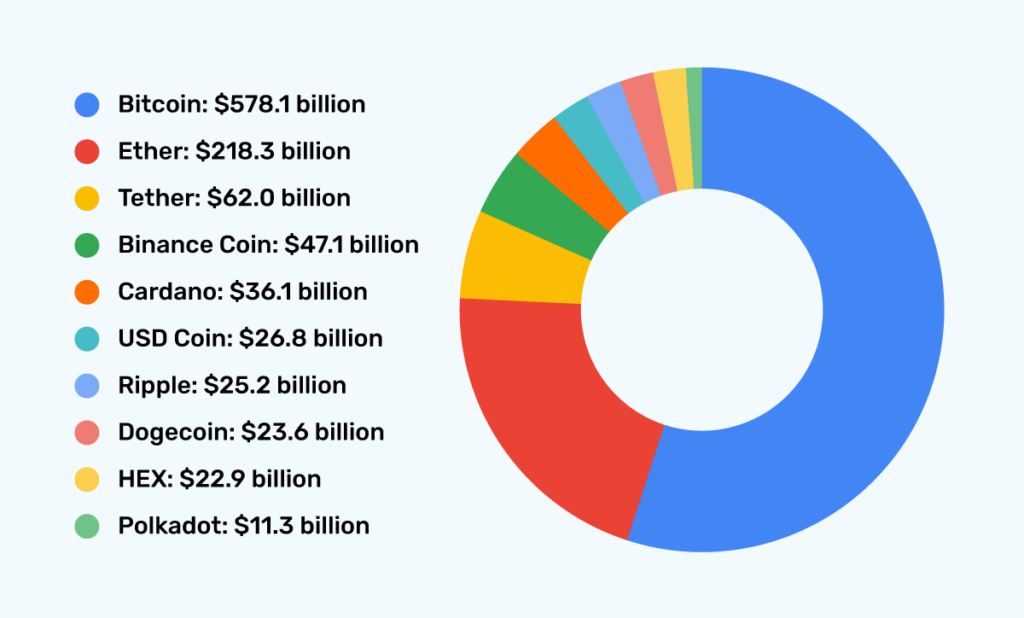
Crypto market cap stands as a cornerstone metric for navigating the complex financial landscape of digital assets. It provides an immediate and powerful lens through which to gauge the size, stability, and relative value of a cryptocurrency project. From distinguishing between established large-cap giants and speculative small-cap ventures, to understanding the nuances of circulating versus fully diluted supply, market cap informs a broad spectrum of investment decisions. However, its utility is maximized when it is not viewed in isolation. Integrating market cap with other vital financial metrics, developer activity, tokenomics, and an awareness of market dynamics allows for a more holistic and robust assessment. For anyone participating in the world of crypto investing, mastering the interpretation of market capitalization is not just beneficial; it is absolutely essential for making informed, strategic, and financially sound choices in this ever-evolving frontier of money.
aViewFromTheCave is a participant in the Amazon Services LLC Associates Program, an affiliate advertising program designed to provide a means for sites to earn advertising fees by advertising and linking to Amazon.com. Amazon, the Amazon logo, AmazonSupply, and the AmazonSupply logo are trademarks of Amazon.com, Inc. or its affiliates. As an Amazon Associate we earn affiliate commissions from qualifying purchases.