
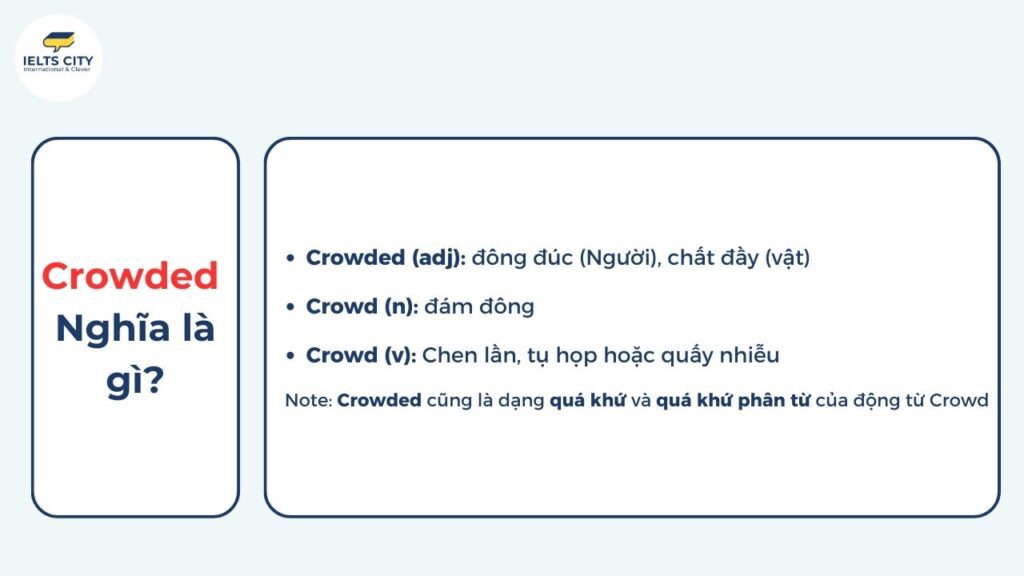
The term “crowded” in a business context signifies a landscape saturated with options, where numerous players vie for the same customer attention, resources, and market share. It describes a scenario where differentiation becomes a formidable challenge, and the inherent value of offerings risks being diluted amidst a sea of similar choices. For brands, understanding what makes a market crowded, and more importantly, how to navigate such an environment, is paramount to survival and growth.
Defining the Crowded Market Landscape
A market isn’t merely crowded because there are many competitors; it’s crowded when the sheer volume of choices begins to obscure distinctiveness and diminish perceived value. Recognizing the characteristics of a crowded market is the first step toward crafting an effective brand strategy.
Indicators of Saturation
Several tell-tale signs point to market crowding. High barriers to genuine innovation, where new product features are quickly replicated, often lead to commoditization. This manifests as intense price compression, where brands are forced into a “race to the bottom” to win customers, eroding profit margins. Marketing and advertising costs skyrocket as brands struggle to cut through the noise, often leading to diminishing returns on ad spend. Customer loyalty becomes fleeting, as consumers perceive little difference between competing offerings and are easily swayed by marginal incentives. Furthermore, the market is usually flooded with an abundance of similar products or services, making it difficult for new entrants or even established players to carve out a unique space.
The Buyer’s Perspective
From the consumer’s vantage point, a crowded market is often overwhelming. The paradox of choice sets in, leading to decision fatigue and a sense of anxiety about making the “right” selection. When too many options look and feel alike, trust can erode, and the buying journey becomes a chore rather than a discovery. Consumers may become more risk-averse, sticking to familiar brands or opting for the cheapest available option, rather than investing time in evaluating nuances. Ultimately, a crowded market often translates into a less satisfying customer experience, as brands struggle to deliver personalized value amidst the clamor.
The Seller’s Perspective
For businesses, the implications of operating in a crowded market are profound. Intense competition not only drives down prices but also necessitates constant innovation, often just to keep pace, rather than to lead. Marketing efforts become less effective, requiring greater investment for smaller gains in visibility. Acquiring new customers is expensive, and retaining existing ones is a constant battle. This environment can stifle creativity, push brands towards reactive strategies, and make it incredibly difficult to articulate a compelling reason why a customer should choose them over a dozen others. Shrinking margins and the struggle for visibility become daily realities, demanding strategic ingenuity to stay afloat.
The Perils of Undifferentiated Branding
In a crowded market, the gravest error a brand can make is to lack differentiation. When a brand fails to articulate its unique value proposition and distinct identity, it risks becoming just another face in the crowd, leading to a cascade of negative consequences.
Becoming a Commodity
When brands fail to carve out a unique space, they inevitably descend into commoditization. This is the point where a product or service is perceived as interchangeable with others, with price becoming the sole, or primary, distinguishing factor. Once a brand becomes a commodity, its ability to command premium pricing vanishes, profit margins shrink, and the brand loses its inherent value beyond its functional utility. The narrative shifts from “why choose us” to “how cheap can we be,” a race few brands can win sustainably.
Loss of Brand Voice and Identity
In a desperate attempt to appeal to a broad audience or mimic successful competitors, undifferentiated brands often dilute their unique voice and identity. They speak in generic terms, adopt visual aesthetics that blend in, and shy away from taking strong stances. This lack of distinctiveness makes it impossible to forge a genuine connection with customers. A brand without a clear voice is a brand without a personality, making it forgettable and easily replaced. It becomes a reflection of its competitors rather than an original entity.
Marketing Inefficiency
Generic messaging and an undifferentiated brand identity lead to highly inefficient marketing. Without a clear point of view or a specific target audience, marketing campaigns struggle to resonate. Resources are wasted on broad outreach efforts that fail to capture specific attention or convert interest into loyalty. Every marketing dollar has to work harder, and the cost of customer acquisition can become prohibitive, making sustained growth an uphill battle against diminishing returns.
Customer Indifference
Perhaps the most damning consequence of undifferentiated branding is customer indifference. When there’s no compelling reason to choose one brand over another – no unique benefit, no emotional connection, no distinct personality – customers become agnostic. They switch providers based on the slightest convenience or discount, exhibiting no loyalty or advocacy. This indifference makes it impossible to build a sustainable customer base and leads to a constant churn, requiring brands to continually re-invest in acquiring new, equally indifferent, customers.
Strategies for Standing Out in a Saturated Space
Navigating a crowded market demands more than just incremental improvements; it requires a strategic reimagining of how a brand creates and communicates value. True differentiation isn’t about being slightly better; it’s about being remarkably different.
Deep Dive into Brand Differentiation
Differentiation is the cornerstone of thriving in a crowded market. It involves identifying and amplifying what makes a brand uniquely valuable and distinct.
- Unique Value Proposition (UVP): A compelling UVP goes beyond features to articulate a clear, specific benefit that only your brand can deliver, or delivers best, to a specific target audience. It answers the question: “Why should I choose you?” by highlighting a singular, defensible advantage that resonates deeply with customer needs or desires. This could be superior quality, unmatched convenience, innovative technology, or exceptional customer service.
- Niche Specialization: Instead of attempting to serve everyone, brands can choose to focus intensely on a very specific, often underserved, segment of the market. This allows for tailored offerings, hyper-focused marketing, and the ability to become the undisputed expert in that niche. By narrowing the target, a brand can deepen its impact and build stronger loyalty within that specific community.
- Experience-Driven Branding: In a world of similar products, the customer experience itself can become the ultimate differentiator. This encompasses every touchpoint, from initial discovery to post-purchase support. Brands that prioritize seamless, intuitive, delightful, or surprisingly human interactions can cultivate powerful emotional connections and build a reputation that transcends their tangible offerings. Think about companies renowned for their exceptional customer service or their unique unboxing experiences.
- Innovation: Beyond product features, innovation can extend to business models, distribution channels, or even internal processes that translate into a superior customer outcome. Pioneering new solutions or rethinking existing paradigms can create blue oceans of opportunity even within traditionally crowded sectors. True innovation is about solving problems in ways no one else has, or no one else has done effectively.
- Storytelling and Purpose: Consumers are increasingly drawn to brands with authentic narratives and a clear sense of purpose beyond profit. By sharing its origin story, values, mission, or the impact it seeks to make, a brand can build an emotional connection that fosters loyalty and advocacy. A compelling story creates resonance, humanizes the brand, and provides a framework for understanding its unique place in the world.
Redefining Competitive Analysis
In a crowded market, competitive analysis must evolve beyond merely tracking direct rivals. It requires a broader lens to understand the entire ecosystem. This means looking at substitute products, emerging technologies, changing consumer behaviors, and even seemingly unrelated industries that might offer inspiration or pose indirect threats. The goal is to identify gaps, predict shifts, and uncover opportunities that direct competitors might be overlooking, enabling proactive rather than reactive strategy.
Strategic Positioning
Positioning is the art of crafting a distinct image and offering that occupies a unique and desirable space in the target customer’s mind. It’s about how your brand is perceived relative to competitors. Effective positioning ensures that when a customer thinks of a particular need or desire, your brand is the first, or most relevant, one that comes to mind. This requires consistent messaging, a clear brand promise, and a deep understanding of customer perceptions to sculpt an identity that stands apart.
Building a Niche: The Power of Specificity
One of the most potent strategies for escaping the “crowded” trap is the deliberate cultivation of a niche. By focusing on a highly specific segment, brands can transform from generalists competing with everyone to specialists valued for their precise expertise.
Identifying Untapped Opportunities
Niche identification begins with meticulous research. This involves scrutinizing market data for underserved segments, listening intently to customer complaints to pinpoint unmet needs, and analyzing existing solutions for overlooked problems. Often, the most fertile ground for niches lies in the intersections of existing markets or in specialized applications of broad technologies. For example, instead of a general project management software, a niche might be project management software specifically for remote, distributed creative agencies.
The Benefits of a Focused Approach
A focused niche approach offers numerous advantages. It typically leads to higher perceived value, as the brand becomes the go-called expert for that specific need, allowing for premium pricing. Stronger brand loyalty naturally follows, as customers feel truly understood and served. Competition is inherently reduced, as fewer brands possess the specialized knowledge or focus to effectively serve the niche. Furthermore, marketing efforts become significantly more effective and efficient, allowing for precise targeting of communications to a highly receptive audience.
Risk Mitigation
By establishing a strong presence in a niche, brands can effectively mitigate the risks associated with the “race to the bottom” on price. When customers seek a specific solution for a unique problem, they prioritize efficacy and expertise over cost. This allows brands to maintain healthy profit margins and invest back into their specialized offerings, further solidifying their market position and creating a barrier to entry for generalist competitors.
Example: From General to Specific
Consider the broad market of “consulting services.” In a crowded general consulting space, firms struggle to differentiate. However, a brand could specialize in “supply chain optimization consulting for sustainable textile manufacturers in Southeast Asia.” This specificity immediately narrows the competitive field, clarifies the target audience, and highlights unique expertise, making the brand instantly more valuable to its specific clientele than a generalist firm.
Adapting and Evolving in a Crowded Market
Escaping a crowded market is not a one-time fix but an ongoing commitment to brand vigilance, agility, and evolution. Brands must continuously monitor their environment and refine their approach to maintain distinctiveness.
Continuous Brand Auditing
Regularly assessing brand health is crucial. This involves conducting brand audits that evaluate market perception, competitive landscape shifts, internal capabilities, and customer sentiment. A brand audit helps identify areas where differentiation might be weakening or new opportunities are emerging, allowing for proactive adjustments rather than reactive responses. It’s a critical pulse check on relevance and resonance.
Agility and Responsiveness
The ability to pivot, innovate, and refresh brand messaging based on market shifts is paramount. A static brand in a dynamic, crowded market is a dying brand. Brands must cultivate an agile mindset, ready to experiment with new communication channels, adapt product features, or even slightly redefine their niche as customer needs or technological landscapes evolve. Responsiveness means listening to the market and acting decisively.
Fostering Community and Advocacy
In a crowded space, turning customers into loyal fans who champion the brand organically is an invaluable asset. This involves building authentic communities around shared values, exceptional experiences, and a sense of belonging. When customers become advocates, they effectively become an extension of the brand’s marketing arm, offering credible testimonials and recommendations that cut through the noise of paid advertising. This organic growth strategy is highly effective and cost-efficient.
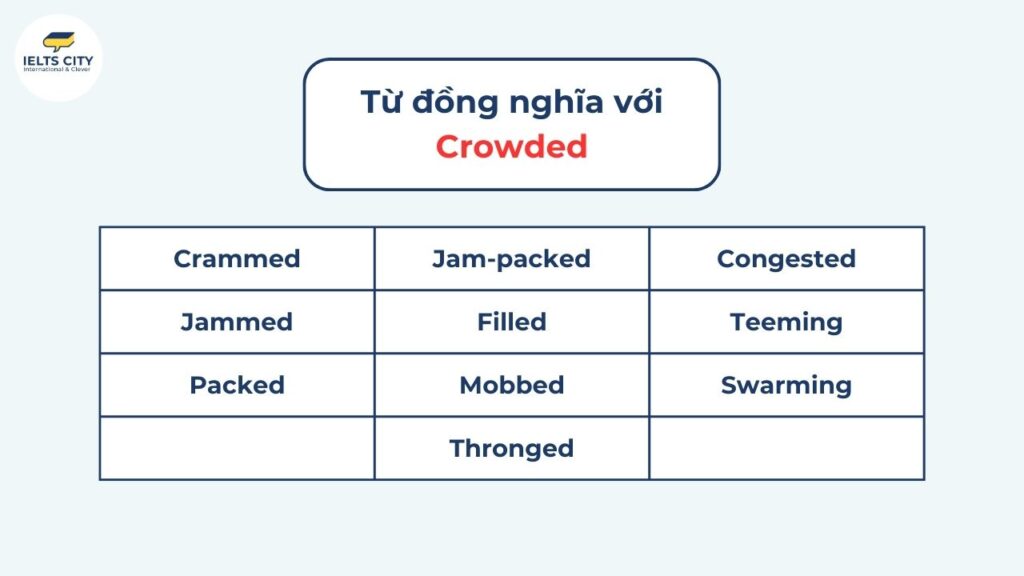
The Long-Term Vision
Ultimately, building and maintaining a distinctive brand in a crowded market is a journey of continuous refinement and connection. It requires a long-term vision that prioritizes consistent value delivery, authentic engagement, and strategic evolution. Brands that view differentiation not as a task but as an intrinsic part of their identity are best positioned to not only survive but thrive, creating lasting impact and carving out a truly unique space, regardless of how many others are vying for attention.
aViewFromTheCave is a participant in the Amazon Services LLC Associates Program, an affiliate advertising program designed to provide a means for sites to earn advertising fees by advertising and linking to Amazon.com. Amazon, the Amazon logo, AmazonSupply, and the AmazonSupply logo are trademarks of Amazon.com, Inc. or its affiliates. As an Amazon Associate we earn affiliate commissions from qualifying purchases.