
When one hears the term “crooning,” images of velvet-voiced singers, dimly lit rooms, and an air of effortless sophistication often come to mind. It’s a vocal style steeped in romance and intimacy, synonymous with legends like Frank Sinatra, Bing Crosby, and Dean Martin. Yet, to dismiss crooning merely as a singing technique is to miss a profound lesson in brand strategy, personal branding, and the power of a distinct identity. Crooning, at its heart, is not just how someone sings; it’s a meticulously crafted persona, a sonic signature, and a masterclass in establishing an enduring brand presence that transcends generations and even industries. From the initial emergence of this vocal style to its modern interpretations, crooning offers a compelling case study in the deliberate cultivation of a brand that connects, resonates, and endures.
The Genesis of a Sonic Brand Identity
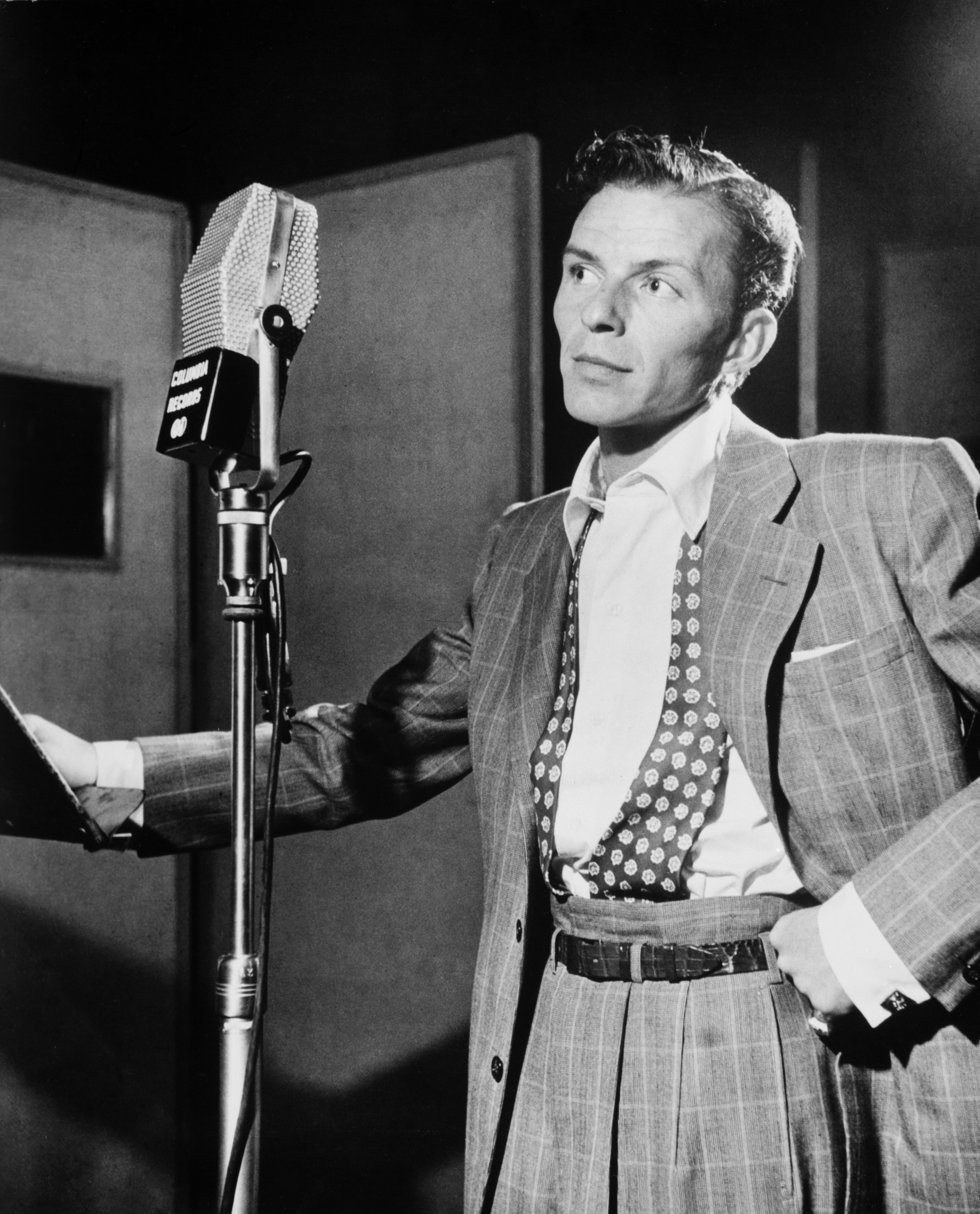
The origins of crooning in the early 20th century were deeply intertwined with technological advancements in recording and broadcasting. Before microphones, singers had to project their voices with immense power to fill large halls. The advent of the microphone, however, allowed for a softer, more intimate vocal delivery – a revolution that birthed the crooner. This technological shift wasn’t just about sound reproduction; it unlocked a new dimension of performance that artists swiftly capitalized on to forge unique and powerful brand identities.
The Golden Age Crooner: Crafting an Enduring Persona
The early crooners understood instinctively that their vocal style was more than just a musical choice; it was the cornerstone of their personal brand. Artists like Bing Crosby, Rudy Vallée, and later, Frank Sinatra, didn’t just sing songs; they performed as crooners. This meant cultivating a specific public persona: smooth, confident, often debonair, and always with an underlying current of emotional accessibility. Sinatra, for instance, didn’t just have a voice; he had “The Voice.” This moniker wasn’t accidental; it was a deliberate branding exercise that elevated his unique vocal quality to an iconic status, distinguishing him from every other singer. His delivery, characterized by its conversational ease and emotional directness, became his trademark, his unique selling proposition in a crowded entertainment market.
The brand of the golden age crooner extended beyond the stage. It permeated their wardrobes, their on-screen roles, their public relationships, and even their affiliations. They represented a lifestyle, an aspiration. To listen to a crooner was to step into a world of sophisticated romance and effortless charm, making their brand not just auditory but holistic and experiential. This comprehensive approach to personal branding ensured that their names and vocal styles became indelible cultural touchstones, far outliving their active careers.
From Vocal Technique to Cultural Iconography
What truly cemented crooning as a potent brand identity was its evolution from a mere vocal technique into a cultural icon. The characteristic warmth, intimacy, and often romantic undertones of crooning quickly became synonymous with certain values and emotions. It evoked nostalgia, sophistication, elegance, and a particular kind of suave masculinity. This wasn’t simply a sound; it was a carefully packaged set of associations that resonated deeply with audiences.
The “crooner brand” became an archetype. It represented a particular era and a certain set of sensibilities. This made it incredibly powerful for marketing and audience connection. When a brand – be it an artist, a product, or a service – can evoke such a rich tapestry of cultural associations through a single, distinctive element, it achieves a level of recognition and resonance that is difficult to replicate. Crooning became a shortcut to conveying a specific mood and persona, demonstrating how a unique style can transcend its original medium to become a powerful, standalone brand signifier.
Crooning as a Masterclass in Personal Branding
In today’s hyper-competitive landscape, whether in music, business, or personal endeavors, the ability to carve out a distinctive personal brand is paramount. Crooning, in its historical development and enduring appeal, offers invaluable lessons in achieving this.
Authenticity and Intimacy: The Core of the Crooner’s Appeal
One of the most potent branding elements of crooning is its inherent intimacy. The soft, often conversational delivery makes the listener feel as though the singer is performing directly and exclusively for them. This creates an unparalleled sense of personal connection and authenticity. In an age where digital noise can often feel impersonal, the crooner’s ability to forge an intimate, one-on-one bond with the audience through their vocal brand is a powerful differentiator.
For any individual or brand aiming to build a strong personal connection, the crooner’s approach offers a blueprint: focus on genuine emotion, clear communication, and a delivery style that fosters trust and closeness. It’s about making your audience feel seen and understood, which is the bedrock of loyalty and engagement in any brand relationship.
Differentiation in a Crowded Market: Standing Out with Sound
The music industry has always been saturated, and the modern entertainment landscape is no different. Crooning emerged as a deliberate act of differentiation. While other singers might belt or perform with overt theatricality, the crooner chose subtlety, nuance, and emotional depth as their brand pillars. This distinct choice allowed them to cut through the noise and establish a unique niche.
This lesson is directly applicable to any branding strategy. In a market awash with similar products, services, or personal profiles, identifying and amplifying a unique aspect of your offering – a “sonic brand” if you will, even metaphorically – is crucial. Whether it’s a particular communication style, an innovative approach, or a specific aesthetic, finding that distinct voice allows you to create a memorable and defensible brand position. The crooner proved that sometimes, the softest voice can make the biggest impact when it’s unique and well-defined.
Consistency Across Platforms: The Crooner’s Holistic Brand Presence

A strong brand is not just about a single aspect; it’s about a consistent message and experience across all touchpoints. The successful crooners maintained a remarkable consistency in their brand presentation. Their vocal style was consistent across recordings and live performances. Their public image, from their fashion choices to their public statements, reinforced the sophisticated, confident, and often romantic persona.
This holistic approach is vital for modern branding. For an artist, it means aligning their musical output with their social media presence, their live show aesthetics, and their merchandise. For a business, it translates to maintaining a consistent brand voice across marketing materials, customer service interactions, website design, and product packaging. The crooner’s unwavering commitment to their established brand identity taught the invaluable lesson that consistency builds trust, strengthens recognition, and solidifies brand equity.
Beyond Music: The Crooning Influence in Marketing and Corporate Identity
The principles that made crooning a powerful brand identity extend far beyond the realm of music. Its cultural associations and underlying strategic elements offer valuable insights for general marketing and even corporate communication.
Nostalgia Marketing and the Crooner Aesthetic
Brands outside the music industry frequently leverage the “crooner aesthetic” in their marketing strategies, often tapping into the powerful emotion of nostalgia. Advertisements for luxury goods, classic cars, or even certain food and beverage products might employ crooner-esque music, visual styles, or even voiceovers to evoke feelings of timeless elegance, romance, sophistication, or comfort. This isn’t just about playing old music; it’s about strategically associating a product with the positive, often aspirational, emotional brand attributes of the crooner era.
This form of associative branding demonstrates how a historical brand identity can be deconstructed and repurposed to add layers of meaning and emotion to contemporary products and services. By borrowing the “crooner brand’s” emotional resonance, companies can imbue their offerings with a sense of heritage, quality, and an appealing retro charm that connects with diverse demographics.
The “Voice” of a Brand: Applying Crooner Principles to Corporate Communication
The concept of a “brand voice” in corporate identity can draw significant lessons from the crooner’s vocal mastery. Just as a crooner’s voice is smooth, clear, confident, and engaging, a corporate brand’s communication should aim for similar qualities. A well-defined corporate brand voice is one that is articulate, builds trust, and fosters a sense of connection with its audience, whether through written content, advertising, or public relations.
Instead of a “belting” corporate voice that might come across as aggressive or overly assertive, a “crooning” corporate voice would prioritize clarity, empathy, and a sophisticated, approachable tone. This applies to how a company addresses customers, how it crafts its mission statements, and even how its executives communicate in public. The goal, much like the crooner’s, is to create an authentic, intimate connection that resonates deeply and positions the brand as trustworthy and personable.
Modern Interpretations and the Enduring Brand Legacy
While the golden age of crooning may be in the past, its influence as a brand archetype continues to evolve and resonate in contemporary culture, proving the timeless appeal of a well-defined sonic brand.
Contemporary Artists Reimagining the Crooner Brand
The “crooner brand” isn’t confined to sepia-toned photographs; it has been cleverly reimagined by modern artists who understand its enduring appeal. Artists like Michael Bublé have built hugely successful careers by explicitly embracing and updating the classic crooner persona, blending timeless standards with contemporary sensibilities. More subtly, elements of crooning can be found in the work of artists across genres – from the romantic vulnerability of Ed Sheeran to the dark, cinematic allure of The Weeknd’s vocal delivery in certain eras.
These artists demonstrate that the core brand principles of intimacy, sophistication, and emotional depth inherent in crooning are not outdated but adaptable. By integrating these elements into a contemporary soundscape, they extend the legacy of the crooner brand, proving its versatility and its ability to connect with new generations while retaining its essence.

The Timeless Appeal of a Well-Defined Sonic Brand
The longevity of crooning as a brand identity is a testament to the power of defining and consistently delivering a unique “sonic brand.” It shows that when an identity is clearly articulated, emotionally resonant, and authentically presented, it can transcend trends and generational shifts. The “crooner brand” created a lasting impression by focusing on distinct vocal characteristics, a compelling persona, and a consistent delivery of intimacy and sophistication.
This enduring appeal underscores a fundamental truth in branding: success often lies not in chasing every fleeting trend, but in developing a deep understanding of what makes your brand unique, cultivating that distinctiveness with authenticity, and communicating it consistently. The crooner’s velvety voice may have originated in a different era, but its lessons in creating an unforgettable and resilient brand identity are as relevant and powerful today as they ever were.
In conclusion, “what is crooning?” is far more than a question about a singing style. It is an inquiry into a masterclass of personal branding, market differentiation, and the creation of an enduring cultural identity. The crooner’s journey from vocal technique to iconic brand serves as a compelling case study for anyone seeking to build a brand that is not just heard, but deeply felt and long remembered.
aViewFromTheCave is a participant in the Amazon Services LLC Associates Program, an affiliate advertising program designed to provide a means for sites to earn advertising fees by advertising and linking to Amazon.com. Amazon, the Amazon logo, AmazonSupply, and the AmazonSupply logo are trademarks of Amazon.com, Inc. or its affiliates. As an Amazon Associate we earn affiliate commissions from qualifying purchases.