
Crohn’s disease is a chronic inflammatory condition that can affect any part of the gastrointestinal (GI) tract, from the mouth to the anus. While the exact cause remains unknown, it’s understood to be an autoimmune disease where the body’s immune system mistakenly attacks its own healthy tissues, leading to inflammation and damage. This chronic inflammation can cause a range of debilitating symptoms, impacting individuals’ quality of life significantly. Understanding Crohn’s disease is crucial, not only for those diagnosed but also for their loved ones and the broader community, as it highlights the complexities of chronic illness and the need for ongoing research and support.
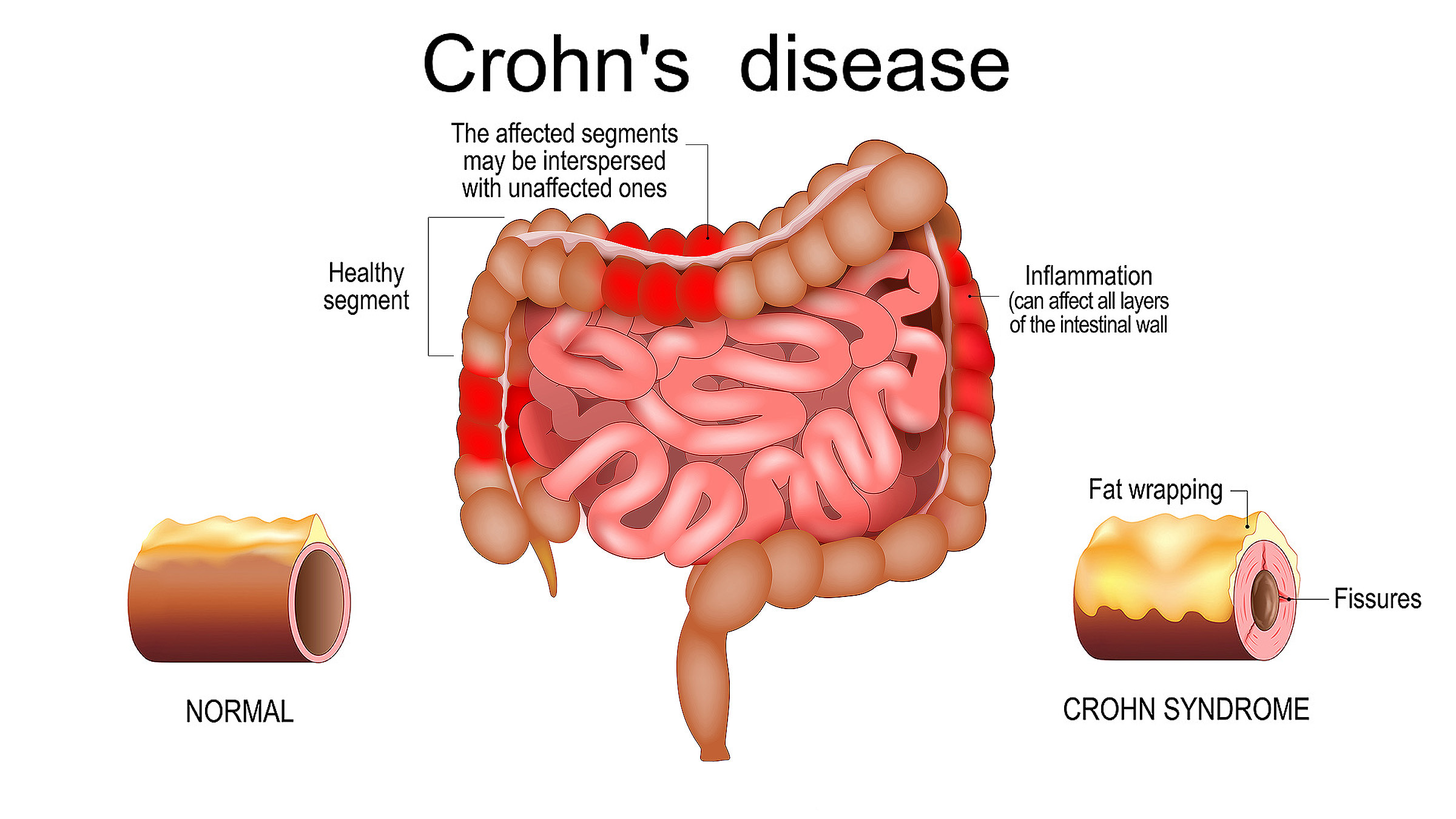
Navigating the Landscape of Crohn’s Disease: Symptoms, Causes, and Diagnosis
The journey of understanding Crohn’s disease begins with recognizing its multifaceted presentation. The symptoms can vary widely from person to person, depending on which part of the GI tract is affected and the severity of the inflammation. This variability can sometimes make diagnosis a challenging and lengthy process.
The Diverse Manifestations of Crohn’s Symptoms
The hallmark symptoms of Crohn’s disease often revolve around the digestive system, but the impact can extend beyond this. Common digestive symptoms include:
- Persistent Diarrhea: This is one of the most prevalent symptoms, often accompanied by urgency and a feeling of incomplete evacuation. The inflammation in the intestinal lining disrupts the normal absorption of water and nutrients, leading to loose, frequent stools.
- Abdominal Pain and Cramping: Pain is typically felt in the lower right abdomen, but it can occur anywhere in the abdomen. This is due to inflammation, swelling, and potential blockages within the intestines. The pain can be sharp, dull, or cramping and may worsen after eating.
- Rectal Bleeding: Blood in the stool can range from bright red to dark and tarry, depending on the location of the bleeding. This can occur due to ulcerations or fissures in the inflamed intestinal lining.
- Unexplained Weight Loss: Due to malabsorption of nutrients, chronic diarrhea, and reduced appetite, significant and unintentional weight loss is a common symptom. The body struggles to break down and absorb the food consumed, leading to a caloric deficit.
- Fatigue: Profound tiredness and lack of energy are frequently reported by individuals with Crohn’s disease. This can be a consequence of chronic inflammation, anemia (due to blood loss or poor nutrient absorption), and the overall strain on the body.
- Fever: Low-grade fevers can occur, particularly during flare-ups, as the body fights the persistent inflammation.
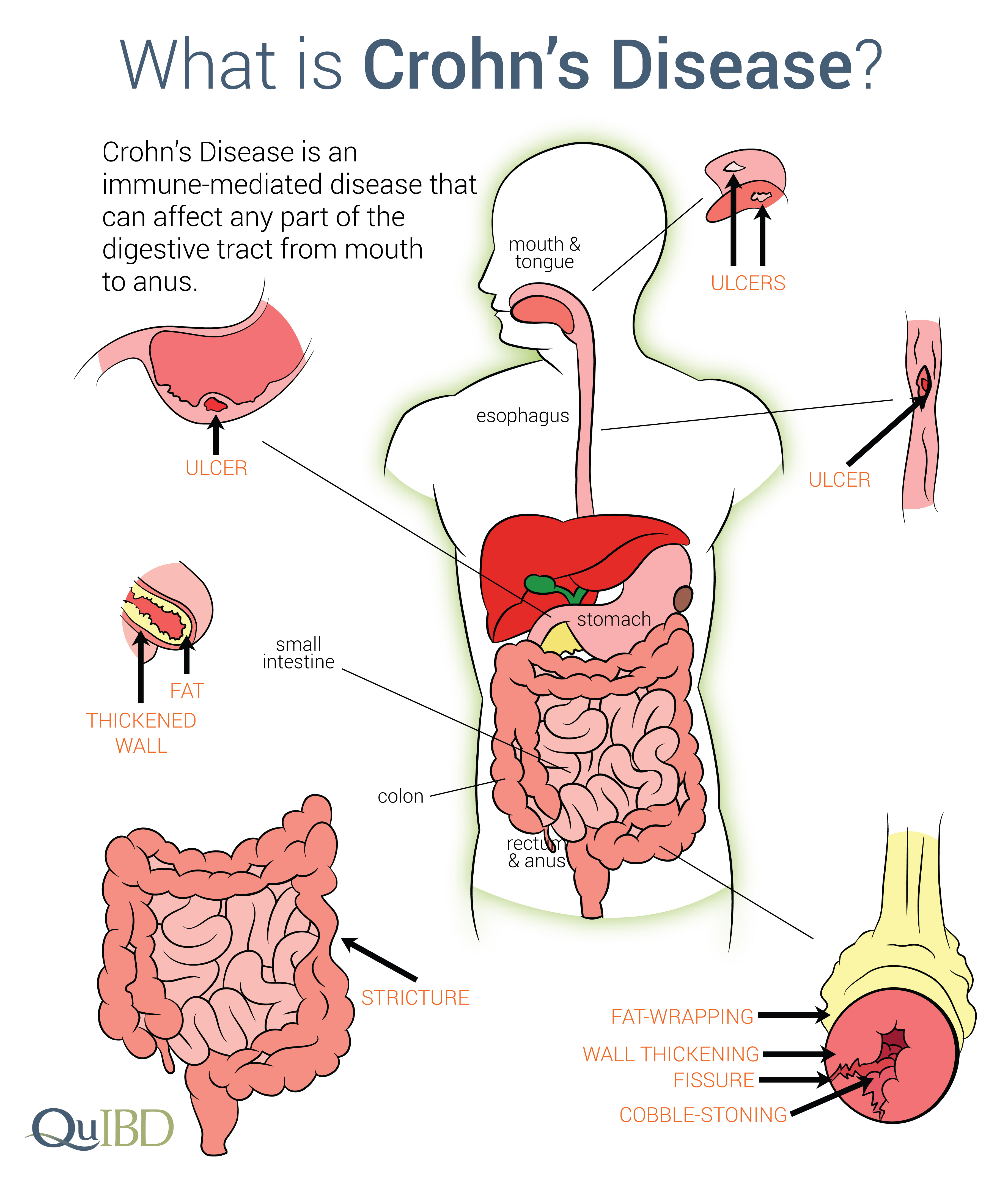
- Mouth Sores (Aphthous Ulcers): While not exclusively a digestive symptom, painful sores can develop in the mouth, a common extraintestinal manifestation of Crohn’s disease.
Beyond the digestive tract, Crohn’s disease can also manifest in other parts of the body:
- Joint Pain (Arthritis): Inflammation can affect the joints, leading to pain, stiffness, and swelling, often in the large joints like the knees, hips, and ankles.
- Skin Problems: Various skin conditions can be associated with Crohn’s, including painful red lumps (erythema nodosum) and ulcers.
- Eye Inflammation (Uveitis): Redness, pain, and blurred vision can occur due to inflammation in the eyes.
- Liver and Bile Duct Inflammation: While less common, inflammation can affect the liver and bile ducts, potentially leading to jaundice and other complications.
- Delayed Growth and Development in Children: For children with Crohn’s, the chronic inflammation and malabsorption can significantly hinder their growth and development.
Unraveling the Mysteries: Potential Causes and Risk Factors
Despite extensive research, the precise cause of Crohn’s disease remains elusive. However, a complex interplay of genetic, environmental, and immune system factors is believed to be responsible.
- Genetics: A family history of Crohn’s disease or other inflammatory bowel diseases (IBD) significantly increases the risk of developing the condition. Researchers have identified several genes that are associated with an increased susceptibility to Crohn’s. These genes often play a role in immune system function and how the body interacts with gut bacteria.
- Immune System Dysfunction: In individuals with Crohn’s, the immune system appears to be overactive and misdirected. Instead of targeting harmful pathogens, it mistakenly attacks the lining of the GI tract, triggering chronic inflammation. The exact trigger for this immune system malfunction is not fully understood.
- Environmental Factors: Several environmental factors are thought to play a role, though their precise mechanisms are still being investigated.
- Diet: While no specific diet is definitively proven to cause Crohn’s, certain dietary patterns, such as a diet high in processed foods and low in fiber, have been linked to an increased risk in some studies. Conversely, a balanced diet rich in fruits, vegetables, and whole grains may be beneficial for managing symptoms.
- Smoking: Smoking is a significant risk factor for developing Crohn’s disease and can also worsen its severity and lead to more frequent flare-ups. Quitting smoking is strongly recommended for individuals with Crohn’s.
- Infections: Some researchers hypothesize that certain viral or bacterial infections might trigger the immune response that leads to Crohn’s in genetically predisposed individuals.
- Medications: Long-term use of certain medications, such as nonsteroidal anti-inflammatory drugs (NSAIDs), has been associated with an increased risk or exacerbation of Crohn’s symptoms in some individuals.
The Diagnostic Pathway: Pinpointing Crohn’s Disease
Diagnosing Crohn’s disease often involves a comprehensive approach, as there isn’t a single definitive test. Doctors will typically use a combination of methods to rule out other conditions and confirm the diagnosis.
- Medical History and Physical Examination: A thorough review of your symptoms, family history, and lifestyle habits, along with a physical examination, is the initial step.
- Blood Tests: Blood tests can help detect inflammation (elevated C-reactive protein or erythrocyte sedimentation rate), anemia, and nutrient deficiencies. They can also help rule out other conditions like infections.
- Stool Tests: Stool samples are analyzed to detect signs of infection, inflammation, and blood, which can help differentiate Crohn’s from other causes of diarrhea.
- Endoscopic Procedures: These are crucial for visualizing the GI tract and obtaining tissue samples (biopsies) for examination under a microscope.
- Colonoscopy: This procedure involves inserting a flexible tube with a camera into the rectum to examine the colon. It’s often used to assess inflammation in the lower part of the GI tract.
- Upper Endoscopy (EGD): This allows visualization of the esophagus, stomach, and the first part of the small intestine (duodenum).
- Capsule Endoscopy: A small, pill-sized camera is swallowed, which takes pictures as it travels through the digestive tract, allowing visualization of areas not accessible by traditional endoscopy.
- Imaging Tests: These provide detailed images of the gastrointestinal tract and surrounding organs.
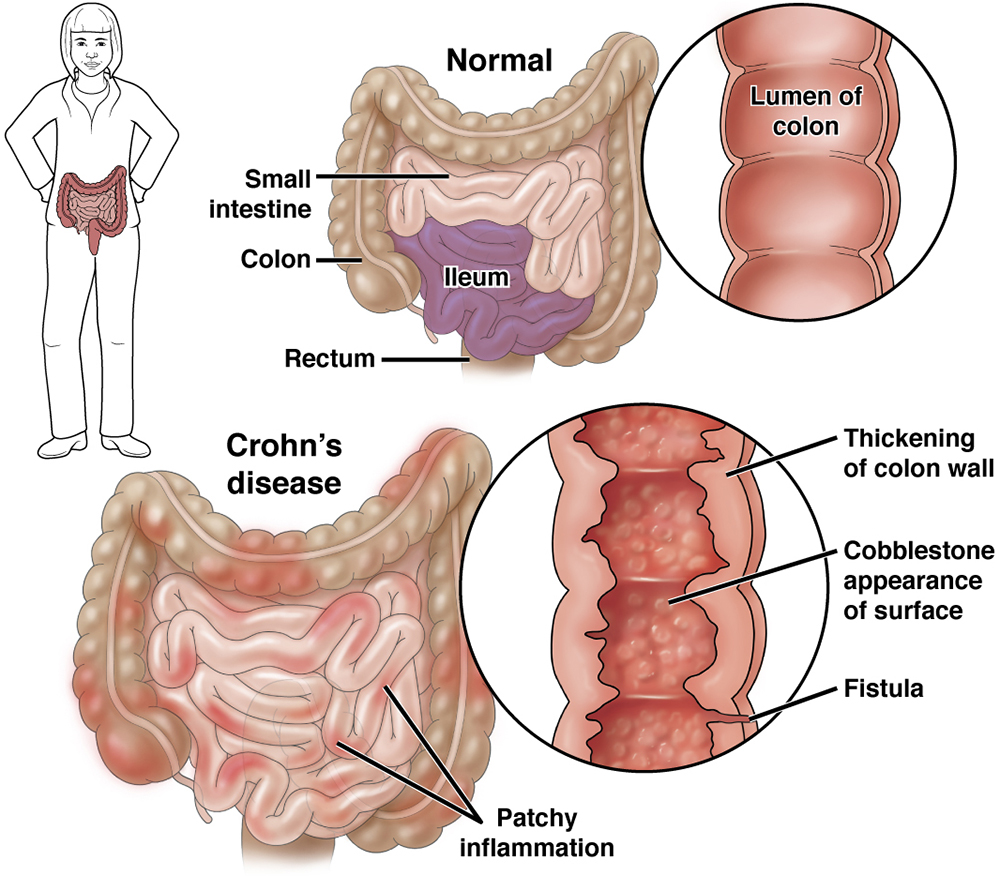
- CT Scan (Computed Tomography) and MRI (Magnetic Resonance Imaging): These can reveal inflammation, thickening of the bowel wall, abscesses, and fistulas.
- Barium X-rays: In these tests, a barium contrast material is swallowed or given as an enema to highlight the digestive tract on X-rays, revealing abnormalities in the shape and lining of the intestines.
The diagnostic process can be emotionally taxing, requiring patience and perseverance as individuals navigate various tests and consultations.
Living with Crohn’s Disease: Management Strategies and Lifestyle Adaptations
Crohn’s disease is a chronic condition, meaning there is no cure. However, with effective management strategies and lifestyle adaptations, individuals can significantly control symptoms, reduce inflammation, and improve their quality of life. The goal of treatment is to achieve and maintain remission – a period where symptoms are absent or minimal.
Medical Interventions: Targeting Inflammation and Symptoms
The cornerstone of Crohn’s disease management lies in medical treatments aimed at reducing inflammation and preventing complications. The choice of treatment depends on the severity and location of the disease, as well as the individual’s response to therapy.
- Anti-inflammatory Medications:
- Aminosalicylates (5-ASAs): These medications (e.g., mesalamine, sulfasalazine) are often used for mild to moderate inflammation, particularly in the colon. They work by reducing inflammation in the lining of the gut.
- Corticosteroids: These potent anti-inflammatory drugs (e.g., prednisone, budesonide) are highly effective in quickly reducing inflammation and achieving remission during flare-ups. However, due to their significant side effects, they are typically used for short periods.
- Immunomodulators: These drugs work by suppressing the immune system to reduce inflammation. They are often used to maintain remission after corticosteroids have successfully controlled a flare-up and can help reduce reliance on steroids. Examples include azathioprine, 6-mercaptopurine, and methotrexate.
- Biologic Therapies: These are advanced medications derived from living organisms, designed to target specific proteins in the immune system that drive inflammation. They have revolutionized Crohn’s treatment and are often used for moderate to severe disease that hasn’t responded to other therapies. Common types of biologics include:
- TNF inhibitors: (e.g., infliximab, adalimumab) block a protein called tumor necrosis factor-alpha.
- Integrin inhibitors: (e.g., vedolizumab) block the movement of white blood cells into the inflamed tissues.
- Interleukin inhibitors: (e.g., ustekinumab) target specific interleukins involved in inflammation.
- Antibiotics: While not a primary treatment for inflammation, antibiotics may be prescribed to treat bacterial infections that can occur with Crohn’s, such as abscesses or fistulas.
- Nutritional Support: Malnutrition and vitamin deficiencies are common in Crohn’s. Nutritional support can include:
- Dietary Modifications: Working with a registered dietitian to identify trigger foods and develop a personalized eating plan is crucial.
- Nutritional Supplements: Vitamin and mineral supplements (e.g., iron, vitamin B12, vitamin D, calcium) are often necessary to address deficiencies.
- Enteral or Parenteral Nutrition: In severe cases, where the gut cannot absorb nutrients effectively, individuals may require liquid nutrition delivered directly into the stomach or veins.
- Surgery: Surgery may be necessary to address complications such as intestinal strictures (narrowing), fistulas, abscesses, or when medical treatment fails to control the disease. Surgical options include resection of diseased bowel segments and procedures to close fistulas. It’s important to note that surgery is not a cure, and Crohn’s can recur in other parts of the GI tract.
Embracing a Healthy Lifestyle: Complementary Approaches for Well-being
Beyond medical treatments, adopting a healthy lifestyle can significantly complement management strategies and improve overall well-being for individuals with Crohn’s disease.
- Dietary Adjustments and Food Management:
- Identifying Trigger Foods: Many individuals find that certain foods exacerbate their symptoms. Keeping a food diary can help identify these triggers, which might include dairy products, high-fiber foods (during flares), spicy foods, or fatty foods.
- Low-Residue Diet: During active flares, a low-residue diet (low in fiber) can help reduce the burden on the intestines and alleviate diarrhea and pain.
- Adequate Hydration: Staying well-hydrated is crucial, especially with diarrhea. Water, herbal teas, and electrolyte-rich beverages are recommended.
- Small, Frequent Meals: Eating smaller meals more frequently throughout the day can be easier to digest than three large meals.
- Stress Management: Stress can be a significant trigger for Crohn’s flare-ups. Implementing stress-reducing techniques is vital. This can include:
- Mindfulness and Meditation: Practicing mindfulness exercises can help manage stress and improve coping mechanisms.
- Yoga and Tai Chi: These gentle forms of exercise can promote relaxation and reduce tension.
- Adequate Sleep: Prioritizing 7-9 hours of quality sleep per night is essential for overall health and immune function.
- Seeking Emotional Support: Connecting with friends, family, or support groups can provide emotional relief and a sense of community.
- Regular Exercise: While strenuous exercise might be challenging during flares, regular physical activity can be beneficial for overall health, reducing stress, and improving mood. Low-impact activities like walking, swimming, or cycling are often well-tolerated.
- Smoking Cessation: As mentioned earlier, smoking is a major risk factor and exacerbates Crohn’s. Quitting smoking is one of the most impactful lifestyle changes an individual can make.
The Future of Crohn’s Disease: Research, Innovation, and Hope
The understanding and treatment of Crohn’s disease are continually evolving. Ongoing research is focused on several key areas:
- Uncovering the Root Cause: Scientists are working to unravel the complex interplay of genetic, environmental, and immune factors that contribute to the development of Crohn’s. This deeper understanding could lead to more targeted preventative strategies.
- Developing Novel Therapies: Research is underway to develop new medications with improved efficacy and fewer side effects, including advanced biologic therapies and small molecule drugs.
- Personalized Medicine: The goal is to move towards personalized medicine, where treatments are tailored to an individual’s specific genetic makeup, disease characteristics, and response to therapy.
- Improving Diagnostics: Efforts are being made to develop less invasive and more accurate diagnostic tools for earlier detection and better monitoring of the disease.
- Focus on Gut Microbiome: The role of the gut microbiome (the community of bacteria in the intestines) is a growing area of research, with potential implications for developing new therapeutic interventions.
Living with Crohn’s disease presents challenges, but with advancements in medical treatments, a proactive approach to lifestyle management, and ongoing research, individuals can lead fulfilling lives. Understanding this chronic condition is the first step towards effective management, empowering both patients and healthcare providers to navigate the complexities and strive for a future with improved outcomes and, ultimately, a cure.
aViewFromTheCave is a participant in the Amazon Services LLC Associates Program, an affiliate advertising program designed to provide a means for sites to earn advertising fees by advertising and linking to Amazon.com. Amazon, the Amazon logo, AmazonSupply, and the AmazonSupply logo are trademarks of Amazon.com, Inc. or its affiliates. As an Amazon Associate we earn affiliate commissions from qualifying purchases.