
Criminal mischief, in its various degrees, represents a legal charge often associated with property damage or destruction. When elevated to the 3rd degree, it signals a threshold where the financial impact of the alleged actions becomes significantly more severe, carrying substantial monetary penalties and long-term financial repercussions for individuals and potentially businesses. This charge is not merely about a legal infraction; it is a direct assault on financial well-being, demanding careful consideration of its economic consequences. Understanding the nature of this charge, particularly from a financial perspective, is crucial for anyone involved or concerned with its potential ramifications.

The Financial Landscape of a 3rd Degree Criminal Mischief Charge
A charge of criminal mischief in the 3rd degree typically involves property damage exceeding a certain monetary value, often ranging from a few hundred dollars to several thousand, depending on the jurisdiction. This valuation immediately positions the offense squarely within the realm of financial concern, as the costs associated with the crime begin to accumulate from the moment it is alleged.
Immediate Monetary Penalties: Fines and Surcharges
Upon conviction, one of the most direct and immediate financial consequences is the imposition of fines. These statutory fines for 3rd-degree criminal mischief can be substantial, often reaching into the thousands of dollars. For instance, in some states, a Class E felony (a common classification for 3rd-degree criminal mischief) can carry fines up to $5,000, $10,000, or even more, in addition to state-mandated surcharges and administrative fees. These surcharges are often fixed amounts, adding hundreds of dollars to the total financial burden, regardless of the fine amount.
Consider the cumulative effect: a $5,000 fine, coupled with a $300 victim services surcharge, a $250 court operations fee, and various other administrative costs, can quickly push the immediate outlay past $6,000. For many individuals, particularly those without significant liquid assets, this can represent a crippling financial blow, potentially necessitating payment plans that accrue interest or forcing difficult decisions about other financial obligations. For a small business owner, such a fine could directly impact operational liquidity, diverting funds from inventory, payroll, or marketing.
The Burden of Restitution: Repairing Damages Financially
Beyond fines, restitution is a cornerstone of criminal mischief penalties, and often the most significant financial component. Restitution is the court-ordered payment to the victim to compensate for the actual financial losses incurred due to the damage. For 3rd-degree criminal mischief, where the damage value is inherently higher, the restitution amount can be considerable. This can include the cost of repairing or replacing damaged property, loss of use of the property, cleaning costs, and even lost income if the damage impacted a victim’s business operations.
For example, if the mischief involved defacing a commercial building facade, restitution might cover not only the cost of specialized cleaning or repainting but also the potential loss of business if the damage deterred customers. If it involved tampering with business equipment, the restitution could encompass repair costs, replacement costs, and the cost of lost productivity during downtime. The determination of restitution can be complex, often requiring appraisals, contractor quotes, and forensic accounting to accurately assess the victim’s financial detriment. This process itself can incur additional legal or expert fees for the defendant if they contest the amount. Unlike fines, which go to the state, restitution directly impacts the financial recovery of the victim, ensuring the financial burden of the damage falls squarely on the convicted individual.
Legal Fees: An Unavoidable Expense
Navigating the criminal justice system, especially when facing felony charges like 3rd-degree criminal mischief, necessitates legal representation. The cost of hiring a qualified defense attorney is a substantial financial consideration. Legal fees can range widely based on the attorney’s experience, the complexity of the case, the jurisdiction, and whether the case proceeds to trial.
For a felony charge, attorney fees can easily start from several thousand dollars for initial representation and can escalate to tens of thousands if the case involves extensive discovery, negotiations, expert witnesses, or a full trial. These costs are incurred regardless of the outcome, adding another significant financial layer to the already weighty fines and restitution. Even for individuals who qualify for public defenders, there may still be application fees or contribution orders, though significantly lower. This investment in legal counsel, while essential for a robust defense and potentially mitigating the final financial penalties, nonetheless represents a considerable financial outlay that must be planned for.
Long-Term Financial Repercussions for Individuals
A conviction for criminal mischief in the 3rd degree, being a felony in many jurisdictions, extends its financial reach far beyond immediate fines and restitution. The presence of a felony on an individual’s record can cast a long shadow over their financial future, impacting employment, insurance, and access to credit.
Impact on Employment and Earning Potential
Perhaps one of the most debilitating long-term financial consequences is the impact on employment opportunities and earning potential. Many employers conduct background checks, and a felony conviction for property damage can be a significant red flag. It can lead to:
- Difficulty securing new employment: Especially in industries requiring trust, handling money, or working with vulnerable populations. Many companies have strict policies against hiring individuals with felony convictions.
- Loss of current employment: If the conviction occurs while employed, particularly in roles involving corporate assets, trust, or requiring professional licenses, it can lead to termination.
- Limited career advancement: Even if employment is retained or found, a felony record can preclude promotions to management positions or roles requiring security clearances.
- Reduced earning capacity: Faced with limited options, individuals may be forced into lower-paying jobs or positions below their skill level, leading to a substantial decrease in lifetime earnings. This can translate into hundreds of thousands of dollars in lost income over a career.
The financial ripple effect of diminished employment prospects can impact an individual’s ability to save for retirement, purchase a home, or even maintain a stable household budget.
Insurance Costs and Coverage Denials
A criminal record, particularly one involving property damage, can also influence an individual’s insurance profile. While not universally applied, some insurers may view individuals with such convictions as higher risk. This could manifest as:
- Increased premiums: For auto, homeowner’s, or renter’s insurance policies.
- Difficulty obtaining certain types of insurance: Such as professional liability or umbrella policies.
- Denied claims: In scenarios where the damage is perceived to be related to the prior conviction or if the conviction impacts the insurer’s assessment of moral hazard.
Furthermore, if the criminal mischief involved a vehicle, leading to an auto insurance claim, the subsequent conviction could be factored into future premium calculations, potentially raising rates significantly for years.
Credit and Loan Access: A Ripple Effect
While a criminal conviction doesn’t directly appear on a credit report, its financial aftermath can severely impact an individual’s creditworthiness and access to financial services. The burden of fines, restitution, and legal fees can:
- Strain personal finances: Leading to missed payments on credit cards, loans, or utilities, which do negatively impact credit scores.
- Limit savings: Diverting funds that would otherwise build savings or be used for down payments.
- Hinder loan applications: Lenders assess an applicant’s financial stability and employment history. A criminal record that affects employment or income can make it difficult to secure mortgages, auto loans, or even personal loans. Lenders might perceive a higher risk of default due to unstable income or potential future legal issues.
- Affect rental applications: Landlords often run background checks and credit checks. A felony conviction combined with a poor credit history resulting from financial strain can make finding suitable housing challenging, potentially leading to higher rental costs or less desirable living situations.
These indirect financial consequences create a compounding effect, making it challenging for individuals to rebuild their financial stability and participate fully in the economy.
Business Finance and Operational Risks

When criminal mischief in the 3rd degree is committed against a business, or by a business owner, the financial implications extend beyond individual penalties to impact the operational and strategic finance of the entity itself.
Commercial Property Damage and Liability
For businesses that are victims of 3rd-degree criminal mischief, the immediate financial burden often involves property damage. This can range from defaced buildings and damaged equipment to compromised inventory or disrupted utilities. The financial costs include:
- Direct repair and replacement costs: Sourcing contractors, purchasing new equipment, or replacing stock.
- Business interruption losses: If the damage renders the business inoperable for a period, leading to lost sales, revenue, and customer goodwill. This can be particularly devastating for small businesses with tight margins.
- Increased insurance premiums: After filing a claim for property damage, the business’s commercial insurance premiums may increase, impacting future operational costs.
- Security enhancements: Businesses may feel compelled to invest in additional security measures (cameras, alarms, guards) to prevent future incidents, adding to overhead.
Beyond the direct costs, the time and resources spent dealing with the aftermath – police reports, insurance claims, contractor negotiations – divert valuable management attention from core business activities, representing an opportunity cost.
Licensing, Permits, and Business Continuity
If a business owner or a key principal within a company is convicted of 3rd-degree criminal mischief, particularly if it’s a crime of moral turpitude or involves financial aspects, it can have severe repercussions on the business’s ability to operate legally.
- Professional licenses: Many professions require specific licenses (e.g., real estate brokers, financial advisors, contractors, healthcare providers). A felony conviction can lead to the suspension, revocation, or denial of these licenses, effectively shutting down a business or preventing an individual from practicing their trade.
- Business permits: Operating permits and certifications, especially those issued by state or local governments, might be jeopardized, particularly if the offense relates to public trust or property.
- Contractual obligations: A conviction could breach “good standing” clauses in business contracts, leading to termination of agreements with clients, suppliers, or lenders, creating severe financial instability.
The inability to maintain essential licenses and permits can lead to a complete cessation of business operations, resulting in total financial loss for the owner and job losses for employees.
Reputational Damage and Client Trust
The financial health of a business is intrinsically linked to its reputation and the trust it commands from customers, partners, and investors. A public conviction for criminal mischief can severely erode this trust.
- Loss of customer base: Negative publicity or awareness of a business owner’s criminal record can deter customers, leading to a significant drop in sales and revenue.
- Difficulty attracting new clients: Potential clients may be wary of engaging with a business whose principals have a felony conviction, particularly if the business operates in a sensitive industry.
- Investor reluctance: For businesses seeking funding, a felony conviction can make it nearly impossible to attract investors, as it signals increased risk and potential ethical concerns.
- Impact on partnerships and collaborations: Other businesses may choose to distance themselves to avoid association with a tarnished reputation, leading to lost growth opportunities.
The financial cost of reputational damage is often intangible but can be one of the most destructive long-term impacts, undermining the brand equity and market value built over years. Rebuilding trust and reputation can be a protracted and expensive endeavor, often requiring significant marketing and public relations investments.
Mitigating Financial Exposure: Proactive Measures
Given the extensive financial implications of criminal mischief in the 3rd degree, understanding proactive measures to mitigate exposure is critical for both individuals and businesses.
Legal Counsel as a Financial Investment
Engaging competent legal counsel immediately upon being charged or even suspected of involvement is perhaps the most significant financial investment one can make. A skilled attorney can:
- Negotiate plea bargains: Aiming for reduced charges (e.g., to a misdemeanor) or alternative sentencing that may involve lower fines, no jail time, or community service instead of substantial restitution or incarceration, thereby preserving earning capacity.
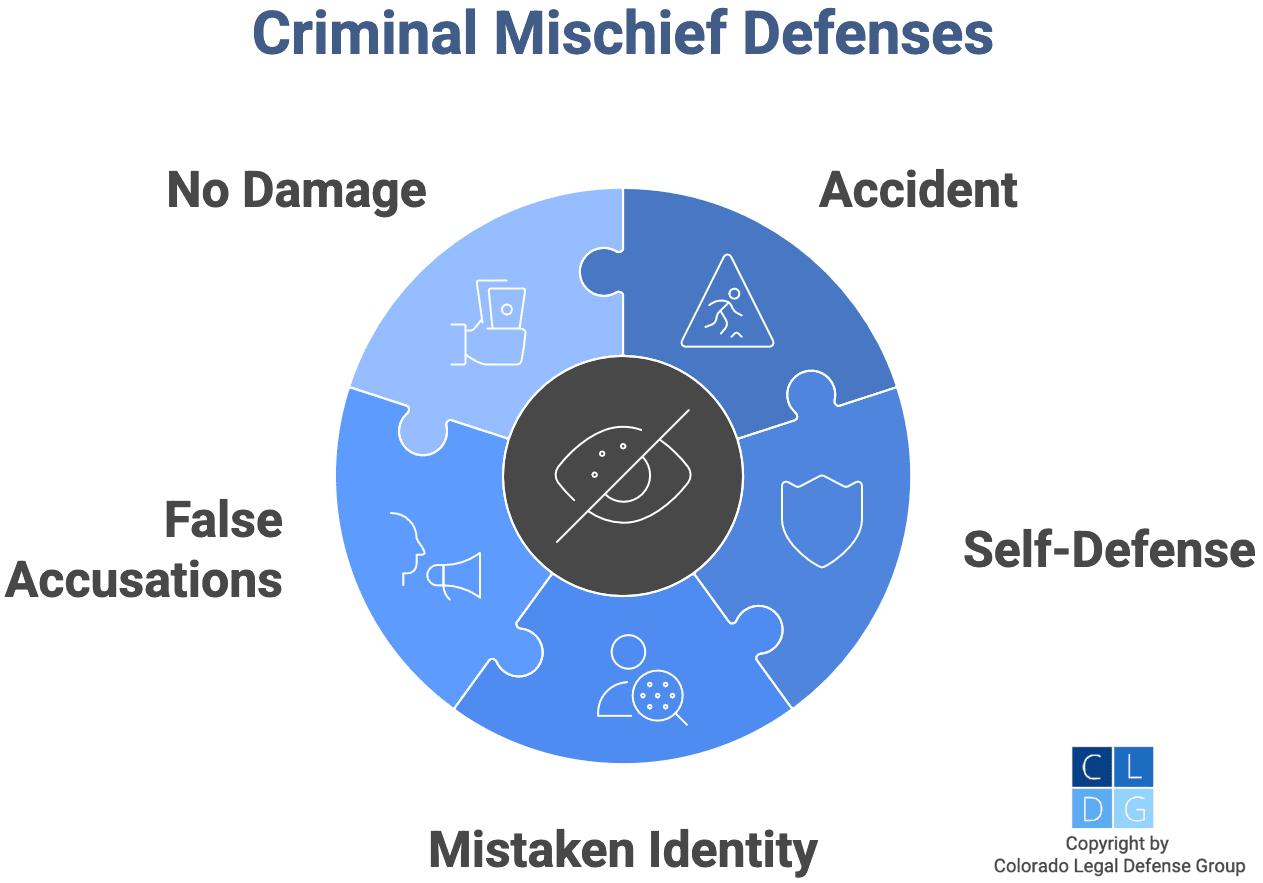
- Challenge evidence: Potentially leading to a dismissal of charges or an acquittal, which entirely avoids all financial penalties.
- Advise on restitution: Helping to negotiate a fair restitution amount, preventing inflated claims from victims.
- Protect assets: Providing guidance on how to shield personal and business assets from potential forfeiture or excessive financial judgments.
Viewing legal fees not as an expense but as a strategic investment to minimize a much larger potential financial catastrophe is essential.
Understanding Plea Bargains and Financial Settlements
Plea bargains are common in the criminal justice system and often involve negotiations that can significantly impact the financial outcome. A plea bargain might entail:
- Reduced fines: Agreeing to a lesser charge often comes with a lower statutory fine ceiling.
- Negotiated restitution: Sometimes, a structured settlement or a more manageable restitution payment plan can be part of a plea agreement.
- Alternative sentencing: Such as probation combined with community service, which avoids the income loss associated with incarceration and may reduce direct financial penalties.
For businesses, understanding liability and potentially settling civil claims related to property damage outside of criminal proceedings can sometimes offer a more controlled financial outcome than awaiting court-ordered restitution, though this requires careful legal strategy.
Insurance Review and Risk Management
For businesses, proactive risk management and a thorough review of commercial insurance policies are paramount.
- Adequate property insurance: Ensuring coverage for various types of damage, including vandalism and malicious mischief, is crucial.
- Business interruption insurance: This vital coverage can help recoup lost income and operating expenses if damage forces a temporary closure.
- Liability insurance: Understanding the scope of liability coverage, especially if an employee’s actions lead to damage, is important.
- Security measures: Investing in security cameras, alarms, and robust access controls can deter incidents and potentially reduce insurance premiums while mitigating the financial risk of damage.
For individuals, while personal criminal acts are typically excluded from insurance policies, understanding the terms of homeowner’s or renter’s insurance for damage caused to one’s property is important. More broadly, managing personal finances to build an emergency fund can provide a critical buffer against unforeseen legal and financial expenses.
In conclusion, criminal mischief in the 3rd degree is far more than a simple legal term; it is a financial hazard with immediate and long-lasting consequences. From substantial fines and restitution to crippling impacts on employment, credit, and business operations, the financial landscape surrounding this charge demands serious consideration and proactive financial and legal planning.
aViewFromTheCave is a participant in the Amazon Services LLC Associates Program, an affiliate advertising program designed to provide a means for sites to earn advertising fees by advertising and linking to Amazon.com. Amazon, the Amazon logo, AmazonSupply, and the AmazonSupply logo are trademarks of Amazon.com, Inc. or its affiliates. As an Amazon Associate we earn affiliate commissions from qualifying purchases.