
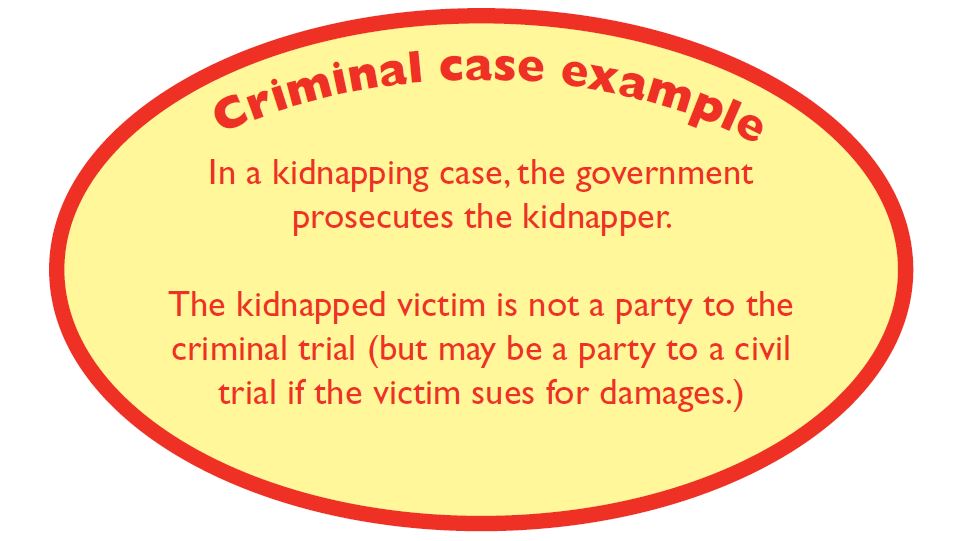
A criminal case, at its core, is a legal proceeding initiated by the state or federal government against an individual or entity alleged to have committed an act defined as a crime. Unlike civil cases, which typically resolve disputes between private parties and seek monetary damages, criminal cases aim to punish offenders for transgressions against society and maintain public order. While the fundamental objective of criminal justice is justice and deterrence, the financial ramifications for all parties involved – individuals, businesses, and even the broader economy – are immense and often overlooked in a general understanding of the term. For anyone concerned with personal finance, business finance, or investment, comprehending the financial exposure and consequences inherent in a criminal case is critical.

The Staggering Financial Stakes of a Criminal Case
The journey through a criminal justice system is not merely a legal or ethical one; it is a profound financial undertaking. From the moment an investigation begins through potential appeals, the costs can escalate rapidly, impacting an individual’s or a corporation’s financial stability, wealth, and future earning potential.
Legal Defense Costs: An Immediate Financial Drain
One of the most immediate and significant financial burdens in a criminal case is the cost of legal representation. Even for seemingly minor offenses, legal fees can quickly accumulate into thousands of dollars. For more serious felonies, particularly those involving complex financial transactions or extensive evidence, defense costs can easily reach tens of thousands or even hundreds of thousands of dollars. High-profile corporate cases or multi-jurisdictional financial crimes often see legal bills soar into the millions. These costs encompass attorney fees, investigator fees, expert witness fees (e.g., forensic accountants, digital forensics experts), court filing fees, and administrative expenses. Many individuals may need to liquidate assets, draw from retirement savings, or take on substantial debt to fund their defense, fundamentally altering their long-term financial plans. Businesses facing criminal charges, even if ultimately acquitted, can incur massive legal expenses that divert capital from operations, research, or growth initiatives.
Fines, Restitution, and Penalties: Direct Financial Punishments
Beyond legal defense, a conviction in a criminal case almost invariably entails direct financial penalties. Fines, ranging from minor sums for misdemeanors to multi-million-dollar penalties for corporate fraud or serious financial crimes, are a common form of punishment. These fines are paid to the state and are distinct from other forms of financial consequence. More impactful, perhaps, is restitution. Restitution requires the convicted party to compensate victims for financial losses directly resulting from the crime. This can include stolen funds, property damage, medical expenses, or lost wages. For example, in cases of embezzlement or investment fraud, restitution orders can amount to the entire sum defrauded, plus interest, potentially bankrupting the perpetrator.
Additionally, criminal convictions can lead to asset forfeiture, where property linked to criminal activity or acquired through illegal means is seized by the government. This can include bank accounts, real estate, vehicles, and other valuables, representing a direct and often devastating loss of wealth. For businesses, penalties can extend to civil monetary penalties imposed by regulatory bodies (e.g., SEC, FTC), which are often layered on top of criminal fines and restitution, further compounding the financial devastation.
Loss of Income and Future Earning Potential: Long-Term Economic Damage
The financial impact of a criminal case extends far beyond immediate costs and penalties. A conviction, especially for a felony, can have profound long-term consequences for an individual’s income and career prospects. Incarceration directly leads to a complete loss of income for the duration of the sentence, impacting not only the individual but also their dependents. Even upon release, a criminal record often acts as a significant barrier to employment, particularly in professional fields or positions requiring trust and financial responsibility. Many professional licenses can be revoked or denied, preventing individuals from practicing their chosen profession. The stigma associated with a criminal record can also limit educational opportunities, access to housing, and even the ability to secure loans or credit, creating a cycle of financial hardship.
For business owners or executives, a criminal conviction can lead to the collapse of their company, loss of professional standing, and permanent exclusion from certain industries or leadership roles. For employees, even an indictment or association with a criminal investigation can damage their reputation and lead to termination, regardless of the ultimate legal outcome, highlighting the deep financial fragility a criminal case can introduce.
Common Criminal Cases with Direct Financial Impact
While any criminal case can have financial consequences, certain categories of crimes are inherently tied to financial activity and often lead to the most significant financial repercussions for individuals and businesses alike.
White-Collar Crimes: Fraud, Embezzlement, and Money Laundering
White-collar crimes represent a broad category of non-violent offenses committed for financial gain, often within professional or business settings. These include:
- Fraud: Encompassing schemes like investment fraud (Ponzi schemes, insider trading), healthcare fraud, tax fraud, and various forms of consumer fraud. These cases involve intentional misrepresentation to deprive another of property or money. The financial stakes are inherently high, often involving millions or billions of dollars, leading to massive restitution orders and multi-year prison sentences.
- Embezzlement: The misappropriation of funds or assets entrusted to an individual’s care, such as an employee stealing from a company or a financial advisor absconding with client funds. This directly impacts business finance and personal investments, often resulting in significant financial losses for victims and severe penalties for perpetrators.
- Money Laundering: The process of concealing the origins of illegally obtained money, typically by passing it through legitimate businesses or financial transactions. This crime is often a secondary charge to other illicit financial activities and carries substantial fines, asset forfeiture, and lengthy incarceration, aimed at disrupting the flow of illicit funds.
These crimes not only result in severe penalties for the perpetrators but also inflict substantial financial damage on victims, ranging from individual investors losing life savings to large corporations suffering significant balance sheet impacts and reputational damage.
Cybercrimes and Digital Theft
In the digital age, a significant portion of financially motivated crime has migrated online. Cybercrimes with direct financial impact include:
- Identity Theft: The unauthorized use of another person’s personal identifying information to open credit accounts, make purchases, or file fraudulent tax returns. Victims can suffer severe credit damage, long-term financial fraud, and significant time and expense to restore their financial identity.
- Ransomware Attacks: Malicious software that encrypts a victim’s files, demanding payment (often in cryptocurrency) for their release. Businesses, critical infrastructure, and even individuals can suffer immense financial losses due to operational downtime, data recovery costs, and the ransom payments themselves.
- Online Scams and Phishing: Deceptive practices designed to trick individuals into revealing sensitive financial information or sending money. These crimes directly target personal savings and investments, often leaving victims financially devastated.
The global financial impact of cybercrime is staggering, costing trillions of dollars annually in losses, recovery efforts, and cybersecurity investments for both individuals and corporations.
Tax Evasion and Financial Misrepresentation
Crimes related to tax obligations and accurate financial reporting also carry severe financial penalties.
- Tax Evasion: The illegal act of intentionally avoiding paying taxes owed to the government. This can involve underreporting income, overstating deductions, or hiding assets. Convictions often result in substantial fines (often multiples of the taxes owed), back taxes, interest, and imprisonment.
- Securities Fraud: Misrepresenting information to investors, manipulating stock prices, or insider trading. These actions undermine trust in financial markets and can lead to massive financial losses for investors, resulting in significant fines for individuals and corporations, disgorgement of ill-gotten gains, and regulatory sanctions.
These criminal cases highlight the critical importance of financial literacy, compliance, and ethical conduct for anyone involved in managing money, whether personal or business assets.
Protecting Your Financial Future: Proactive Measures
Given the profound financial risks associated with criminal cases, proactive measures are essential for safeguarding personal and business finances.
Understanding Financial Regulations and Compliance
For businesses and individuals engaged in complex financial activities, a deep understanding of relevant financial regulations (e.g., anti-money laundering laws, securities regulations, tax codes) is non-negotiable. Implementing robust compliance programs, regular audits, and employee training can significantly mitigate the risk of accidental or intentional criminal activity within an organization. For individuals, understanding tax laws and avoiding deceptive financial schemes are fundamental to preventing criminal exposure. Investing in continuous education regarding financial best practices and legal requirements is a prudent financial decision.
The Importance of Professional Legal and Financial Counsel
Engaging qualified legal and financial professionals before issues arise can be a powerful preventative measure. A skilled corporate attorney can help structure business dealings to ensure legality and compliance, while a personal financial advisor can offer guidance on managing assets ethically and legally. If an investigation begins, immediate engagement of an experienced criminal defense attorney is paramount. Early legal intervention can often clarify misunderstandings, protect rights, and potentially prevent charges from being filed, thereby averting catastrophic financial outlays. This investment in expert advice is often far less costly than battling a full-blown criminal prosecution.
Due Diligence in Business and Personal Dealings
Exercising thorough due diligence in all financial dealings is a cornerstone of protection. For investors, this means researching investment opportunities, understanding associated risks, and verifying the credentials of financial advisors. For businesses, it involves rigorous background checks on employees, partners, and vendors, particularly those in positions of financial trust. Implementing internal controls, segregating financial duties, and maintaining transparent record-keeping are vital for preventing internal fraud and demonstrating accountability. In personal life, being wary of unsolicited offers, verifying information, and securing personal financial data can help prevent falling victim to identity theft and online scams, ultimately preserving personal wealth.
The Ripple Effect: Business Finance and Reputation
A criminal case, especially one involving a business or its executives, casts a long shadow that extends far beyond direct fines and legal fees. It can trigger a devastating ripple effect throughout an organization’s financial ecosystem and severely damage its most valuable intangible asset: its reputation.
Corporate Criminal Liability and Fines
Businesses themselves can be held criminally liable for the actions of their employees or agents, particularly in areas like corporate fraud, environmental crimes, or violations of anti-bribery laws (e.g., FCPA). Corporate fines can be enormous, often reaching hundreds of millions or even billions of dollars, significantly impacting a company’s balance sheet, liquidity, and ability to invest in future growth. Beyond monetary penalties, criminal convictions can lead to debarment from government contracts, revocation of licenses, and mandatory imposition of costly compliance monitors, all of which directly affect profitability and market access.
Impact on Shareholder Value and Investment
News of a criminal investigation or indictment involving a publicly traded company almost invariably leads to a sharp decline in its stock price. Investors react negatively to the increased risk, potential fines, and uncertainty about future earnings. Long-term, a criminal conviction can make a company less attractive to institutional investors, private equity firms, and even individual shareholders, leading to a higher cost of capital and difficulty raising funds for expansion. The diminished trust can also make mergers and acquisitions more challenging or less lucrative.

Brand Damage and Long-Term Recovery
Perhaps the most insidious and financially damaging consequence for businesses is the erosion of brand trust and reputation. A criminal conviction can shatter customer loyalty, alienate business partners, and make it difficult to attract and retain top talent. Rebuilding a tarnished brand takes immense time, effort, and financial investment in public relations campaigns, ethical reforms, and demonstrable commitment to renewed integrity. This long-term reputational damage can result in sustained revenue losses and a permanent competitive disadvantage, proving that the financial costs of a criminal case extend far beyond the immediate legal battlefield. For individuals, similar reputational damage can limit future employment, business opportunities, and even social capital, further entrenching financial hardship.
aViewFromTheCave is a participant in the Amazon Services LLC Associates Program, an affiliate advertising program designed to provide a means for sites to earn advertising fees by advertising and linking to Amazon.com. Amazon, the Amazon logo, AmazonSupply, and the AmazonSupply logo are trademarks of Amazon.com, Inc. or its affiliates. As an Amazon Associate we earn affiliate commissions from qualifying purchases.