
The allure of a crêpe is undeniable. Thin, delicate, and wonderfully versatile, these French pancakes grace breakfast tables, dessert menus, and even savory lunch plates worldwide. But have you ever stopped to truly consider the simple yet elegant alchemy that transforms a few basic ingredients into this culinary chameleon? The answer, at its core, is deceptively straightforward: crêpes are made of a batter, a liquid mixture that, when cooked, forms their signature thin, pliable disc. However, to truly understand “what are crêpes made of” is to delve into the fundamental components that give them their character, explore how different ingredients can elevate or alter them, and even touch upon the technological and branding aspects that have propelled them from humble origins to global recognition.
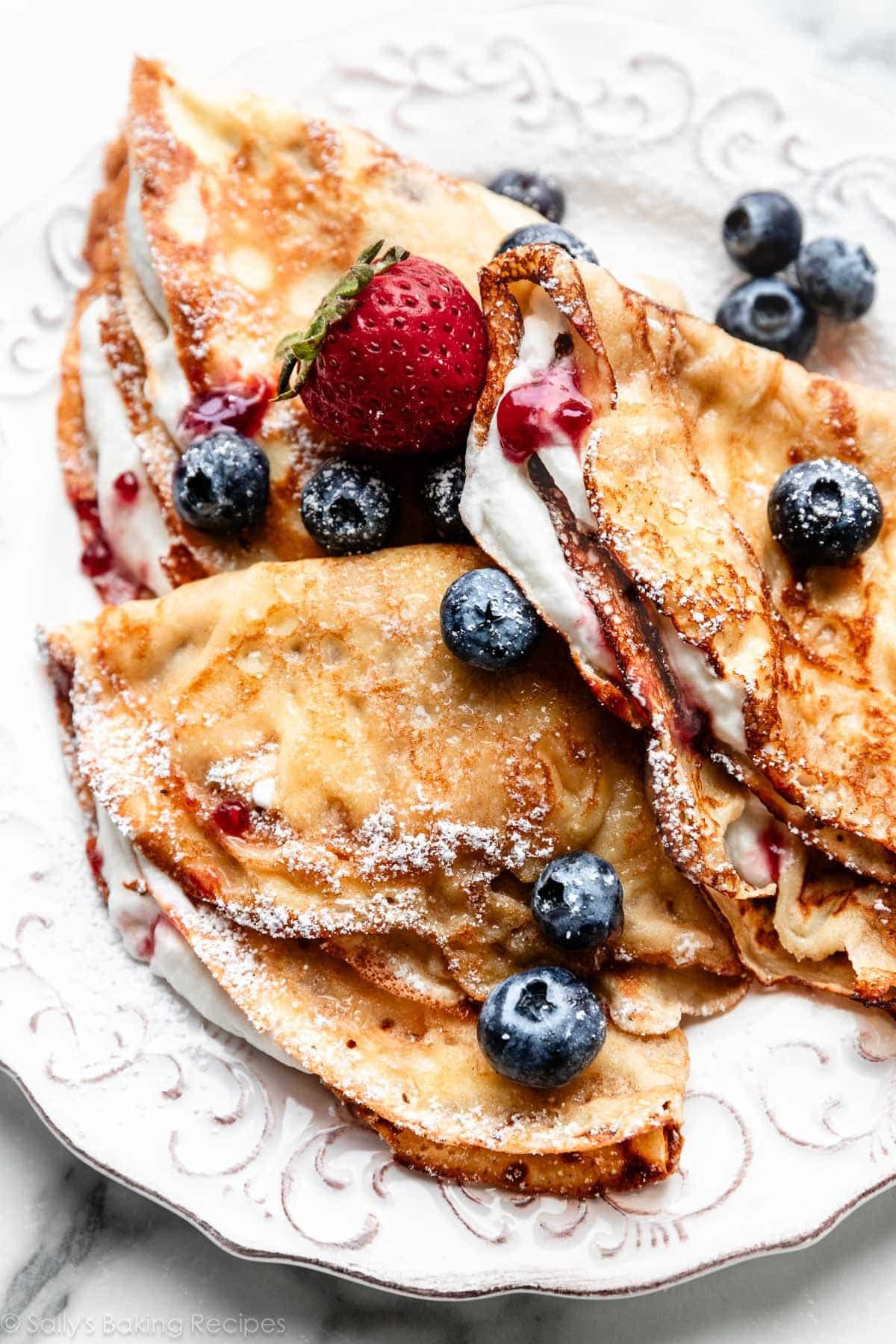
While the question might seem basic, its answer opens a fascinating window into the world of food science, culinary creativity, and even the business of food. Let’s break down the essential elements and explore the nuances that make crêpes so universally loved.
The Fundamental Building Blocks of a Crêpe Batter
At its heart, a classic crêpe batter is a symphony of four primary ingredients, each playing a crucial role in achieving that perfect texture and flavor.
Flour: The Structural Foundation
The foundation of any crêpe is, unsurprisingly, flour. Typically, all-purpose flour is the go-to choice for its readily available nature and balanced gluten content. Gluten is the protein network that develops when flour is mixed with liquid and agitated. In crêpes, a moderate amount of gluten is desirable. Too little, and the crêpe might be fragile and fall apart. Too much, and it can become tough and rubbery.
The type of flour used can subtly influence the final product. While all-purpose flour is standard, some recipes might call for cake flour for an even more tender and delicate crêpe, owing to its lower protein and gluten content. Conversely, buckwheat flour is famously used to make savory crêpes, known as galettes in Brittany, France. Buckwheat flour, being gluten-free, imparts a distinct nutty flavor and a slightly heartier texture. This showcases how the choice of flour is not merely a matter of availability but a deliberate decision that shapes the crêpe’s identity and intended use.
Liquid: The Binder and Texture Enhancer
The liquid component is essential for hydrating the flour and creating a smooth, pourable batter. The most common liquid used in crêpes is milk. Milk contributes richness, a subtle sweetness, and helps to tenderize the flour, leading to a softer final product. Its fat content also aids in browning and provides a pleasant mouthfeel.
However, milk isn’t the only option. Some recipes incorporate a mixture of milk and water to achieve a lighter batter, which can result in an even thinner and crispier crêpe. Cream can also be added for an extra layer of indulgence, making the crêpes richer and more decadent. For vegan crêpes, plant-based milks like almond milk, soy milk, or oat milk are excellent substitutes, offering similar binding properties with their own unique flavor profiles. The choice of liquid directly impacts the moisture content, elasticity, and overall flavor of the crêpe.
Eggs: The Emulsifier and Binder
Eggs are the unsung heroes of the crêpe batter. They act as a binder, holding the ingredients together, and as an emulsifier, helping to create a smooth, cohesive batter. The protein in the egg whites provides structure, while the yolks contribute richness, color, and a subtle leavening effect, though not as pronounced as in cakes.
Typically, whole eggs are used, providing a balance of binding and richness. However, some recipes might call for extra egg yolks for an even richer and more tender crêpe, or egg whites only for a lighter, more delicate texture, particularly when aiming for a crispier finish. The number of eggs used also influences the batter’s consistency and the crêpe’s structural integrity.
Fat: For Tenderness and Non-Stick Properties
A touch of fat is crucial for creating tender crêpes and preventing them from sticking to the pan. This fat can come in various forms:
- Melted butter is the classic choice, imparting a wonderful flavor and contributing to a beautifully golden-brown crust. The dairy fat in butter also adds a lovely richness.
- Vegetable oil (such as canola or sunflower oil) is another common option. It’s often preferred for its neutral flavor, which allows the other ingredients to shine, and its ability to create a tender crumb.
- Melted margarine or other neutral oils can also be used as butter substitutes, especially in vegan recipes.
The fat coats the flour particles, inhibiting excessive gluten development and resulting in a softer, more tender crêpe. It also contributes to the crêpe’s ability to cook evenly and achieve that desirable golden hue.
Beyond the Basics: Enhancements and Variations
While the core ingredients remain consistent, the beauty of crêpes lies in their adaptability. Chefs and home cooks alike can introduce subtle variations to alter the flavor, texture, and even the nutritional profile.
Sweeteners: A Touch of Sugar

For sweet crêpes, a small amount of sugar is typically added to the batter. This not only provides a pleasant sweetness but also aids in caramelization during cooking, contributing to a more attractive golden-brown exterior. The type of sugar can also make a difference:
- Granulated sugar is the most common.
- Brown sugar can add a hint of molasses flavor and a slightly deeper color.
- Powdered sugar can be used for a smoother incorporation, though it’s less common in the batter itself.
The amount of sugar can be adjusted to personal preference, from a hint of sweetness to a more pronounced dessert-like quality.
Flavorings: Elevating the Taste Profile
Beyond the basic ingredients, a world of flavorings can be incorporated into crêpe batter to create truly unique culinary experiences.
- Vanilla extract is a ubiquitous addition to sweet crêpes, enhancing their aroma and overall flavor profile with its warm, comforting notes.
- Citrus zest, such as lemon or orange, can add a bright, refreshing twist, particularly appealing in lighter, fruit-focused crêpes.
- Spices like cinnamon, nutmeg, or cardamom can lend a warming complexity, perfect for autumn-inspired desserts.
- For savory crêpes, herbs like chives, parsley, or thyme can be finely chopped and added directly to the batter, infusing them with a fresh, aromatic dimension. A pinch of salt is almost always included, even in sweet batters, to balance flavors and enhance the overall taste.
Nutritional Modifications: Catering to Dietary Needs
In today’s health-conscious world, the composition of crêpe batter can be adapted to meet various dietary requirements.
- Gluten-free crêpes are a popular alternative, achieved by substituting all-purpose flour with a blend of gluten-free flours such as rice flour, almond flour, oat flour (certified gluten-free), or specialized gluten-free baking mixes.
- Vegan crêpes omit eggs and dairy. They can be made using plant-based milks, a binder like a flax egg (ground flaxseed mixed with water), or commercial egg replacers, and a neutral oil instead of butter.
- Whole wheat flour can be incorporated for a more fiber-rich and nuttier crêpe, though it might result in a slightly denser texture.
These modifications demonstrate how the fundamental concept of a crêpe batter can be re-imagined, making this classic dish accessible to a wider audience.
The Technology and Branding of Crêpes
While the core ingredients of crêpes are simple, their journey from regional delicacy to global phenomenon is intertwined with technological advancements and savvy branding strategies.
Technological Innovations in Crêpe Making
The technology behind making crêpes has evolved significantly. While traditional methods involve a hot skillet or a flat griddle, modern kitchens benefit from:
- Non-stick pans and griddles: These have revolutionized home crêpe making, ensuring easy flipping and consistent results without excessive oil.
- Electric crêpe makers: These specialized appliances offer even heat distribution and often come with a batter spreader, making the process more efficient and user-friendly. Some even feature automated flipping mechanisms.
- Industrial crêpe machines: For commercial production, automated machines can produce hundreds of crêpes per hour, ensuring uniformity and speed for restaurants and food manufacturers. These machines often incorporate precise temperature control and batter dispensing systems.
- Ingredient analysis and recipe optimization: While not directly visible, the application of food science and technology plays a role in understanding ingredient interactions. AI tools and data analysis can help optimize batter consistency, cooking times, and ingredient ratios for mass production, ensuring consistent quality and taste.
Branding and Marketing: The Global Appeal of Crêpes
The success of crêpes in the global market is also a testament to effective branding and marketing.
- French Origin and Authenticity: The association with French cuisine lends crêpes an air of sophistication and culinary heritage. Marketing often plays on this, highlighting traditional recipes and the romanticism of French food culture.
- Versatility as a Selling Point: Crêpes are branded not just as a sweet treat but as a versatile meal option. This adaptability is emphasized through marketing campaigns showcasing sweet dessert crêpes, savory lunch crêpes, and even breakfast options.
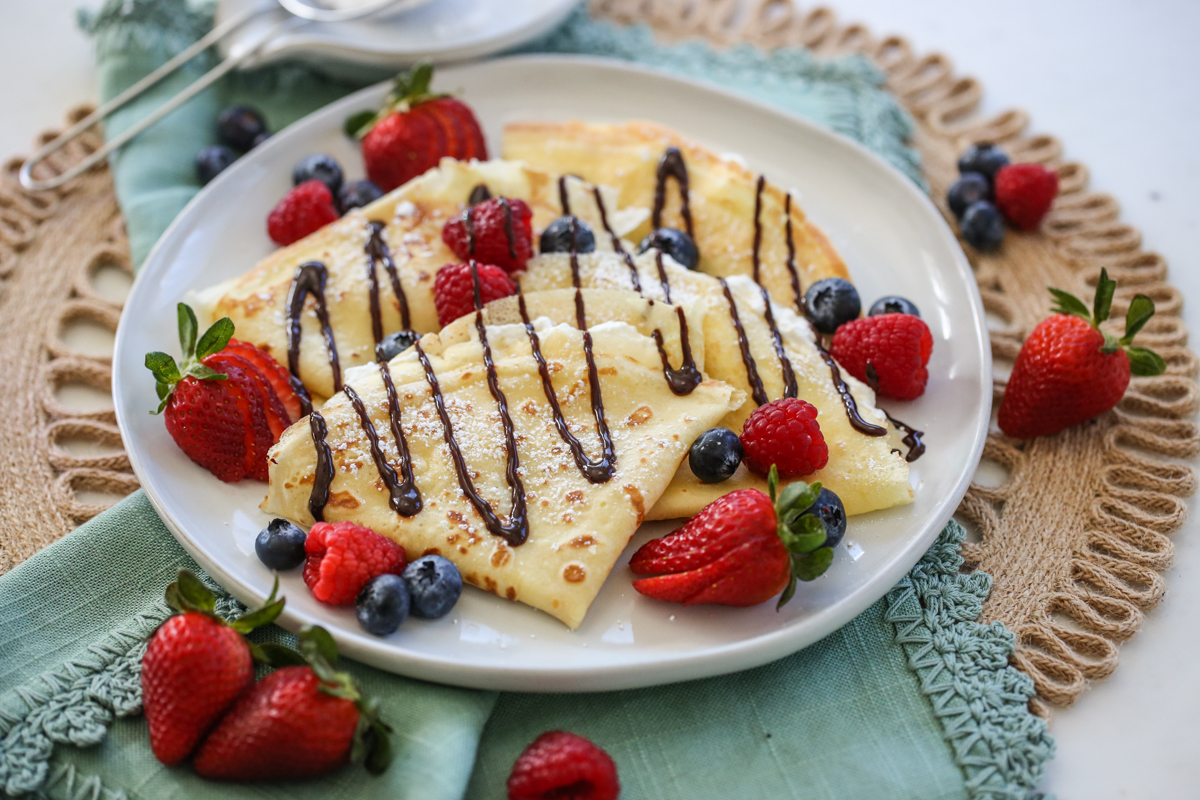
- Visual Appeal and Social Media: The thin, delicate nature of crêpes, combined with vibrant fillings and toppings, makes them incredibly photogenic. This visual appeal has been a significant driver of their popularity on social media platforms like Instagram and Pinterest, further enhancing their brand recognition and desirability.
- Personalization and Customization: Brands that offer crêpes often emphasize the ability for customers to customize their orders, from the type of batter to an array of fillings and toppings. This personalization caters to individual preferences and reinforces the idea that a crêpe is a dish tailored to the consumer.
- Brand Storytelling: From quaint Parisian crêperies to international chains, successful crêpe businesses often build their brand around a compelling story – perhaps a family recipe, a commitment to fresh ingredients, or a unique cultural fusion. This narrative helps to connect with consumers on an emotional level and differentiate them in a competitive market.
Conclusion: A Simple Concept, Infinite Possibilities
So, what are crêpes made of? At their most basic, they are a simple batter of flour, liquid, eggs, and fat. Yet, within this elemental composition lies a universe of culinary potential. The subtle choices in ingredient selection, the thoughtful addition of flavorings, and the adaptability to various dietary needs all contribute to the crêpe’s enduring charm.
Moreover, the story of the crêpe extends beyond the kitchen. The integration of technology in preparation and the strategic branding efforts have propelled this humble pancake from its French origins to a beloved global delicacy. Whether enjoyed as a quick breakfast, a decadent dessert, or a satisfying savory meal, the crêpe stands as a testament to the power of simple ingredients, culinary innovation, and effective marketing. The next time you savor a crêpe, take a moment to appreciate the foundational elements and the journey that brought this versatile treat to your plate.
aViewFromTheCave is a participant in the Amazon Services LLC Associates Program, an affiliate advertising program designed to provide a means for sites to earn advertising fees by advertising and linking to Amazon.com. Amazon, the Amazon logo, AmazonSupply, and the AmazonSupply logo are trademarks of Amazon.com, Inc. or its affiliates. As an Amazon Associate we earn affiliate commissions from qualifying purchases.