
The fitness and health landscape is a constantly evolving arena, teeming with supplements, workout regimens, and dietary advice. Amidst this sea of information, one compound consistently surfaces with a reputation for enhancing athletic performance and even cognitive function: creatine. But what exactly is this substance, and how can it potentially benefit you, whether you’re a seasoned athlete, a casual gym-goer, or simply someone looking to optimize their well-being?
While the website’s primary focus areas might lean towards Tech, Brand, and Money, understanding fundamental aspects of human performance, like the role of creatine, can surprisingly intersect with these domains. For instance, optimizing your physical and mental capabilities can directly impact your productivity (Tech), your personal brand and how you present yourself (Brand), and even your earning potential through improved focus and stamina (Money). This article aims to demystify creatine, exploring its mechanisms, benefits, and practical considerations, all through the lens of enhancing your overall output and potential.
Understanding Creatine: The Science Behind the Supplement
Creatine is not some novel, synthetic concoction. It’s a naturally occurring compound found in our bodies, primarily in muscle cells. Its genesis is within the liver, kidneys, and pancreas, where it’s synthesized from three amino acids: arginine, glycine, and methionine. The vast majority of creatine in the body – approximately 95% – is stored in our skeletal muscles, predominantly in the form of phosphocreatine.
The Energy Currency: ATP and Phosphocreatine
To truly grasp what creatine does, we need to understand the fundamental energy currency of our cells: adenosine triphosphate (ATP). ATP is the direct fuel source for all cellular activities, from muscle contractions to brain function. During intense physical activity, our muscles rapidly deplete their ATP stores. This is where creatine, and more specifically, phosphocreatine, plays a crucial role.
When creatine is stored in the muscles as phosphocreatine, it acts as a readily available reserve. During bursts of high-intensity exercise, such as sprinting, weightlifting, or jumping, the body can quickly convert phosphocreatine back into ATP. This process allows for a rapid replenishment of energy, enabling muscles to sustain powerful contractions for longer periods. Think of it as a high-octane fuel injection system for your body’s most demanding tasks. Without sufficient phosphocreatine, your body would rely on slower energy-producing pathways, leading to a premature decline in performance.
Dietary Sources and Supplementation
While our bodies can produce creatine, we also obtain it through our diet. Red meat and fish are particularly rich sources. For instance, a pound of raw beef contains roughly 2 grams of creatine. However, to achieve the levels often seen in individuals who supplement, you would need to consume an impractical amount of these foods. This is where creatine supplementation becomes a popular and effective strategy.
Creatine monohydrate is the most studied and widely used form of creatine. It’s a cost-effective, safe, and highly bioavailable supplement that has consistently demonstrated its efficacy in numerous research studies. Other forms of creatine exist, but their superiority over monohydrate has not been definitively proven, and they often come with a higher price tag.
The Multifaceted Benefits of Creatine
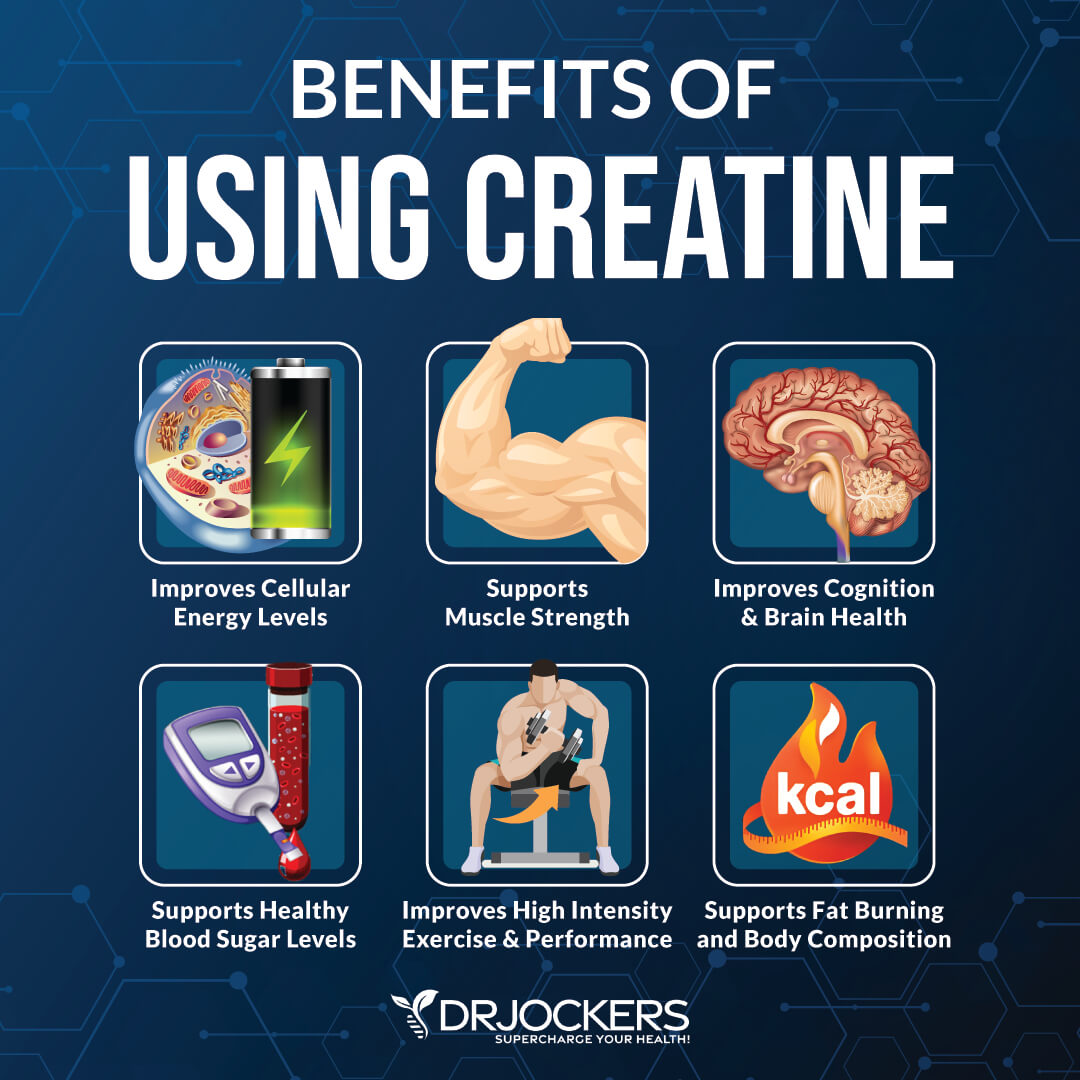
The primary and most well-documented benefit of creatine supplementation revolves around its ability to enhance athletic performance. However, its positive effects extend beyond the gym, influencing cognitive function and even having potential therapeutic applications.
Boosting Athletic Performance: Strength, Power, and Endurance
The most significant impact of creatine is its ability to improve performance in high-intensity, short-duration activities. By increasing the availability of phosphocreatine in muscles, supplementation allows for:
- Increased Strength and Power Output: This translates to lifting heavier weights, generating more explosive force in jumps, and delivering more powerful strikes in sports.
- Enhanced Sprint Performance: Athletes involved in sports requiring repeated sprints, like soccer, basketball, or track and field, can experience improved acceleration and speed.
- Improved Muscle Endurance: While not directly increasing aerobic endurance, creatine can help delay fatigue during intense sets, allowing for more repetitions and ultimately contributing to greater muscle hypertrophy (growth).
- Faster Muscle Recovery: Some research suggests that creatine may aid in post-exercise muscle repair and reduce muscle damage, leading to quicker recovery between training sessions.
- Increased Muscle Mass: While creatine itself doesn’t directly build muscle, the improved training capacity it enables can lead to greater stimulus for muscle growth. Many individuals experience an initial increase in water weight within muscle cells due to creatine, which can contribute to a fuller, more muscular appearance.
Beyond the Gym: Cognitive Advantages
The benefits of creatine are not limited to physical prowess. Emerging research suggests that creatine plays a vital role in brain function, particularly in areas that require rapid energy. Our brains, like our muscles, rely on ATP for optimal operation.
- Enhanced Cognitive Performance: Studies have indicated that creatine supplementation can improve various cognitive functions, including memory, reasoning, and problem-solving, especially in situations of stress or sleep deprivation. This is because the brain also utilizes phosphocreatine for energy, and supplementation can boost these stores.
- Potential Neuroprotective Effects: Research is exploring creatine’s potential role in protecting brain cells from damage and its implications for conditions affecting brain health. While more research is needed, the initial findings are promising.
Potential Therapeutic Applications
The impact of creatine on energy metabolism has also sparked interest in its potential therapeutic applications for certain medical conditions.
- Muscle Wasting Diseases: For individuals suffering from conditions that lead to muscle loss, such as muscular dystrophy or sarcopenia, creatine supplementation, under medical supervision, may help mitigate muscle decline and improve strength.
- Neurological Disorders: Ongoing research is investigating creatine’s role in conditions like Parkinson’s disease, Huntington’s disease, and even traumatic brain injury, where cellular energy deficits are a contributing factor.
Practical Considerations for Creatine Use
While creatine is generally considered safe and effective, understanding how to use it optimally and what to expect is crucial.
Dosage and Timing: Loading vs. Maintenance
There are two common approaches to creatine supplementation:
- Loading Phase: This involves taking a higher dose of creatine (typically 20 grams per day, divided into 4 doses) for 5-7 days. The goal is to rapidly saturate the muscles with creatine. Following the loading phase, a maintenance dose is initiated.
- Maintenance Phase: This involves taking a lower daily dose of creatine (3-5 grams) to maintain elevated muscle creatine stores.
Many individuals choose to skip the loading phase and simply begin with the maintenance dose. While it may take longer to achieve peak muscle saturation (around 3-4 weeks), the long-term benefits are the same, and it often leads to fewer initial gastrointestinal side effects for some. The most important factor is consistent daily intake to keep creatine levels elevated.
Regarding timing, there’s no definitive “best” time to take creatine. Some prefer to take it before or after workouts, while others consume it with meals. Consistency is key, so find a routine that works for you. Taking creatine with carbohydrates can enhance its absorption due to the insulin spike, but this is not strictly necessary for its effectiveness.
Safety and Side Effects
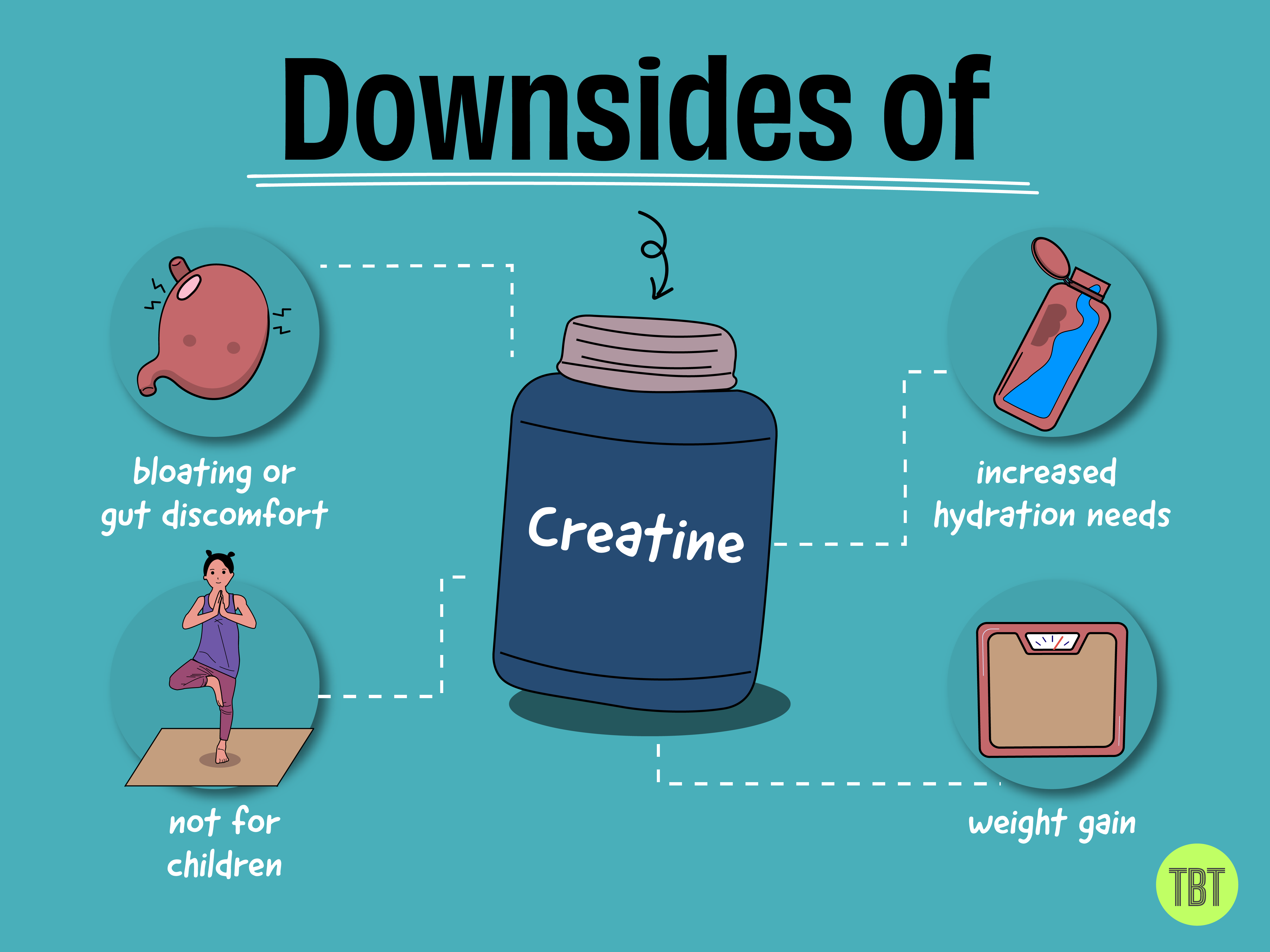
Creatine is one of the most extensively researched supplements on the market, and it is widely regarded as safe for healthy individuals when taken at recommended dosages. The most commonly reported side effect is mild gastrointestinal discomfort, such as bloating or stomach upset, particularly during the loading phase. This can often be mitigated by splitting doses or skipping the loading phase.
It’s important to stay adequately hydrated when taking creatine, as it draws water into muscle cells. While rumors have circulated about kidney damage, scientific evidence does not support this claim in healthy individuals. However, individuals with pre-existing kidney conditions should consult their doctor before using creatine.
Who Should Consider Creatine?
- Athletes and Fitness Enthusiasts: Individuals engaged in sports requiring explosive power, strength, and high-intensity efforts will likely see the most pronounced benefits.
- Individuals Seeking Improved Cognitive Function: Those looking to enhance focus, memory, and mental clarity, especially during demanding periods, may find creatine beneficial.
- Vegetarians and Vegans: Since creatine is primarily found in animal products, vegetarians and vegans may have lower baseline creatine levels and could benefit more significantly from supplementation.
- Older Adults: As muscle mass and strength naturally decline with age, creatine supplementation, in conjunction with resistance training, may help preserve muscle function.
Creatine and Your Personal Brand
In a world that increasingly values dynamism and high output, your physical and mental capabilities are an extension of your personal brand. Whether you’re an entrepreneur pitching a new idea, a professional striving for career advancement, or an athlete seeking peak performance, optimizing your body’s energy systems can contribute to a more confident, resilient, and effective persona. Creatine, by supporting enhanced physical performance and potentially sharper cognitive function, can indirectly contribute to how you present yourself and the energy you bring to your endeavors.
Creatine and Your Financial Goals
The intersection of creatine and “Money” might not be immediately obvious, but it’s there. Improved physical performance can lead to greater consistency in training, which can foster discipline and a stronger work ethic – traits transferable to financial pursuits. Enhanced cognitive function, particularly improved focus and reduced mental fatigue, can directly impact your productivity in income-generating activities, whether it’s coding a new app (Tech), developing a marketing strategy (Brand), or managing investments (Money). Moreover, for athletes, performance gains can translate into greater earning potential through scholarships, sponsorships, or professional contracts.
Conclusion: Unlocking Your Potential with Creatine
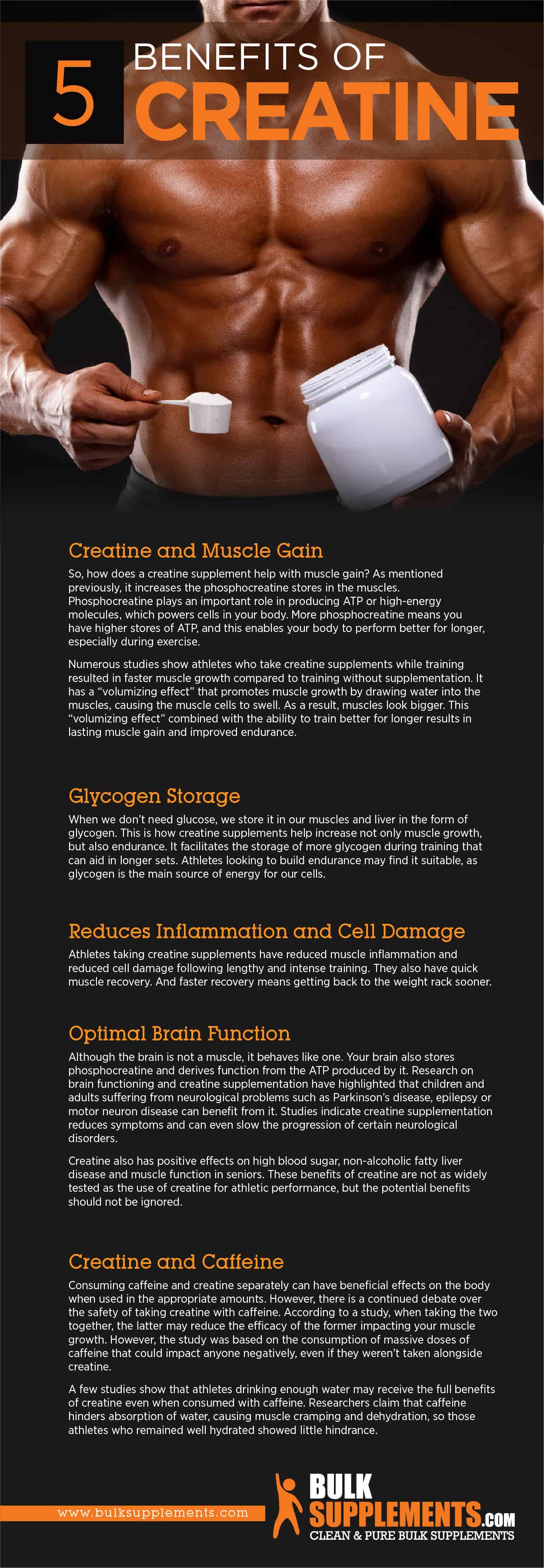
Creatine is a well-researched, safe, and effective supplement that offers a range of benefits, from significantly enhancing athletic performance to supporting cognitive function. By understanding how it works – its role in ATP production and phosphocreatine reserves – you can make an informed decision about whether it’s the right addition to your wellness and performance strategy.
Whether your goals lie in pushing your limits at the gym, sharpening your mental acuity for demanding tasks, or simply optimizing your body’s natural capabilities, creatine stands as a scientifically validated tool to help you achieve them. As with any supplement, it’s always advisable to consult with a healthcare professional, especially if you have underlying health conditions, to ensure it aligns with your individual needs. By understanding and potentially incorporating creatine, you can take another step towards unlocking your full potential, in every facet of your life.
aViewFromTheCave is a participant in the Amazon Services LLC Associates Program, an affiliate advertising program designed to provide a means for sites to earn advertising fees by advertising and linking to Amazon.com. Amazon, the Amazon logo, AmazonSupply, and the AmazonSupply logo are trademarks of Amazon.com, Inc. or its affiliates. As an Amazon Associate we earn affiliate commissions from qualifying purchases.