
Sleep apnea, a common yet serious sleep disorder, affects millions worldwide, often leading to disrupted sleep, daytime fatigue, and a host of other health complications. While various treatment approaches exist, Continuous Positive Airway Pressure (CPAP) therapy stands as the gold standard. But what exactly is CPAP equipment? At its core, it’s a meticulously engineered technological system designed to maintain an open airway during sleep, thereby preventing the pauses in breathing characteristic of sleep apnea. Understanding this equipment means delving into a fascinating blend of mechanical engineering, respiratory science, and user-centric design, all aimed at restoring restful, life-sustaining sleep.

The Core Technology: How CPAP Works to Restore Restful Sleep
The fundamental principle behind CPAP therapy is deceptively simple yet incredibly effective: providing a continuous stream of pressurized air to keep the upper airway from collapsing. This sophisticated delivery system relies on a combination of precision mechanics and intelligent design to ensure consistent, therapeutic pressure.
Continuous Positive Airway Pressure Explained
At the heart of CPAP technology is the concept of positive airway pressure. During sleep, especially in individuals with obstructive sleep apnea (OSA), the muscles in the throat relax, and soft tissues can collapse, blocking the airway. When this happens, breathing stops (apnea) or becomes very shallow (hypopnea), leading to a drop in blood oxygen levels and micro-arousals from sleep.
CPAP equipment counters this by generating a gentle, continuous flow of air that is delivered through a mask worn over the nose or mouth. This air pressure acts as an “air splint,” holding the airway open and preventing its collapse. The pressure is carefully calibrated, typically prescribed by a sleep physician, to be just enough to keep the airway clear without being uncomfortable. The constant positive pressure ensures an uninterrupted flow of oxygen, allowing the individual to breathe normally throughout the night, achieve deeper sleep stages, and wake up feeling refreshed.
Key Components of a CPAP System
A complete CPAP system is an integrated network of several distinct but interconnected technological components, each playing a critical role in the overall therapy.
The CPAP Machine (The Motor & Brain)
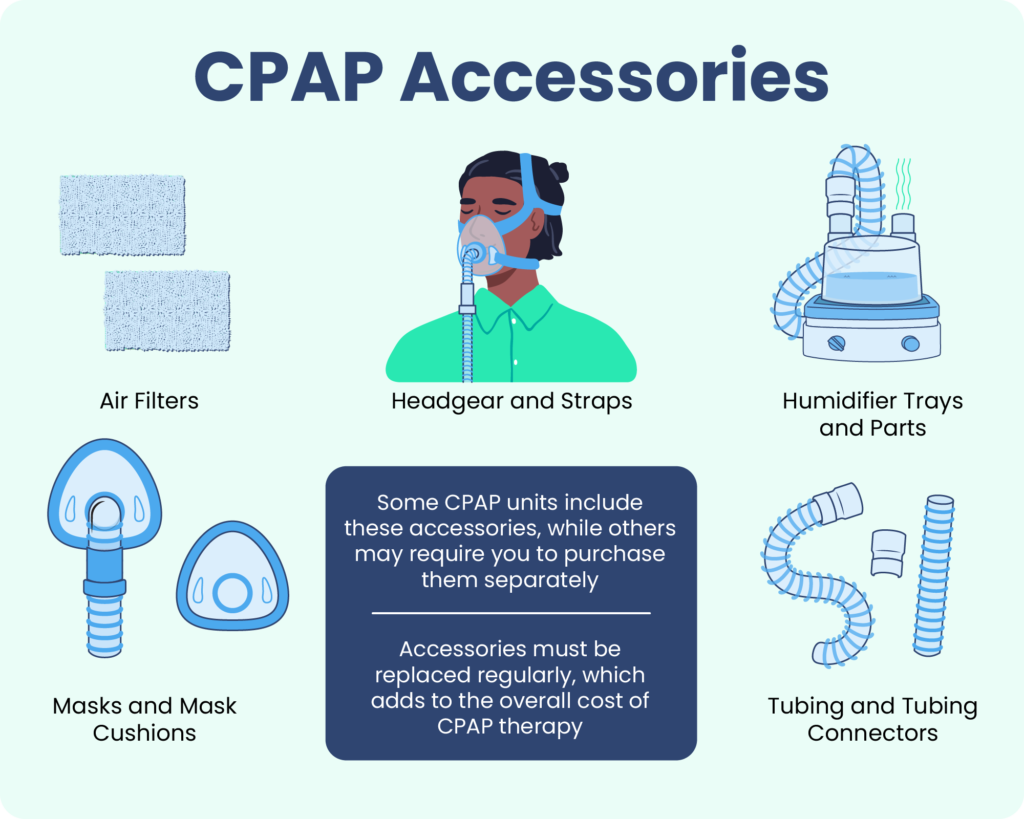
This is the central unit, typically a compact device that houses the air pump (motor), a sophisticated control board, and often an integrated humidifier. The motor draws in ambient air, filters it, and then pressurizes it to the prescribed level. Modern machines are engineered for quiet operation, minimizing noise disruption. The control board manages pressure output, monitors operational parameters, and often stores compliance data.
The Humidifier (Moisture Management)
Many CPAP machines feature an integrated or attachable humidifier. This component adds moisture to the pressurized air, preventing dryness in the nasal passages, throat, and mouth, which can be a common side effect of therapy. Heated humidifiers are particularly advanced, allowing users to adjust the temperature and humidity levels for optimal comfort, often featuring advanced sensors to prevent condensation in the tubing.
Air Filters (Purity Control)
All CPAP machines incorporate air filters, usually multiple layers. These filters are crucial for cleaning the incoming air, removing dust, pollen, pet dander, and other particulate matter before it’s delivered to the user. Some advanced models may include ultra-fine filters for enhanced air purification.
The CPAP Mask (The Interface)
The mask is perhaps the most visible and personal component of the system. It acts as the interface between the machine and the user’s airway. Masks come in various technological designs to suit different preferences and facial anatomies:
-
Nasal Pillows: Small cushions that fit directly into the nostrils.
-
Nasal Masks: Cover the nose from the bridge to just above the upper lip.
-
Full-Face Masks: Cover both the nose and mouth.
Each design prioritizes a comfortable, leak-free seal, critical for effective therapy. Materials are often hypoallergenic, and designs frequently incorporate flexible headgear and advanced cushioning technologies for a secure yet gentle fit.
Tubing (The Delivery Pathway)
The tubing, or hose, connects the CPAP machine to the mask, delivering the pressurized air. Standard tubing is typically lightweight and flexible. More advanced systems may use “heated tubing,” which works in conjunction with the heated humidifier to maintain the air temperature and prevent condensation from forming inside the tube, enhancing comfort and reducing “rainout.”
Data Management & Connectivity (The Smart Features)
Many modern CPAP devices include sophisticated data logging capabilities. They record metrics such as usage hours, apnea-hypopnea index (AHI), mask leaks, and pressure settings. This data can often be accessed via a secure digital display on the machine, an SD card, or wirelessly transmitted to cloud-based platforms. This connectivity allows patients and their healthcare providers to monitor therapy effectiveness and compliance, making informed adjustments as needed.
Evolution and Innovation in CPAP Technology
CPAP therapy has come a long way since its inception in the early 1980s. What began as a bulky, noisy, and somewhat intimidating device has evolved into a sleek, quiet, and highly intelligent piece of medical technology, continuously refined to improve user comfort, compliance, and clinical outcomes.
From Basic Devices to Smart Sleep Solutions
Early CPAP machines were rudimentary, offering a fixed pressure setting with limited features. They were often loud and lacked the comfort features users now expect. Today’s CPAP devices are paragons of technological advancement, integrating microprocessors, advanced sensors, and sophisticated algorithms.
Auto-Adjusting CPAP (APAP)
One of the most significant innovations is the Auto-CPAP (APAP) machine. Unlike traditional CPAP that delivers a single, fixed pressure, APAP devices use advanced algorithms to constantly monitor the user’s breathing patterns. They detect events like flow limitations, snoring, and apneas, and dynamically adjust the pressure throughout the night, delivering only the minimum effective pressure needed at any given moment. This technological leap often results in greater comfort and improved adherence, as the pressure is not unnecessarily high when not required.
Bi-Level Positive Airway Pressure (BiPAP/BiLevel)
For patients with more complex respiratory needs, such as central sleep apnea or chronic obstructive pulmonary disease (COPD) with OSA, Bi-Level Positive Airway Pressure (BiPAP) devices offer even greater technological sophistication. These machines deliver two distinct pressure levels: a higher pressure during inhalation (IPAP) and a lower pressure during exhalation (EPAP). This technology makes breathing out against the pressure much easier and more comfortable, often improving patient tolerance and effectiveness for certain conditions.
Connectivity and Telehealth Integration
Modern CPAP devices are increasingly “smart.” Many come equipped with built-in cellular modems or Wi-Fi capabilities, allowing them to wirelessly transmit therapy data to secure cloud platforms. This connectivity facilitates remote monitoring by sleep specialists, enabling them to track therapy effectiveness, identify issues, and even remotely adjust settings without the patient needing to visit the clinic. This telehealth integration represents a massive leap in patient care, offering convenience and proactive management.
Miniaturization and Portability
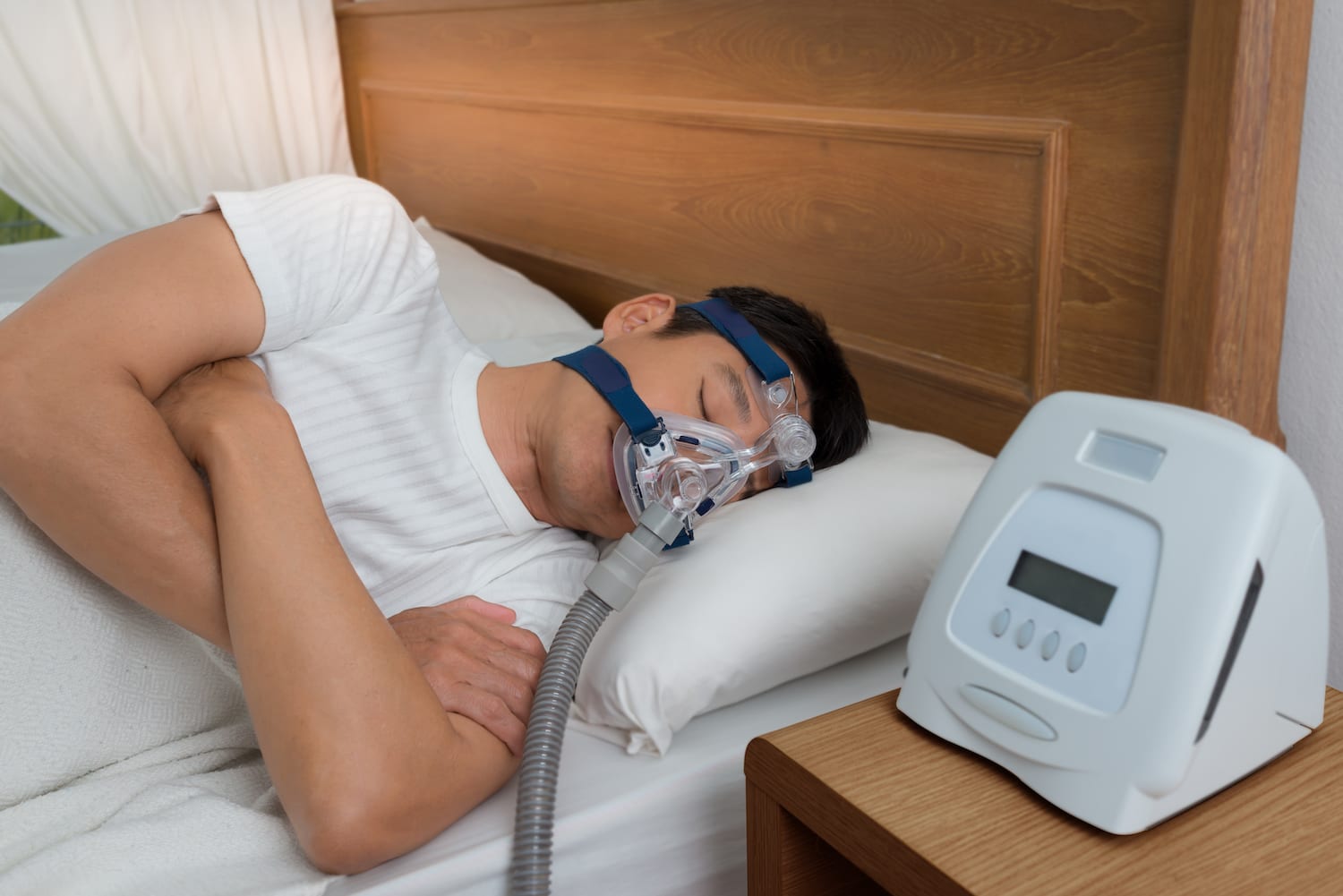
Another key area of technological evolution has been in miniaturization. The bulky machines of the past have given way to incredibly compact and lightweight devices, significantly enhancing portability.
Travel CPAPs
The emergence of “travel CPAPs” has revolutionized therapy for individuals on the go. These devices are often palm-sized, weigh less than a pound, and are designed for easy packing and transport. While they may sometimes forgo an integrated humidifier in favor of compactness, many offer optional heated humidification modules. Many travel CPAPs can also be powered by portable battery packs, making them ideal for camping, international travel, or situations where a power outlet might not be readily available. This focus on portability highlights a crucial technological trend: making life-sustaining medical equipment seamlessly integrate into active lifestyles.
User Experience and Technological Considerations
While the underlying technology of CPAP is complex, the goal of its design is to make therapy as user-friendly and effective as possible. This involves meticulous attention to factors that influence comfort, compliance, and long-term adherence.
Ensuring Comfort and Compliance Through Design
The success of CPAP therapy heavily relies on consistent use, which in turn is driven by user comfort. Technological design plays a pivotal role in achieving this.
Mask Design and Material Science
The development of CPAP masks involves advanced material science and ergonomic design. Manufacturers continually innovate with lighter, more flexible materials, softer silicone seals, and improved headgear designs to minimize pressure points and skin irritation. Cushioning technologies are engineered to adapt to various facial contours, ensuring an effective seal without excessive tightness. Quick-release mechanisms and modular designs simplify attachment and detachment, enhancing daily usability.
Noise Reduction Technology
One of the earliest complaints about CPAP machines was their noise. Modern CPAP machines incorporate advanced noise reduction technologies, from specially designed motors and air pathways to acoustic dampening materials. This has resulted in devices that operate at whisper-quiet levels, often below 30 decibels, making them significantly less disruptive to both the user and their bed partner.
Integrated Humidification and Climate Control
Heated humidifiers with climate control features are standard in many high-end CPAP machines. These systems use sensors to monitor ambient temperature and humidity, adjusting the heated humidifier and heated tubing to deliver consistent air temperature and moisture directly to the mask. This prevents dryness and condensation (“rainout”) in the tube, significantly improving comfort and reducing the likelihood of users abandoning therapy due to uncomfortable symptoms.
Maintenance, Troubleshooting, and Digital Integration
The ongoing use of CPAP equipment requires regular maintenance and occasional troubleshooting, aspects that are also influenced by technological design and support systems.
Intuitive Interfaces and Alerts
Modern CPAP machines feature intuitive digital displays and user interfaces that provide clear feedback on therapy status, mask fit, and compliance data. Automated alerts can notify users when filters need changing, or if there’s a significant mask leak, empowering them to address minor issues promptly.
Remote Troubleshooting and Telemedicine
With connected devices, healthcare providers can often access diagnostic data remotely, helping to identify and troubleshoot issues without an in-person visit. For instance, a clinician can review mask leak data, AHI trends, and pressure settings to advise on adjustments, mask fit issues, or even remotely change prescription settings if deemed appropriate. This level of digital integration streamlines patient care and reduces barriers to effective therapy management.
Cleaning and Hygiene Innovations
While manual cleaning is still required, innovations like simplified disassembly for cleaning, dishwasher-safe components for certain masks, and even automated CPAP sanitizing devices (using UV light or activated oxygen) have emerged, leveraging technology to make the maintenance aspect of CPAP therapy more convenient and hygienic.
The Future of CPAP Technology
The trajectory of CPAP technology points towards even greater personalization, intelligence, and seamless integration into daily life. The driving forces will continue to be enhanced user comfort, improved adherence, and more effective clinical outcomes.
AI and Machine Learning in Sleep Therapy
The vast amounts of data collected by modern CPAP devices present a fertile ground for artificial intelligence (AI) and machine learning (ML). Future CPAP systems could leverage AI to:
-
Predictive Analytics: Anticipate sleep apnea events even before they occur, allowing for proactive pressure adjustments.
-
Personalized Therapy: Develop highly individualized pressure profiles based on long-term sleep patterns, lifestyle factors, and physiological responses, moving beyond fixed or even simple auto-adjusting pressures.
-
Compliance Coaching: AI-powered algorithms could provide personalized feedback and motivational coaching to users, identifying patterns that lead to non-compliance and offering tailored solutions.
-
Enhanced Diagnostics: Integrating with other biometric data (heart rate, oxygen saturation) to provide a more comprehensive picture of sleep health and refine diagnoses.
Integration with Wearables and Broader Health Ecosystems
The smart health ecosystem is rapidly expanding, and CPAP technology is poised for deeper integration. Future devices may seamlessly communicate with:
-
Wearable Devices: Data from smartwatches and fitness trackers (sleep stages, heart rate variability, activity levels) could provide richer context for CPAP therapy adjustments.
-
Smart Home Systems: Imagine a CPAP machine that communicates with your smart thermostat to optimize room temperature for sleep, or with smart lighting to gradually wake you up based on your sleep cycle.
-
Electronic Health Records (EHRs): More direct and secure integration with EHR systems will streamline data flow between patients, providers, and other health applications, creating a holistic view of an individual’s health.
Advanced Sensor Technology and User Interface
Expect continued advancements in sensor technology within CPAP masks and machines. Miniaturized, highly accurate sensors could provide real-time feedback on mask fit, skin temperature, and even subtle changes in breathing patterns with greater precision. Holographic displays, voice control, or touchless gesture controls could make interfaces even more intuitive and user-friendly, moving away from physical buttons.
In conclusion, CPAP equipment is far more than just an air pump and a mask; it’s a testament to how sophisticated technology can profoundly improve human health and quality of life. From its core mechanism of delivering positive airway pressure to its advanced features like auto-adjustment, climate control, and digital connectivity, every aspect of CPAP is engineered for efficacy and user comfort. As technology continues to evolve, we can anticipate even smarter, more personalized, and seamlessly integrated solutions that will continue to redefine the landscape of sleep apnea treatment.
aViewFromTheCave is a participant in the Amazon Services LLC Associates Program, an affiliate advertising program designed to provide a means for sites to earn advertising fees by advertising and linking to Amazon.com. Amazon, the Amazon logo, AmazonSupply, and the AmazonSupply logo are trademarks of Amazon.com, Inc. or its affiliates. As an Amazon Associate we earn affiliate commissions from qualifying purchases.