
Medicaid stands as a cornerstone of the American healthcare system, providing a vital safety net for millions of low-income individuals, families, pregnant women, the elderly, and people with disabilities. Understanding what services are covered by Medicaid is crucial for eligible individuals and their families to effectively manage their healthcare needs and personal finances. Unlike private insurance, Medicaid is a joint federal and state program, meaning its specific benefits can vary significantly depending on the state in which one resides, even though federal law mandates certain core services.
Understanding Medicaid Eligibility and Scope
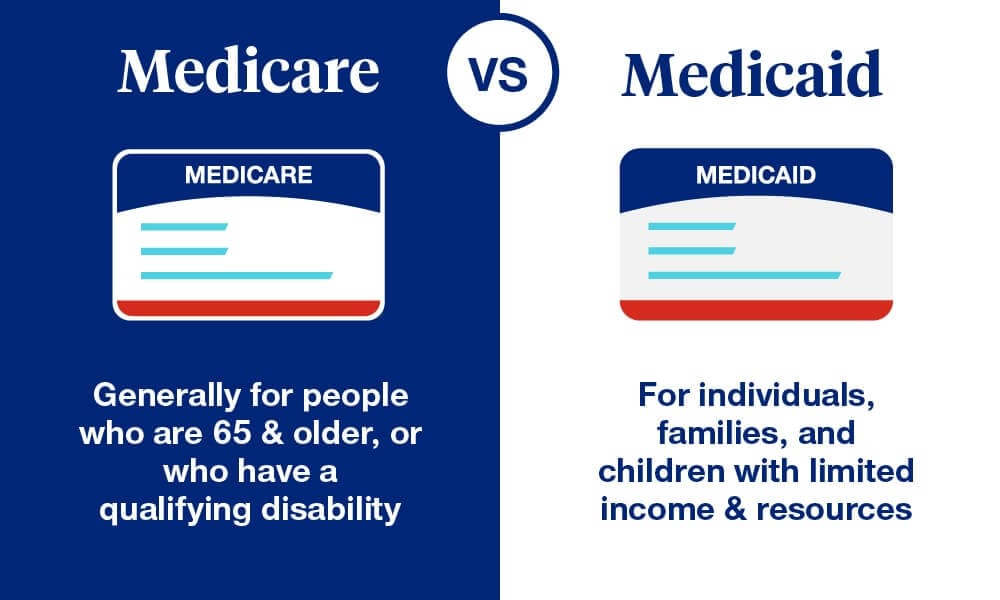
At its heart, Medicaid is designed to ensure access to necessary medical care for those who might otherwise struggle to afford it. Eligibility for Medicaid is primarily determined by income relative to the Federal Poverty Level (FPL), but it also considers factors like family size, pregnancy status, age, and disability. The Affordable Care Act (ACA) expanded Medicaid eligibility in many states to include adults up to 138% of the FPL, broadening its reach considerably. Grasping the scope of coverage begins with recognizing the interplay between federal requirements and state-specific enhancements.
Federal Mandates vs. State Discretion
The federal government sets baseline requirements for Medicaid, dictating certain services that all state programs must cover. These “mandatory” benefits form the foundation of Medicaid coverage across the nation. However, states have considerable flexibility to offer “optional” benefits beyond these federal minimums. This distinction is paramount because it directly impacts the breadth of services available to beneficiaries. For example, while inpatient hospital services are federally mandated, extensive dental care for adults might be an optional benefit offered by some states but not others. This state-level customization means that a family moving from one state to another may find their Medicaid coverage slightly different, necessitating a review of the new state’s specific program details. The financial implications of these differences are substantial, as comprehensive optional benefits can significantly reduce out-of-pocket costs for a wider range of medical needs, while their absence can leave beneficiaries exposed to expenses for services deemed non-essential under state law.
Core Benefits: Essential Health Services
Federally mandated benefits are the bedrock of all Medicaid programs, ensuring that beneficiaries receive essential medical care regardless of their state of residence. These services are critical for maintaining health, preventing disease, and treating acute and chronic conditions.
Inpatient and Outpatient Care
One of the most fundamental aspects of Medicaid coverage is its provision for both inpatient and outpatient hospital services. Inpatient care covers the costs associated with hospital stays, including room and board, nursing services, and other medically necessary services provided during a hospital admission. This is crucial for individuals facing serious illnesses, injuries requiring hospitalization, or complex medical procedures. Outpatient hospital services, on the other hand, cover care received without an overnight stay, such as emergency room visits (when not admitted), diagnostic tests, minor procedures, and various therapy services administered in a hospital setting. This comprehensive coverage helps protect individuals from potentially crippling hospital bills, which are often the leading cause of medical debt and bankruptcy in the United States. By covering these core services, Medicaid mitigates a significant financial risk for its beneficiaries, allowing them to focus on recovery rather than accumulating overwhelming debt.
Physician and Nursing Services
Medicaid ensures access to physician services, covering consultations, examinations, diagnoses, and treatments provided by licensed doctors of medicine or osteopathy. This includes routine check-ups, specialist visits, and ongoing management of chronic conditions. Alongside physician services, Medicaid also covers nursing services, whether provided in an office, home, or clinic setting. This extends to care from registered nurses (RNs), licensed practical nurses (LPNs), and other qualified nursing professionals who provide direct patient care, administer medications, and assist with medical procedures. Access to these services is vital for preventive care, early intervention, and the effective management of health issues, helping beneficiaries avoid more costly complications down the line. Without this coverage, the cost of regular doctor visits and nursing care could quickly become a prohibitive barrier to maintaining good health, leading to neglected conditions and poorer health outcomes, which have long-term financial repercussions for individuals and the broader healthcare system.
Lab and X-Ray Services
Diagnostic services are critical components of modern healthcare, enabling accurate diagnoses and effective treatment plans. Medicaid universally covers medically necessary laboratory and X-ray services. This includes a wide array of tests such as blood work, urine tests, biopsies, and other analyses performed in a lab, as well as imaging services like standard X-rays, ultrasounds, and sometimes more advanced imaging like CT scans or MRIs when deemed medically necessary. These diagnostic tools are indispensable for detecting illnesses early, monitoring disease progression, and ensuring that treatments are appropriate and effective. The financial protection offered by covering these services means beneficiaries are not forced to choose between receiving a vital diagnosis and incurring significant out-of-pocket costs, thereby removing a substantial financial barrier to timely and appropriate medical care.
Early and Periodic Screening, Diagnostic, and Treatment (EPSDT) Services
A particularly important federally mandated benefit, especially for families with children, is the Early and Periodic Screening, Diagnostic, and Treatment (EPSDT) service. This comprehensive benefit is specifically designed for Medicaid-eligible individuals under the age of 21. EPSDT goes beyond basic medical care; it mandates states to provide regular health screenings to detect physical and mental health conditions, developmental delays, and other problems early. If a problem is found during screening, EPSDT ensures that the necessary diagnostic and treatment services are provided to correct or ameliorate the condition, even if those services are not generally covered for adults under the state’s Medicaid plan. This robust commitment to children’s health covers a wide range of services including vision, hearing, and dental screenings, immunizations, and comprehensive developmental assessments. Financially, EPSDT is an invaluable benefit, as it ensures that children receive proactive care that prevents more serious and costly health issues in adulthood, ultimately leading to better health outcomes and reduced financial burdens on families in the long term.
Additional Benefits: Expanding Access to Care
Beyond the federally mandated services, states have the option to offer a range of additional benefits, significantly enhancing the scope of care available to beneficiaries. These optional services often address specialized needs and can play a crucial role in overall health and well-being.
Prescription Drugs
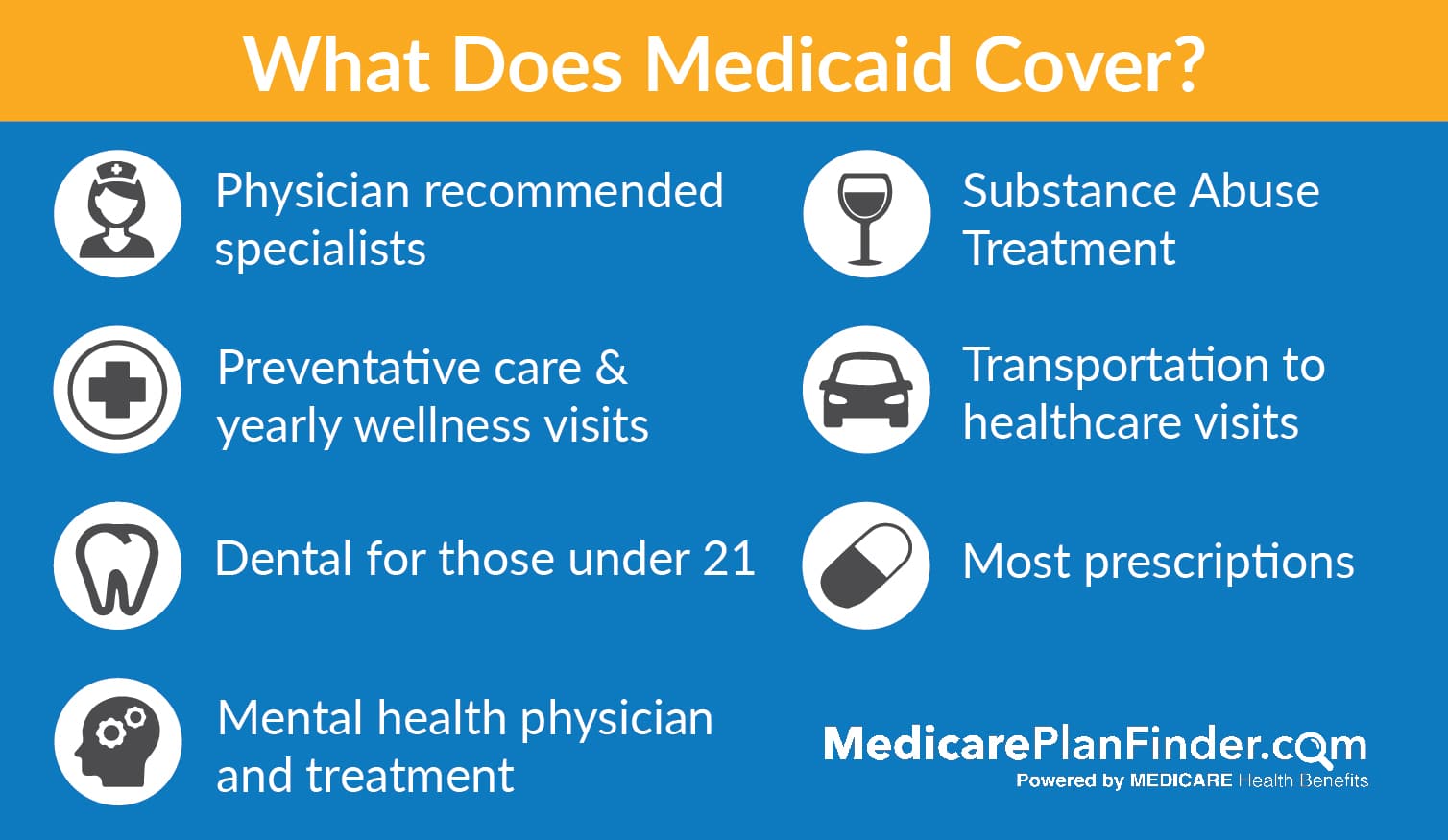
While not always a mandatory federal benefit in its entirety, virtually all state Medicaid programs cover prescription drugs. The specifics of drug coverage, including formularies (lists of covered drugs), prior authorization requirements, and co-payment structures, vary by state. This coverage is critically important for managing chronic conditions, treating acute illnesses, and preventing complications that could lead to more expensive hospitalizations. For individuals managing diabetes, heart disease, mental health conditions, or other long-term ailments, the cost of prescription medications can be a major financial strain. Medicaid’s prescription drug benefit significantly reduces or eliminates these costs, making vital medications accessible and helping beneficiaries maintain their health without incurring substantial out-of-pocket expenses.
Dental and Vision Care
Dental and vision care are prime examples of benefits where state discretion plays a significant role. For adults, basic dental and vision services are optional, meaning coverage varies widely. Some states offer comprehensive dental coverage, including preventive care, fillings, extractions, and even dentures, while others may only cover emergency dental services. Similarly, vision care for adults might include routine eye exams and glasses in some states, while others provide minimal or no coverage. However, for children under the EPSDT benefit, dental and vision care are federally mandated and must be comprehensive, including regular check-ups, cleanings, necessary treatments, and corrective lenses. For adults, the presence or absence of these optional benefits can have a substantial financial impact, influencing decisions about preventive care versus emergency-only treatment and potentially leading to higher costs if these services must be paid for out-of-pocket.
Mental Health and Substance Use Disorder Services
With growing recognition of the importance of behavioral health, many states offer extensive coverage for mental health and substance use disorder (SUD) services. This can include outpatient counseling, therapy, psychiatric medication management, inpatient psychiatric care, and various levels of SUD treatment, such as detoxification and rehabilitation programs. While some mental health services are integrated with general physician services, dedicated behavioral health programs often fall under optional benefits. The financial relief provided by this coverage is immense, as the cost of mental health therapy or addiction treatment can be prohibitive without insurance, often deterring individuals from seeking necessary help. Medicaid’s coverage in this area helps ensure that individuals can access crucial support, improving long-term health outcomes and reducing the broader societal and economic costs associated with untreated mental illness and addiction.
Home and Community-Based Services (HCBS)
Home and Community-Based Services (HCBS) are an increasingly vital component of Medicaid, allowing individuals with disabilities or chronic conditions to receive care in their homes or communities rather than in institutional settings like nursing homes. These services can include personal care assistance (e.g., help with bathing, dressing, eating), case management, respite care for caregivers, home modifications, and adult day care. HCBS are almost entirely optional benefits, and their availability and scope vary significantly by state, often managed through waivers. From a financial perspective, HCBS are often more cost-effective than institutional care, providing a substantial benefit to both beneficiaries and the state budget. For beneficiaries, HCBS offer greater independence, a higher quality of life, and the ability to remain connected to their communities, avoiding the significant financial and personal toll of long-term institutionalization.
Non-Emergency Medical Transportation
For many Medicaid beneficiaries, particularly those in rural areas or with limited mobility, simply getting to medical appointments can be a major hurdle. Non-emergency medical transportation (NEMT) is an optional benefit offered by many states to address this. NEMT covers transportation to and from doctor’s appointments, dialysis centers, rehabilitation facilities, and other healthcare providers when beneficiaries have no other means of getting there. This can include rides via car, van, taxi, or even public transit. The financial value of NEMT is often underestimated; without it, beneficiaries might miss critical appointments, leading to delayed diagnoses, worsening conditions, and ultimately more expensive emergency care. By removing the transportation barrier, NEMT ensures that access to care is not limited by logistical or financial constraints.
Navigating Medicaid Coverage: Key Considerations
Understanding the services covered by Medicaid is just one part of the equation; beneficiaries must also be aware of how their coverage is structured and managed. Key considerations include the model of care delivery, potential out-of-pocket costs, and the importance of active participation in the program.
Managed Care vs. Fee-for-Service
Medicaid services are typically delivered through one of two primary models: managed care or fee-for-service. Under a managed care model, which is prevalent in most states, beneficiaries enroll in a managed care organization (MCO), often a private health plan that contracts with the state. This MCO is responsible for providing all covered services, managing care, and building a network of providers. Beneficiaries select a primary care provider (PCP) within their MCO’s network, who then coordinates their care and refers them to specialists as needed. This model aims to improve care coordination, control costs, and often includes additional benefits not available under fee-for-service. In contrast, the fee-for-service model allows beneficiaries to choose any provider who accepts Medicaid and is reimbursed directly by the state for each service provided. While offering more flexibility in provider choice, it generally lacks the care coordination benefits of managed care. Understanding which model applies in a given state, and how to navigate its requirements, is vital for effectively accessing covered services and managing healthcare finances.
Premiums, Co-pays, and Deductibles
While Medicaid is generally known for its low or no out-of-pocket costs, some states do impose premiums, co-payments, or deductibles for certain services, particularly for specific populations or income levels. However, federal law restricts how much can be charged and exempts certain groups (e.g., children, pregnant women, emergency services) from co-payments. For example, a small co-payment might be required for a doctor’s visit or a prescription drug. These costs are typically very low compared to private insurance and are designed not to be a barrier to accessing care. Nevertheless, beneficiaries should be aware of any potential financial responsibilities in their state’s Medicaid program to avoid unexpected charges. For individuals on tight budgets, even small co-pays can accumulate, so knowing these details upfront helps in financial planning for healthcare.
The Importance of Keeping Information Updated
Maintaining active Medicaid coverage and ensuring smooth access to services requires beneficiaries to keep their personal and financial information updated with their state Medicaid agency. Changes in income, household size, address, or disability status can affect eligibility or the type of benefits received. Failing to report these changes promptly can lead to a lapse in coverage, requiring reapplication, or even the need to repay benefits if eligibility was lost. From a financial perspective, a lapse in coverage can be catastrophic, as individuals would suddenly be responsible for the full cost of any medical care received during the period they were uninsured. Proactive communication with the Medicaid agency is a simple yet critical step in securing continuous access to covered services and safeguarding against unexpected healthcare expenses.
The Financial Impact of Medicaid
Medicaid’s coverage extends far beyond merely paying for medical bills; it acts as a significant financial stabilizer for individuals, families, and the broader economy. By ensuring access to essential healthcare, Medicaid alleviates immense financial pressures and promotes economic well-being.
Reducing Out-of-Pocket Healthcare Costs
The most direct financial benefit of Medicaid is its profound impact on reducing out-of-pocket healthcare costs. For eligible individuals, Medicaid typically covers the vast majority of medical expenses, from doctor visits and hospital stays to prescription drugs and long-term care, often with minimal or no premiums, co-pays, or deductibles. This protection means that illness or injury does not automatically translate into insurmountable medical debt, which is a leading cause of bankruptcy in the United States. Families can avoid depleting their savings, going into debt, or making difficult choices between healthcare and other necessities like food and housing. By absorbing these costs, Medicaid allows individuals to direct their limited financial resources towards other essential living expenses, fostering greater financial stability and reducing the burden of medical emergencies on personal finances.
A Safety Net for Vulnerable Populations
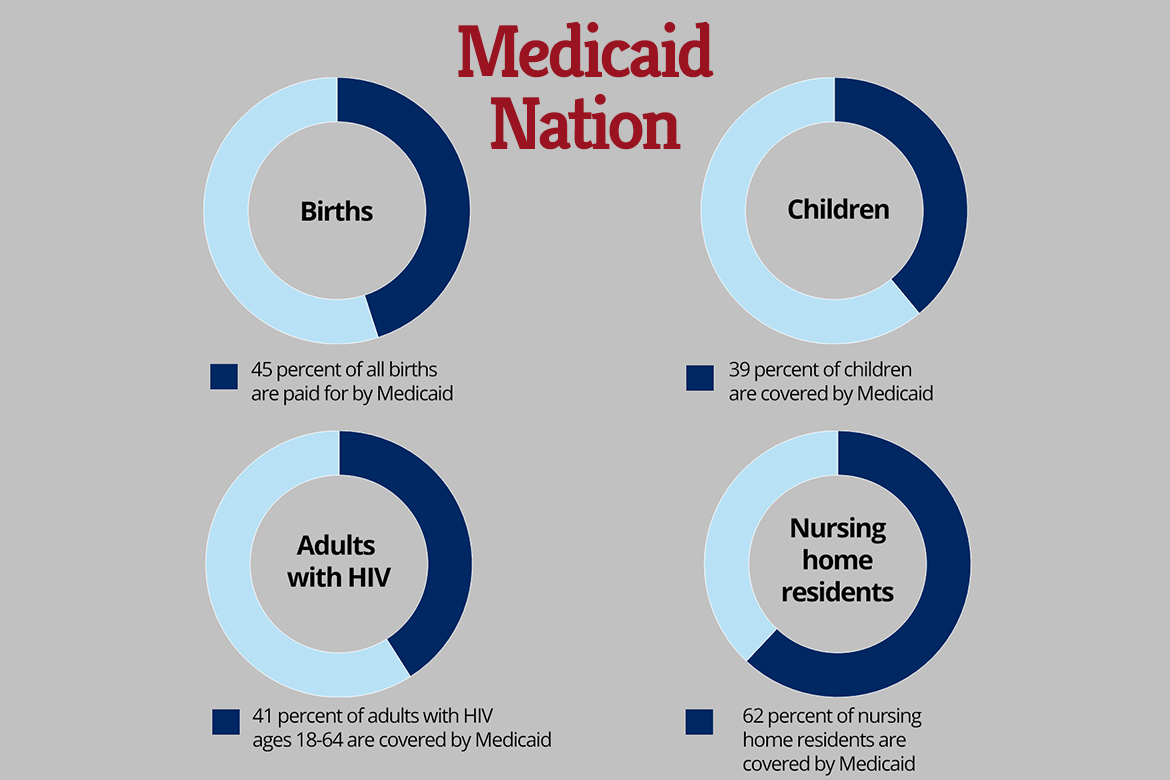
Medicaid functions as a crucial financial safety net for some of the most vulnerable populations, including low-income families, pregnant women, children, the elderly, and people with disabilities. For these groups, who often face significant health challenges and limited income, access to comprehensive healthcare through Medicaid is not just beneficial—it is essential for survival and well-being. For the elderly and individuals with disabilities, Medicaid often covers long-term care services, which are exorbitantly expensive and largely uncovered by Medicare or private insurance. This includes nursing home care and increasingly, home and community-based services, preventing families from facing impoverishment to pay for necessary support. By providing this financial buffer, Medicaid prevents vulnerable individuals from falling further into poverty dueates medical costs, thereby enabling them to maintain their health, improve their quality of life, and contribute to society without the overwhelming burden of healthcare debt.
aViewFromTheCave is a participant in the Amazon Services LLC Associates Program, an affiliate advertising program designed to provide a means for sites to earn advertising fees by advertising and linking to Amazon.com. Amazon, the Amazon logo, AmazonSupply, and the AmazonSupply logo are trademarks of Amazon.com, Inc. or its affiliates. As an Amazon Associate we earn affiliate commissions from qualifying purchases.