
In today’s interconnected global marketplace, the allure of a good deal often leads consumers to a vast array of products. However, lurking beneath the surface of seemingly legitimate offerings, a shadow economy thrives: the world of counterfeit products. These items, often indistinguishable from their genuine counterparts at first glance, pose significant risks to consumers, legitimate businesses, and even global security. Understanding what constitutes a counterfeit product is the first step in protecting ourselves from their insidious presence.
The Multifaceted Nature of Counterfeiting: Beyond Mere Imitation
At its core, a counterfeit product is an unauthorized imitation of a genuine product. This imitation can manifest in various forms, extending far beyond simply copying a logo. The intent behind counterfeiting is to deceive consumers into believing they are purchasing an authentic item, thereby capitalizing on the established reputation and value of the original brand.
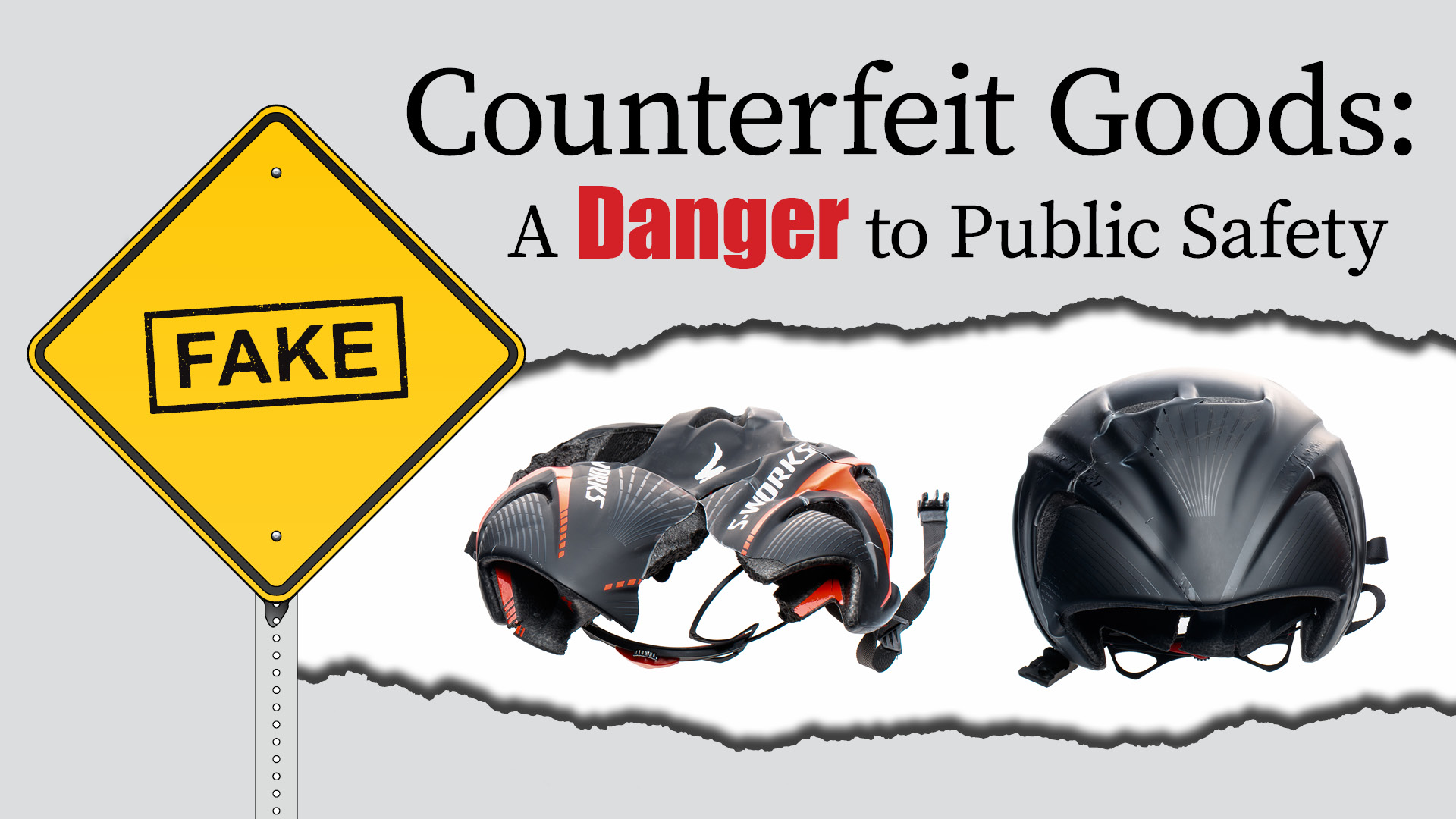
1. Deceptive Branding and Intellectual Property Infringement
The most common and visible form of counterfeiting involves the blatant appropriation of a brand’s intellectual property. This includes:
-
Trademark Infringement: This is the cornerstone of most counterfeit operations. Counterfeiters illegally use registered trademarks, logos, brand names, and distinctive designs of established companies. This creates confusion in the marketplace and misleads consumers into believing the product is endorsed by or originates from the legitimate brand. For instance, a watch bearing a well-known luxury brand’s insignia, even if it’s a cheap, poorly made replica, is a clear example of trademark infringement.
-
Copyright Infringement: While often associated with digital content like movies and music, copyright can also apply to the unique artistic and design elements of physical products. This could include the distinctive patterns on textiles, the unique shape of a piece of furniture, or even the intricate design of a piece of software’s interface. Counterfeiters who replicate these original creative works without permission are engaging in copyright infringement.
-
Patent Infringement: Patents protect novel inventions and technological advancements. When counterfeiters produce products that incorporate patented technologies or designs without authorization, they are infringing upon patents. This is particularly prevalent in the technology sector, where the rapid pace of innovation makes it a fertile ground for imitation. A smartphone that replicates the internal circuitry or unique hardware features of a patented device would be an example.
2. The Spectrum of Deception: From Close Replicas to Inferior Goods
The nature of counterfeit products varies significantly in its sophistication and intent:
-
“Knock-offs” or “Replica” Goods: These are often designed to closely resemble authentic products, using similar materials, colors, and packaging. The primary goal is to create a visual and tactile illusion of authenticity. While some may be of passable quality, they rarely meet the rigorous standards of the original manufacturer.
-
“Counterfeit” Goods: This term typically implies a more deliberate and deceptive intent to pass off the fake as the real thing. These products are often produced with inferior materials, less stringent quality control, and without the safety testing or certifications that legitimate products undergo. The packaging might be an exact replica, further enhancing the deception.
-
“Gray Market” Goods vs. Counterfeits: It’s important to distinguish counterfeit products from “gray market” goods. Gray market goods are genuine products manufactured by the original brand but sold through unauthorized distribution channels. While this can sometimes lead to warranty issues or pricing discrepancies, they are still authentic. Counterfeits, on the other hand, are never genuine products.
The Pervasive Impact of Counterfeit Products
The reach of counterfeit products extends far beyond simple economic loss. Their proliferation has tangible and often dangerous consequences across various sectors.
1. Risks to Consumer Safety and Well-being
Perhaps the most alarming aspect of counterfeit products is the threat they pose to consumer safety. Because they are not produced under the watchful eye of legitimate manufacturers, these items often bypass crucial safety regulations and quality control measures.
-
Health and Safety Hazards: In industries like pharmaceuticals and cosmetics, counterfeit products can contain dangerous or ineffective ingredients, leading to severe health consequences. For example, fake medications might contain no active ingredients, or worse, toxic substances. Similarly, counterfeit electronics can overheat, cause fires, or lack essential safety features, posing risks of electric shock or injury.
-
Poor Quality and Durability: Even in non-critical product categories, counterfeit items are typically manufactured with inferior materials and processes. This means they are prone to premature failure, breaking easily, and not performing as expected. This not only leads to consumer frustration and financial loss but also can create safety hazards. A child’s toy that breaks easily could have sharp edges, or a counterfeit car part could fail catastrophically.
-
Data Security Risks: In the realm of technology, counterfeit software and hardware can be riddled with malware, spyware, and viruses. Installing fake antivirus software or using pirated operating systems can expose personal data, financial information, and sensitive company data to cybercriminals. This undermines digital security and can have devastating consequences for individuals and businesses alike.
2. Economic Ramifications for Legitimate Businesses and Brands
The economic damage inflicted by counterfeit products is substantial and multi-faceted, impacting everything from brand reputation to employment.
-
Loss of Revenue and Market Share: Counterfeit products directly siphon sales away from legitimate businesses. Consumers, attracted by lower prices, may opt for fakes, leading to significant revenue losses for the original creators. This can stifle innovation and investment, as companies are less incentivized to develop new products if they can be easily copied and undercut.
-
Brand Dilution and Reputation Damage: The association of a brand with shoddy or dangerous counterfeit products can severely damage its reputation. Even if the counterfeit is not directly linked to the legitimate company, consumers may develop a negative perception of the brand due to their experience with the fake. Rebuilding trust after such damage can be an arduous and expensive process.
-
Undermining Fair Competition: The ability of counterfeiters to bypass research and development costs, regulatory compliance, and ethical labor practices gives them an unfair advantage in the market. This distorts competition and makes it difficult for legitimate businesses to thrive.
-
Job Losses and Economic Stagnation: As legitimate businesses suffer from reduced sales and profitability, they may be forced to cut back on production, reduce investment, and lay off employees. This has a ripple effect on the broader economy, contributing to job losses and hindering economic growth.

3. Links to Organized Crime and Global Security Threats
The production and distribution of counterfeit products are not merely the work of isolated individuals; they are often orchestrated by sophisticated criminal organizations. This has far-reaching implications for global security.
-
Funding Criminal Enterprises: The immense profits generated by the sale of counterfeit goods can be used to finance other illicit activities, including drug trafficking, human trafficking, terrorism, and arms smuggling. This makes the fight against counterfeiting an integral part of broader efforts to combat organized crime and enhance global security.
-
Erosion of Trust in Markets: The widespread presence of counterfeit products erodes consumer trust in the marketplace. When consumers cannot be assured of the authenticity and safety of the products they purchase, it can lead to a general reluctance to engage in commerce, impacting both legitimate businesses and economic activity.
-
Exploitation of Labor and Environmental Disregard: Counterfeit operations often operate in regions with lax regulations and can involve the exploitation of vulnerable workers, including child labor. Furthermore, their production processes frequently disregard environmental standards, contributing to pollution and ecological damage.
Combating the Counterfeit Epidemic: Strategies for Protection
Given the widespread and damaging nature of counterfeit products, a multi-pronged approach is necessary to combat this global issue. This involves efforts from governments, businesses, and importantly, informed consumers.
1. Technological Innovations and Digital Security Measures
In the digital age, technology plays a crucial role in both the creation of sophisticated fakes and the development of robust anti-counterfeiting solutions.
-
Advanced Authentication Technologies: Legitimate brands are increasingly employing advanced technologies to authenticate their products. This can include tamper-evident seals, holographic labels, unique serial numbers that can be verified online, and even embedded RFID chips. These technologies make it much harder for counterfeiters to replicate authentic packaging and product identifiers.
-
Blockchain for Supply Chain Transparency: Blockchain technology offers an immutable and transparent ledger of a product’s journey from manufacturing to the consumer. By tracking each step, brands can ensure the integrity of their supply chain and provide consumers with verifiable proof of authenticity.
-
AI-Powered Detection Tools: Artificial intelligence is being used to analyze product images, patterns, and even material properties to identify potential counterfeits. These tools can be deployed at various points in the supply chain, from customs inspections to online marketplace monitoring.
-
Securing Software and Digital Assets: For software and digital products, robust digital rights management (DRM) systems, secure coding practices, and regular security audits are essential. Offering legitimate software through secure download platforms and clearly communicating the risks of pirated versions are also vital.
2. Proactive Brand Strategies and Consumer Education
Brands have a responsibility to protect their customers and their own integrity by actively combating counterfeiting.
-
Robust Intellectual Property Protection: This involves diligently registering trademarks, patents, and copyrights and actively pursuing legal action against infringers. This demonstrates a commitment to protecting their brand and deters potential counterfeiters.
-
Supply Chain Monitoring and Control: Implementing strict controls over the entire supply chain, from raw material sourcing to distribution, is crucial. This helps prevent counterfeit components or finished products from entering the legitimate channels.
-
Consumer Education and Awareness Campaigns: Brands can empower consumers by educating them about the risks of counterfeit products and providing them with the tools to identify fakes. This includes clear labeling, information on authorized retailers, and guidance on what to look for when making a purchase.
-
Collaboration with Law Enforcement and Regulatory Bodies: Working closely with customs agencies, law enforcement, and regulatory bodies is essential for disrupting counterfeit networks and bringing offenders to justice.
3. The Empowered Consumer: Your Role in the Fight
Ultimately, consumers hold significant power in the fight against counterfeit products. By making informed choices and being vigilant, individuals can significantly reduce the demand for fakes.
-
Purchase from Authorized Retailers: The most straightforward way to avoid counterfeits is to buy exclusively from authorized dealers, official brand websites, or reputable marketplaces. Be wary of significantly discounted prices from unknown sellers, especially on online platforms.
-
Inspect Products Carefully: Before purchasing, take the time to inspect the product and its packaging. Look for inconsistencies in logos, misspellings, poor-quality printing, unusual materials, or the absence of security features.
-
Research Brands and Products: Familiarize yourself with the hallmarks of genuine products from brands you trust. Understanding the typical quality, materials, and packaging can help you spot anomalies.
-
Report Suspected Counterfeits: If you encounter or suspect a counterfeit product, report it to the brand owner and the marketplace where it was found. This information can be invaluable in helping authorities and brands track down and dismantle counterfeit operations.
-
Be Skeptical of “Too Good to Be True” Deals: Extremely low prices on high-value items are often a red flag. While genuine sales exist, prices that are drastically lower than the market value should raise suspicion.
In conclusion, counterfeit products are a pervasive and dangerous phenomenon that impacts nearly every facet of modern commerce and consumer life. By understanding their nature, recognizing their dangers, and actively engaging in prevention and reporting, we can collectively work towards a marketplace that is safer, more equitable, and built on trust rather than deception.
aViewFromTheCave is a participant in the Amazon Services LLC Associates Program, an affiliate advertising program designed to provide a means for sites to earn advertising fees by advertising and linking to Amazon.com. Amazon, the Amazon logo, AmazonSupply, and the AmazonSupply logo are trademarks of Amazon.com, Inc. or its affiliates. As an Amazon Associate we earn affiliate commissions from qualifying purchases.