
The term “corset piercing” conjures images of historical fashion and intricate lacework, but in the realm of body modification, it refers to a distinctive and aesthetically striking form of piercing. Unlike traditional single piercings, a corset piercing involves a series of paired piercings that run parallel to each other, mimicking the lacing of a corset. This creates a visually arresting pattern that can be further enhanced with the use of ribbons, strings, or specialized jewelry. While the aesthetic appeal is undeniable, understanding the nuances of this piercing, from its placement and execution to its aftercare and potential implications, is crucial for anyone considering this form of body art.

The Anatomy of a Corset Piercing
A corset piercing is not a single puncture but rather a coordinated arrangement of multiple piercings. The defining characteristic is the pairing of holes, typically with a small gap between each set, running in a line across a specific area of the body. This deliberate symmetry is what evokes the visual of a corset.
Placement and Variations
The most common and perhaps the most visually impactful placement for a corset piercing is along the sternum, running vertically down the chest. However, the concept can be adapted to other areas. For instance, some individuals opt for a horizontal arrangement across the back, a diagonal line on the thigh, or even encircling the waist. The chosen location significantly influences the overall aesthetic and the potential challenges during the healing process.
Sternum Corset Piercing: This is the archetypal corset piercing. It involves a series of paired vertical piercings along the sternum. The spacing between each pair of piercings is critical for the visual effect. The jewelry or lacing then passes through these paired holes, creating the signature “corset” look. The length of the sternum available dictates the number of pairs that can be incorporated.
Back Corset Piercing: Similar to the sternum placement, but on the back. This can be done vertically along the spine, horizontally across the shoulder blades, or even in more abstract patterns. The larger surface area of the back can accommodate a greater number of piercings and more intricate designs.
Thigh and Limb Corset Piercing: While less common, corset piercings can be applied to limbs, such as the thighs. This often involves a diagonal or horizontal arrangement of paired piercings. The elasticity of the skin in these areas can be a factor to consider during the piercing process and healing.
Circumferential Corset Piercing: This involves arranging paired piercings in a ring around a body part, such as the waist. This requires a significant number of piercings and meticulous planning to ensure even spacing and a visually cohesive outcome.
Jewelry and Lacing Options
The beauty of a corset piercing lies not only in the piercings themselves but also in how they are adorned. The choice of jewelry or lacing is integral to the final look.
Ribbons and Shoelaces: The most traditional and perhaps the most evocative method is to thread ribbons or shoelaces through the paired piercings. This directly mimics the lacing of a historical corset and offers a wide array of color and material choices. The tension of the lacing can be adjusted to control the tightness of the “corset” effect.
Chains and Cords: Beyond simple ribbons, specialized chains or braided cords can be used. These can be made from various metals, leather, or synthetic materials, offering different textures and levels of sophistication. The weight and flexibility of these materials will impact the comfort and overall appearance.
Specialized Jewelry: Some piercing studios offer custom-made jewelry specifically designed for corset piercings. These might involve connected rings or bars that pass through multiple paired piercings, offering a more permanent and integrated look compared to removable lacing. This often requires a higher level of commitment and can present unique challenges for cleaning and maintenance.
The Piercing Process and Healing
Undergoing a corset piercing is a more involved process than a single piercing, and its healing journey requires diligent attention.
What to Expect During the Procedure
A corset piercing requires precision and an understanding of anatomy. The piercer will meticulously mark the intended placement of each pair of piercings. The number of piercings will depend on the desired length and the available anatomy.
Marking and Preparation: The piercer will carefully plan the spacing and alignment of each pair of piercings. This is a critical step to ensure symmetry and a visually appealing outcome. The skin will be cleaned and disinfected thoroughly.
The Piercing Itself: Each individual piercing in the pair will be performed using a sterile, single-use needle. The process will be done in rapid succession for each pair, ensuring minimal disruption and optimal alignment. Some individuals describe a stinging or burning sensation, followed by a throbbing feeling. The overall experience can be intense due to the number of punctures.
Initial Jewelry Insertion: Immediately after piercing, appropriate initial jewelry will be inserted into each hole. This is typically a straight barbell or a ring, chosen for its biocompatibility and to allow for swelling. The piercer will ensure the jewelry is not too tight, allowing room for the healing process.
The Healing Journey: Challenges and Care
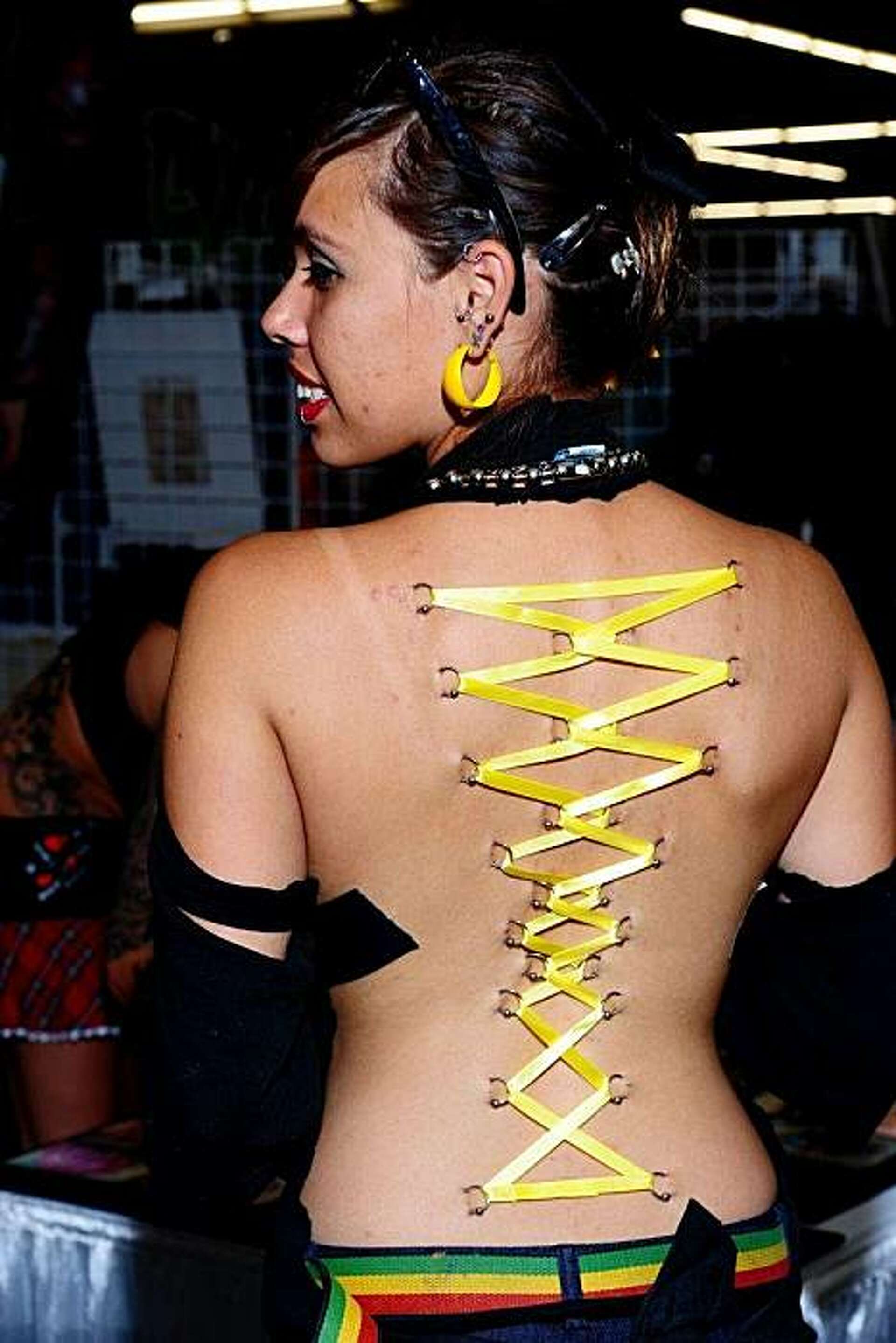
The healing period for a corset piercing is significantly longer and more complex than for single piercings due to the sheer number of wounds. Patience and meticulous aftercare are paramount.
Initial Swelling and Discomfort: Expect considerable swelling, redness, and throbbing for the first few weeks. Pain management may be necessary, and it’s important to avoid any pressure on the pierced area.
Cleaning Regimen: A strict cleaning routine is essential. This typically involves soaking the pierced area with a sterile saline solution several times a day. Avoid using harsh soaps, alcohol, or hydrogen peroxide, as these can irritate the delicate healing tissues. Gently pat the area dry with a clean, lint-free cloth or allow it to air dry.
Avoiding Irritation: It is crucial to avoid snagging the piercings on clothing or bedding. Wear loose-fitting clothing made from breathable fabrics. Be mindful of movements that might stretch or pull on the piercings. Avoid sleeping directly on the pierced area.
Potential Complications: Like any piercing, corset piercings carry risks. These include infection, keloid formation, migration (where the piercing moves from its original position), and allergic reactions to jewelry materials. It is vital to monitor the piercings for any signs of infection, such as increased redness, swelling, pus, or fever, and to seek professional medical attention if these arise.
Long-Term Care: Once fully healed, typically after several months to a year or more, the initial jewelry can be replaced with decorative options. However, even after healing, it’s important to maintain good hygiene and be mindful of potential irritations. If you choose to remove the jewelry permanently, the holes may close, but scarring is likely.
Considerations and Risks Associated with Corset Piercings
While aesthetically captivating, corset piercings are a significant commitment and come with a unique set of considerations and potential risks that prospective individuals must fully understand.
Commitment and Lifestyle Adjustments
A corset piercing is not a casual undertaking. It requires a significant investment of time, financial resources, and a willingness to adapt one’s lifestyle.
Healing Time and Patience: As mentioned, the healing process is lengthy and requires unwavering dedication to aftercare. Rushing the process or neglecting hygiene can lead to serious complications. This means a commitment to regular cleaning, avoiding strenuous activities, and being generally more cautious with the pierced area for an extended period.
Professional Placement: Due to the complexity and precision required, it is imperative to seek out an experienced and reputable professional piercer who has a portfolio of corset piercings. A skilled piercer will have a deep understanding of anatomy, sterile techniques, and the nuances of creating symmetrical and well-placed piercings. Do not attempt this as a DIY project.
Cost: Corset piercings can be expensive. The cost will vary depending on the number of piercings, the piercer’s rates, and the initial jewelry chosen. It’s important to budget for the initial procedure and potential future jewelry changes.
Pain Tolerance: While pain is subjective, undergoing multiple piercings in close proximity can be an intense experience. Individuals should have a realistic understanding of their pain tolerance and be prepared for the discomfort involved.
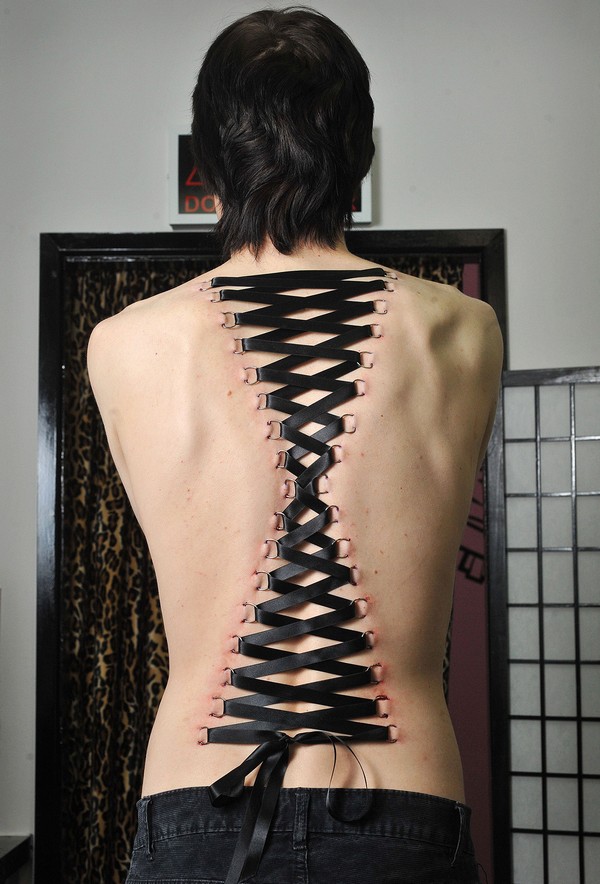
Potential Risks and Complications
Beyond the standard risks associated with any body piercing, corset piercings present specific challenges due to their extensive nature.
Infection: With more puncture wounds, the risk of infection is amplified. Bacteria can easily enter the open wounds, especially if proper hygiene is not maintained. Symptoms of infection include persistent redness, swelling, pain, warmth, and discharge. Untreated infections can spread and lead to more serious health issues.
Scarring and Keloids: The extensive nature of corset piercings means a higher likelihood of scarring. Individuals prone to keloid formation may develop raised, thickened scars around the piercings. While some may view scarring as part of the aesthetic, it’s a risk to consider.
Migration and Rejection: In some cases, the body may perceive the jewelry as foreign and attempt to push it out, leading to migration or rejection. This can result in the piercings moving from their intended position, causing unevenness or the need for removal.
Nerve Damage: While rare, there is a theoretical risk of nerve damage with any piercing. This is more likely if the piercer is not experienced or does not have a thorough understanding of the local anatomy.
Lymphedema (Rare but Serious): In extremely rare cases, particularly with piercings that encircle a limb or are in very close proximity to lymph nodes, there’s a theoretical concern about impeding lymphatic flow. This is not a common complication for most corset piercing placements but is something to be aware of in the context of extensive body modification.
Difficulty with Medical Procedures: In the event of a medical emergency, having extensive piercings, especially those in close proximity, might complicate certain medical imaging procedures like MRIs, depending on the jewelry material. It is always advisable to inform medical professionals about all body modifications.
Ultimately, a corset piercing is a bold and artistic choice. It demands careful consideration, thorough research, and a partnership with a skilled professional to ensure both aesthetic success and a safe, well-healed outcome.
aViewFromTheCave is a participant in the Amazon Services LLC Associates Program, an affiliate advertising program designed to provide a means for sites to earn advertising fees by advertising and linking to Amazon.com. Amazon, the Amazon logo, AmazonSupply, and the AmazonSupply logo are trademarks of Amazon.com, Inc. or its affiliates. As an Amazon Associate we earn affiliate commissions from qualifying purchases.