
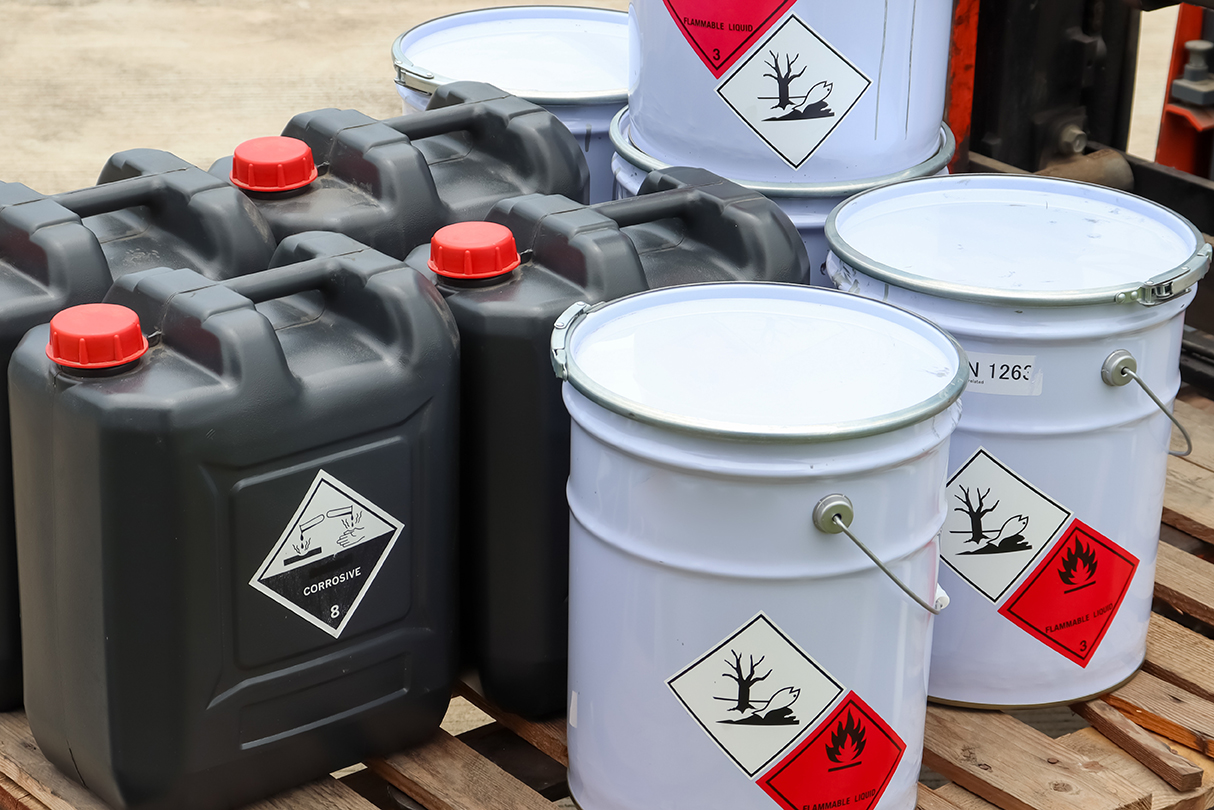
In the physical world, corrosive materials are substances that degrade, wear away, or progressively destroy other surfaces through chemical reactions. In the realm of technology—specifically software engineering and digital infrastructure—the term “corrosive material” serves as a powerful metaphor for Technical Debt. Just as rust silently eats through the structural integrity of a bridge, technical debt is the “corrosive material” of the digital age, subtly dismantling the efficiency, security, and scalability of software systems.
In this deep dive, we explore how corrosive elements manifest within tech stacks, the long-term impact of digital decay, and the strategies organizations must employ to “clean” their codebases and build systems that are resistant to the passage of time and technological shifts.

The Anatomy of Digital Corrosion: Defining Technical Debt
In technology, corrosion isn’t caused by oxidation; it is caused by shortcuts, outdated dependencies, and architectural compromises. When engineers refer to corrosive materials in a tech stack, they are often describing Technical Debt—a concept popularized by Ward Cunningham. It represents the implied cost of additional rework caused by choosing an easy (quick) solution now instead of using a better approach that would take longer.
Deliberate vs. Accidental Corrosion
Not all corrosive material is introduced into a system with malice or even through incompetence. Deliberate technical debt is often a strategic choice: a startup might ship “messy” code to meet a market deadline, knowing they will need to refactor it later. This is akin to using a temporary coating on a metal structure; it works for a season, but if left unaddressed, it will eventually lead to structural failure.
Accidental corrosion, on the other hand, occurs through “bit rot” or software entropy. This happens when the environment around the code changes—operating systems are updated, security protocols evolve, or third-party APIs are deprecated—but the code remains static. Over time, that once-perfect code becomes a corrosive element, incompatible with the modern ecosystem and creating friction for every new feature added.
The Compound Interest of Bad Code
The most dangerous aspect of corrosive material in software is its ability to compound. In finance, debt incurs interest. In tech, corrosive code incurs “complexity interest.” Every new line of code written on top of a shaky, corrosive foundation must account for the flaws of that foundation. This leads to a geometric increase in development time. What should have been a simple two-hour update becomes a two-week ordeal because developers must navigate a minefield of “corroded” legacy logic that might break if touched.
Identifying Corrosive Elements in Your Tech Stack
To maintain a healthy digital ecosystem, one must be able to identify the signs of corrosion before they lead to a total system failure. In the tech industry, these signs are often referred to as “code smells” or “architectural friction.”
Legacy Systems: The Rust of Enterprise Infrastructure
The most common form of corrosive material in the corporate world is the legacy system. These are aging software applications or hardware setups that are still in use because they perform a critical function, yet they are increasingly difficult to maintain. Like a rusted pipe, they may still carry water, but they are prone to leaks and cannot handle high pressure. Legacy systems often rely on obsolete programming languages or unsupported frameworks, making them a primary target for security vulnerabilities and a major roadblock to digital transformation.
Dependency Drift and Security Vulnerabilities
Modern software is rarely built from scratch; it is a collage of open-source libraries and third-party dependencies. Corrosion occurs here through “dependency drift.” When a library is no longer maintained by its creators, or when a development team fails to update their versions, the software becomes brittle. These outdated “materials” are often riddled with known vulnerabilities (CVEs). In this context, the corrosive material isn’t just a performance bottleneck; it is a security “leak” that can lead to catastrophic data breaches.
Code Rot and the Loss of Institutional Knowledge
Software corrosion is often exacerbated by the human element. When a lead developer leaves a company without documenting a complex, non-standard system, that system begins to “rot.” Without the context of why certain decisions were made, the code becomes a “black box.” Future developers become afraid to modify it, leading to a “frozen” state where the software cannot evolve. This lack of transparency is a corrosive force that eats away at a team’s ability to innovate.
The Impact of Software Corrosion on Business Agility

The presence of corrosive material in a tech stack has tangible consequences that extend far beyond the IT department. It directly impacts a company’s bottom line and its ability to compete in a fast-paced digital market.
Reduced Feature Velocity
When a codebase is heavily corroded by technical debt, “feature velocity”—the speed at which a team can deliver new functionality—slows to a crawl. Developers spend 80% of their time fixing bugs or working around legacy limitations and only 20% of their time building new value. This stagnation allows competitors with “cleaner,” more agile stacks to leapfrog the organization, capturing market share while the incumbent is stuck “patching leaks.”
Escalating Maintenance Costs
The financial burden of corrosive material is immense. Maintaining a highly corroded system requires specialized (and expensive) talent who understand archaic systems. Furthermore, the infrastructure costs often rise as inefficient, unoptimized code requires more server power and memory to achieve basic tasks. These “hidden” costs of corrosion can eventually consume the majority of an IT budget, leaving little room for R&D or growth initiatives.
Employee Burnout and Talent Attrition
Top-tier tech talent wants to work with modern tools and clean architectures. Forcing highly skilled engineers to spend their days “scrubbing rust” off 15-year-old legacy systems leads to rapid burnout and high turnover. This creates a vicious cycle: as the experts who understand the corrosive systems leave, the “institutional knowledge” mentioned earlier vanishes, making the systems even harder to maintain and more corrosive to the morale of those who remain.
Strategies for Mitigation: Cleaning the “Rust”
Just as industrial engineers use specialized treatments to remove corrosion from physical structures, software engineers have a toolkit for mitigating technical debt.
Refactoring as a Continuous Process
Refactoring is the process of restructuring existing computer code without changing its external behavior. It is the digital equivalent of sanding down a rusted surface and applying a fresh coat of primer. To prevent corrosion from taking hold, refactoring should not be a once-a-year “grand project.” Instead, it should be integrated into the daily development workflow. By constantly cleaning and improving small portions of the code, teams prevent the “compounding interest” of debt from reaching unmanageable levels.
Automated Testing and CI/CD Pipelines
The best defense against corrosive material is a robust Continuous Integration and Continuous Deployment (CI/CD) pipeline backed by automated testing. These tools act as sensors that detect corrosion the moment it is introduced. If a developer introduces a “quick and dirty” fix that breaks a dependency or violates an architectural rule, the automated tests fail, preventing the corrosive code from ever reaching the production environment.
The “Boy Scout Rule” in Software Development
Borrowed from the scouts, this rule states: “Always leave the campground cleaner than you found it.” In a tech context, this means that every time a developer touches a file to fix a bug or add a feature, they should also take the time to clean up one small piece of technical debt in that same file. This cultural shift ensures that the codebase is constantly being “polished,” counteracting the natural entropy that leads to software corrosion.
Future-Proofing: Building Corrosion-Resistant Systems
While it is impossible to completely eliminate the risk of digital decay, certain architectural choices can make a system significantly more resistant to corrosion over time.
Adopting Microservices and Modular Architecture
One of the reasons legacy systems become so corrosive is their monolithic nature—everything is interconnected, so a leak in one area floods the entire building. By moving toward a microservices architecture, organizations break their software into small, independent units that communicate via APIs. If one service becomes “corroded” or obsolete, it can be replaced or upgraded without needing to overhaul the entire ecosystem. This modularity acts as a “containment system” for digital decay.
Documentation as a Protective Coating
Documentation is often the most overlooked aspect of tech, yet it is the primary “protective coating” against software rot. Well-documented code, clear API specifications, and architectural decision records (ADRs) ensure that even if the original creators leave, the system remains transparent and maintainable. Documentation preserves the intent behind the code, which is essential for preventing accidental corrosion during future updates.
Investing in a Culture of Quality
Ultimately, the most effective way to combat corrosive material in technology is to foster a culture that values quality over raw speed. When leadership understands that “going fast” today by introducing technical debt means “going slow” forever tomorrow, they begin to prioritize sustainable development practices. Investing in code reviews, architectural planning, and regular “debt repayment” cycles ensures that the organization’s digital assets remain shiny, functional, and ready to support the next wave of technological innovation.
In conclusion, while “corrosive material” in the tech world might be invisible to the naked eye, its effects are devastatingly real. By recognizing technical debt as a form of digital corrosion, tech leaders can take the proactive steps necessary to protect their infrastructure, empower their teams, and ensure their software remains a resilient engine for business growth rather than a crumbling liability.
aViewFromTheCave is a participant in the Amazon Services LLC Associates Program, an affiliate advertising program designed to provide a means for sites to earn advertising fees by advertising and linking to Amazon.com. Amazon, the Amazon logo, AmazonSupply, and the AmazonSupply logo are trademarks of Amazon.com, Inc. or its affiliates. As an Amazon Associate we earn affiliate commissions from qualifying purchases.