
In today’s hyper-competitive marketplace, businesses are no longer just competing on the quality of their products or services. They are competing on the strength and resonance of their brand. And when we talk about the overarching identity and perception of a company, we’re delving into the realm of corporate branding. It’s more than just a logo; it’s the soul of an organization, meticulously crafted and consistently communicated to forge lasting connections with stakeholders.
At its core, corporate branding is the comprehensive process of shaping how a company is perceived by its target audiences, including customers, employees, investors, and the public. It encompasses all the ways a company presents itself to the world, from its visual identity and messaging to its values, culture, and overall customer experience. A powerful corporate brand acts as a beacon, guiding understanding, building trust, and ultimately driving business success.
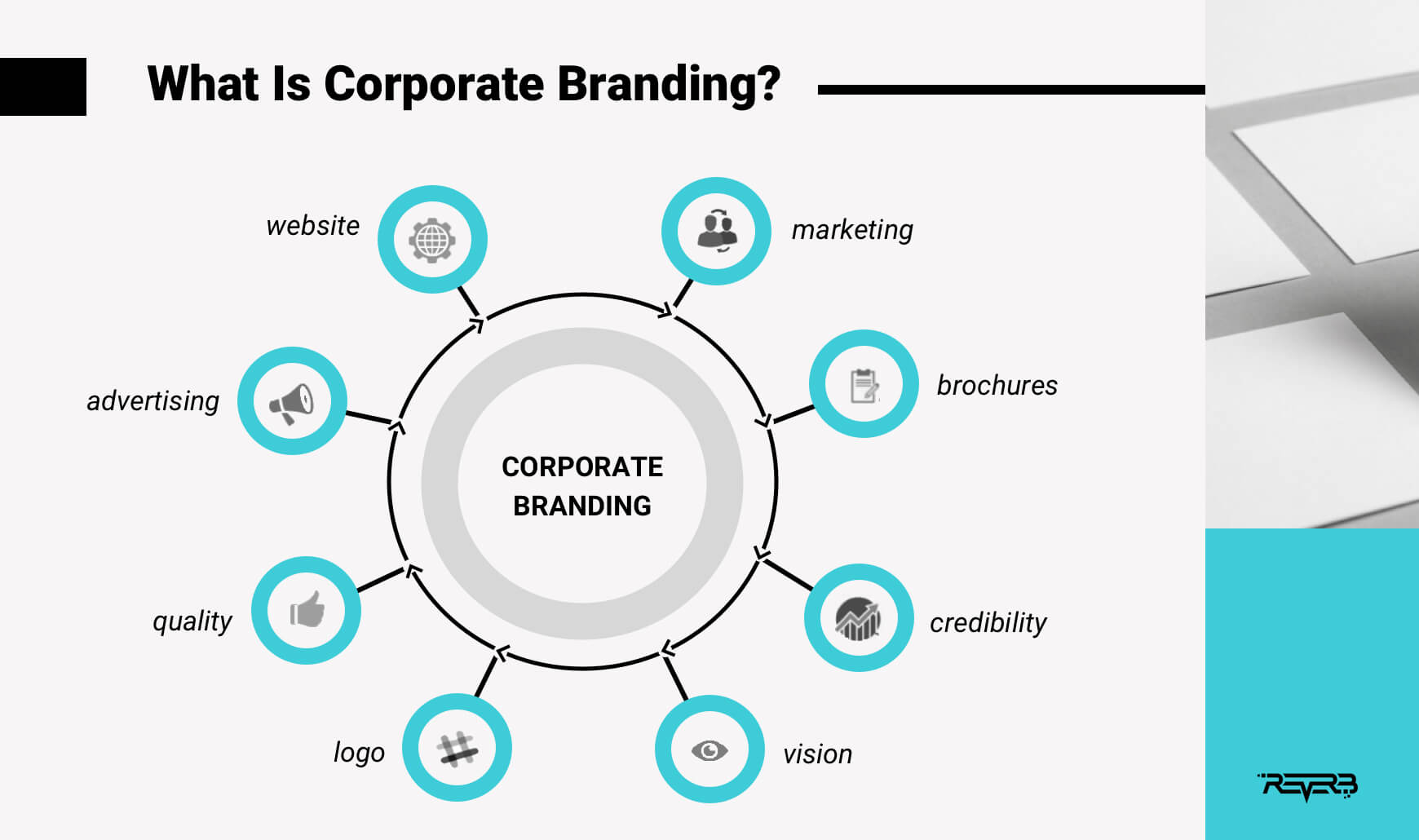
This article will explore the multifaceted nature of corporate branding, dissecting its key components and highlighting its crucial role across the technological, brand strategy, and financial landscapes. We will unpack what makes a corporate brand effective, the strategic approaches to building one, and the tangible benefits it brings to an organization.
The Pillars of Corporate Branding: More Than Just a Logo
While a compelling logo is often the most visible element of a corporate brand, it’s merely the tip of the iceberg. True corporate branding is a deep-rooted and interconnected system of elements that work in harmony to create a distinct and memorable identity. Understanding these pillars is fundamental to grasping the power and complexity of corporate branding.
Visual Identity: The Face of the Brand
The visual identity of a corporation is its most immediate and recognizable representation. This encompasses a range of design elements that, when used consistently, create a cohesive and memorable image.
Logos and Wordmarks: The Iconography of Recognition
The logo is often the first point of contact a consumer has with a brand. Whether it’s an abstract symbol, a stylized letter, or a pictorial representation, a well-designed logo is instantly recognizable and evocative. It should be simple, versatile, and memorable, capable of being scaled and reproduced across various media without losing its impact. Closely related are wordmarks, which are the unique typographic treatments of a company’s name. Think of Coca-Cola’s distinctive script or Google’s playful typeface. These elements, alongside logos, become powerful visual shorthand for the brand.
Color Palettes and Typography: The Emotional Language
Color plays a profound role in shaping perception and evoking emotions. Specific color palettes are carefully chosen to align with the brand’s personality and target audience. For instance, blues often convey trust and stability, while reds can suggest passion and energy. Similarly, typography – the choice of fonts – contributes significantly to the brand’s voice and tone. A serif font might exude tradition and sophistication, while a sans-serif font can feel modern and approachable. Consistency in color usage and typeface across all brand touchpoints is paramount.
Imagery and Visual Style: Setting the Tone
Beyond logos and fonts, the imagery a brand uses – photographs, illustrations, icons, and overall visual style – communicates a great deal about its values and aesthetic. Are the images aspirational and polished, or more candid and authentic? Does the brand lean towards minimalist design or intricate detail? This visual language helps to build an emotional connection and differentiate the brand from its competitors.
Brand Messaging and Voice: The Soul of the Communication
While visuals attract attention, it’s the words and the way they are spoken that truly convey the brand’s essence. Brand messaging and voice are about what a company says and how it says it, shaping perceptions and building deeper understanding.
Mission, Vision, and Values: The Guiding Principles
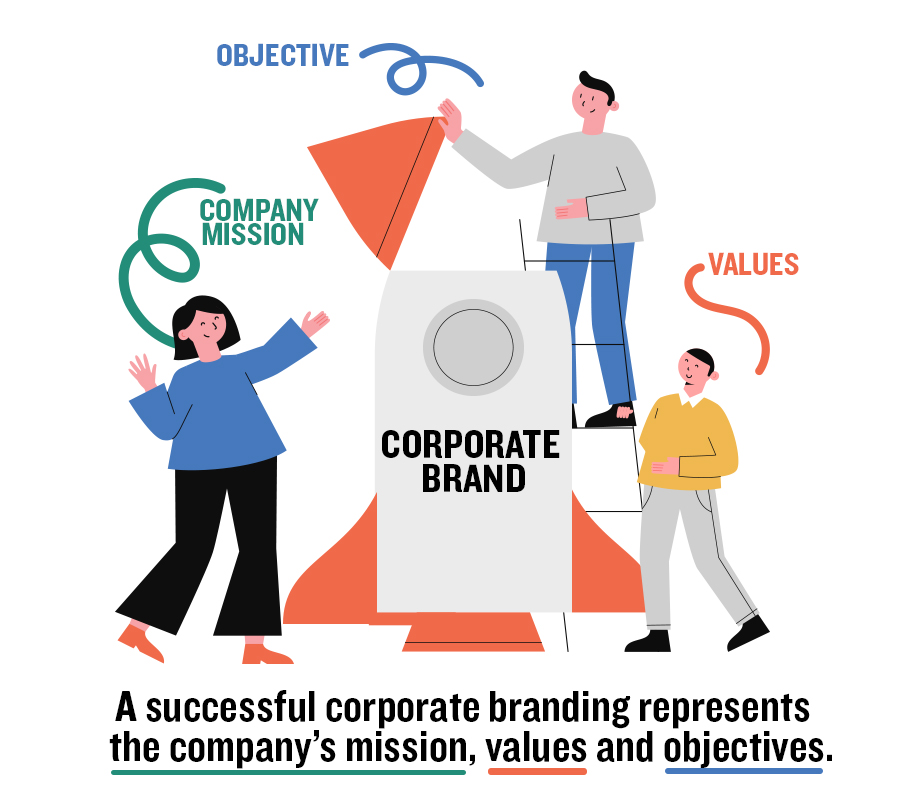
At the heart of every strong corporate brand lies a clear and compelling articulation of its mission (its purpose), vision (its aspirations), and values (its guiding principles). These statements act as the bedrock for all communication and decision-making. They communicate why the company exists, what it aims to achieve, and how it operates, fostering alignment internally and building trust externally.
Brand Story and Narrative: The Human Connection
Every company has a story to tell. This narrative often encompasses its origins, its journey, its challenges, and its triumphs. A well-crafted brand story resonates with audiences on an emotional level, making the brand more relatable and memorable. It humanizes the corporation, transforming it from a faceless entity into a partner with shared aspirations.
Tone of Voice: The Personality of Communication
The tone of voice is the personality that comes through in all written and spoken communication. Is the brand formal and authoritative, or casual and friendly? Is it witty and innovative, or serious and reliable? A consistent and appropriate tone of voice ensures that the brand’s personality is consistently conveyed across all platforms, from website copy and social media posts to customer service interactions.
Brand Experience: The Tangible Impact
Ultimately, a corporate brand is defined by the sum total of every interaction a stakeholder has with the company. This “brand experience” is where the abstract concepts of identity and messaging come to life, impacting reputation and driving loyalty.
Customer Service and Support: The Front Lines of Perception
The way a company interacts with its customers before, during, and after a purchase is a critical component of its brand experience. Exceptional customer service builds trust, resolves issues efficiently, and leaves a positive lasting impression. Conversely, poor customer service can quickly tarnish a brand’s reputation, regardless of how well-designed its logo or messaging may be.
Product or Service Quality: The Core Promise
The fundamental promise of any company is the quality of its products or services. If a brand consistently delivers on this promise, it reinforces its identity and builds a reputation for excellence. Conversely, a decline in quality will erode brand equity, regardless of marketing efforts.
Workplace Culture and Employee Engagement: The Internal Brand

The internal culture of a company significantly influences its external brand. Engaged and motivated employees who believe in the company’s mission and values are powerful brand ambassadors. A positive workplace culture, where employees feel valued and respected, often translates into better customer interactions and a stronger overall brand perception. This is why many companies now focus on building a strong “employer brand” to attract and retain top talent.
The Strategic Imperative of Corporate Branding: Navigating Tech, Brand, and Money
In today’s interconnected world, corporate branding is not a standalone marketing function; it’s a strategic imperative that touches upon technology, brand strategy, and financial considerations. A robust corporate brand can be a significant competitive advantage across these vital domains.
Leveraging Technology for Brand Amplification
Technology plays an increasingly vital role in shaping, disseminating, and measuring corporate brands. From sophisticated AI tools to user-friendly apps, technology empowers brands to connect with their audiences more effectively and efficiently.
Digital Presence and Online Reputation Management
A company’s website is often its digital storefront. A well-designed, user-friendly, and informative website is crucial for presenting a professional brand image. Beyond the website, social media platforms, online reviews, and digital advertising all contribute to a company’s online presence. Proactive digital security and responsible data handling are also becoming integral to brand trust.
AI-Powered Brand Insights and Personalization
Artificial Intelligence (AI) tools are revolutionizing how brands understand their audiences and tailor their messaging. AI can analyze vast amounts of data to identify trends, predict consumer behavior, and personalize marketing campaigns. This allows brands to deliver more relevant and engaging experiences, strengthening their connection with individuals. From AI-powered chatbots that provide instant customer support to algorithms that recommend products, technology is enabling a more nuanced and individualized brand interaction.
Innovative Apps and Gadgets as Brand Extensions
For tech companies in particular, their products themselves are powerful brand extensions. The design, functionality, and user experience of an app or gadget are direct reflections of the brand’s values and capabilities. Reviews of these products heavily influence public perception, making innovation and user satisfaction paramount. A seamless and intuitive user interface can be as important as a catchy slogan in building brand loyalty.
Building a Differentiated Brand Strategy
Corporate branding is intrinsically linked to broader brand strategy, which involves defining the brand’s position in the market, understanding its competitive landscape, and developing a roadmap for growth.
Crafting a Unique Selling Proposition (USP)
A core element of brand strategy is identifying and articulating a unique selling proposition (USP). What makes this company or its offerings distinct and superior to the competition? This differentiation is what attracts and retains customers. A strong corporate brand will have a clear USP that is consistently communicated across all touchpoints.
Strategic Marketing and Design Integration
Effective corporate branding requires a seamless integration of marketing and design efforts. Marketing campaigns should be built upon the foundation of the brand strategy, and design elements should be chosen to reinforce the brand’s message and values. This ensures consistency and coherence, preventing mixed signals that can dilute brand impact. Case studies of successful brands often highlight how strategic marketing and thoughtful design have worked in tandem to achieve remarkable results.
Reputation Management and Crisis Communication
A company’s reputation is its most valuable asset, and corporate branding plays a crucial role in shaping and protecting it. This involves proactively building trust through consistent delivery of value and engaging in transparent communication. In times of crisis, a strong corporate brand and a well-defined communication strategy are essential for mitigating damage and regaining public confidence.
The Financial Implications of a Strong Corporate Brand
The impact of corporate branding extends beyond perception and into tangible financial outcomes. A well-established brand can command a premium, attract investment, and foster long-term financial stability.
Brand Equity and Premium Pricing
Strong corporate brands often benefit from significant brand equity, which is the added value consumers place on a product or service due to the brand name. This equity allows companies to command premium prices, as customers are willing to pay more for the perceived quality, reliability, and status associated with a trusted brand.
Attracting Investment and Business Finance
Investors are more likely to invest in companies with strong, recognizable brands. A solid corporate identity, a clear mission, and a positive reputation signal a stable and promising business. This can lead to easier access to capital, favorable loan terms, and a higher valuation for the company. Understanding business finance and how brand strength contributes to financial health is a key aspect of corporate branding.
Driving Customer Loyalty and Lifetime Value
A strong brand fosters customer loyalty, leading to repeat purchases and higher customer lifetime value. When customers feel a connection to a brand, they are less likely to switch to competitors, even if faced with slightly lower prices. This consistent revenue stream is a significant contributor to financial success and long-term profitability.
Conclusion: The Enduring Power of Corporate Branding
In conclusion, corporate branding is far more than a superficial exercise in logo design or tagline creation. It is a fundamental strategic discipline that shapes how an organization is perceived, understood, and valued. By meticulously crafting and consistently communicating a compelling identity, businesses can build trust, foster loyalty, and achieve sustainable success.
As we navigate an increasingly digital and interconnected world, the importance of corporate branding only intensifies. Leveraging technological advancements for deeper engagement, integrating brand strategy with every business decision, and understanding the profound financial implications of a strong brand are no longer optional but essential for thriving. A well-defined and expertly managed corporate brand is an investment that pays dividends across every facet of an organization, from its technological innovation to its financial resilience. It is, quite simply, the enduring power of a company’s promise, delivered consistently and authentically, to the world.
aViewFromTheCave is a participant in the Amazon Services LLC Associates Program, an affiliate advertising program designed to provide a means for sites to earn advertising fees by advertising and linking to Amazon.com. Amazon, the Amazon logo, AmazonSupply, and the AmazonSupply logo are trademarks of Amazon.com, Inc. or its affiliates. As an Amazon Associate we earn affiliate commissions from qualifying purchases.