
The culinary landscape is rich with distinct product identities, each vying for consumer attention and carving out a unique niche. Among these, the Cornish Game Hen stands as a prime example of how specific attributes, historical context, and clever positioning culminate in a recognizable and often premium brand experience, even for a product that is fundamentally a type of poultry. Understanding “what is a Cornish Game Hen” extends beyond a simple biological description; it delves into its market identity, consumer perception, and the strategic elements that have cemented its place in kitchens and menus globally.

The Unique Identity of a Culinary Niche
Defining the Cornish Game Hen is the first step in appreciating its distinct market presence. It’s not merely a small chicken; it embodies a specific set of characteristics that are leveraged in its branding.
Defining the Cornish Game Hen
A Cornish Game Hen is, botanically speaking, a broiler chicken that is slaughtered at a very young age, typically between four to six weeks old, when it weighs no more than two pounds. The official USDA definition specifies it as “an immature chicken (less than five weeks of age), weighing not more than 2 pounds ready-to-cook weight.” The key differentiator is its youth and small size, which result in exceptionally tender meat, a thin, delicate skin, and a proportionally larger breast meat yield compared to a mature chicken.
Crucially, the “Cornish” in its name refers to the breed of chicken, often a cross between a White Cornish and a White Plymouth Rock chicken, known for their rapid growth and broad breasts. The “Game Hen” portion is a historical misnomer; it is not a wild game bird, nor is it exclusively female. The term “game hen” was likely adopted to lend an air of sophistication and uniqueness, drawing a parallel to the prized small game birds once served at banquets. This nomenclature, deliberate or not, has significantly contributed to its brand persona, suggesting something more refined and special than an ordinary chicken.
Origins of a Distinct Product Name
The evolution of the “Cornish Game Hen” as a distinct product name is a fascinating case study in market segmentation. In the mid-20th century, as industrial poultry farming expanded, there was a drive to differentiate products and cater to various consumer needs. The development of fast-growing, meat-producing breeds like the Cornish chicken provided the biological foundation. The subsequent decision to market these young, small chickens under a specific, somewhat evocative name was a stroke of branding genius.
This naming strategy created a new category that immediately set itself apart from other chicken products like broilers, fryers, or roasters. It wasn’t just chicken; it was a “Cornish Game Hen,” implying a specific culinary experience. This historical market positioning played a vital role in establishing its premium status, distinguishing it from generic poultry offerings and crafting an image of gourmet quality long before modern brand strategists fully articulated such concepts.
Branding Through Differentiation: Market Positioning
The success of the Cornish Game Hen as a distinct product hinges significantly on its market positioning. Its intrinsic qualities allow for a strategic narrative that highlights its unique value proposition to both home cooks and professional chefs.
Premium Perception and Special Occasion Status
One of the most powerful aspects of the Cornish Game Hen’s brand identity is its premium perception. Due to its smaller size, delicate flavor, and the effort involved in preparing individual portions, it has traditionally been associated with special occasions, fine dining, and intimate meals. This perception is not accidental; it’s cultivated through deliberate marketing and consumer experience.
Compared to a whole roasting chicken, which often serves a family and is a staple for everyday meals, the Cornish Game Hen is frequently presented as an individual serving, creating a sense of personalized luxury. This individual portioning elevates the dining experience, making each guest feel uniquely catered to. Brands leverage this by showcasing imagery of beautifully plated hens, often alongside elegant accompaniments, reinforcing its suitability for holidays, romantic dinners, or upscale entertaining. This strategic framing has allowed it to command a higher price point per pound than conventional chicken, justified by its perceived quality and the ‘specialness’ it confers upon a meal.
Messaging for Quality and Exclusivity
The messaging surrounding Cornish Game Hens consistently emphasizes quality, tenderness, and exclusivity. Marketing campaigns often highlight the succulent nature of the meat, its quick cooking time (relative to a large bird), and its elegant presentation. Key messages often revolve around:
- Tenderness and Flavor: Stressing the delicate texture and mild, yet rich, flavor that comes from its youth. This appeals to consumers seeking a refined culinary experience.
- Ease of Preparation: While appearing sophisticated, many recipes emphasize the relative simplicity of preparation, making it accessible to home cooks seeking an impressive dish without undue complexity.
- Portion Control and Presentation: Highlighting its ideal single-serving size for elegant plating, which is a significant advantage in both restaurant settings and home entertaining.
- Versatility: Demonstrating how it can be roasted, grilled, broiled, or stuffed, broadening its appeal and suggesting its adaptability to various cuisines and cooking methods.
These messages are not just factual descriptions; they are brand attributes designed to position the Cornish Game Hen as a superior choice for specific culinary needs, distinguishing it from other poultry options and establishing its niche as a go-to for impressive, individual gourmet meals.
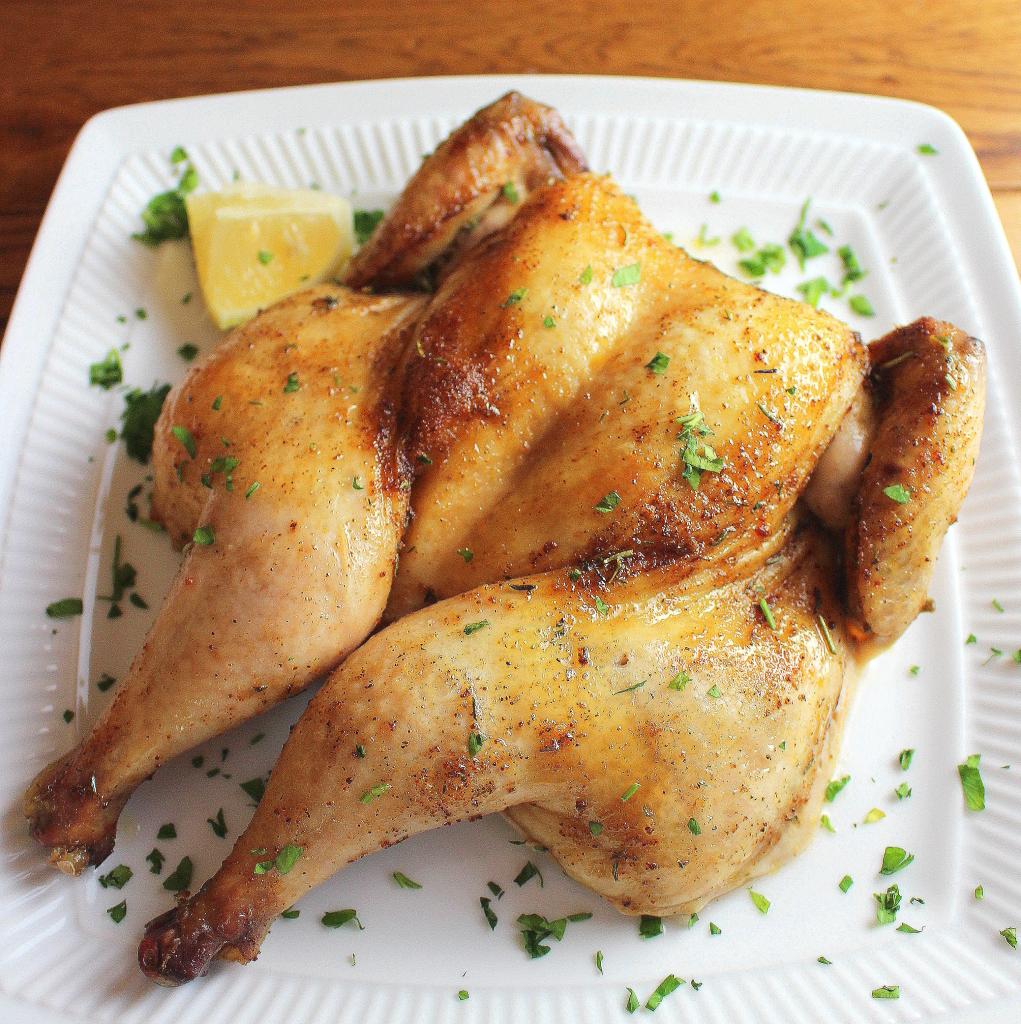
Packaging and Presentation: Visual Brand Cues
In the competitive retail environment, packaging and presentation play a critical role in reinforcing a product’s brand identity. For the Cornish Game Hen, these elements are carefully designed to communicate its premium status and culinary appeal.
From Farm to Shelf: Communicating Value
The packaging of Cornish Game Hens typically reflects its higher-end positioning. While basic plastic shrink-wrap is common, premium brands often incorporate additional features:
- Clear Labeling: Clearly stating “Cornish Game Hen” rather than generic “chicken” helps distinguish it immediately. Often, additional descriptors like “all-natural,” “hormone-free,” or “air-chilled” are used to underscore quality and appeal to health-conscious consumers. These attributes become part of the extended brand narrative, signaling superior production standards.
- Visually Appealing Trays: Products are often presented in attractive trays that protect the bird and allow consumers to visually inspect its quality. The color scheme and design elements on the label tend to be more sophisticated, using muted tones, elegant fonts, and imagery that evokes culinary excellence rather than industrial efficiency.
- Recipe Suggestions and Serving Ideas: To guide consumers and enhance the brand experience, packaging frequently includes recipes, cooking instructions, or serving suggestions. This not only adds value but also helps demystify the product for those unfamiliar with preparing it, encouraging purchase and ensuring a positive first experience. By providing guidance, brands align themselves with culinary success in the consumer’s mind.
The overall goal of packaging is to visually communicate the value and uniqueness of the Cornish Game Hen, making it stand out as a premium selection in the poultry aisle and justifying its price point before a consumer even considers its preparation.
Culinary Branding: Recipe Integration and Usage Contexts
Beyond direct retail packaging, the brand identity of the Cornish Game Hen is continually reinforced through its integration into culinary contexts. Cookbooks, food blogs, restaurant menus, and food media play a significant role in shaping its brand image.
- Recipe Marketing: Brands actively partner with chefs and food influencers to develop and promote recipes that highlight the hen’s best attributes. These recipes often feature gourmet ingredients or sophisticated techniques, further cementing its image as a choice for discerning cooks. The proliferation of “Cornish Game Hen recipes” online reinforces its distinct culinary identity and searchability.
- Restaurant Menu Presence: Its consistent appearance on fine dining menus and in upscale catering reinforces its luxury status. Chefs often leverage its small size for exquisite plating and individual customization, which translates into a perception of artistry and elevated dining. When consumers see Cornish Game Hens on a high-end menu, it validates its premium branding.
- Holiday and Seasonal Promotions: The Cornish Game Hen is frequently promoted around holidays (e.g., Thanksgiving, Christmas, Easter) and special occasions (Valentine’s Day, anniversaries). This seasonal branding strategy positions it as a celebratory food, linking it emotionally with festive gatherings and memorable meals, thereby strengthening its ‘special occasion’ brand equity.
Through these integrated culinary efforts, the Cornish Game Hen brand extends far beyond the physical product, becoming a symbol of elegance and thoughtful dining.
Consumer Engagement and Brand Loyalty
For any product, sustaining relevance and fostering loyalty requires continuous consumer engagement. The Cornish Game Hen, despite its niche status, employs strategies that maintain its distinct appeal.
Educating the Market: Usage and Benefits
A critical aspect of maintaining the Cornish Game Hen’s brand strength is educating consumers about its unique benefits and versatile uses. Since it’s not an everyday item for many, clarity around preparation and value is paramount.
- Dispelling Misconceptions: Addressing the common misperception that it is a “game bird” or difficult to prepare helps broaden its appeal. Marketing content often emphasizes its mild flavor and straightforward cooking methods.
- Highlighting Versatility: Showcasing various preparation styles—from simple roasting with herbs to more elaborate stuffings and marinades—demonstrates its adaptability across different cuisines and skill levels. This encourages experimentation and repeat purchases for different occasions.
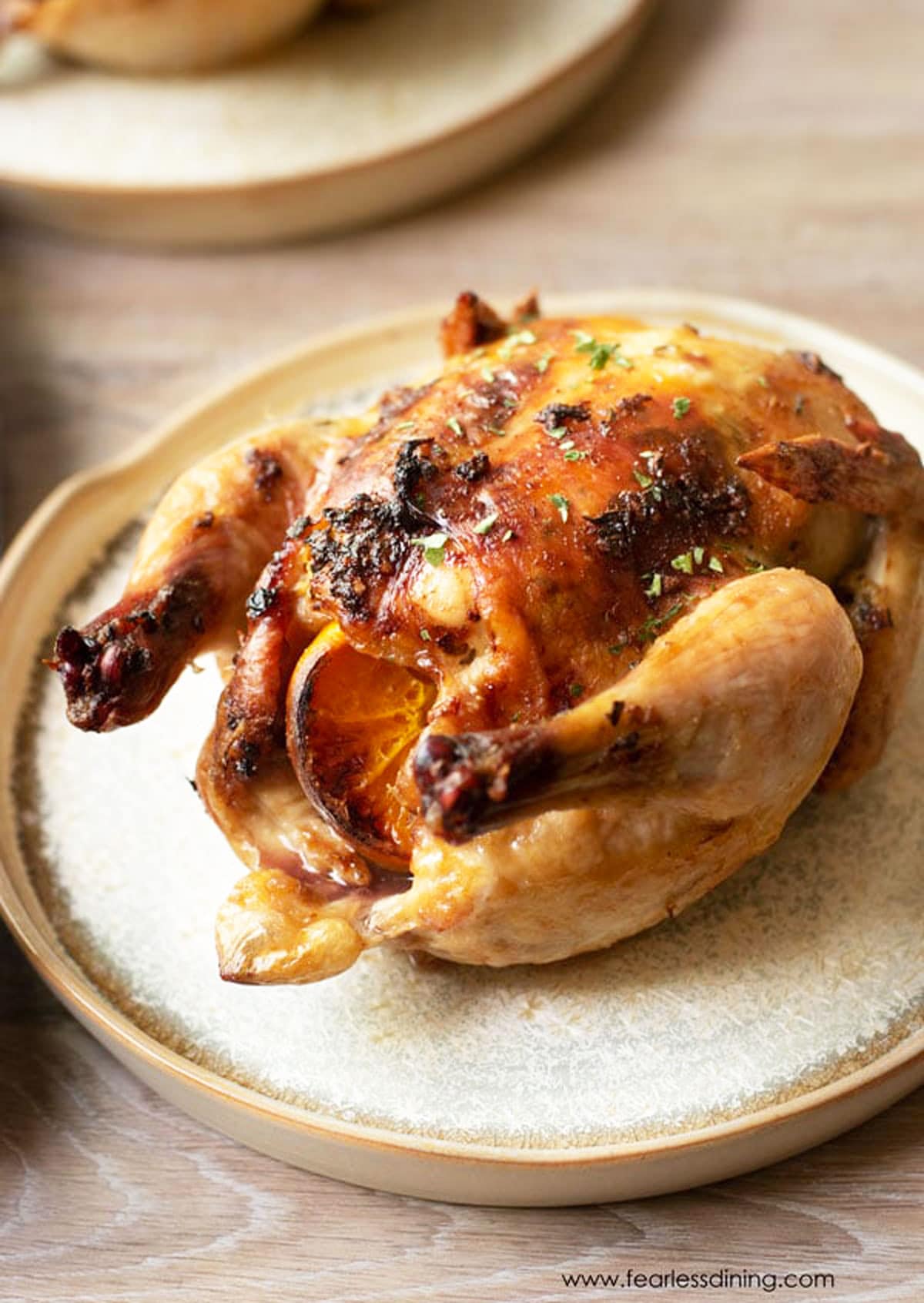
- Focusing on Presentation: Many consumers purchase Cornish Game Hens precisely for their elegant, individual presentation. Brand communication consistently highlights how easy it is to create a visually impressive meal, catering to those who enjoy entertaining or seek a restaurant-quality experience at home. This focus on the “wow factor” is a strong brand differentiator.
By clearly articulating its usage and benefits, brands ensure that consumers understand the unique value proposition of the Cornish Game Hen, reinforcing their decision to choose it over other poultry options for specific culinary desires.
Sustaining Brand Value in a Competitive Market
The poultry market is highly competitive and susceptible to price fluctuations and evolving consumer preferences. To sustain its brand value, the Cornish Game Hen must continually reinforce its distinct identity.
- Maintaining Quality Standards: Consistency in tenderness, size, and flavor is paramount. Any deviation can erode the premium perception and trust that consumers place in the product. Brands must ensure robust quality control from farm to table.
- Innovation in Presentation and Recipes: While the core product remains the same, innovation in how it’s presented (e.g., pre-seasoned, pre-stuffed options) or new recipe ideas can keep the brand fresh and engaging. This demonstrates responsiveness to modern cooking trends and convenience needs.
- Storytelling and Heritage: Highlighting the heritage of the Cornish breed, the care taken in raising the birds, or the origin story of the product name can create an emotional connection with consumers. This narrative element strengthens brand loyalty by associating the product with authenticity and quality craftsmanship.
In conclusion, the Cornish Game Hen is a testament to the power of deliberate branding. By leveraging its inherent biological traits and packaging them with a distinctive name, strategic market positioning, appealing visuals, and continuous consumer education, it has transcended its identity as mere poultry to become a recognized brand signifying elegance, quality, and a touch of culinary distinction. Understanding “what is Cornish Game Hen” is thus an exploration into how a food product successfully carves out and sustains its unique identity in the vast and competitive consumer market.
aViewFromTheCave is a participant in the Amazon Services LLC Associates Program, an affiliate advertising program designed to provide a means for sites to earn advertising fees by advertising and linking to Amazon.com. Amazon, the Amazon logo, AmazonSupply, and the AmazonSupply logo are trademarks of Amazon.com, Inc. or its affiliates. As an Amazon Associate we earn affiliate commissions from qualifying purchases.