
In today’s hyper-competitive digital landscape, understanding and optimizing your sales process is paramount to sustainable business growth. At the heart of this optimization lies a critical metric: conversion rate. But what exactly is conversion rate in sales, and why should it be a cornerstone of your brand’s strategy? This article will delve into the core concept, explore its profound implications for your brand’s health and financial success, and examine how a tech-forward, brand-centric approach can elevate your conversion rates to new heights.
The Foundation: Defining Sales Conversion Rate
At its most fundamental level, a sales conversion rate is the percentage of potential customers who complete a desired action, or “conversion,” out of the total number of people who were exposed to an offer or opportunity. In the context of sales, this desired action typically translates to a purchase. However, the definition can be broadened to encompass other valuable actions that move a prospect further down the sales funnel, such as signing up for a newsletter, downloading a resource, requesting a demo, or filling out a contact form.
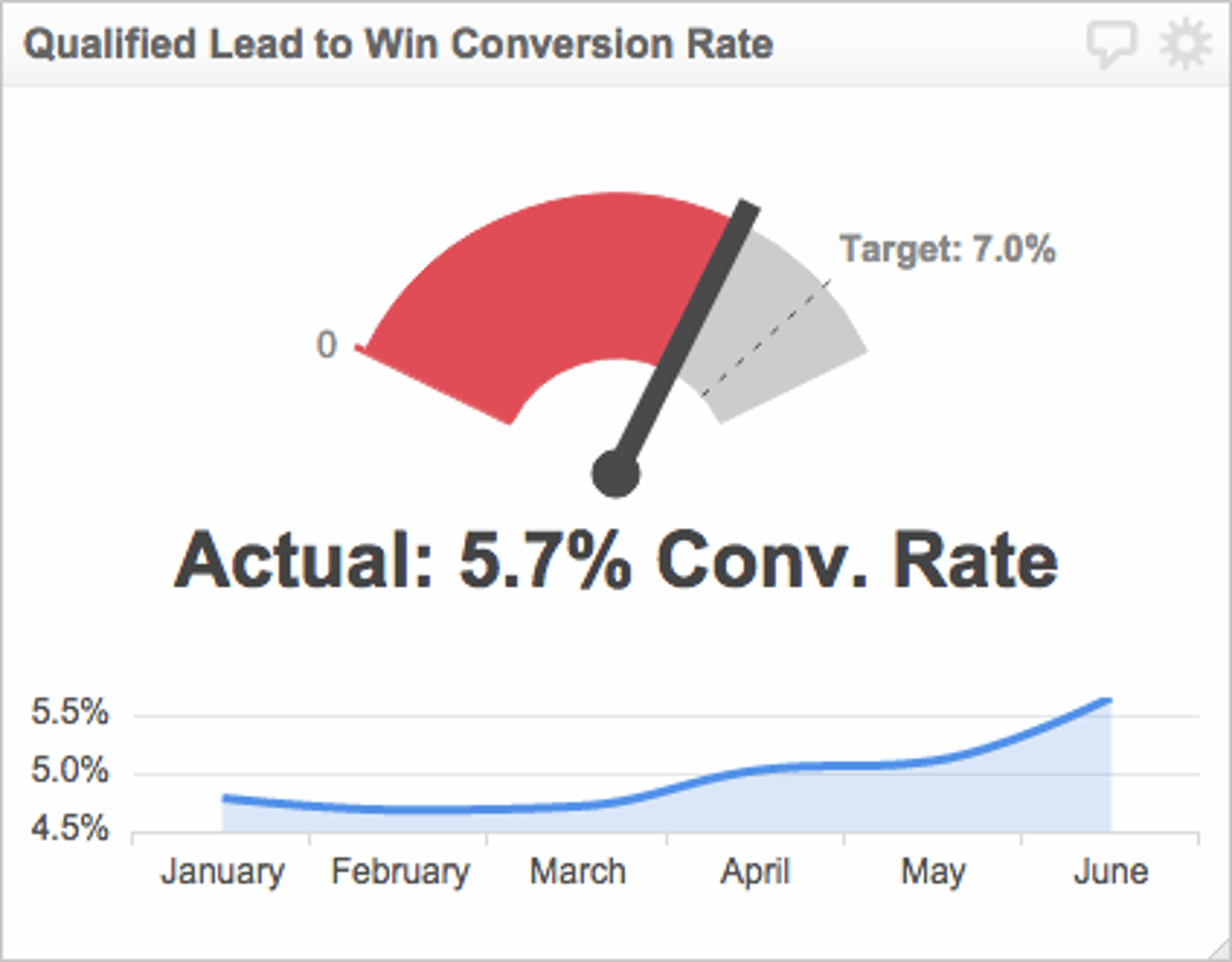
The formula to calculate your sales conversion rate is straightforward:
Conversion Rate = (Number of Conversions / Total Number of Prospects) x 100
Let’s break this down with a practical example. Imagine you run an e-commerce store selling artisanal coffee. If you have 1000 website visitors in a given month, and 50 of them make a purchase, your sales conversion rate for that month would be:
(50 purchases / 1000 visitors) x 100 = 5%
This seemingly simple percentage is a powerful indicator of your sales and marketing effectiveness. A low conversion rate suggests that something in your process is failing to persuade potential customers to take the desired action, while a high conversion rate signifies that your strategies are resonating with your audience.
Why is Conversion Rate So Crucial for Your Business?
The significance of conversion rate extends far beyond a mere number on a dashboard. It’s a direct reflection of your business’s ability to:
- Generate Revenue: The most obvious impact is on your bottom line. A higher conversion rate directly translates to more sales and, consequently, more revenue. Even a small improvement in conversion rate can have a substantial multiplicative effect on your profits.
- Maximize Marketing ROI: Every dollar spent on marketing and advertising is an investment. If your website or sales pitches are not effectively converting the traffic they generate, those marketing dollars are being wasted. A strong conversion rate ensures that your marketing efforts are yielding tangible returns.
- Understand Your Audience: Analyzing your conversion rate can reveal valuable insights into your target audience’s behavior, preferences, and pain points. By understanding why some prospects convert and others don’t, you can refine your messaging, product offerings, and overall customer experience.
- Optimize the Customer Journey: The conversion rate acts as a diagnostic tool for your entire customer journey, from initial awareness to final purchase. Identifying bottlenecks and points of friction within this journey becomes easier when you track and analyze conversion rates at various stages.
- Build Brand Loyalty and Advocacy: A seamless and positive conversion experience can foster trust and satisfaction, leading to repeat business and word-of-mouth referrals. Conversely, a frustrating conversion process can damage your brand’s reputation.
Beyond the Sale: Expanding the Definition of Conversion
While the most common definition of sales conversion rate focuses on purchases, it’s essential to recognize that conversions can occur at multiple touchpoints throughout the customer lifecycle. This broader perspective is crucial for businesses that operate with longer sales cycles or offer complex products and services.
Here are some examples of other valuable “micro-conversions” that can be tracked and optimized:
- Lead Generation:
- Signing up for a newsletter or email list.
- Downloading an e-book, whitepaper, or guide.
- Registering for a webinar or online event.
- Filling out a “contact us” form.
- Requesting a free trial or demo.
- Engagement and Interest:
- Adding a product to a wishlist or shopping cart.
- Watching a product video.
- Spending a significant amount of time on a product page.
- Clicking on a specific call-to-action button.
- Relationship Building:
- Following your brand on social media.
- Participating in online forums or communities.
By tracking these micro-conversions, you gain a more nuanced understanding of customer interest and engagement. This allows you to identify prospects who are showing strong intent but may need further nurturing before they are ready to make a purchase. Optimizing these micro-conversions can significantly improve your overall sales conversion rate by building a more qualified pipeline.
The Tech-Driven Approach to Elevating Your Conversion Rate

In the digital age, technology plays an indispensable role in understanding, influencing, and optimizing conversion rates. From sophisticated analytics tools to AI-powered personalization engines, the tech landscape offers a powerful arsenal for businesses aiming to boost their sales performance.
Harnessing the Power of Analytics and Data
At the forefront of any tech-driven conversion rate optimization (CRO) strategy lies robust data analysis. Understanding who is converting, how they are converting, and why they are converting requires sophisticated tools and a data-centric mindset.
- Website Analytics Platforms: Tools like Google Analytics are indispensable for tracking website traffic, user behavior, and conversion events. By setting up goals and events within these platforms, you can precisely measure your conversion rates for various actions. Analyzing metrics such as bounce rate, time on page, exit pages, and traffic sources can reveal critical insights into where users might be dropping off in the conversion funnel.
- Heatmaps and Session Recordings: Visual analytics tools like Hotjar or Crazy Egg provide invaluable insights into how users interact with your website. Heatmaps show you where users click, move their mouse, and scroll, while session recordings allow you to watch anonymized recordings of actual user sessions. This qualitative data can uncover usability issues, confusing navigation, or ineffective calls to action that are hindering conversions.
- A/B Testing and Multivariate Testing: These are cornerstone methodologies for CRO. A/B testing involves presenting two different versions of a webpage or element to different segments of your audience to see which performs better. Multivariate testing takes this a step further by testing multiple variations of multiple elements simultaneously. Platforms like Optimizely or VWO make it easier to set up and manage these tests, allowing you to scientifically determine the most effective elements for driving conversions.
- CRM Systems: Customer Relationship Management (CRM) systems like Salesforce or HubSpot are vital for tracking leads, managing customer interactions, and understanding the sales pipeline. By integrating CRM data with your website analytics, you can gain a holistic view of your customer journey and identify patterns that lead to conversions or lost opportunities.
AI and Machine Learning for Personalized Experiences
Artificial intelligence (AI) and machine learning (ML) are revolutionizing how businesses approach conversion rate optimization by enabling hyper-personalization and predictive insights.
- Personalized Content and Offers: AI algorithms can analyze user data (browsing history, purchase behavior, demographics) to deliver personalized content, product recommendations, and offers in real-time. This ensures that each visitor sees the most relevant information, increasing the likelihood of engagement and conversion. Think of Netflix recommending shows or Amazon suggesting products – this is AI-powered personalization in action.
- Predictive Lead Scoring: AI can predict which leads are most likely to convert based on a multitude of data points. This allows sales teams to prioritize their efforts, focusing on high-potential prospects and nurturing those who may need more attention.
- Chatbots and Virtual Assistants: AI-powered chatbots can provide instant customer support, answer FAQs, guide users through product selection, and even facilitate simple transactions. This 24/7 availability can significantly improve the user experience and drive conversions, especially for common queries.
- Dynamic Pricing and Promotions: AI can dynamically adjust pricing and promotional offers based on factors like demand, competitor pricing, and individual customer behavior, optimizing for both conversion and profitability.
The Brand-Centric Approach to Driving Conversions
While technology provides the tools, a strong brand strategy is the foundation upon which successful conversion rates are built. Your brand is not just a logo or a tagline; it’s the entire perception and experience a customer has with your business.
Building Trust and Credibility Through Brand Identity
A well-defined and consistently executed brand identity is crucial for establishing trust, which is a prerequisite for any sale.
- Clear Value Proposition: Your brand needs to articulate a clear and compelling value proposition that resonates with your target audience. What problem do you solve? What unique benefit do you offer? This clarity should be evident across all your marketing materials and website content.
- Consistent Messaging and Visuals: A unified brand voice and visual identity across all touchpoints – website, social media, advertisements, customer support – reinforces your brand’s professionalism and reliability. Inconsistency can create confusion and erode trust.
- Social Proof and Testimonials: Featuring customer testimonials, reviews, and case studies prominently on your website and marketing materials leverages social proof to build credibility. Potential customers are more likely to trust the experiences of their peers.
- Brand Storytelling: Humans connect with stories. Sharing your brand’s origin story, mission, and values can foster an emotional connection with your audience, making them more likely to engage and convert.
Optimizing the Customer Experience for Seamless Conversions
The conversion process itself must be a positive and frictionless experience for the customer. This is where brand experience meets technological execution.
- User-Friendly Website Design and Navigation: Your website should be intuitive, easy to navigate, and visually appealing. A confusing or cluttered website will lead to high bounce rates and low conversions. This aligns perfectly with the “Productivity” and “Design” aspects of your website’s topics.
- Clear and Compelling Calls to Action (CTAs): CTAs are the prompts that guide users towards a desired action. They should be prominent, action-oriented, and clearly communicate the benefit of clicking. For example, instead of “Submit,” use “Get Your Free E-book” or “Start Your Trial Today.”
- Streamlined Checkout Process: For e-commerce businesses, a complex or lengthy checkout process is a major conversion killer. Minimizing the number of steps, offering guest checkout options, and providing multiple payment methods are essential. This directly impacts “Money” by facilitating transactions.
- Responsive Customer Support: Whether it’s through chatbots, live chat, email, or phone, providing prompt and helpful customer support can address concerns, answer questions, and overcome objections that might prevent a conversion. This ties into “Digital Security” and “Productivity” by ensuring a smooth user experience.
- Personalized Communication: Beyond AI-driven personalization on your website, follow-up communication, such as email marketing, should be tailored to the individual’s interactions and expressed interests. This demonstrates that you understand their needs and are offering relevant solutions.

The Interplay of Tech and Brand for Maximum Conversion Impact
Ultimately, the most successful conversion rate strategies are those that intelligently integrate technology with a deep understanding of brand building.
- Data-Informed Brand Refinement: Analytics tools can reveal which aspects of your brand messaging or offerings are resonating most effectively with your audience, allowing you to refine your brand strategy based on concrete data.
- Tech-Enabled Brand Experiences: AI-powered personalization can ensure that your brand’s unique voice and value proposition are delivered to each individual in the most impactful way.
- Measuring Brand Health Through Conversions: Beyond just sales, tracking micro-conversions can also be a proxy for brand engagement and loyalty. A high rate of newsletter sign-ups, for instance, indicates strong interest in your brand’s content.
- Leveraging Reviews and Case Studies (Brand) with AI Analysis (Tech): While gathering testimonials is a brand activity, using AI to analyze the sentiment and recurring themes in those reviews can provide deeper insights for product development and marketing.
In conclusion, understanding “what is conversion rate in sales” is just the first step. By embracing a holistic approach that leverages the power of technology to analyze data, personalize experiences, and streamline processes, while simultaneously building a strong, trustworthy brand that resonates with your audience, you can unlock significant growth and achieve lasting success. Your conversion rate is not just a number; it’s a testament to how effectively you connect with, persuade, and ultimately serve your customers.
aViewFromTheCave is a participant in the Amazon Services LLC Associates Program, an affiliate advertising program designed to provide a means for sites to earn advertising fees by advertising and linking to Amazon.com. Amazon, the Amazon logo, AmazonSupply, and the AmazonSupply logo are trademarks of Amazon.com, Inc. or its affiliates. As an Amazon Associate we earn affiliate commissions from qualifying purchases.