
In the intricate web of global commerce, understanding the various players and their roles is paramount for successful transactions. Among these key figures, the consignee stands out as a crucial entity, often misunderstood but fundamental to the movement of goods and the financial settlements that accompany them. While seemingly straightforward, the concept of a consignee carries significant implications for supply chain management, risk allocation, and financial operations, particularly within the realm of international trade. This article delves into the multifaceted nature of a consignee, exploring their definition, responsibilities, and their vital position in the broader landscape of business finance and logistics.
The Fundamental Definition and Identification of a Consignee
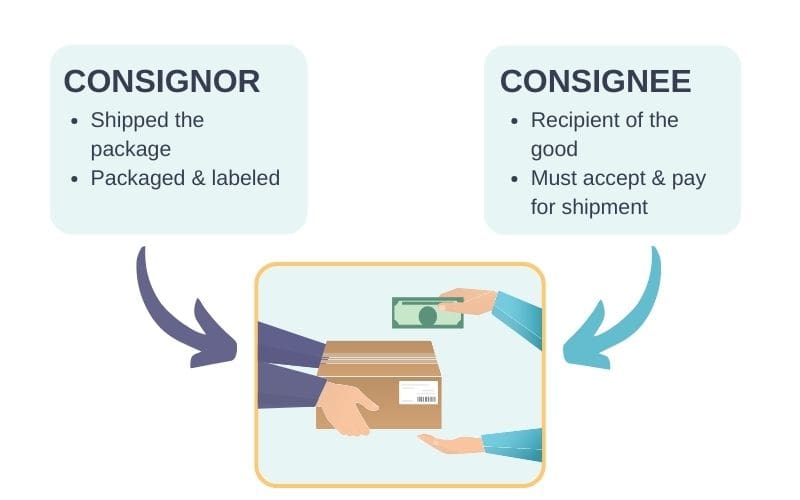
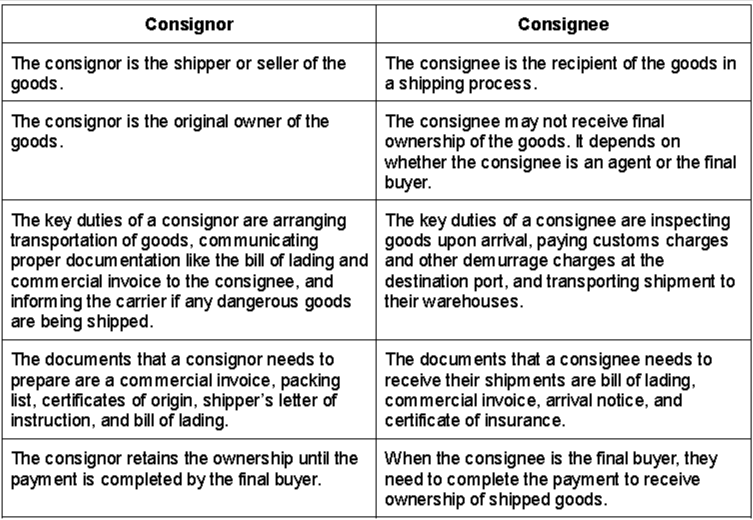
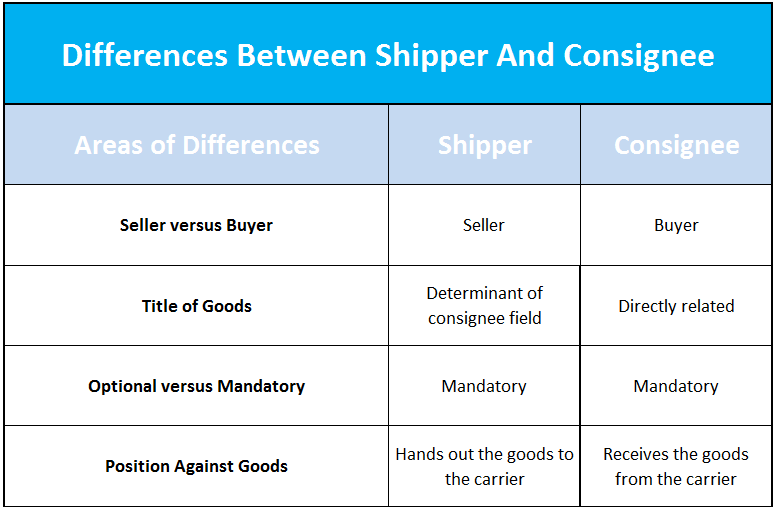
At its core, a consignee is the recipient of a shipment. They are the party to whom goods are officially consigned, meaning they are designated to receive and take possession of the cargo. This definition, however, belies the complexities that can arise in practice. The consignee is not merely a passive receiver; their identity and role are critical for legal, financial, and logistical purposes.
Who is the Consignee on a Bill of Lading?
The most common and legally binding document that specifies the consignee is the Bill of Lading (B/L). This document serves as a contract of carriage between the shipper and the carrier, a receipt for the goods shipped, and often a document of title. On the B/L, the consignee is explicitly named. There are typically three types of consignees identified on a B/L:
- “To Order” Consignee: This is a negotiable B/L where the goods are consigned “to order” of the shipper or another named party. This means the carrier will release the goods only upon presentation of the original B/L, duly endorsed. This is common in international trade where the B/L itself can be traded or used as collateral for financing. The ultimate recipient, or the party authorized to take possession, is determined by the endorsements on the B/L.
- “Straight” Consignee: In this scenario, the B/L names a specific party as the consignee, and the carrier will release the goods directly to that named party without requiring the presentation of the original B/L. This is a non-negotiable document. While simpler, it offers less flexibility for financing or resale in transit.
- “To Order of Shipper” or “To Order of Consignor”: Similar to “to order,” but specifically the shipper retains control until they endorse the document to a specific party or present it for collection.
The accurate identification of the consignee is paramount. Errors can lead to misdelivery, disputes, and significant financial losses. For example, if a company mistakenly lists a branch office as the consignee when the goods are intended for their main distribution center, it can cause delays, storage fees, and the need for costly internal rerouting.
Distinguishing the Consignee from Other Parties
It’s crucial to differentiate the consignee from other commonly confused parties in the shipping process:
- The Shipper (or Consignor): This is the party that sends the goods. They initiate the shipment and hand over the goods to the carrier.
- The Notify Party: This is the party that the carrier will inform when the shipment arrives at its destination. The notify party is often the consignee themselves, or a customs broker, freight forwarder, or a designated agent who will facilitate the customs clearance and final delivery process. The notify party has no legal right to take possession of the goods unless they are also the consignee.
- The Carrier: This is the entity responsible for transporting the goods from the point of origin to the destination (e.g., shipping lines, airlines, trucking companies).
Understanding these distinctions is vital for proper communication, documentation, and ensuring that the goods reach the intended recipient without complications. For businesses involved in international trade, clarity on who the consignee is from the outset prevents costly misunderstandings and logistical nightmares.
The Financial Implications and Responsibilities of a Consignee
The role of the consignee extends beyond simply receiving goods; it carries significant financial responsibilities and implications that directly impact business finance and operations.
Payment Obligations and Customs Duties
The most direct financial responsibility of the consignee often involves payment. Depending on the Incoterms (International Commercial Terms) agreed upon between the buyer and seller, the consignee may be responsible for:
- Payment of the Goods: In many transaction structures, the consignee is the buyer and therefore owes the payment for the goods to the shipper. This payment is often facilitated through various financial instruments.
- Customs Duties and Taxes: Upon arrival at the destination country, the consignee is typically responsible for paying all applicable import duties, taxes (like VAT or GST), and other customs-related fees. This can be a substantial cost and requires careful financial planning.
- Freight Charges: While not always the case, under certain Incoterms (e.g., CIF – Cost, Insurance, Freight), the shipper might pay for freight and insurance, but the cost is factored into the overall price the consignee pays. In other Incoterms (e.g., FOB – Free On Board), the consignee is responsible for arranging and paying for the main carriage.
- Import Clearance Costs: This includes fees for customs brokers, inspection charges, and any other administrative costs associated with clearing the goods through customs.
The financial burden on the consignee can be significant, and proper forecasting and budgeting are essential. Miscalculation or lack of preparedness can lead to goods being held at customs, incurring demurrage (charges for prolonged storage) and detention fees, further escalating costs.
The Consignee as a Key Party in Trade Finance
The consignee’s role is particularly prominent in trade finance. In many international transactions, the Bill of Lading serves as a document of title. This means that the holder of the original, endorsed B/L can claim possession of the goods. This feature makes the B/L a valuable instrument for financial transactions:
- Letters of Credit (LCs): When a buyer (consignee) opens an LC, they authorize their bank to pay the seller (shipper) upon presentation of specific documents, including the B/L. The consignee’s bank essentially guarantees payment, but only after verifying that the goods have been shipped and the B/L is in order. The consignee’s ability to meet the LC’s terms and conditions is critical for the transaction to proceed smoothly.
- Documentary Collections: In this method, the shipper entrusts a bank to collect payment from the consignee against the delivery of shipping documents, including the B/L. The consignee can only obtain these documents and take possession of the goods once they have made the payment or accepted a bill of exchange.
- Financing Against Documents: The B/L can be used as collateral for financing. If the consignee requires working capital to pay for the imported goods, they might be able to obtain a loan from their bank by presenting the B/L as security.
The financial health and creditworthiness of the consignee are therefore critical factors for shippers and financial institutions involved in international trade. A reliable consignee provides confidence in the secure and timely settlement of financial obligations.
Operational and Logistical Significance for the Consignee
Beyond the financial aspects, the consignee holds significant operational and logistical responsibilities that directly impact the efficiency and success of the supply chain.
Receiving and Taking Possession of Goods
The primary operational role of the consignee is to receive the shipment and take possession of the goods. This involves:
- Arranging for Pickup/Delivery: Depending on the Incoterms, the consignee might be responsible for arranging the final leg of transportation from the port, airport, or terminal to their warehouse or facility.
- Inspection and Verification: Upon receipt, the consignee has the right and responsibility to inspect the goods. This includes checking for damage, verifying the quantity against the shipping documents, and ensuring that the goods conform to the order specifications. This is a crucial step for identifying any discrepancies or damages that may need to be claimed from the carrier or insurer.
- Discharging Liabilities: Once the goods are received and accepted, the consignee assumes responsibility for them. This includes storage, further handling, and the subsequent sale or use of the goods.
A well-organized consignee with efficient receiving processes can minimize delays, reduce handling costs, and ensure that inventory management systems are updated promptly. Conversely, a disorganized consignee can lead to backlogs, stockouts, or an inability to fulfill customer orders.
Navigating Customs and Regulatory Compliance
For international shipments, the consignee plays a pivotal role in navigating the complex landscape of customs and regulatory compliance.
- Providing Necessary Documentation: The consignee (or their appointed agent, like a customs broker) is responsible for providing all necessary documentation to customs authorities. This includes import declarations, commercial invoices, packing lists, certificates of origin, and any other permits or licenses required for the specific type of goods.
- Ensuring Compliance with Regulations: This involves understanding and adhering to all import regulations, product standards, labeling requirements, and any other legal stipulations in the destination country. Failure to comply can result in delays, fines, seizure of goods, or even outright prohibition from importing certain items.
- Working with Customs Brokers and Freight Forwarders: Often, consignees will engage the services of professional customs brokers and freight forwarders to manage the complexities of import clearance and logistics. The consignee must provide clear instructions and all necessary information to these agents to ensure a smooth process.
The consignee’s proactive approach to customs and regulatory matters is essential for timely clearance and avoiding costly disruptions. It underscores the importance of staying informed about evolving trade policies and import requirements.
The Strategic Importance of the Consignee in Business Development
Beyond the immediate transactional and operational aspects, the consignee’s role holds broader strategic importance, influencing business development and market positioning.
Building and Maintaining Supplier Relationships
The consistent and reliable performance of a consignee directly impacts their relationships with suppliers. A consignee who promptly pays for goods, handles shipments efficiently, and communicates effectively fosters trust and strengthens these partnerships.
- Improved Terms and Conditions: Strong relationships can lead to more favorable payment terms, better pricing, and preferential treatment from suppliers.
- Access to New Products and Markets: Suppliers are more likely to offer new product lines or grant access to new markets to reliable and valuable consignees.
- Reduced Risk for Suppliers: A well-established consignee reduces the perceived risk for suppliers, making them more willing to engage in new business ventures or larger orders.
Conversely, a consignee with a history of payment delays, disputes, or logistical issues can damage their reputation and make it difficult to secure future business.
Impact on Supply Chain Resilience and Efficiency
The consignee is an integral link in the global supply chain. Their capabilities and performance directly influence the overall resilience and efficiency of this chain.
- Demand Forecasting and Inventory Management: An effective consignee utilizes accurate demand forecasting and robust inventory management systems. This ensures that goods are available when needed, minimizing stockouts and overstocking, which can lead to lost sales or increased holding costs.
- Responsiveness to Market Changes: A consignee’s ability to receive, process, and distribute goods efficiently allows businesses to respond more quickly to changing market demands, competitor actions, or unforeseen disruptions in the supply chain.
- Customer Satisfaction: Ultimately, the consignee’s actions impact the end customer. Timely and accurate delivery of goods directly contributes to customer satisfaction, which is a cornerstone of long-term business success.
In essence, the consignee’s role is far more than just a destination for goods. They are an active participant in the financial, logistical, and strategic fabric of global trade. Understanding and optimizing this role is crucial for businesses aiming to thrive in an increasingly interconnected and competitive marketplace.
aViewFromTheCave is a participant in the Amazon Services LLC Associates Program, an affiliate advertising program designed to provide a means for sites to earn advertising fees by advertising and linking to Amazon.com. Amazon, the Amazon logo, AmazonSupply, and the AmazonSupply logo are trademarks of Amazon.com, Inc. or its affiliates. As an Amazon Associate we earn affiliate commissions from qualifying purchases.