
The term “working class” has evolved significantly over time, moving from its historical roots tied primarily to manual labor and industrial production to a more nuanced contemporary understanding deeply intertwined with economic realities, income levels, and financial stability. In the context of personal finance, understanding what constitutes the working class is crucial for examining economic mobility, wealth distribution, and the financial challenges and opportunities faced by a significant portion of the population. It’s less about social stratification in a purely sociological sense and more about the practical financial circumstances that define daily life, budgeting, and long-term financial planning.
Historically, the working class was often synonymous with blue-collar workers – those engaged in physically demanding jobs in manufacturing, agriculture, and construction. Their income was typically hourly wages, and their economic security was often contingent on consistent employment in these sectors. The industrial revolution cemented this definition, creating a distinct economic segment whose livelihood depended on their labor for a wage, often with limited ownership of capital or means of production. While these traditional roles still exist, the modern economic landscape has broadened the definition considerably, incorporating many service sector roles, administrative positions, and even some white-collar jobs that share similar financial characteristics.
Today, when we discuss the working class from a financial perspective, we are often examining individuals and households whose income primarily derives from wages and salaries rather than significant capital gains, investments, or business profits. Their financial health is closely tied to their earned income, and they often navigate a delicate balance between expenses, debt, and the aspiration for financial security. This financial lens helps us understand the distinct economic pressures and opportunities that shape their personal finance decisions, from budgeting for essentials to saving for retirement.
Defining Working Class Through a Financial Lens
To understand the working class in a modern financial context, one must move beyond simplistic occupational labels and delve into the economic indicators that truly define financial stability and opportunity. This includes a critical look at income thresholds, household disposable income, and the inherent financial vulnerabilities that often characterize this demographic.
Income Thresholds and Variability
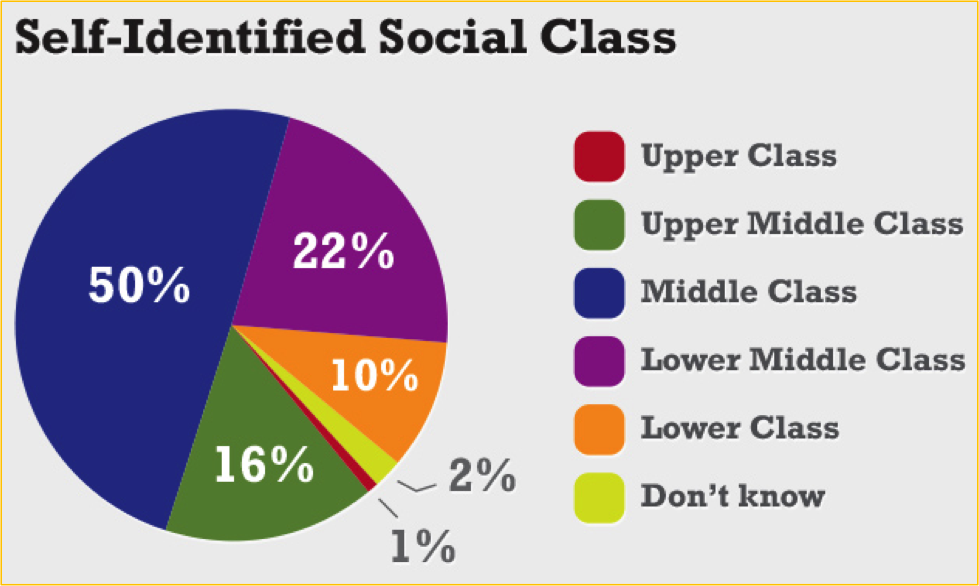
Unlike the fixed income bands that define poverty lines or certain governmental assistance programs, there isn’t a universally accepted, rigid income threshold for the “working class.” Its definition is highly fluid, varying significantly by geographical location, cost of living, and household size. What might be considered a middle-class income in a low-cost rural area could easily place a family in the working class, or even near poverty, in a major metropolitan hub like New York City or San Francisco.
However, financial economists and think tanks often attempt to quantify this group. Generally, the working class tends to fall within the lower to middle-income brackets, often earning above the poverty line but below what is typically considered middle-class in their respective regions. For instance, some analyses might define the working class as households earning between 200% and 400% of the federal poverty level, or perhaps those whose income places them in the bottom two-thirds of the income distribution. Others might simply categorize it as individuals and families who rely primarily on wages and salaries to meet their daily needs, with little to no surplus for significant discretionary spending or investment. The key is that their income is sufficient for basic needs but often leaves little room for substantial savings or wealth accumulation.
Moreover, the variability extends to the stability of that income. Many working-class households rely on hourly wages, which can fluctuate due to changes in work hours, seasonal demand, or economic downturns. This lack of predictable income can make budgeting and long-term financial planning particularly challenging, distinguishing them from salaried professionals who often enjoy more stable and predictable paychecks.
Occupational Characteristics and Financial Stability
While not exclusively defined by occupation, certain job categories disproportionately represent the working class due to their typical pay scales and benefits structures. These often include:
- Service Sector Roles: Retail associates, food service workers, hotel staff, administrative assistants, customer service representatives.
- Trades and Skilled Labor: Electricians, plumbers, carpenters, mechanics, construction workers (though highly skilled trades can often ascend into higher income brackets).
- Logistics and Transportation: Truck drivers, warehouse workers, delivery personnel.
- Healthcare Support: Certified nursing assistants, medical assistants, home health aides.
What binds many of these occupations, from a financial perspective, is often the hourly wage structure, limited access to robust benefits (like comprehensive health insurance or defined-benefit pensions), and less upward mobility within a single company or industry without significant further education or specialized training. Their financial stability is often directly tied to their ability to work consistently and avoid disruptions due to illness, injury, or economic shifts. For many, their primary asset is their capacity to labor, making illness, job loss, or automation significant financial threats.
The Financial Realities of Working Class Households
The financial landscape for working-class households is characterized by a specific set of challenges and priorities. Their financial decisions are often driven by immediate needs and short-term survival rather than long-term wealth accumulation strategies, not due to a lack of ambition, but due to practical constraints on disposable income and emergency reserves.

Navigating Debt and Building Savings
One of the most defining financial realities for working-class individuals is the precarious balance between managing debt and attempting to build savings. With incomes often stretched thin by essential expenses, accumulating significant savings can be an uphill battle.
- Consumer Debt: Credit card debt is a common challenge, often used to bridge gaps between paychecks, cover unexpected expenses, or manage fluctuating income. High-interest rates on this debt can quickly erode any potential for savings.
- Student Loan Debt: Even as the cost of higher education continues to rise, many working-class individuals pursue college degrees or vocational training to improve their economic standing. However, the resulting student loan debt can become a substantial burden, impacting their ability to save for a down payment on a home, start a family, or build an emergency fund.
- Mortgage Debt vs. Rent: Homeownership, a traditional cornerstone of wealth accumulation, can be elusive for many working-class families. High housing costs, coupled with stagnant wages, make saving for a down payment difficult. Consequently, a higher proportion of working-class households remain renters, foregoing the equity-building benefits of homeownership. For those who do become homeowners, the mortgage payment often represents a significant portion of their monthly income, leaving little flexibility.
- Emergency Savings: Financial experts recommend having 3-6 months of living expenses saved for emergencies. For many working-class households, this target is exceptionally difficult to meet. Unexpected car repairs, medical bills, or a period of unemployment can quickly deplete meager savings and force reliance on high-interest debt, creating a vicious cycle.
The Impact of Cost of Living and Inflation
The purchasing power of working-class incomes is disproportionately affected by the rising cost of living and inflation. Essential goods and services, which consume a larger percentage of their budget, tend to be the most vulnerable to price increases.
- Housing Costs: As mentioned, housing is often the single largest expense. Rent increases or rising property taxes can quickly strain an already tight budget, forcing difficult choices between housing and other necessities.
- Food and Utilities: The cost of groceries and utility bills (electricity, heating, water) directly impacts disposable income. When these prices rise, there is less money available for other needs or savings.
- Transportation: For many working-class jobs, reliable transportation is essential. Rising gas prices, car maintenance, and insurance costs can significantly impact their financial stability, especially in areas with limited public transit options.
- Healthcare: Even with employer-provided insurance, out-of-pocket expenses, deductibles, and co-pays can be substantial. For those without adequate insurance, a single serious illness or injury can lead to catastrophic financial ruin.
- Education and Childcare: The cost of quality childcare and educational opportunities for children places an immense burden on working-class families, often forcing them to choose between one parent working or paying exorbitant fees for care.
These compounding factors mean that even small inflationary pressures or minor unexpected expenses can push working-class families from managing to struggling, highlighting their inherent financial fragility.
Strategies for Financial Resilience
Despite the significant challenges, many working-class individuals and families actively pursue strategies to build financial resilience, manage their resources effectively, and strive for greater economic security. These strategies often focus on meticulous budgeting, proactive debt management, and incremental asset building.
Budgeting and Debt Management
Effective budgeting is paramount for working-class households to ensure that every dollar is accounted for and allocated wisely. This isn’t about luxury; it’s about survival and stability.
- Zero-Based Budgeting: This method, where every dollar of income is assigned a purpose (expense, saving, debt repayment), can be particularly effective. It helps prevent accidental overspending and ensures that funds are prioritized for necessities before discretionary items.
- Tracking Expenses: Diligently tracking where money goes through apps, spreadsheets, or even pen and paper helps identify unnecessary spending and areas where cuts can be made. This awareness is the first step towards control.
- Emergency Fund First: Prioritizing even small, consistent contributions to an emergency fund (e.g., $10-$20 per paycheck) is crucial. Building even a small buffer ($500-$1000) can prevent reliance on high-interest loans when unexpected expenses arise.
- Aggressive Debt Repayment: Focusing on high-interest debt first (like credit cards) using methods like the “debt snowball” or “debt avalanche” can free up significant portions of income over time. Consolidating high-interest debt into lower-interest personal loans can also offer relief, provided the terms are favorable.
- Negotiating Bills: Proactively calling utility providers, insurance companies, or even landlords to negotiate rates or payment plans can yield tangible savings.

Building Assets and Future Planning
While large-scale investing might seem out of reach, building assets incrementally and planning for the future is still a critical component of financial resilience.
- Workplace Retirement Plans: Participating in employer-sponsored retirement plans like a 401(k) or 403(b) is incredibly important, especially if there’s an employer match. Even small contributions can grow significantly over decades due to compound interest. For those without employer plans, Roth IRAs or traditional IRAs offer tax-advantaged savings options.
- Skill Development and Education: Investing in oneself through vocational training, certifications, or further education can lead to higher-paying jobs and increased earning potential. Many community colleges and online platforms offer affordable pathways to acquire new skills.
- Side Hustles and Online Income: Exploring opportunities for online income or side hustles can provide additional revenue streams, helping to boost savings, pay down debt faster, or contribute to retirement accounts. This might involve freelancing, gig work, or selling goods online.
- Leveraging Community Resources: Many communities offer financial literacy programs, credit counseling services, and support for first-time homebuyers or small business development. Utilizing these resources can provide valuable guidance and access to opportunities.
- Affordable Housing and Transportation: Making strategic choices about where to live and how to commute can significantly impact a household’s financial health. Exploring public transportation, carpooling, or living in more affordable areas (even if it means a longer commute) can free up substantial funds.
Understanding “what is considered working class” from a financial standpoint reveals a complex interplay of income, expenses, and strategic financial management. It highlights the ingenuity and resilience required to navigate economic challenges and build a foundation for future prosperity, often against a backdrop of limited resources and significant financial pressures.
aViewFromTheCave is a participant in the Amazon Services LLC Associates Program, an affiliate advertising program designed to provide a means for sites to earn advertising fees by advertising and linking to Amazon.com. Amazon, the Amazon logo, AmazonSupply, and the AmazonSupply logo are trademarks of Amazon.com, Inc. or its affiliates. As an Amazon Associate we earn affiliate commissions from qualifying purchases.