
In the intricate world of automotive engineering and technology, understanding the fundamental components of a vehicle is paramount. While the tread of a tire, the part that directly interfaces with the road, often receives the most attention, the sidewall plays an equally critical, albeit often overlooked, role in a tire’s performance, safety, and technological integration. Far from being a mere cosmetic feature, the sidewall is a complex technological element, a canvas for crucial information, and a key determinant of a tire’s overall behavior and the data it can transmit.
The Technological Foundation of the Sidewall
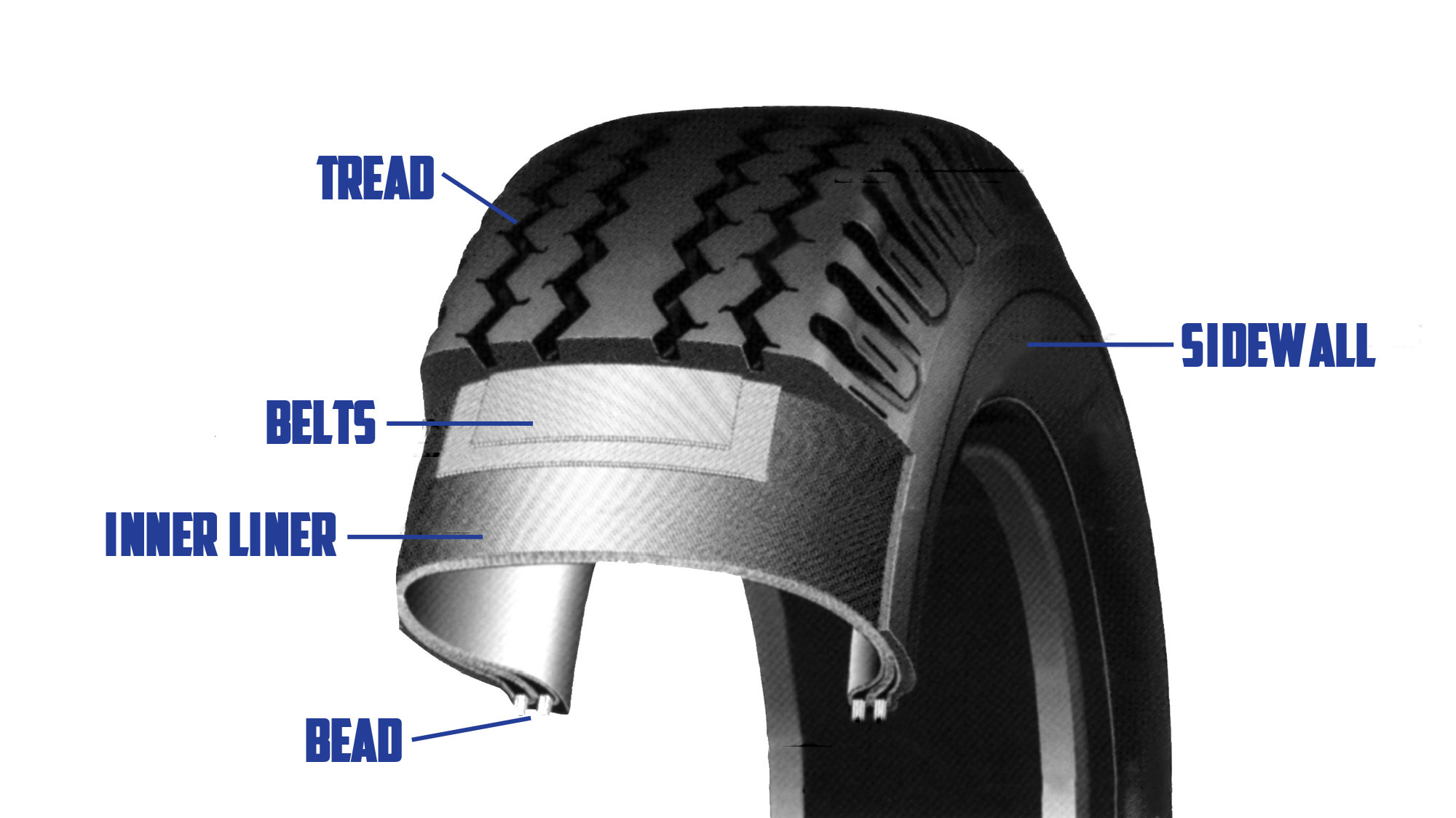
The sidewall of a tire is a marvel of material science and engineering. It’s a meticulously designed structure that dictates a tire’s flexibility, load-bearing capacity, and responsiveness to dynamic forces. Modern tire sidewalls are not just passive rubber components; they are engineered with sophisticated layers of rubber compounds, reinforcing cords, and internal structures that work in concert to achieve optimal performance and safety.

Material Composition and Reinforcement
The primary material of a tire sidewall is, of course, rubber. However, this is not a simple blend. Tire manufacturers employ proprietary rubber compounds, often incorporating synthetic rubbers like styrene-butadiene rubber (SBR) and polybutadiene rubber, blended with natural rubber. These compounds are precisely formulated to achieve a balance of durability, flexibility, ozone resistance, and heat dissipation. The specific composition can vary significantly based on the tire’s intended application, from high-performance sports tires to rugged off-road tires.
Crucially, the rubber is reinforced with layers of cords. These are typically made from materials like polyester, nylon, rayon, or steel. These cords, often referred to as plies, are embedded within the rubber matrix and run radially or circumferentially, depending on the tire construction (radial being the dominant technology today). The number and type of plies are a critical design element. They provide the structural integrity that allows the tire to withstand the immense forces it encounters during acceleration, braking, cornering, and under varying loads. The arrangement and tension of these cords are meticulously calculated to provide the desired stiffness and flexibility, influencing ride comfort, handling, and fuel efficiency. For instance, a higher number of plies or a stronger cord material might increase load capacity but could also lead to a harsher ride. Conversely, a more flexible sidewall can improve grip on uneven surfaces but might compromise steering precision.
Structural Design and Its Impact on Performance
Beyond the materials, the very shape and structure of the sidewall are engineered for specific performance characteristics. The curvature, thickness, and the way it transitions from the bead to the tread are all carefully considered. This design influences how the tire flexes under load. When a vehicle turns, the outer sidewall compresses, and the inner sidewall stretches. This flexing is essential for generating lateral grip, allowing the vehicle to change direction. The degree and manner of this flex are directly controlled by the sidewall’s construction. A stiffer sidewall will provide more direct steering response but might be less forgiving over bumps. A more compliant sidewall will absorb road imperfections better, leading to a more comfortable ride, but might feel less precise at high speeds or during aggressive cornering.
Furthermore, the sidewall’s design contributes to a tire’s ability to dissipate heat. During operation, friction and internal flexing generate heat. Excessive heat can degrade rubber compounds, leading to premature wear and even catastrophic failure. The sidewall’s structure, including its thickness and the arrangement of reinforcing cords, is designed to help radiate this heat away from the tire’s core, particularly from critical areas like the bead, which is in constant contact with the wheel rim. This heat management is a vital aspect of tire safety and longevity.
The Role of Technology in Sidewall Evolution
The evolution of tire technology has profoundly impacted the design and functionality of the sidewall. Modern tires are increasingly becoming sophisticated data conduits, and the sidewall is a key location for integrating this technology.
The Sidewall as an Information Hub and Indicator
The sidewall of a tire is a veritable encyclopedia, inscribed with a wealth of information that is vital for vehicle owners, mechanics, and even advanced vehicle systems. Beyond mere identification, these markings represent standardized technological specifications and safety indicators that have evolved over time.
Decoding the Markings: A Technological Rosetta Stone
Every tire sidewall is adorned with a series of alphanumeric characters and symbols, each carrying specific meaning. This standardized system, often governed by international regulations like the ETRTO (European Tyre and Rim Technical Organisation) or the DOT (Department of Transportation) in the US, allows for universal understanding of a tire’s characteristics and pedigree.
Size Designation: The Blueprint for Fitment

One of the most prominent markings is the tire’s size designation, typically presented in a format like P205/55R16 91V.
- P (or other prefix): This indicates the tire’s intended service type. ‘P’ stands for passenger car. Other prefixes might denote light truck (‘LT’), special trailer (‘ST’), or temporary spare (‘T’). This prefix informs about the tire’s load-carrying capacity and construction intended for specific vehicle applications.
- 205: This is the tire’s width in millimeters, measured from sidewall to sidewall at its widest point. This dimension is crucial for determining tire fitment and ensuring it’s compatible with the vehicle’s wheel and suspension geometry.
- 55: This is the aspect ratio, expressed as a percentage of the tire’s width. In this case, the sidewall’s height is 55% of its width (205 mm). A lower aspect ratio generally signifies a shorter sidewall, which can lead to more responsive handling and a sportier feel, but potentially a less comfortable ride.
- R: This indicates the tire’s construction type. ‘R’ stands for radial, the most common type where the plies run radially across the tire from bead to bead. Other older constructions include ‘B’ for bias-ply, though these are rarely found on modern passenger vehicles.
- 16: This is the diameter of the wheel rim in inches. This must match the wheel’s diameter precisely for the tire to fit.
- 91: This is the load index, a numerical code that corresponds to the maximum load (weight) each tire can support. A higher load index means the tire can carry more weight. This is a critical safety specification, and using tires with a load index below the vehicle manufacturer’s recommendation is dangerous.
- V: This is the speed rating, a letter code that indicates the maximum speed at which the tire can safely carry its rated load. ‘V’ typically corresponds to speeds up to 149 mph (240 km/h). Higher speed ratings often indicate a tire designed for performance driving.
Manufacturing and Safety Information: Ensuring Compliance and Traceability
Beyond size, the sidewall contains other vital pieces of information:
- DOT Code: The Department of Transportation (DOT) code is a serial number that identifies the tire manufacturer, the plant where it was made, and the week and year of manufacture. The last four digits of the DOT code represent the manufacturing date (e.g., ‘3521’ means the tire was made in the 35th week of 2021). This information is crucial for tracking tire age, as rubber degrades over time, impacting safety.
- Treadwear, Traction, and Temperature Ratings: In North America, tires are often graded by the Uniform Tire Quality Grading (UTQG) system, which includes Treadwear, Traction, and Temperature ratings.
- Treadwear: A comparative number indicating the tire’s expected lifespan relative to a standard tire. A higher number suggests a longer-lasting tread.
- Traction: Graded as AA, A, B, or C, this rating indicates the tire’s straight-line wet braking traction. ‘AA’ is the highest rating.
- Temperature: Graded as A, B, or C, this rating indicates the tire’s resistance to heat buildup. ‘A’ is the highest rating.
- Maximum Inflation Pressure: This indicates the maximum air pressure the tire can safely hold. It’s important to note that this is not the recommended operating pressure for your vehicle, which is usually found on a sticker in the driver’s side doorjamb or in the owner’s manual.
Visual Indicators: Early Warnings and Condition Assessment
The sidewall also serves as a visual indicator of a tire’s condition and potential issues, providing early warnings for proactive maintenance.
Wear Indicators and Ageing Signs
While tread wear indicators are primarily in the tread grooves, subtle signs of aging and stress can manifest on the sidewall. Cracking, known as ozone cracking or dry rot, is a common indicator of the rubber degrading due to exposure to UV light and ozone. The presence of such cracks, even small ones, signifies that the tire’s structural integrity is compromised, and it may be time for replacement, regardless of tread depth. Similarly, bulges or blisters on the sidewall indicate internal structural damage, often a result of impacts, and necessitate immediate tire replacement due to the risk of sudden failure.
Mismatched Sidewalls and Tire Performance
In some niche applications or during repairs, you might encounter situations where different tires are fitted to the same axle. While often discouraged and sometimes illegal, understanding the sidewall markings is crucial for assessing the implications. Mismatched tires, even if of the same size designation, can have different construction, load capacities, or speed ratings. This can lead to uneven tire wear, compromised handling, and a significantly reduced safety margin, particularly in emergency braking or cornering situations. The technological specifications detailed on the sidewall are paramount for ensuring that all tires on a vehicle, especially those on the same axle, are as uniform as possible to maintain predictable performance and safety.
The Future: Smart Sidewalls and Integrated Technology
The evolution of the tire sidewall is far from over. As automotive technology advances, particularly in the realms of autonomous driving, electric vehicles, and connected car systems, the sidewall is poised to become an even more critical technological component.
Embedded Sensors and Data Transmission
The most exciting frontier for tire sidewalls lies in the integration of embedded sensors. These tiny, resilient devices, designed to withstand the harsh environment of a tire, can monitor a multitude of parameters in real-time. This includes tire pressure (TPMS – Tire Pressure Monitoring System, which is already standard in many regions but is evolving), tire temperature, tread depth, and even the internal stress and strain on the tire structure.
These sensors can transmit data wirelessly to the vehicle’s onboard computer or directly to a smartphone app. This enables a new level of proactive maintenance and performance optimization. For instance, a system could alert the driver not just to low tire pressure but also to uneven wear patterns developing, suggesting a need for tire rotation. It could also monitor tire health in relation to driving conditions, providing recommendations for optimal inflation or even predicting potential failures before they become critical.
The Role in Electric Vehicles and Autonomous Systems
The integration of smart tire technology is particularly pertinent for electric vehicles (EVs) and the advent of autonomous driving. EVs, with their instantaneous torque and often heavier battery packs, place unique demands on tires. Sidewall sensors can help optimize tire pressure and wear to maximize range and efficiency. Furthermore, for autonomous vehicles, precise knowledge of tire condition and performance is non-negotiable for safe navigation. The ability for a vehicle to understand the exact grip level and handling characteristics of its tires in real-time, directly from the sidewall, is a fundamental requirement for advanced driver-assistance systems (ADAS) and fully autonomous operation. The sidewall, therefore, is transitioning from a passive information carrier to an active participant in the vehicle’s technological ecosystem.
Material Innovation and Dynamic Performance Enhancement
Beyond sensors, ongoing material science research is leading to innovative sidewall designs and compounds. Manufacturers are exploring materials that can dynamically adjust their stiffness or grip characteristics based on driving conditions. Imagine a sidewall that can become stiffer for high-speed highway driving and more compliant for off-road excursions, all controlled electronically or through passive material responses. Such advancements, directly engineered into the sidewall, would represent a significant leap in tire adaptability and performance, further blurring the lines between a simple rubber component and a sophisticated piece of automotive technology. The sidewall is no longer just a passive protector; it’s becoming an active, intelligent contributor to the overall driving experience, deeply intertwined with the technological advancements of the vehicles it serves.
aViewFromTheCave is a participant in the Amazon Services LLC Associates Program, an affiliate advertising program designed to provide a means for sites to earn advertising fees by advertising and linking to Amazon.com. Amazon, the Amazon logo, AmazonSupply, and the AmazonSupply logo are trademarks of Amazon.com, Inc. or its affiliates. As an Amazon Associate we earn affiliate commissions from qualifying purchases.