
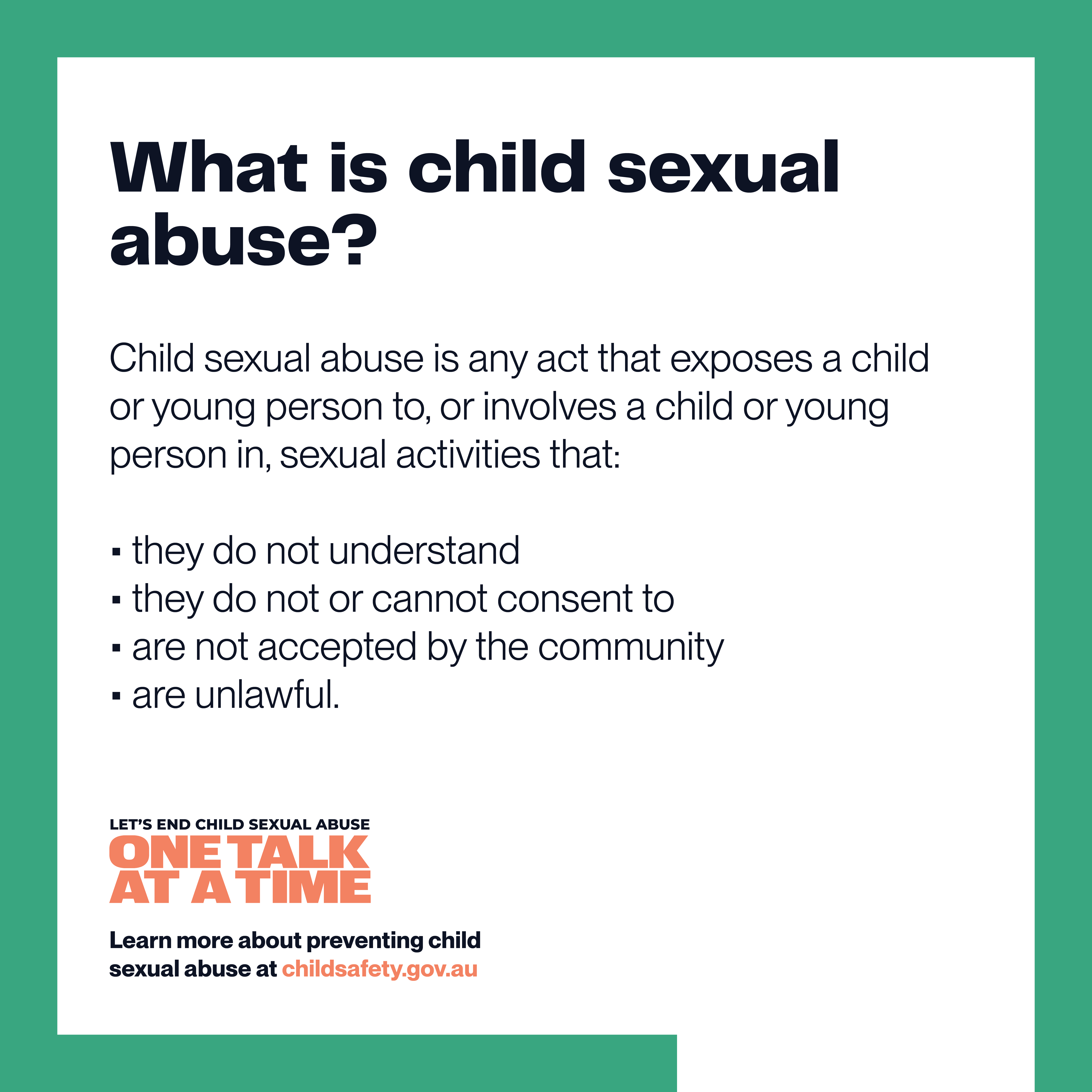
The digital age has fundamentally reshaped how individuals interact, access information, and build communities. While offering unprecedented connectivity and innovation, it has also introduced new vectors and complexities to societal challenges, including the pervasive issue of sexual abuse. Understanding “what is considered sexual abuse” in this evolving landscape requires a keen awareness of how technology can facilitate, disseminate, and, conversely, combat such harmful acts. From non-consensual sharing of digital content to sophisticated online grooming tactics, the definition expands beyond traditional physical boundaries, demanding a technologically informed perspective for prevention, identification, and intervention.
The Evolving Landscape of Digital Harm and Online Exploitation
The core tenets of sexual abuse – lack of consent, exploitation, and violation of autonomy – remain constant. However, the methods and environments in which these abuses occur have significantly broadened with the proliferation of digital platforms and devices. The internet provides both anonymity and widespread reach, enabling new forms of exploitation that leverage digital tools and infrastructures. Recognizing these manifestations is critical for robust digital security and safety protocols.
Non-Consensual Sharing of Intimate Imagery (NCII)
One of the most widely recognized forms of digital sexual abuse is the non-consensual sharing of intimate imagery (NCII), often referred to as “revenge porn.” This involves the distribution of sexually explicit photos or videos of an individual without their consent, typically by a former partner or acquaintance. From a technological standpoint, the ease of capturing, storing, and disseminating digital media through social media, messaging apps, and file-sharing platforms makes NCII a prevalent and devastating issue. Perpetrators often exploit the viral nature of online content, causing immediate and irreparable damage to victims’ reputations, psychological well-being, and even professional lives. The abuse lies not just in the initial act of taking the image, but crucially in its unauthorized and malicious distribution, which can persist indefinitely online. Digital security measures, such as strong privacy settings and awareness of data sharing, become paramount in mitigating the risk, though the ultimate responsibility lies with the perpetrator.
Cyberstalking and Online Harassment
Sexual abuse can also manifest through persistent, unwanted digital communication and monitoring, constituting cyberstalking and online harassment. This often involves a pattern of threatening messages, doxxing (publishing private information online), impersonation, or persistent surveillance of a victim’s online activity. Technological features like location tracking through apps, unauthorized access to personal accounts, or the creation of multiple fake profiles to maintain contact can be weaponized. When this harassment takes on a sexual dimension – involving explicit threats, unwanted sexual advances, or the dissemination of sexually suggestive content about the victim – it crosses into the realm of sexual abuse. The digital nature of these acts often makes them harder to trace and stop, as perpetrators can hide behind proxies, VPNs, and encrypted communications, presenting significant challenges for digital forensics and law enforcement.
Online Grooming and Child Sexual Abuse Material (CSAM)
Perhaps the most insidious form of digital sexual abuse is online grooming, which leverages internet platforms to establish relationships with minors for exploitative purposes. Perpetrators, often posing as peers or trusted adults, use chat rooms, gaming platforms, social media, and direct messaging to build rapport, gain trust, and eventually manipulate children into sending explicit images (child sexual abuse material, or CSAM) or meeting in person for sexual exploitation. The technological aspects here are multifaceted: the algorithms that connect users, the anonymity offered by certain platforms, the ease of sharing media, and the encryption that can hinder detection. The creation, distribution, and possession of CSAM are severe criminal offenses, and technology plays a dual role: as a conduit for this abuse and as a critical tool for its detection and eradication through sophisticated scanning, AI analysis, and inter-platform cooperation.
Leveraging Technology for Prevention and Protection
Recognizing the technical dimensions of digital sexual abuse is the first step; the next is to understand how technology can be harnessed to prevent it and protect vulnerable individuals. A multi-layered approach combining robust digital security, advanced analytical tools, and accessible support mechanisms is essential.
Digital Security Best Practices
Individual users play a crucial role in prevention through diligent application of digital security best practices. This includes employing strong, unique passwords for all accounts, enabling two-factor authentication (2FA) wherever possible, and regularly reviewing and tightening privacy settings on social media and other platforms. Understanding phishing attempts, malware, and other social engineering tactics is vital, as these are often used by perpetrators to gain unauthorized access to personal data and intimate content. Educating users on the risks associated with public Wi-Fi, the dangers of oversharing personal information, and the importance of thinking before clicking or sharing is a foundational layer of defense against digital exploitation.
Content Moderation and AI Detection
Technology companies are increasingly deploying sophisticated tools, particularly Artificial Intelligence (AI) and machine learning algorithms, for content moderation to identify and remove abusive material. These AI systems are trained to detect patterns, keywords, images, and videos associated with CSAM, NCII, and other forms of harmful content. They work in conjunction with human moderators who review flagged material and make nuanced decisions. While AI offers scalability, it also presents challenges, such as the potential for false positives, algorithmic bias, and the difficulty of interpreting context. Nevertheless, advancements in computer vision and natural language processing are making these tools more effective in swiftly identifying and taking down abusive content, thereby limiting its spread and impact.
Reporting Mechanisms and Forensic Tools

Effective reporting mechanisms are crucial for combating digital sexual abuse. Tech platforms are improving their in-app reporting tools, making it easier for users to flag suspicious activity, harassment, or explicit content. These reports often trigger automated reviews and, if warranted, human intervention, leading to content removal, account suspension, or referral to law enforcement. On the investigative front, digital forensics plays a pivotal role. Specialized software and techniques allow law enforcement and forensic experts to recover deleted data, trace IP addresses, analyze metadata, and map digital networks of perpetrators. These tools are indispensable for gathering evidence, identifying offenders, and building prosecutable cases in the complex landscape of cybercrime.
The Role of Apps and Software in Support and Recovery
Beyond prevention and detection, technology also offers powerful avenues for supporting survivors and facilitating recovery. A range of applications and software tools are being developed to provide immediate safety, secure communication, and educational resources.
Safety Apps and Emergency Tools
Personal safety apps are designed to provide immediate assistance in distress. Many feature discreet panic buttons that alert trusted contacts or emergency services with the user’s location. Others offer “follow me” features, allowing friends or family to track a user’s journey for peace of mind. Specific apps are also being developed to assist survivors of sexual abuse, offering discreet ways to document incidents, access support hotlines, or connect with legal aid without compromising their safety or privacy. These tools leverage GPS, secure messaging, and data encryption to empower individuals in vulnerable situations.
Secure Communication Platforms
For survivors seeking support, legal counsel, or therapeutic services, secure communication platforms are vital. End-to-end encrypted messaging applications and secure video conferencing tools ensure that sensitive conversations remain private and protected from potential interception by perpetrators or unauthorized parties. These platforms allow survivors to communicate openly with trusted professionals and support networks, providing a critical lifeline without the fear of further violation of their privacy. The underlying cryptographic technologies offer a foundational layer of trust and confidentiality, which is paramount in such delicate contexts.
Digital Literacy and Empowerment
Perhaps one of the most proactive roles of technology in support and recovery is through digital literacy and empowerment programs. Educational software and online platforms provide comprehensive resources to teach individuals, especially younger demographics, about online consent, digital privacy, recognizing grooming behaviors, and knowing how to report abuse. Interactive modules, gamified learning, and accessible information help build resilience, critical thinking skills, and a proactive approach to online safety. By understanding the technological risks and how to navigate them safely, individuals are better equipped to protect themselves and seek help if abuse occurs.
Challenges and Ethical Considerations in Tech’s Response
While technology offers significant solutions, its integration into combating sexual abuse presents complex challenges and ethical dilemmas that demand careful consideration.
Balancing Privacy and Safety
A fundamental tension exists between protecting user privacy and ensuring safety online. Encryption, while crucial for secure communication and privacy, can also be exploited by perpetrators to conceal their activities, making detection and investigation more difficult for law enforcement. Platforms face the constant challenge of implementing safeguards against abuse without infringing on the legitimate privacy rights of their users. Developing technologies that can identify harmful content without compromising end-to-end encryption (e.g., through client-side scanning) is an ongoing area of research and ethical debate, balancing the imperative to protect children with concerns about mass surveillance and potential misuse of such tools.
Algorithmic Bias and Misinformation
AI-driven content moderation systems, while powerful, are susceptible to algorithmic bias. If trained on skewed data, they may disproportionately flag certain communities or fail to detect abuse targeting specific groups. Moreover, the internet’s structure allows for rapid dissemination of misinformation and harmful narratives, which can include victim-blaming or the normalization of abusive behaviors. Combatting this requires not only more sophisticated AI but also continuous human oversight, diverse moderation teams, and transparent policies to address bias and prevent the spread of harmful ideologies that perpetuate sexual abuse.

Global Jurisdictional Complexities
Digital sexual abuse often transcends national borders. A perpetrator might be in one country, the victim in another, and the servers hosting abusive content in a third. This global nature creates significant jurisdictional complexities for law enforcement and legal frameworks. Different countries have varying laws regarding digital evidence, data retention, and prosecution. Technology companies, operating globally, must navigate a patchwork of regulations, making consistent and effective enforcement challenging. International cooperation, standardized protocols for data sharing, and harmonized legal frameworks are crucial for effectively prosecuting cross-border digital sexual abuse and bringing perpetrators to justice.
aViewFromTheCave is a participant in the Amazon Services LLC Associates Program, an affiliate advertising program designed to provide a means for sites to earn advertising fees by advertising and linking to Amazon.com. Amazon, the Amazon logo, AmazonSupply, and the AmazonSupply logo are trademarks of Amazon.com, Inc. or its affiliates. As an Amazon Associate we earn affiliate commissions from qualifying purchases.