
Medical malpractice is a complex intersection of professional liability, legal standards, and financial consequence. While many patients associate the term simply with a “bad outcome,” the legal and financial reality is far more nuanced. From a business and risk management perspective, medical malpractice represents a significant financial liability that governs the operations of healthcare institutions and the individual assets of practitioners. Understanding what constitutes malpractice is essential for anyone navigating the high-stakes environment of medical business, insurance, and professional accountability.
The Pillars of Liability: Defining the Legal Standard
To classify an event as medical malpractice, four specific elements must be present. Without the convergence of these pillars, a claim typically fails to meet the threshold of legal liability. In the business of medicine, these pillars serve as the foundational framework for insurance underwriting and legal risk assessment.

Duty of Care and the Provider-Patient Relationship
The first step in establishing malpractice is proving that a professional relationship existed. A duty of care is established the moment a healthcare provider undertakes the treatment or diagnosis of a patient. In a corporate healthcare setting, this duty extends to the institution’s hiring practices, resource allocation, and the supervision of staff. When a provider fails to meet the standard of care expected of a competent professional in their specific field, a breach occurs.
Breach of the Standard of Care
The “standard of care” is not based on perfection; it is based on what a reasonably competent peer would have done under similar circumstances. This is the most contested area in medical litigation. Experts are often brought in to testify about whether the actions taken—or omitted—aligned with industry protocols. For insurance providers and financial auditors, evaluating this breach is critical for calculating risk exposure and potential settlements.
Causation and Direct Injury
Even if a mistake was made, a malpractice claim requires proof that the error directly caused the injury. If a doctor makes a clerical error that does not negatively impact the patient’s health, no malpractice claim can be sustained. Causation must be proximate, meaning the link between the negligence and the harm must be direct and foreseeable.
Tangible Damages
Finally, there must be actual, quantifiable damages. These are broadly categorized into economic and non-economic damages. Economic damages include medical bills, lost wages, and the cost of future care. Non-economic damages, often capped by state legislation, address pain, suffering, and loss of quality of life. Understanding these financial pillars is vital for any entity involved in medical financial planning or liability management.
Financial Implications of Medical Malpractice
Medical malpractice represents a massive financial drain on the healthcare ecosystem. Beyond the immediate costs of settlements and jury verdicts, the ripple effect of malpractice affects insurance premiums, operational overhead, and the valuation of medical practices.
The Cost of Insurance and Risk Premiums
For practitioners, the cost of professional liability insurance—often called “malpractice insurance”—is a significant line item. These premiums are determined by a deep dive into the provider’s claims history, specialty, and geographic location. High-risk specialties, such as neurosurgery or obstetrics, naturally command higher premiums due to the increased probability of high-cost litigation. From a personal finance perspective, a single malpractice claim can drastically increase these costs, impacting the take-home income and profitability of private practices.
Defensive Medicine and Economic Inefficiency
One of the most profound, though often overlooked, financial consequences of malpractice is the practice of “defensive medicine.” When providers fear litigation, they often order unnecessary tests, imaging, and consultations to document a trail of caution, even when those steps provide no clinical benefit. This drives up the cost of healthcare for everyone, creating a systemic financial inefficiency. Investors in healthcare technology and service providers must account for this behavior when analyzing the market, as it influences the adoption of new diagnostics and procedural protocols.
The Impact on Asset Protection and Estate Planning
For high-net-worth medical professionals, a malpractice claim is a direct threat to personal wealth. Because medical malpractice settlements can often exceed the limits of standard insurance policies, practitioners must employ sophisticated asset protection strategies. This involves the use of irrevocable trusts, family limited partnerships, and specific insurance structures designed to insulate personal assets from professional litigation. Managing the financial risk of malpractice is a critical component of a physician’s broader wealth management strategy.
Common Scenarios Leading to Litigation
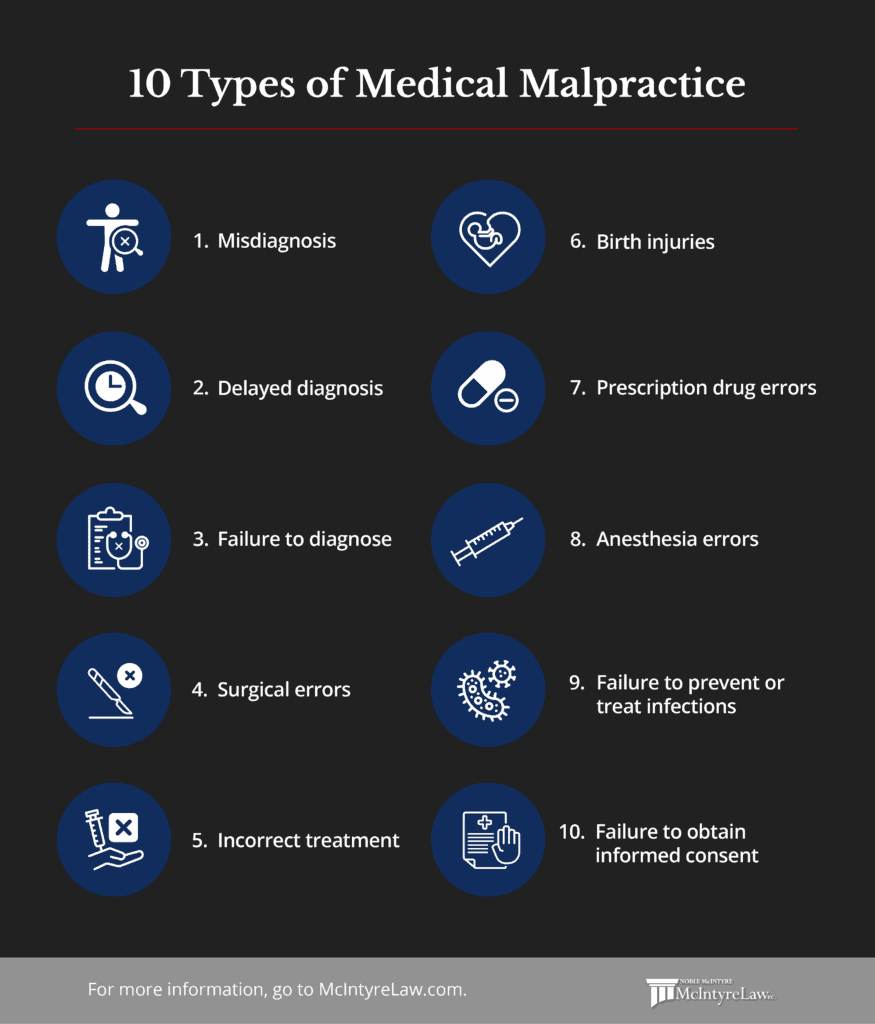
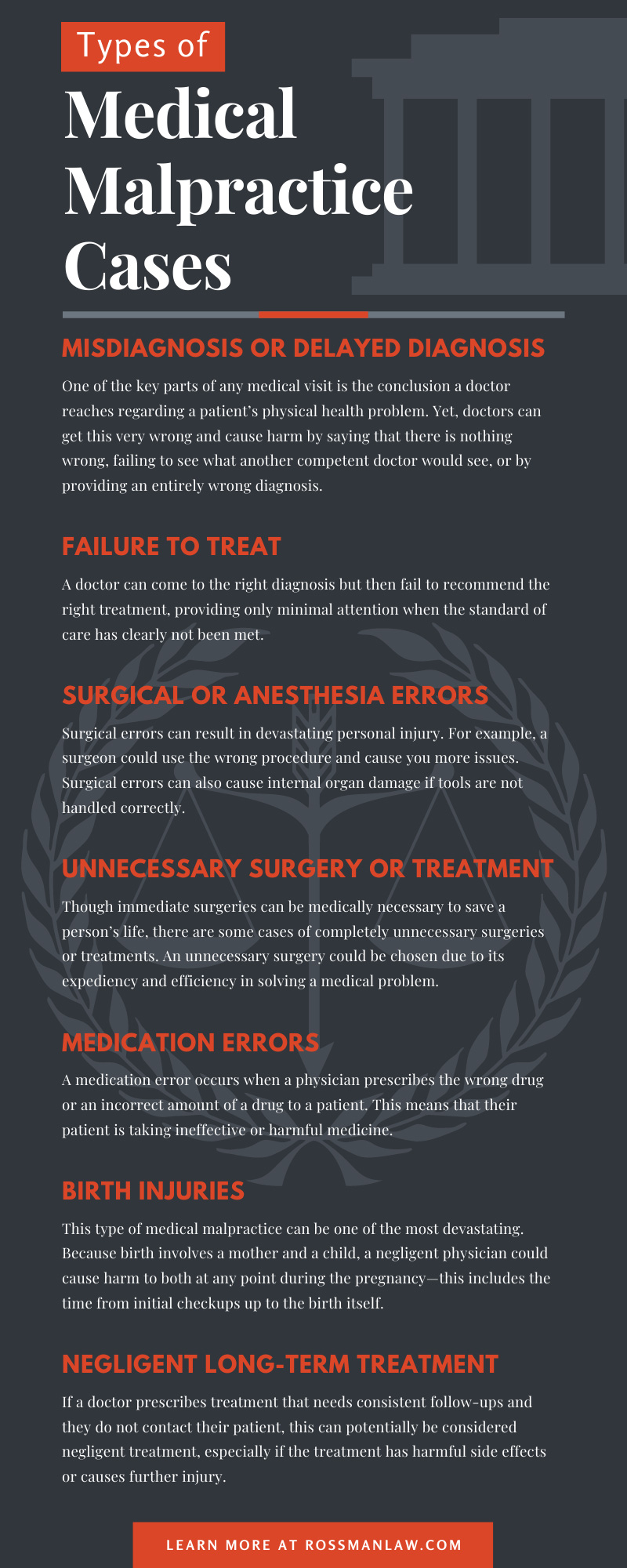
While every case is unique, specific types of clinical errors frequently lead to malpractice litigation. Recognizing these trends helps in designing better systems of care and tighter risk management protocols.
Misdiagnosis and Delayed Diagnosis
Failing to diagnose a condition, or diagnosing the wrong one, is perhaps the most frequent catalyst for lawsuits. If a patient’s condition worsens because a diagnostic test was ignored or symptoms were misread, the window for effective treatment may close. From a business operational standpoint, these cases often highlight failures in communication, such as incomplete Electronic Health Record (EHR) data or poor hand-offs between specialists.
Surgical Errors and Procedural Negligence
Surgical malpractice often involves “never events”—errors so serious they should never happen, such as operating on the wrong site or leaving instruments inside a patient. These cases are almost always indefensible in court, leading to swift, high-value settlements. For hospital administrators, these events represent catastrophic operational failures that demand immediate procedural auditing and systemic process improvement.
Medication and Prescription Errors
Errors in medication dosage, drug interactions, or failing to warn a patient about potential side effects fall under the umbrella of malpractice. As pharmacy automation and digital prescribing tools become more prevalent, many of these errors are being mitigated. However, human error in dosage calculation remains a constant liability risk. Implementing robust digital safety checks is not just a clinical necessity; it is a financial necessity to protect the practice from liability.
Navigating the Future of Professional Accountability
The landscape of medical malpractice is shifting under the influence of new technologies and changing legal precedents. As we look forward, the integration of data analytics and artificial intelligence is poised to redefine how malpractice is detected and prevented.
AI and Risk Prediction
Predictive analytics are now being used to identify patterns in clinical practice that correlate with malpractice risks. By analyzing thousands of data points—from patient history to provider communication styles—AI tools can alert institutions to “at-risk” behaviors before a tragedy occurs. This shift from reactive litigation to proactive prevention is the next frontier in the business of medical liability.
Regulatory Changes and Tort Reform
The financial burden of malpractice is heavily influenced by state-level tort reform. Legislation that caps non-economic damages, limits attorney fees, or mandates medical review panels significantly alters the financial landscape for both providers and plaintiffs. Keeping abreast of these legislative trends is essential for any stakeholder—whether you are a physician planning for retirement, an investor analyzing a medical group, or a healthcare administrator managing a budget.
Conclusion: A Disciplined Financial Approach
Medical malpractice is not merely a legal definition; it is a critical component of medical business management. The intersection of professional standard of care, financial exposure, and risk mitigation defines the longevity and viability of a medical career. By understanding the criteria for malpractice, the financial mechanics of liability, and the systemic errors that lead to litigation, professionals can better protect their clinical reputation and their financial future. Risk management is no longer just about avoiding mistakes; it is about building a professional infrastructure that prioritizes patient safety while insulating assets from the inherent volatility of medical practice.
aViewFromTheCave is a participant in the Amazon Services LLC Associates Program, an affiliate advertising program designed to provide a means for sites to earn advertising fees by advertising and linking to Amazon.com. Amazon, the Amazon logo, AmazonSupply, and the AmazonSupply logo are trademarks of Amazon.com, Inc. or its affiliates. As an Amazon Associate we earn affiliate commissions from qualifying purchases.