
Understanding what constitutes “low income” in Florida is far more nuanced than a single, universal number. It’s a dynamic concept influenced by federal guidelines, state-specific programs, household size, and even the particular region within Florida. For individuals and families managing their personal finances, navigating assistance programs, or simply gauging their economic standing, grasping these definitions is crucial. This exploration delves into the various benchmarks used to define low income in the Sunshine State, offering clarity on its implications for financial well-being and access to vital resources.
Understanding Income Thresholds in Florida
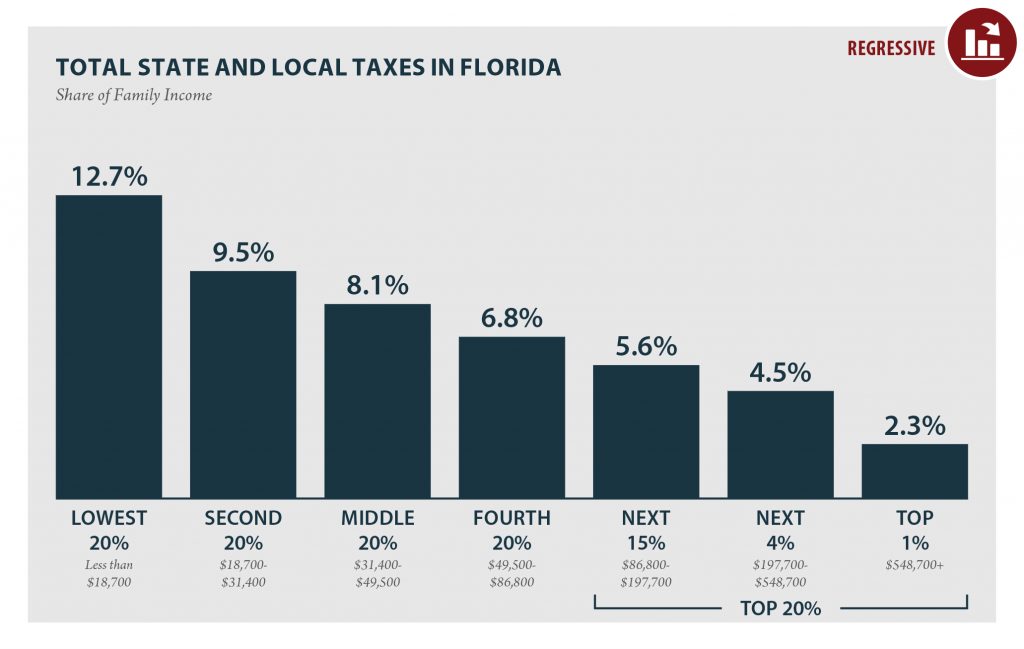
The definition of “low income” is not a static figure but rather a set of thresholds used by various governmental and non-governmental organizations to determine eligibility for financial assistance, housing programs, healthcare, and other support services. These thresholds are designed to reflect the varying financial needs of different household sizes and, to some extent, the differing costs of living across regions.
Federal Poverty Guidelines vs. State-Specific Benchmarks
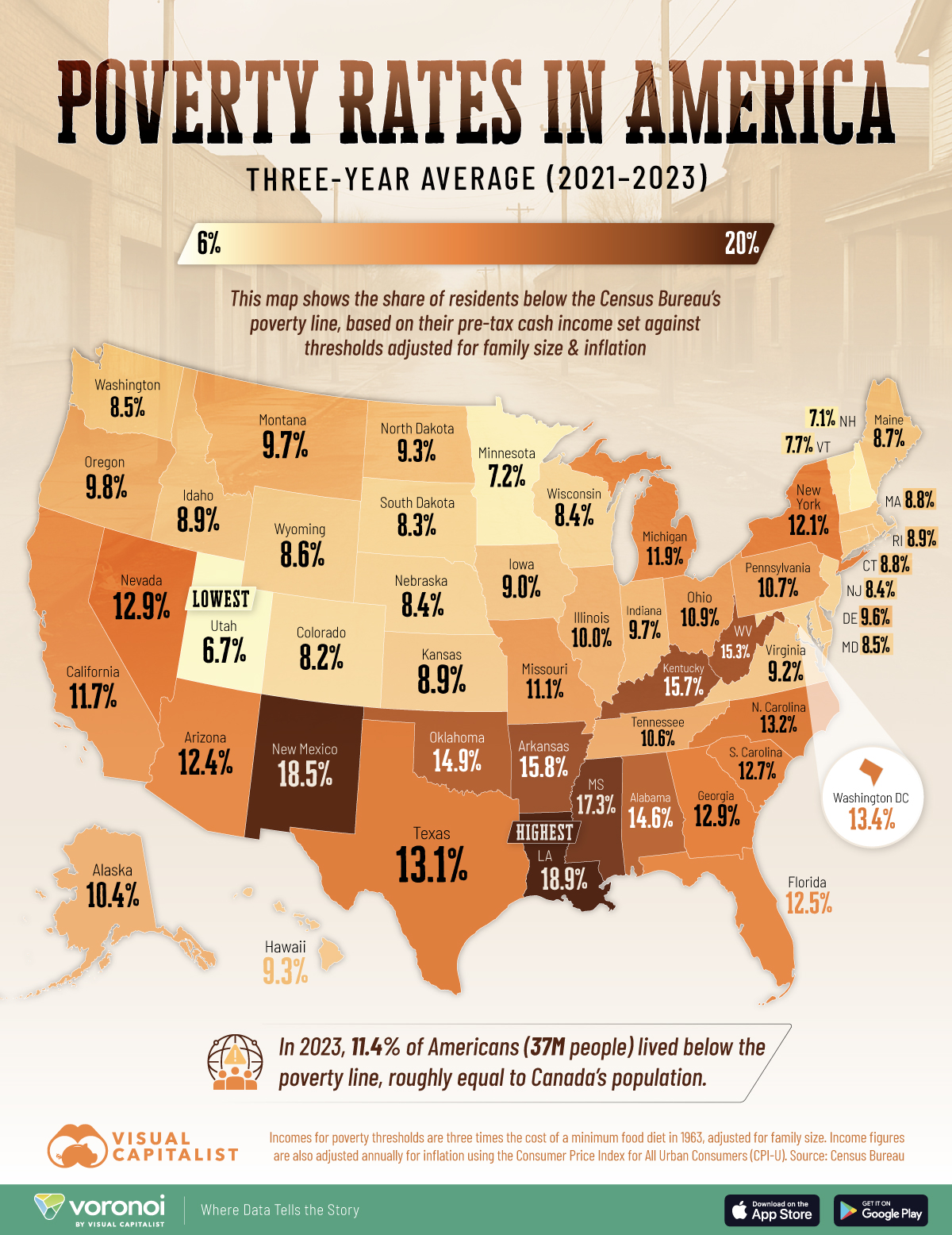
At the most fundamental level, the Federal Poverty Guidelines (FPG), issued annually by the Department of Health and Human Services, provide a baseline for what is considered impoverished across the United States. These guidelines are a simplified version of the poverty thresholds used by the U.S. Census Bureau and are used to determine financial eligibility for numerous federal programs. However, while essential, the FPG often falls short of capturing the true financial struggles in high-cost-of-living areas like many parts of Florida.
State and local agencies, therefore, often rely on more granular benchmarks. These state-specific benchmarks, while often rooted in federal methodologies, are frequently adjusted to better reflect Florida’s unique economic landscape and the cost of essential services within its borders. Many programs utilize a percentage of the FPG (e.g., 138% for Medicaid, 200% for some energy assistance programs) rather than the FPG itself, acknowledging that individuals can be “low income” without being “in poverty.”
Key Agencies and Their Definitions
Several key agencies play a significant role in defining and applying income thresholds in Florida:
- U.S. Department of Housing and Urban Development (HUD): HUD’s income limits are critical for housing assistance programs, including public housing, Section 8 vouchers, and affordable housing developments. These limits are calculated annually and are specific to metropolitan areas and non-metropolitan counties, making them highly relevant for Florida’s diverse regions. HUD defines different income tiers (Extremely Low, Very Low, Low Income) based on percentages of the Area Median Income (AMI).
- Florida Department of Children and Families (DCF): DCF administers various state and federal programs, such as Temporary Assistance for Needy Families (TANF), Supplemental Nutrition Assistance Program (SNAP), and Medicaid. Eligibility for these programs is determined based on income limits that often relate to a percentage of the Federal Poverty Guidelines, with specific cutoffs varying by program and household composition.
- Local Housing Authorities and Non-Profits: Local entities often adapt federal and state guidelines to fit local needs, sometimes developing their own specific criteria for community-based programs that address homelessness, food insecurity, or other local challenges.
The Role of Area Median Income (AMI)
One of the most impactful metrics in determining low-income status for many Floridians, especially concerning housing, is the Area Median Income (AMI). AMI represents the midpoint of a particular area’s income distribution, meaning half the households in that area earn more than the AMI, and half earn less.
How AMI is Calculated and Applied
HUD calculates AMI annually for every metropolitan area and non-metropolitan county in the United States. This calculation considers income data from the U.S. Census Bureau and other sources, adjusted for inflation. The resulting AMI figures vary significantly across Florida. For instance, the AMI in a wealthy South Florida county will be considerably higher than in a rural North Florida county, reflecting the economic disparities and differing costs of living.
Once the AMI for a specific area is established, various income tiers are then defined as a percentage of that AMI. This approach ensures that income limits for assistance programs are somewhat reflective of local economic conditions rather than a one-size-fits-all national standard.
Impact on Housing and Assistance Programs
AMI is the primary determinant for eligibility for most affordable housing programs in Florida. These programs are often structured to serve different income brackets, such as:
- Extremely Low Income (ELI): Typically households earning 30% or less of the AMI.
- Very Low Income (VLI): Households earning between 30% and 50% of the AMI.
- Low Income: Households earning between 50% and 80% of the AMI.
Without understanding the AMI for their specific county or metropolitan area, Floridians seeking housing assistance might struggle to determine their eligibility. This localized approach recognizes that an income that is “low” in Miami-Dade County might be relatively moderate in a less expensive part of the state, such as parts of the Florida Panhandle.
Income Tiers and Their Implications
Beyond the broad definition, “low income” is often subdivided into specific tiers, each with its own set of eligibility criteria for various programs. These tiers help target resources more effectively to those with the greatest need.
Extremely Low Income (ELI)
Households falling into the Extremely Low Income (ELI) category typically earn 30% or less of the Area Median Income (AMI) for their region. These are the households facing the most severe financial hardship, often struggling to afford basic necessities like food and housing. Programs specifically designed for ELI households include emergency rental assistance, permanent supportive housing for the homeless, and the deepest subsidies for public housing or Section 8 vouchers. Meeting the ELI threshold often opens doors to the most comprehensive and critical support services.
Very Low Income (VLI)

Very Low Income (VLI) households generally earn between 30% and 50% of the AMI. While slightly above the ELI threshold, these families and individuals still face significant financial challenges in securing stable housing and making ends meet. Many affordable housing units are set aside for VLI households, offering rents that are well below market rates. Eligibility for various state-administered assistance programs, beyond the most critical emergency aid, often extends to VLI individuals.
Low Income
The broader Low Income category encompasses households earning between 50% and 80% of the AMI. This is a substantial demographic that, while not experiencing the most extreme poverty, still finds it difficult to afford quality housing, healthcare, and other necessities without financial strain, especially in Florida’s more expensive urban centers. Many tax credit affordable housing developments and specific community development programs target this income bracket, providing a crucial bridge for working families to maintain stable living conditions.
Moderate Income
While not strictly “low income,” the Moderate Income category (typically 80% to 120% of AMI) is also relevant for some programs, particularly those designed to prevent households from slipping into lower income tiers due to rising costs. Some first-time homebuyer programs or down payment assistance initiatives might include moderate-income thresholds to help maintain affordability in competitive housing markets. Understanding this tier helps illustrate the broader spectrum of financial need that exists just above traditional “low-income” definitions.
Navigating Florida’s Cost of Living
Florida’s economic landscape is incredibly diverse, and this diversity profoundly impacts what “low income” truly means for a household’s financial stability. The cost of living varies dramatically from one region to another, creating a complex picture for residents trying to stretch their income.
Regional Variations in Expenses
A household earning 80% of the AMI in rural North Florida might experience a relatively comfortable standard of living, able to afford rent, utilities, and food without undue stress. The same income in South Florida (e.g., Miami, Fort Lauderdale) or Central Florida (e.g., Orlando, Tampa) would likely place that family under immense financial pressure, struggling with high housing costs, transportation expenses, and even inflated prices for everyday goods and services.
This regional disparity means that a federal or even state-wide income threshold, without adjustment, can be an inadequate measure of actual financial hardship. Programs that utilize AMI by metropolitan area or county, therefore, offer a more equitable approach to determining eligibility, recognizing the higher expenses faced by residents in certain parts of the state.
The Disconnect Between Income and Affordability
Even with income thresholds adjusted for AMI, many low-income Floridians face a significant disconnect between their earnings and the actual cost of living. Rising housing costs, particularly for rental properties, consistently outpace wage growth for many low-wage jobs. This leaves many working-class families categorized as “low income” or “very low income” by HUD standards struggling to find affordable housing.
Furthermore, additional expenses such as childcare, transportation (especially in areas with limited public transit), and healthcare costs can quickly erode a low-income household’s budget, even if they technically fall within program eligibility limits. This challenge highlights the critical need for robust support systems that address not just income, but the holistic financial well-being of Florida’s lower-income population.
Resources and Assistance for Low-Income Floridians
For those identified as low-income in Florida, a network of state and federal programs offers crucial support designed to alleviate financial strain and improve quality of life. Accessing these resources can make a substantial difference in a household’s ability to cover essential expenses.
Housing Assistance Programs
- Section 8 Housing Choice Vouchers: This federal program, administered locally, helps very low-income families, the elderly, and people with disabilities afford decent, safe, and sanitary housing in the private market. The voucher pays a portion of the rent, and the family pays the difference.
- Public Housing: Owned and managed by local housing authorities, public housing offers affordable rental units to low-income families, elderly individuals, and persons with disabilities. Rent is typically capped at 30% of the household’s adjusted gross income.
- Affordable Housing Developments (LIHTC): Low-Income Housing Tax Credit (LIHTC) properties are privately owned developments that receive tax credits for offering reduced rents to income-eligible tenants, often targeting individuals and families earning 30% to 60% of the AMI.
- Emergency Rental Assistance Programs: State and local programs, often funded by federal grants, provide short-term financial aid to prevent homelessness or help with rent arrears.
Food and Nutritional Support
- Supplemental Nutrition Assistance Program (SNAP): Administered by the Florida DCF, SNAP (formerly food stamps) provides eligible low-income individuals and families with financial assistance to purchase food. Eligibility is primarily based on income relative to the Federal Poverty Guidelines.
- WIC (Special Supplemental Nutrition Program for Women, Infants, and Children): This program provides nutritious foods, nutrition education, and healthcare referrals to low-income pregnant women, new mothers, and young children.
- Food Banks and Pantries: Numerous non-profit organizations and local churches across Florida operate food banks and pantries, offering emergency food assistance to anyone in need, often without strict income verification.
Healthcare and Medicaid
- Medicaid: Florida’s Medicaid program provides comprehensive health coverage to eligible low-income children, pregnant women, elderly adults, and people with disabilities. Eligibility thresholds are tied to a percentage of the Federal Poverty Guidelines.
- Florida KidCare: This program offers affordable health and dental insurance for children from birth through age 18, even if one or both parents are working. Eligibility is based on income, with families typically paying low monthly premiums.
- Community Health Centers: Federally Qualified Health Centers (FQHCs) and other community health clinics offer primary and preventive care, often on a sliding scale fee based on income, to ensure access to healthcare regardless of ability to pay.
Energy and Utility Assistance
- Low-Income Home Energy Assistance Program (LIHEAP): This federal program helps low-income households with their heating and cooling costs, as well as energy crisis assistance. Administered through local agencies, LIHEAP is crucial in Florida’s hot climate.
- Weatherization Assistance Program (WAP): WAP helps low-income families reduce their energy bills by making their homes more energy-efficient through improvements like insulation, weatherstripping, and minor repairs.
Understanding what constitutes low income in Florida is a multi-faceted endeavor that directly impacts financial planning and access to vital support systems. By grasping the various thresholds, the role of AMI, and the resources available, Floridians can better navigate their financial landscape and work towards greater economic stability.
aViewFromTheCave is a participant in the Amazon Services LLC Associates Program, an affiliate advertising program designed to provide a means for sites to earn advertising fees by advertising and linking to Amazon.com. Amazon, the Amazon logo, AmazonSupply, and the AmazonSupply logo are trademarks of Amazon.com, Inc. or its affiliates. As an Amazon Associate we earn affiliate commissions from qualifying purchases.