
Understanding what constitutes “low income” in Oregon is a nuanced endeavor, far more complex than simply citing a single dollar figure. It involves navigating federal guidelines, state-specific thresholds, the stark realities of regional cost of living, and the eligibility criteria for a diverse array of assistance programs. For individuals, families, and policymakers alike, grasping these multifaceted definitions is crucial for assessing financial well-being and identifying pathways to support and stability.
Understanding Income Thresholds in Oregon
The concept of “low income” is fundamentally tied to an individual or household’s ability to meet basic needs without undue financial strain. While often anchored to federal poverty measures, the practical application in a state like Oregon, with its unique economic landscape and varying costs of living, requires a more granular approach. These thresholds are not arbitrary numbers but serve as critical benchmarks for determining access to essential services and support systems designed to alleviate economic hardship.

Federal Poverty Guidelines and Their Limitations
At the national level, the most widely recognized benchmark for low income is the Federal Poverty Level (FPL) or Federal Poverty Guidelines (FPG), issued annually by the U.S. Department of Health and Human Services. These guidelines vary by household size and are used by many federal programs to determine eligibility. For example, in a given year, the FPL for a single individual might be around $14,580, while for a family of four, it could be approximately $30,000.
However, relying solely on the FPL to define “low income” in Oregon presents significant limitations. The FPL is a national standard and does not account for vast differences in the cost of living across states or even within different regions of the same state. Oregon, particularly its urban centers like Portland, Bend, and Ashland, boasts a cost of living that often significantly outpaces the national average. What might be considered a sustainable income at 100% of FPL in a low-cost state could leave an Oregonian struggling immensely to afford housing, food, and transportation. Therefore, while the FPL serves as a foundational reference, it rarely provides a complete picture of economic need within the state.
Oregon-Specific Low-Income Definitions and Programs
Recognizing the inadequacy of the FPL for local contexts, many Oregon state agencies and specific programs utilize their own adjusted income thresholds. These often go beyond 100% of the FPL, extending to 138%, 185%, 200%, or even 300% of the FPL, or are based on a different metric entirely: the Area Median Income (AMI). This tiered approach ensures that assistance reaches a broader segment of the population facing genuine financial challenges in Oregon’s specific economic environment.
Area Median Income (AMI) and Housing Affordability
Perhaps the most critical state-specific metric for defining low income, particularly concerning housing, is the Area Median Income (AMI). AMI represents the midpoint of a region’s income distribution, meaning half of the households earn more than the AMI and half earn less. The U.S. Department of Housing and Urban Development (HUD) calculates AMI for metropolitan areas and non-metropolitan counties annually. Oregon then uses these AMI figures, adjusted for household size, to determine eligibility for various housing assistance programs, affordable housing units, and rental subsidies.
Housing programs frequently categorize low income based on percentages of the AMI:
- Extremely Low Income (ELI): Typically 30% of the AMI.
- Very Low Income (VLI): Often defined as 50% of the AMI.
- Low Income: Generally considered 80% of the AMI.
- Moderate Income: Sometimes up to 120% of the AMI for certain programs.
The actual dollar figures for these AMI percentages vary dramatically across Oregon. For instance, 50% of AMI in Multnomah County (Portland metro area) will be significantly higher than 50% of AMI in a rural county like Lake County due to the vast differences in local median incomes. This localized approach is essential because housing costs are often the largest expenditure for most households and vary wildly across the state. An income that qualifies as “low income” for housing in a high-cost area might be considered moderate in a lower-cost region, highlighting the importance of regional specificity in these definitions.
Diverse Program Thresholds
Beyond housing, numerous state and federally funded programs operating within Oregon employ distinct income thresholds to determine eligibility. These programs cover a wide range of essential services, each with its own specific criteria:
- Oregon Health Plan (OHP) / Medicaid: Eligibility for OHP, Oregon’s Medicaid program, is often set at 138% of the FPL for most adults and children, a threshold expanded under the Affordable Care Act.
- Supplemental Nutrition Assistance Program (SNAP): Also known as food stamps, SNAP typically uses gross income limits at 130% of the FPL and net income limits at 100% of the FPL, with some deductions for certain expenses.
- Energy Assistance Programs (LIHEAP, ODOE): Programs like the Low-Income Home Energy Assistance Program (LIHEAP) or those administered by the Oregon Department of Energy often use income limits around 60% of the state’s median income or 185% of the FPL.
- Child Care Subsidies: The Oregon Department of Human Services (ODHS) offers child care assistance programs that may have income thresholds ranging from 185% to 200% of the FPL, recognizing the exorbitant cost of childcare.
- Temporary Assistance for Needy Families (TANF): Oregon’s TANF program, known as Temporary Assistance for Families in Oregon (TAFDC), typically has very stringent income and asset limits, often aligning closely with a percentage of the FPL, but varies by family size.
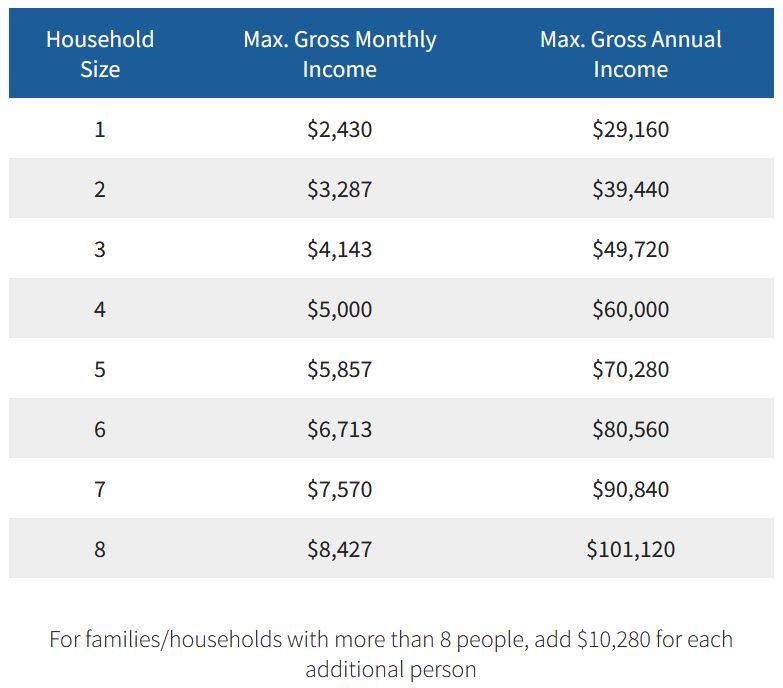
The sheer variety of these thresholds underscores the complexity: an individual or family might qualify as “low income” for one program but not another, even with the same income. Therefore, directly checking the eligibility requirements for each specific program is paramount for anyone seeking assistance.
The Real Cost of Living in Oregon
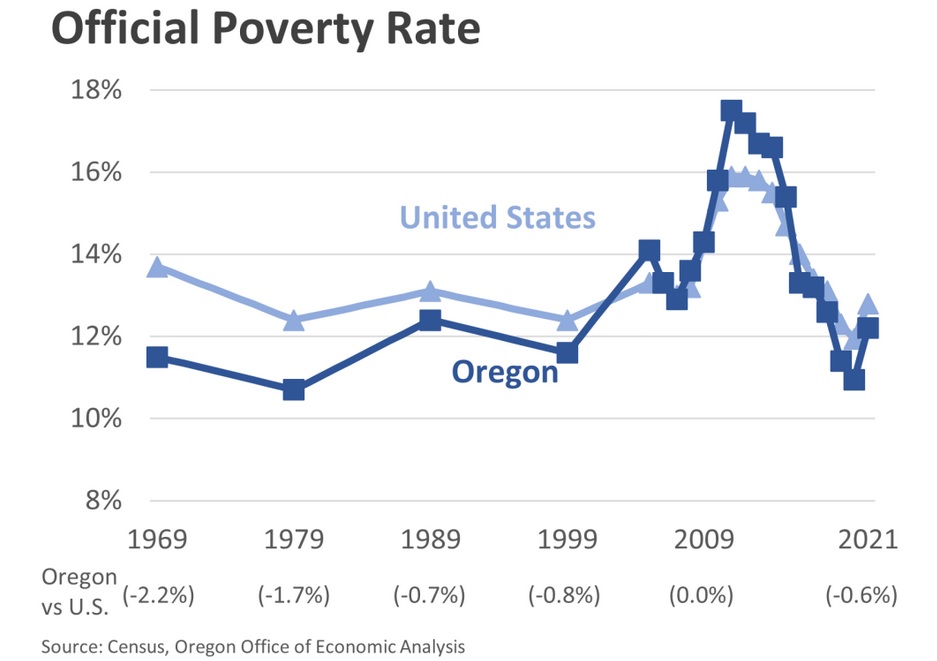
While income thresholds provide numerical definitions, the lived experience of what it means to be “low income” in Oregon is shaped by the state’s high cost of living. Even incomes that exceed the FPL can feel profoundly insufficient when confronted with the realities of expenses. Oregon consistently ranks among the more expensive states in the nation, particularly concerning housing, which often consumes a disproportionate share of a low-income household’s budget.
The Economic Policy Institute’s Family Budget Calculator, for instance, often shows that a family of four in a metropolitan area like Portland needs an income significantly higher than the FPL – often upwards of $80,000 to $100,000 annually – just to afford a modest standard of living, including housing, food, childcare, transportation, healthcare, and other necessities. This highlights a crucial disconnect: an income of $30,000 for a family of four might be 100% of FPL, but it barely covers a fraction of actual expenses in many parts of Oregon.
Regional Disparities
The cost of living is not uniform across Oregon. Metropolitan areas like Portland, Eugene, Salem, and Bend generally have higher housing costs, transportation expenses, and even higher prices for goods and services. Coastal towns, particularly those popular with tourists, can also exhibit elevated costs. In contrast, many rural counties in Eastern and Southern Oregon tend to have lower median housing prices and overall living expenses.
This regional disparity directly impacts what is effectively considered low income. An income that barely allows for survival in Multnomah County might offer a slightly more stable, though still frugal, existence in a more rural county. This variability is why the AMI is calculated regionally and why programs often adjust their definitions to reflect local economic realities, although even these adjustments may not fully capture the struggles faced by many.
Navigating Resources and Financial Planning for Lower Incomes
For those in Oregon navigating the complexities of low income, understanding where to seek help and how to strategically manage finances is crucial. The state offers a network of support designed to bridge the gap between insufficient income and rising costs.
Utilizing State and Federal Support
The Oregon Department of Human Services (ODHS) is a primary point of contact for many state and federal benefit programs, including SNAP, TANF, OHP, and childcare assistance. Their website and local offices provide detailed information and application processes. Oregon Housing and Community Services (OHCS) administers many housing programs, including rental assistance, homeownership support, and the development of affordable housing.
Beyond these large state agencies, a robust network of local non-profit organizations, community action agencies, and faith-based groups throughout Oregon also provides targeted assistance. These organizations often help with specific needs like food banks, utility bill assistance, temporary shelter, job training, and financial literacy education. They can also provide guidance in navigating the application processes for various state and federal programs.
Building Financial Stability
Even with lower incomes, strategic financial planning can make a significant difference. Key steps include:
- Detailed Budgeting: Tracking all income and expenses to identify where money is going and where savings might be possible. Prioritizing essential needs like housing, food, and utilities.
- Emergency Savings: Even small, consistent contributions to an emergency fund can create a vital buffer against unexpected expenses, preventing a minor setback from becoming a major crisis.
- Debt Management: Prioritizing high-interest debt and exploring options for debt consolidation or credit counseling can free up cash flow.
- Income Enhancement: Exploring opportunities for skill development, job training programs, or educational advancement offered through community colleges or workforce development agencies can lead to higher-paying employment. Side hustles, if feasible, can also supplement income.
- Utilizing Tax Credits: Many low-income individuals and families qualify for federal and state tax credits, such as the Earned Income Tax Credit (EITC) and the Oregon Kids Credit, which can provide significant financial relief.
In conclusion, “low income” in Oregon is a dynamic and regionally sensitive concept, defined by a confluence of federal poverty guidelines, state-specific AMI thresholds, diverse program requirements, and the stark reality of the state’s high cost of living. Understanding these various definitions and available resources is the first step toward achieving greater financial stability and well-being for Oregonians facing economic challenges.
aViewFromTheCave is a participant in the Amazon Services LLC Associates Program, an affiliate advertising program designed to provide a means for sites to earn advertising fees by advertising and linking to Amazon.com. Amazon, the Amazon logo, AmazonSupply, and the AmazonSupply logo are trademarks of Amazon.com, Inc. or its affiliates. As an Amazon Associate we earn affiliate commissions from qualifying purchases.