
When we discuss the concept of “excessive alcohol use,” the conversation typically gravitates toward medical diagnoses, liver enzymes, and public health statistics. However, from a fiscal perspective, excessive consumption represents one of the most overlooked “leaks” in a personal or corporate financial strategy. In the world of money management, excessive use isn’t just defined by blood alcohol content; it is defined by the erosion of capital, the inflation of insurance premiums, and the degradation of one’s primary wealth-generating asset: professional productivity.
To master personal finance and business growth, one must view every lifestyle habit through the lens of ROI (Return on Investment). This article explores what constitutes excessive alcohol use from a financial standpoint and how those habits dictate your long-term economic trajectory.
1. Quantifying the Direct Cost: The Line Between Social Spending and Financial Drain
In personal finance, the distinction between a “luxury expense” and a “financial drain” is often a matter of frequency and scale. While a celebratory toast is a budgeted social expense, the transition into excessive use creates a compounding negative effect on a portfolio.
Defining “Excessive” in Dollars and Cents
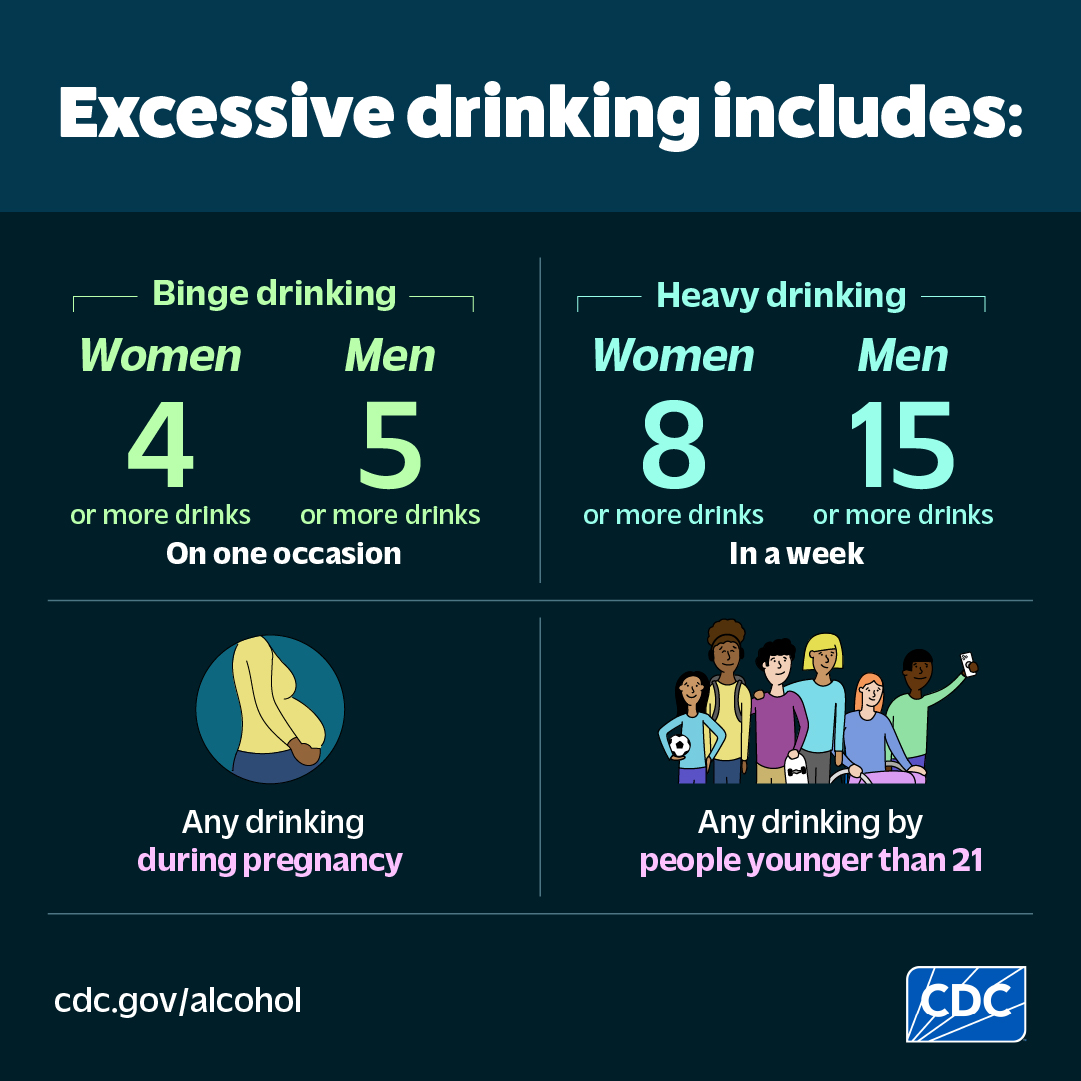
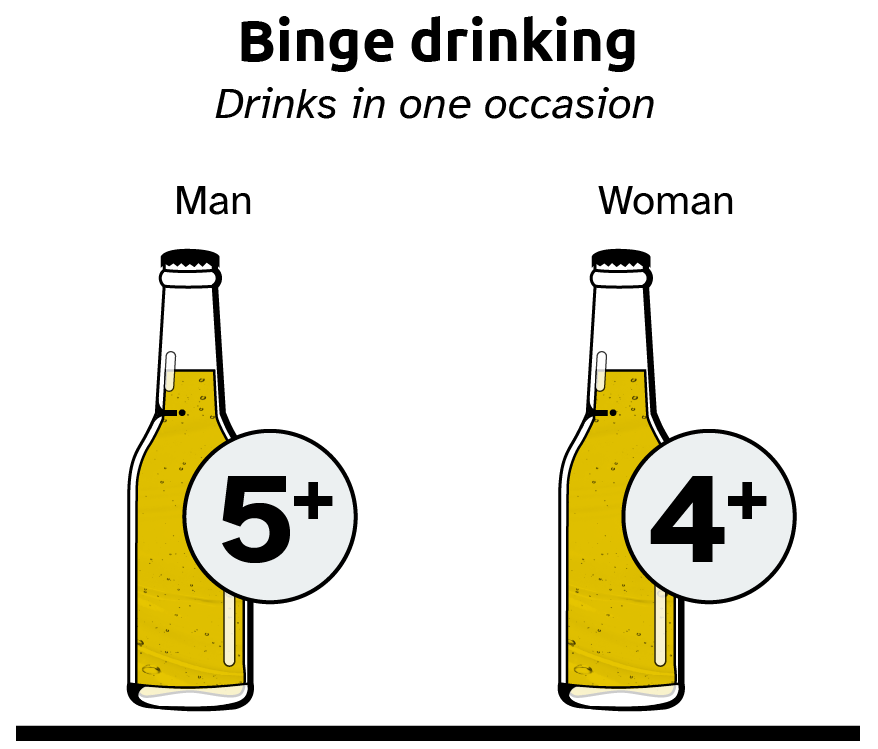
Health organizations like the CDC define heavy drinking as eight or more drinks a week for women and fifteen or more for men. From a financial perspective, if we translate these “units” into market prices, the numbers are staggering. In a metropolitan economy, a single cocktail or premium beer averages between $12 and $20. For a “heavy drinker” by clinical standards, this equates to a direct weekly expenditure of $180 to $300, or roughly $9,360 to $15,600 per year in post-tax income.
When this spending exceeds 5% of a household’s discretionary income, it moves from “entertainment” into the category of “excessive financial waste.” Unlike high-quality food or education, there is no residual value in this expenditure; it is an immediate liquidation of capital with no depreciable asset left behind.
The Compound Interest of Nightlife: Opportunity Costs
The most significant financial danger of excessive alcohol use is not the price of the drink itself, but the “opportunity cost.” If a 30-year-old professional spends $500 a month on alcohol and associated costs (rideshares, late-night dining, etc.) and instead redirected that sum into a low-cost S&P 500 index fund with an average 7% annual return, that capital would grow to over $260,000 by age 60.
Excessive use is, therefore, a massive “short” on your future self. In the world of investing, we look for compound growth; excessive habits provide compound loss.
2. The Hidden Fiscal Impact: Health Insurance, Liability, and Long-Term Security
Beyond the daily cash flow, excessive alcohol use triggers a cascade of secondary costs that can jeopardize financial independence. These are the “hidden” line items that don’t appear on a credit card statement but drastically alter a net worth calculation.
Premium Surges and Underwriting Risks
For those looking to secure life insurance, disability insurance, or even long-term care coverage, “excessive use” is a major red flag during the underwriting process. Actuaries view alcohol consumption as a primary risk factor for chronic illness and mortality.
If a medical exam or physician’s records indicate markers of excessive use, an individual may be moved from a “Preferred” tier to a “Standard” or “Substandard” rating. This shift can double or triple annual premiums. Over a 20-year term-life policy, this can result in tens of thousands of dollars in extra costs. For the business owner, this risk extends to “Key Person Insurance,” where the health of a founder directly dictates the company’s ability to secure financing and protect its stakeholders.
Legal Consequences and Their Price Tags
From a business finance perspective, “excessive” is any amount that leads to a legal liability. A single DUI (Driving Under the Influence) conviction can cost an individual between $10,000 and $25,000 in legal fees, fines, and increased auto insurance premiums over several years.
For high-net-worth individuals, the risk is even greater. Excess consumption increases the likelihood of personal liability lawsuits, which can target brokerage accounts, real estate holdings, and future earnings. In the niche of wealth protection, minimizing excessive alcohol use is a fundamental strategy for risk mitigation.

3. Productivity and the Professional Bottom Line: Alcohol in the Workplace
Your most valuable financial asset is your “Human Capital”—your ability to earn an income through your skills, energy, and decision-making. Excessive alcohol use is a direct tax on this asset. In the corporate world, this is measured through the concepts of absenteeism and presenteeism.
Presenteeism and Lost Earnings Potential
While “absenteeism” (missing work) is easy to track, “presenteeism”—showing up to work but functioning at a lower cognitive capacity due to the after-effects of alcohol—is a silent profit killer. For professionals in high-stakes environments like fintech, software engineering, or executive leadership, even a 10% decrease in cognitive clarity can lead to missed opportunities, poor investment decisions, or failed negotiations.
If excessive use leads to a stagnant career—missing out on a 15% annual bonus or a promotion to a senior role—the lifetime loss of earnings can reach seven figures. In the context of “Money,” alcohol becomes excessive the moment it creates a ceiling on your professional growth.
Protecting the Corporate Identity and Networking ROI
In many industries, social drinking is ingrained in networking and brand strategy. However, there is a fine line between “strategic socializing” and “brand-damaging excess.” Personal branding is a financial asset. A reputation for excessive alcohol use can lead to a loss of trust among investors and partners.
In the modern “creator economy” and high-level consulting, your personal brand is your currency. If your lifestyle choices suggest a lack of discipline, the “market value” of your advice and leadership drops. Financial success requires being a “reliable bet” for investors; excessive use makes you a “volatile asset.”
4. Strategic Budgeting: Transitioning from Excess to Wealth Building
To fix the financial drain of excessive alcohol use, one must apply the same principles used in business turnaround strategies: identify the leakage, reallocate resources, and track the ROI of the change.
Reallocating the “Vice Budget”
Financial advisors often recommend a “lifestyle audit.” If you find that alcohol consumption falls into the “excessive” category, the first step is to treat that saved money as “found capital.” Instead of letting it disappear into general checking, it should be automated into a high-yield savings account or a brokerage account.
Consider this a “Side Hustle” by subtraction. By reducing consumption, you are essentially giving yourself a tax-free raise. For many, cutting back on excessive habits provides more immediate liquidity than starting a new business venture or seeking a secondary income stream.
Long-term Wealth Projections and Financial Sobriety
The term “Financial Sobriety” is gaining traction in money management circles. It refers to the clarity of mind required to make long-term financial plans without the cloud of impulsive spending or the physical lethargy associated with heavy use.
When you eliminate excessive use, your “Financial Runway” (the amount of time you can survive without a paycheck) tends to extend naturally. You become more risk-tolerant in your investments because your base expenses are lower and your health-related emergency fund is less likely to be tapped.
Conclusion: The Final Audit
What is considered excessive alcohol use? In the world of medicine, it is a matter of milliliters and frequency. In the world of Money, it is any level of consumption that:
- Redirects significant capital away from income-generating assets.
- Increases long-term liability and insurance costs.
- Depreciates your “Human Capital” and career earnings potential.
By viewing alcohol through the lens of a financial balance sheet, it becomes clear that moderation is not just a health choice—it is a sophisticated wealth-building strategy. Achieving financial independence requires a ruthless audit of where your money and energy go. If alcohol is draining your accounts and stalling your professional momentum, it has moved beyond social enjoyment and into the realm of a toxic liability. By reigning in this excess, you unlock the capital and clarity necessary to build a lasting legacy.
aViewFromTheCave is a participant in the Amazon Services LLC Associates Program, an affiliate advertising program designed to provide a means for sites to earn advertising fees by advertising and linking to Amazon.com. Amazon, the Amazon logo, AmazonSupply, and the AmazonSupply logo are trademarks of Amazon.com, Inc. or its affiliates. As an Amazon Associate we earn affiliate commissions from qualifying purchases.