
In the realm of personal finance, we often focus on credit scores, investment portfolios, and savings rates. However, one of the most overlooked assets in a person’s financial profile is their driving record. A “clean” driving record is more than just a badge of honor for safe behavior; it is a critical component of your financial health that dictates your insurance premiums, your eligibility for certain high-paying career paths, and your overall monthly cash flow. Understanding what constitutes a clean record—and how to maintain one—is essential for anyone looking to optimize their personal economy.
The Financial Definition of a Clean Driving Record
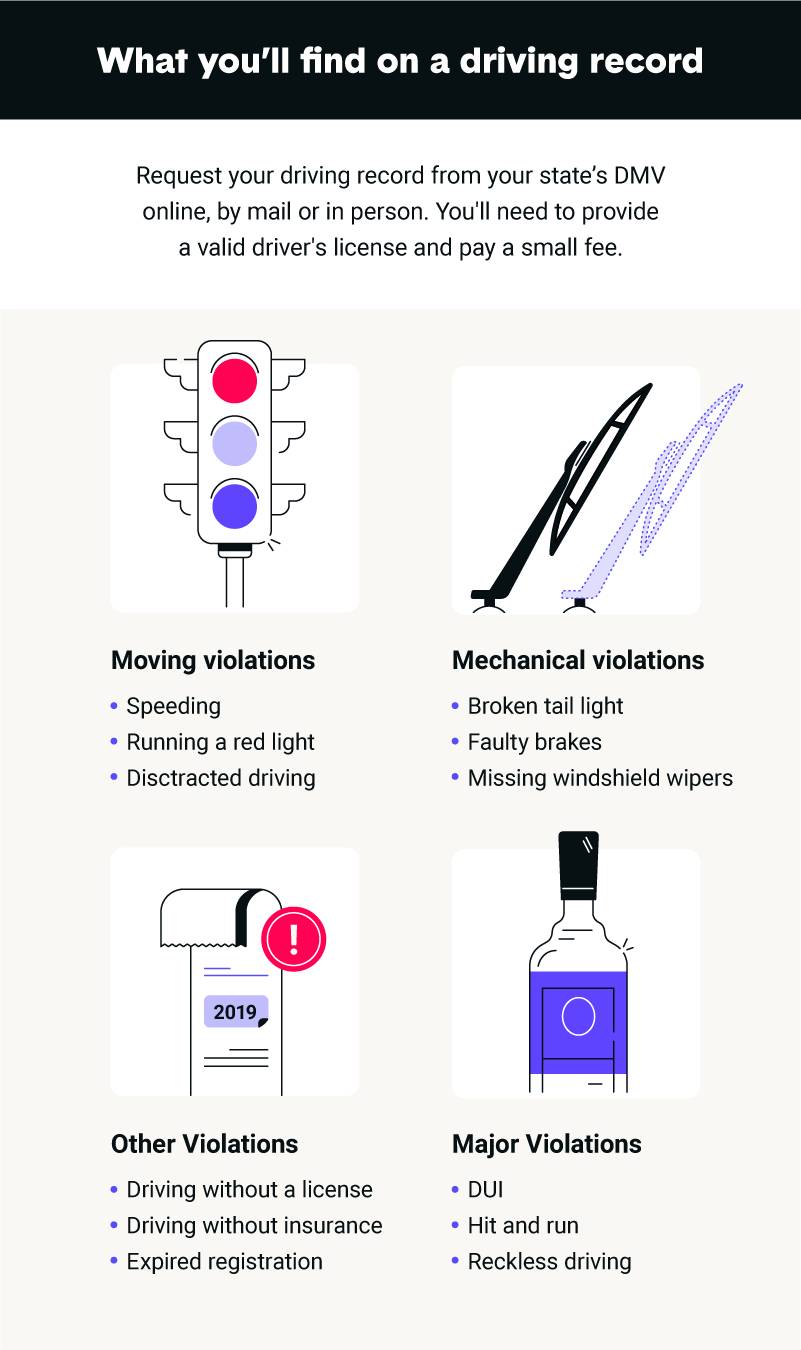
To the average commuter, a clean driving record might simply mean “not having been pulled over recently.” To an actuary or a financial professional, however, the definition is much more precise. A clean driving record is a documented history of vehicle operation that is free of moving violations, at-fault accidents, and serious legal infractions over a specific look-back period (usually three to seven years).
Absence of Moving Violations
The cornerstone of a clean record is the absence of moving violations. These include speeding tickets, failure to yield, running red lights, and illegal turns. From a financial perspective, these are not just one-time fines; they are indicators of risk. Each violation usually carries “points” assigned by your state’s Department of Motor Vehicles (DMV). When insurance companies see these points, they reassess your risk profile, leading to an immediate increase in your “cost of living” through higher premiums.
No At-Fault Accidents
While accidents happen, being the party “at fault” is a significant black mark on your financial record. Insurance providers view at-fault accidents as a direct predictor of future claims. A clean record implies that you have not cost an insurance company money for repairs, medical bills, or liability settlements. Even a minor “fender bender” can strip away your status as a safe driver, removing valuable discounts that may have taken years to accrue.
The Impact of DUI/DWI on Financial Standing
Perhaps the most devastating blow to a driving record and a personal budget is a conviction for Driving Under the Influence (DUI) or Driving While Intoxicated (DWI). These are categorized as major infractions. Financially, a DUI can cost an individual upwards of $10,000 to $20,000 when accounting for legal fees, court costs, increased insurance rates (SR-22 filings), and potential lost wages. In many cases, a single DUI prevents a record from being considered “clean” for a decade or more, significantly hindering long-term wealth accumulation.
How Your Driving Record Influences Insurance Premiums and Personal Finance
The most direct link between your driving habits and your wallet is your auto insurance premium. Auto insurance is a mandatory expense for vehicle owners, and for those with a clean record, it is a manageable one. For those without, it can become a crushing financial burden.
The “Safe Driver” Discount: Maximizing Your Savings
Insurance companies reward “low-risk” behavior. A clean driving record often qualifies you for “Safe Driver” or “Good Driver” discounts, which can range from 10% to 40% off your total premium. Over twenty years of driving, the difference between paying a standard rate and a discounted rate can amount to tens of thousands of dollars—money that could otherwise be invested in a 401(k) or a high-yield savings account.
Premium Spikes and the Long-term Cost of Citations
When a record is no longer clean, insurance companies implement “surcharges.” A single speeding ticket can increase your premium by 20% to 30% for three years. If your annual premium is $1,500, a 25% increase results in an extra $375 per year. Over three years, that $125 ticket actually costs you $1,250. Viewing traffic violations through this lens reveals their true impact on your discretionary income.
The Concept of Risk Assessment in Actuarial Science
Insurance is essentially a pool of money used to cover the losses of the few, funded by the premiums of the many. Actuaries use your driving record to determine which group you belong to. A clean record signals that you are a “profitable” client for the insurance company. This gives you leverage, allowing you to shop around and force companies to compete for your business, which further drives down your costs.
The Hidden Costs of a “Dirty” Record Beyond Insurance
The financial implications of a driving record extend far beyond the monthly insurance bill. A tainted record can create a “ripple effect” through other areas of your professional and personal life.
Employment Opportunities and Side Hustle Eligibility
In the modern economy, many people rely on driving-based side hustles—such as ridesharing or delivery services—to supplement their income. These platforms have strict requirements for a clean driving record. One or two mistakes can disqualify you from using your vehicle as a revenue-generating tool. Furthermore, many corporate roles that provide a company car or require travel (such as sales or field engineering) require a clean record for the company’s liability insurance. Losing a job opportunity because of a three-year-old speeding ticket is a significant professional and financial setback.
Resale Value and Vehicle Maintenance
While not always documented on a DMV record, the habits that lead to a “dirty” record—aggressive driving, speeding, and frequent minor collisions—often correlate with higher wear and tear on a vehicle. Hard braking and rapid acceleration decrease fuel efficiency and accelerate the depreciation of the asset. When it comes time to sell or trade in the vehicle, a history of accidents (even if repaired) documented on reports like CARFAX will lower the resale value, resulting in a lower net return on your investment.
Legal Fees and Administrative Surcharges
The face value of a traffic ticket is rarely the total cost. Most jurisdictions add administrative fees, court costs, and “victim compensation” funds to every citation. If a violation is severe enough to require legal representation, the hourly rates for an attorney can quickly eclipse the cost of the fine itself. These are “dead” expenses—money spent that provides no value or return, representing a pure drain on your net worth.
Strategic Financial Moves to Restore Your Driving Record
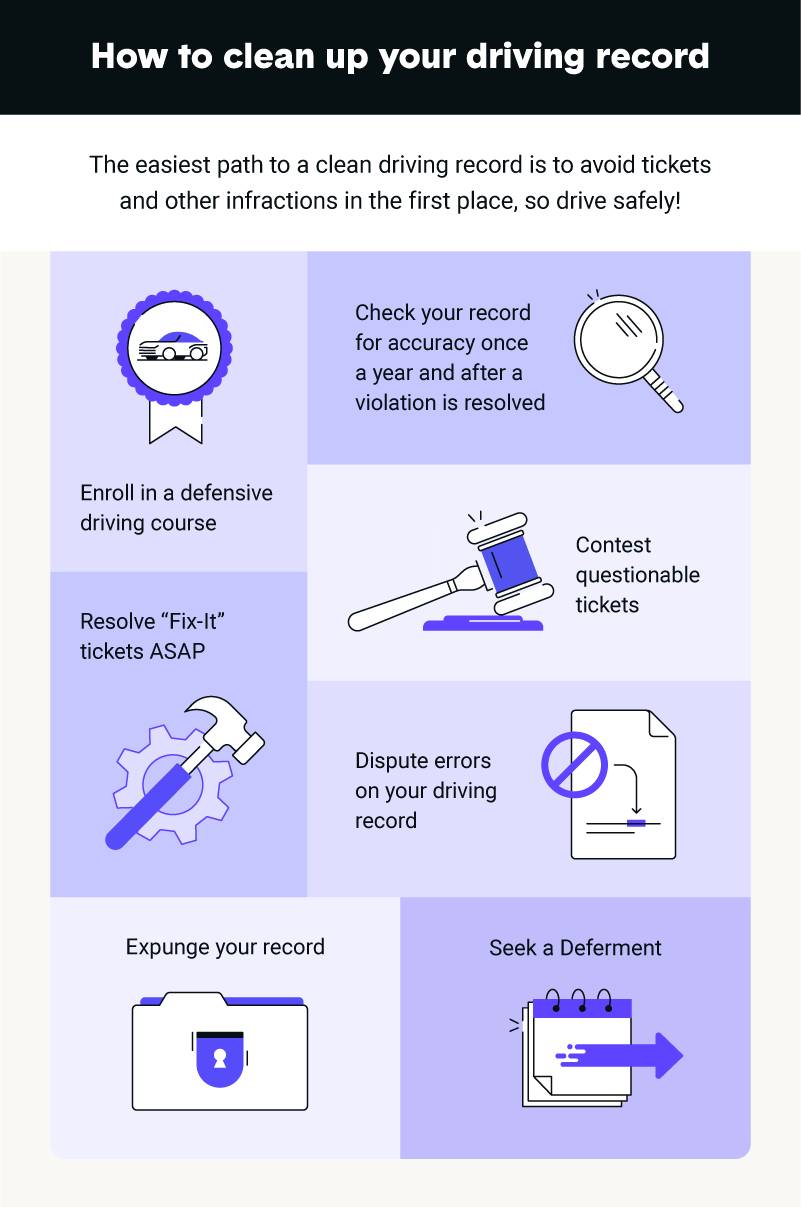
If your record is currently less than perfect, it should be treated as a financial priority to “clean” it. Think of this process as “credit repair” for your driving history.
Defensive Driving Courses as a Financial Investment
Many states and insurance providers allow drivers to take a certified defensive driving course to remove points from their record or trigger an immediate discount. While these courses cost money and time upfront, the Return on Investment (ROI) is usually high. If a $100 course saves you 10% on a $2,000 annual premium, the course pays for itself in six months and continues to provide “dividends” for years.
Expungement and Contesting Tickets
In some cases, it may be financially prudent to contest a ticket in court. If a ticket is dismissed or reduced to a non-moving violation, it stays off your insurance record. While this may require a “legal fee” today, it prevents a “premium hike” tomorrow. Similarly, for older, more serious offenses, seeking legal expungement can open up employment opportunities that were previously closed, increasing your lifetime earning potential.
Shopping for “High-Risk” Insurance during Recovery
If your record is poor, you may be relegated to “non-standard” insurance markets. However, your record is not static. As violations “age out” (move past the 3 or 5-year mark), your risk profile improves. A common financial mistake is staying with a high-risk insurer for too long. Checking your record annually and re-quoting your insurance as soon as a violation falls off is a simple way to “found money” in your budget.
Building Long-term Wealth Through Safe Driving Habits
Ultimately, maintaining a clean driving record is a lifestyle choice that supports long-term wealth building. It is a form of risk management that protects your most valuable assets: your time, your money, and your ability to earn.
The Opportunity Cost of Traffic Fines
Every dollar spent on a fine or an insurance surcharge is a dollar that isn’t being invested. If you avoid just $500 in tickets and extra insurance costs per year and invest that money into an index fund with an 8% return, after 30 years, you would have nearly $60,000. This is the “hidden” wealth that safe drivers accumulate over a lifetime.

Using Telematics to Prove Your Financial Reliability
Many modern insurance companies offer telematics programs—apps or plug-in devices that track your driving in real-time. For drivers who are confident in their habits, this is a way to “monetize” a clean record. By proving you don’t speed and you brake gently, you can secure even lower rates than those based on a standard paper record. This is the ultimate integration of technology and personal finance, allowing your good behavior to act as a direct subsidy for your cost of living.
In conclusion, a clean driving record is a foundational element of a sound financial plan. It preserves your capital, opens doors to income-generating opportunities, and reduces unnecessary expenses. By treating your driving history with the same scrutiny you apply to your bank statements, you can ensure that your time on the road is contributing to your financial freedom rather than detracting from it.
aViewFromTheCave is a participant in the Amazon Services LLC Associates Program, an affiliate advertising program designed to provide a means for sites to earn advertising fees by advertising and linking to Amazon.com. Amazon, the Amazon logo, AmazonSupply, and the AmazonSupply logo are trademarks of Amazon.com, Inc. or its affiliates. As an Amazon Associate we earn affiliate commissions from qualifying purchases.