
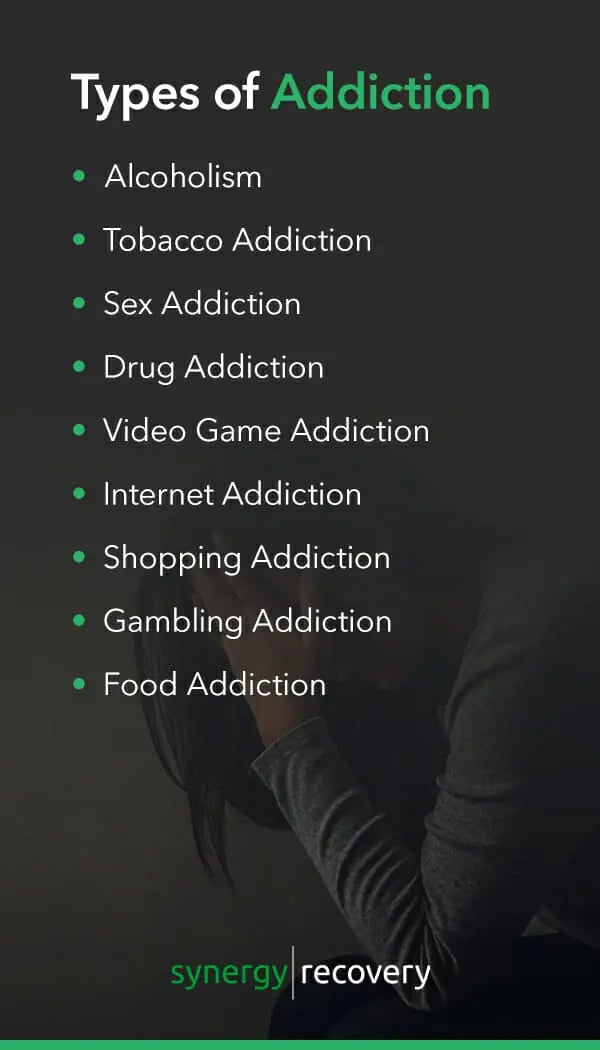
In the early decades of psychological study, the term “addiction” was almost exclusively reserved for substance abuse—specifically the physiological and psychological dependence on chemicals like alcohol, nicotine, or narcotics. However, as the 21st century has progressed, the definition has undergone a radical transformation. In our hyper-connected era, the focus has shifted toward behavioral addictions, specifically those facilitated by the technology we carry in our pockets.
Today, understanding what is considered an addiction requires a deep dive into the intersection of neurobiology and software engineering. We are no longer just looking at what people ingest; we are looking at how they interact with algorithms, interfaces, and digital ecosystems. This article explores the parameters of digital addiction, the mechanics of the attention economy, and the technological frameworks that turn a useful tool into a compulsive necessity.
The Neurobiology of the Notification: Defining Digital Addiction
To understand tech addiction, one must first distinguish between a dedicated hobby, a functional necessity, and a clinical compulsion. In the tech industry, engagement is the primary metric of success, but for the user, that engagement can often cross a threshold into “disordered use.”
From Habits to Compulsion: The Thin Line
A habit is a routine behavior that is often subconscious but remains under the user’s ultimate control. We have a habit of checking our email in the morning or using a GPS to navigate. However, a behavior is considered an addiction when it becomes compulsive, leading to significant impairment in daily life. In the context of technology, this is often categorized as an “Impulse Control Disorder.”
The transition from habit to compulsion occurs when the “reward” of the technology—be it a “like,” a win in a mobile game, or a viral tweet—supersedes the user’s ability to moderate their usage. When an individual continues to use a platform despite negative consequences (such as sleep deprivation, loss of productivity, or strained interpersonal relationships), the behavior meets the foundational criteria for addiction.
The Dopamine Loop: How Apps Re-engineer the Brain
At the heart of tech addiction is dopamine, a neurotransmitter associated with pleasure, motivation, and reward. Modern software is often designed using “Variable Reward Schedules,” a concept borrowed from the psychology of gambling. When you pull down to refresh a social media feed, you don’t know if you will see a boring advertisement or a high-value social interaction.
This uncertainty triggers a massive release of dopamine. The brain’s reward system begins to prioritize these digital triggers over natural rewards like food or face-to-face socialization. Over time, the brain requires more stimulation to achieve the same “high,” leading to increased screen time and a diminished interest in non-digital activities.
Categories of Tech-Driven Behavioral Addiction
“Technology addiction” is an umbrella term. To properly diagnose and understand the phenomenon, we must categorize the specific digital behaviors that lead to dependency. Each category utilizes different psychological levers to keep the user tethered to the screen.
Social Media and the Validation Trap
Social media addiction is perhaps the most pervasive form of digital dependency. It leverages the human biological need for social belonging and status. Platforms like Instagram, TikTok, and X (formerly Twitter) provide immediate, quantifiable feedback on one’s social standing through likes, shares, and follower counts.
The addiction here is rooted in “social validation.” The brain perceives a notification as a sign of social approval. When this becomes the primary source of self-esteem, the user becomes trapped in a cycle of posting and checking. This category is particularly insidious because it involves a “fear of missing out” (FOMO), which keeps the user in a state of hyper-vigilance, constantly checking their device to ensure they are not being excluded from the digital tribe.
The Infinite Scroll and Gaming Disorder
In 2018, the World Health Organization (WHO) officially recognized “Gaming Disorder” in the International Classification of Diseases (ICD-11). This was a landmark moment in defining tech addiction. Gaming addiction is characterized by impaired control over gaming, increasing priority given to gaming over other interests, and the escalation of gaming despite negative consequences.
Crucial to this is the “Infinite Scroll” and “Auto-play” mechanics found in both games and video platforms. By removing natural “stopping cues”—the end of a chapter or the bottom of a page—technology prevents the brain from pausing to evaluate whether it wants to continue the activity. This frictionless experience is a primary driver of binge-watching and marathon gaming sessions.
Information Overload and “Doomscrolling”
A newer sub-category of addiction involves the compulsive consumption of news and information. While being informed is a virtue, “doomscrolling”—the act of continuously scrolling through bad news despite the anxiety it causes—is considered a behavioral addiction. The “reward” in this case is the illusion of control or the satisfies a primitive survival instinct to stay aware of threats. However, the sheer volume of information provided by AI-curated news feeds can lead to a state of cognitive overload, where the user feels a physical need to keep searching for “just one more” update.
The Role of AI and Algorithmic Persuasion
If the 2000s were about the hardware (the smartphone), and the 2010s were about the software (apps), the 2020s are about the algorithm. Artificial Intelligence has fundamentally changed what is considered an addiction by making digital products more “sticky” than ever before.
Predictive Analysis and User Retention
Modern tech companies utilize “Big Data” and machine learning to create “Persuasive Design.” Algorithms analyze billions of data points—how long you hover over a photo, what time of day you are most vulnerable to distractions, and which colors trigger your engagement.
These AI models are not just responding to your interests; they are predicting and shaping them. By delivering the right content at the exact moment a user’s willpower is lowest, AI-driven platforms bypass the prefrontal cortex (the logical part of the brain) and speak directly to the limbic system (the emotional center). This creates a personalized “closed loop” where the technology knows the user’s triggers better than the user does themselves.
Ethics in Software Design: Engagement vs. Exploitation
The tech industry is currently facing a reckoning regarding “Dark Patterns”—UI/UX designs intended to trick or coerce users into doing things they didn’t intend to do, such as staying on an app longer or making impulsive purchases.
When we ask what is considered an addiction, we must also ask who is responsible. Is it the user’s lack of willpower, or is it the $2 trillion industry that employs “attention engineers” to maximize screen time? The transition from “Product-Led Growth” to “Addiction-Led Growth” is a significant ethical concern. As AI becomes more sophisticated, the potential for technology to facilitate deep-seated behavioral addictions increases, necessitating a discussion on “Human-Centric Design” and digital ethics.
Identifying Symptoms and Digital Wellness Strategies
As technology continues to integrate into every facet of our lives, distinguishing between “heavy use” and “addiction” requires looking for specific symptoms. Identifying these signs is the first step toward reclaiming digital autonomy.
Psychological and Physical Warning Signs
What is considered an addiction often manifests in physical symptoms. These include “Phantom Vibration Syndrome” (feeling a phone vibrate when it hasn’t), disrupted sleep patterns due to blue light exposure, and “Tech-Neck” or repetitive strain injuries.
Psychologically, the hallmarks include irritability when the device is taken away, social withdrawal, and “Digital Amnesia”—the inability to retain information because the brain relies on the device to store everything. Another major indicator is “Tolerance,” where the user finds that an hour on a device no longer provides the same satisfaction, leading them to spend four or five hours seeking the same level of engagement.

Practical Frameworks for Digital Detox and Security
To combat tech addiction, individuals and organizations are increasingly turning to “Digital Wellness” frameworks. This isn’t about abandoning technology—which is impossible in a modern economy—but about establishing a “Digital Security” protocol for one’s own mind.
- Intentional Friction: Adding barriers to usage, such as turning off non-human notifications, using grayscale mode to make the screen less visually stimulating, and deleting apps that rely on infinite scrolls.
- Analog Zones: Creating physical spaces (like the bedroom or dining table) where technology is strictly prohibited to allow the brain’s reward system to reset.
- Time-Boxing and Auditing: Using built-in tech tools (like Screen Time on iOS or Digital Wellbeing on Android) to audit usage. Seeing the data often provides the “shock” necessary to move from denial to action.
In conclusion, what is considered an addiction in the modern age has evolved from chemical dependence to a sophisticated digital entanglement. By understanding the technological mechanisms—from dopamine loops to AI-driven algorithms—we can better navigate the digital landscape. Technology should be a lever for human potential, not a tether that constrains it. Recognizing the signs of digital addiction is the first step toward a more balanced, secure, and productive relationship with the tools that define our era.
aViewFromTheCave is a participant in the Amazon Services LLC Associates Program, an affiliate advertising program designed to provide a means for sites to earn advertising fees by advertising and linking to Amazon.com. Amazon, the Amazon logo, AmazonSupply, and the AmazonSupply logo are trademarks of Amazon.com, Inc. or its affiliates. As an Amazon Associate we earn affiliate commissions from qualifying purchases.