
The concept of a “wealthy income” is one of the most debated and subjective topics in personal finance. For some, it conjures images of immense luxury and financial freedom, while for others, it simply means living comfortably without the stress of monthly bills. Far from being a static number, what constitutes a wealthy income is a dynamic figure influenced by a confluence of economic realities, geographical context, lifestyle aspirations, and astute financial management. Understanding this multifaceted definition is crucial for anyone aspiring to financial security and abundance. This article delves into the various facets that shape our understanding of what it truly means to earn a wealthy income, distinguishing between mere high earnings and genuine wealth accumulation.
Beyond the Raw Numbers: Defining Wealth
The initial impulse might be to assign a specific dollar amount to “wealthy income.” However, true wealth is far more nuanced than a raw annual salary. It encompasses a broader spectrum of financial well-being, freedom, and the ability to meet long-term goals.
The Elusive Nature of “Wealthy”
What feels wealthy to one individual or family might feel merely comfortable to another. This subjectivity is rooted in personal values, life stage, and desired lifestyle. For a recent college graduate, an income of $80,000 might represent a significant leap towards wealth, allowing for savings and investment. For a family of four living in a high-cost-of-living metropolitan area, even an income of $200,000 might feel stretched thin, barely covering necessities and offering little surplus for substantial wealth building. Wealth, in this context, is often a measure of discretionary income, financial security, and the perceived ability to achieve one’s aspirations without undue financial strain. It’s about having options, not just earning more.
Income vs. Net Worth: A Crucial Distinction
Perhaps the most critical distinction in understanding wealth is differentiating between high income and high net worth. While a high income provides the potential for wealth accumulation, it does not guarantee it. Net worth, calculated as the sum of all assets (investments, real estate, savings, etc.) minus all liabilities (debts like mortgages, loans, credit card balances), is a far more accurate measure of a person’s financial standing.
Consider two individuals: one earns $300,000 annually but spends $280,000, accumulating minimal savings and perhaps even consumer debt. Their income is high, but their net worth growth is stagnant. Another individual earns $150,000 but lives frugally, saves diligently, and invests consistently, accumulating significant assets over time. While their income is lower, their net worth steadily climbs, positioning them for true long-term wealth. This illustrates that how effectively income is managed, saved, and invested is far more indicative of wealth than the income figure itself. A truly wealthy individual not only earns well but also retains and grows a substantial portion of their earnings.
Income Thresholds and Economic Realities
While the subjective nature of wealth is undeniable, economists and financial institutions often attempt to quantify “wealthy income” through statistical benchmarks. These figures, however, must always be viewed through the lens of economic realities, particularly geographical variations and cost of living.
Top Percentiles: A Statistical View
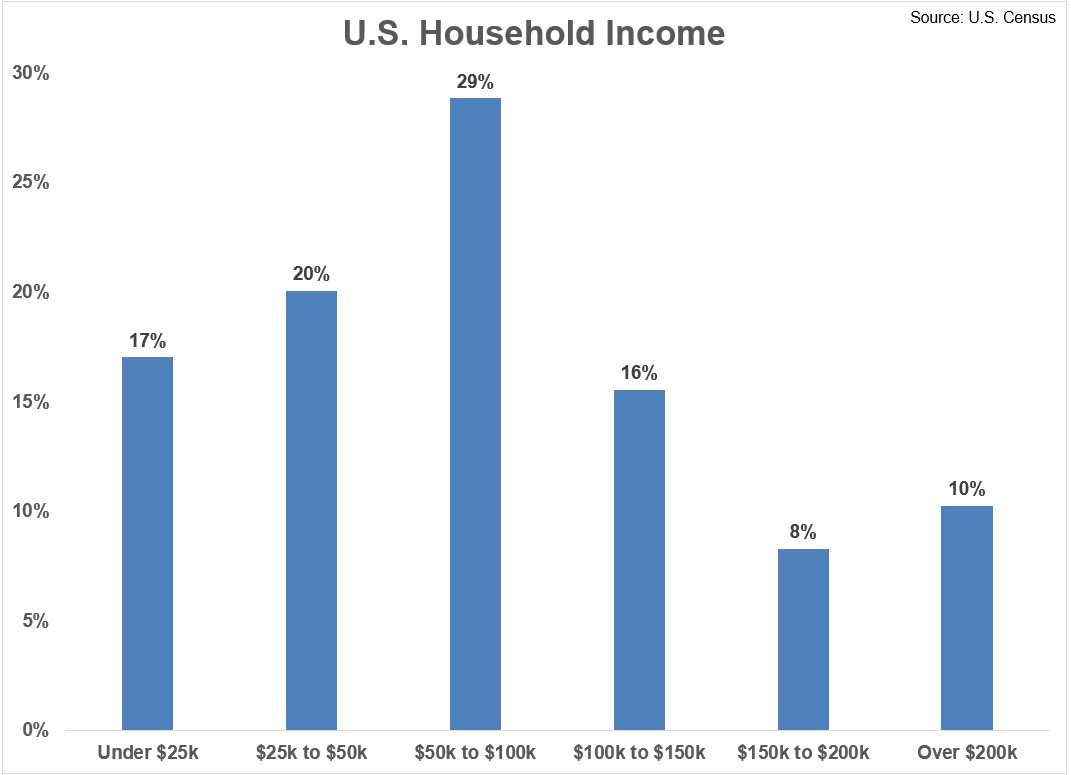
In many developed nations, “wealthy income” is frequently discussed in terms of income percentiles. For instance, being in the top 10%, 5%, or even 1% of earners often denotes a “wealthy” status. In the United States, for example, typical benchmarks might suggest that an income exceeding $150,000 to $200,000 places a household in the top 10-15% of earners, while an income above $350,000 to $500,000 could put a household in the top 5% or higher, depending on the specific year and data source. To reach the elusive top 1%, incomes often need to exceed $600,000 to $800,000 annually.
These figures provide a national average snapshot, indicating a statistical advantage. Earning an income within these upper percentiles generally means having significantly more discretionary income than the average household, facilitating greater savings, investments, and a higher standard of living. However, these national averages mask significant regional disparities.
Geographical Variations in Wealth Perception
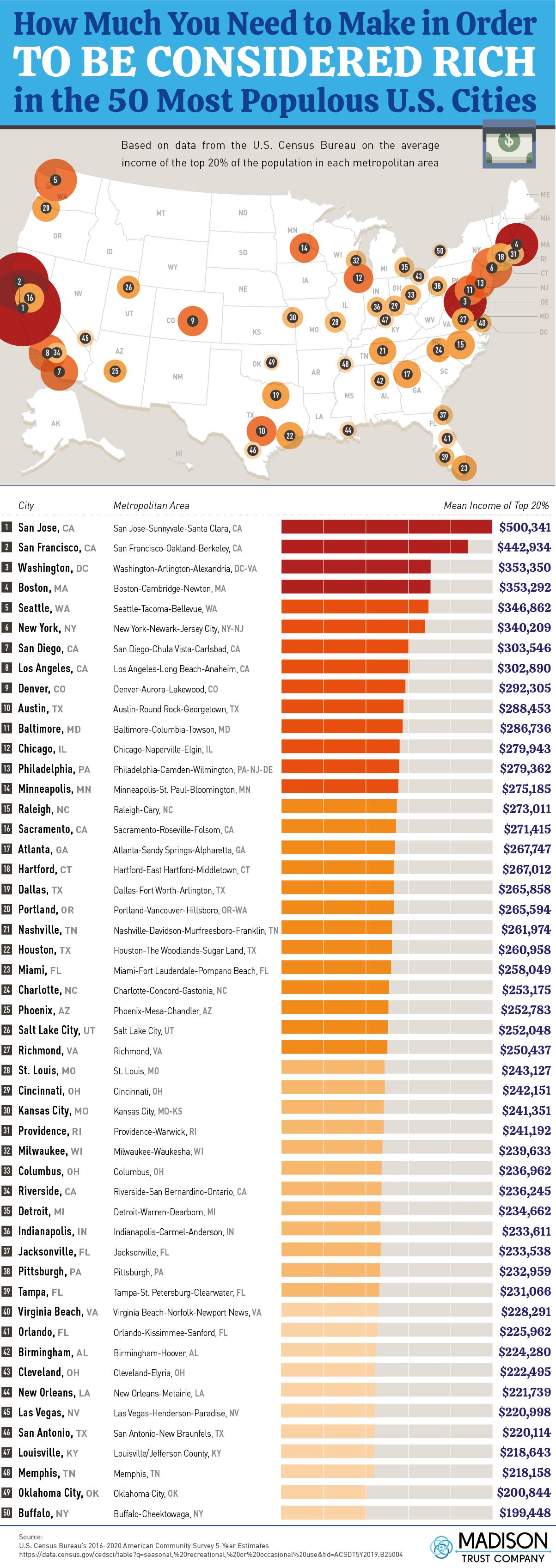
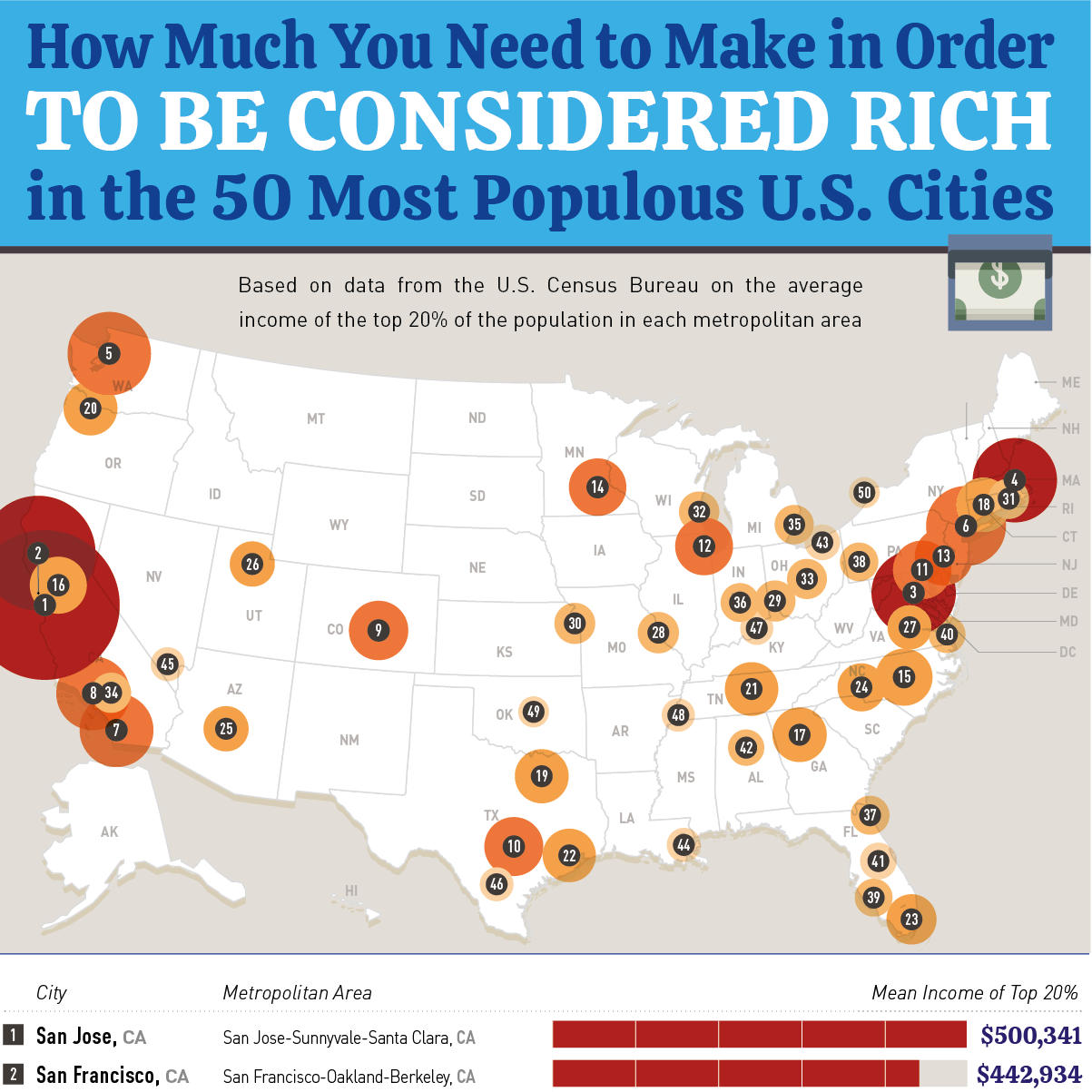
The purchasing power of income varies dramatically depending on where one lives. An income of $150,000 in a major metropolitan area like New York City, San Francisco, or London, where housing costs are exorbitant and taxes can be high, provides a significantly different lifestyle than the same income in a mid-sized city in the Midwest or a rural town in the South. In high-cost areas, a substantial portion of a high income is absorbed by basic living expenses, leaving less for savings and investments.
Conversely, an income that might seem modest in a bustling city could afford a very comfortable, even luxurious, lifestyle in a low-cost region. This geographical relativity underscores that a “wealthy income” is not an absolute number but a figure intrinsically tied to its local economic context.
The Role of Cost of Living
The cost of living index is a critical factor in determining the real value of an income. It accounts for the average prices of consumer goods and services, including housing, food, transportation, energy, healthcare, and taxes, in a specific region relative to a national average. A higher cost of living means that a higher nominal income is required just to maintain the same standard of living as someone with a lower nominal income in a more affordable area.
For example, a family earning $250,000 in San Jose, California, might find themselves struggling to afford a modest home and save for retirement, while a family earning $120,000 in Omaha, Nebraska, could live in a spacious house, afford private school, and still comfortably save a significant portion of their income. Taxes, particularly state and local income and property taxes, also play a substantial role, further eroding the net value of a high income in certain jurisdictions. Therefore, a truly wealthy income is one that, after accounting for all essential living expenses and taxes in a given location, leaves a substantial surplus for savings, investments, and discretionary spending.
The Journey to a Wealthy Income: Strategies and Principles
Attaining a wealthy income and, more importantly, converting it into lasting wealth, is not a matter of luck but rather a result of strategic planning, disciplined execution, and continuous learning. It involves both increasing earning potential and mastering the art of financial management.
Maximizing Earning Potential
The first step towards a wealthy income is often to increase one’s earning capacity. This involves a multi-pronged approach:
- Skill Development: Continuously acquiring and refining high-demand skills makes one more valuable in the job market, justifying higher salaries. This includes technical skills, soft skills like leadership and communication, and industry-specific expertise.
- Career Advancement: Strategically navigating career paths, seeking promotions, and taking on greater responsibilities are direct routes to higher pay grades.
- Negotiation: Regularly negotiating salary and benefits, both when starting a new role and during performance reviews, is critical to ensuring compensation reflects market value and contributions.
- Industry and Location Choices: Some industries (e.g., tech, finance, healthcare) and certain geographical locations offer inherently higher earning potentials due to demand and economic activity.
Strategic Saving and Investing
Earning a high income is only half the battle; the other half is effectively managing and growing it.
- Automate Savings: Setting up automatic transfers from paychecks to savings and investment accounts ensures consistency and prevents money from being spent impulsively.
- Adhere to a Budget: A detailed budget provides clarity on where money is going, identifying areas for optimization and ensuring a significant portion of income is allocated to wealth-building.
- Leverage Compound Interest: Starting to invest early, even with smaller amounts, allows the magic of compound interest to work over decades, significantly multiplying wealth.
- Diversified Investments: Spreading investments across various asset classes (stocks, bonds, real estate, commodities) reduces risk and optimizes returns. Utilizing tax-advantaged accounts like 401(k)s, IRAs, and HSAs is also paramount.
Debt Management: A Foundation for Growth
High-interest debt is a significant impediment to wealth accumulation. While some debt, like a mortgage or student loan, can be strategic, consumer debt like credit card balances can quickly erode financial progress. Prioritizing the reduction and elimination of high-interest debt frees up substantial cash flow that can then be redirected towards savings and investments, accelerating the journey towards a wealthy net worth. Minimizing debt ensures that a larger portion of one’s wealthy income is working for them, rather than being paid out in interest.
Diversification of Income Streams
Relying solely on a single income source, even if it’s substantial, carries inherent risks. Wealthy individuals often diversify their income streams, creating multiple channels through which money flows. This could include:
- Side Hustles/Freelancing: Leveraging skills outside of a primary job.
- Rental Properties: Generating passive income from real estate.
- Dividend Stocks/Bonds: Earning returns from investments.
- Business Ventures: Starting and growing an entrepreneurial endeavor.
Multiple income streams provide greater financial resilience, reduce dependence on a single employer, and accelerate the accumulation of capital available for reinvestment, pushing one further into the realm of a wealthy income.
The Behavioral Aspects of Wealth Accumulation
Beyond the tangible strategies and numbers, the mindset and behaviors surrounding money play an equally significant role in achieving and maintaining a wealthy income and corresponding net worth. Wealth is often as much about psychology as it is about arithmetic.
Financial Literacy and Continuous Learning
True financial wealth is built on a foundation of knowledge. Wealthy individuals typically invest time in understanding personal finance principles, market dynamics, tax implications, and investment strategies. They don’t shy away from complex financial topics but actively seek to comprehend them. This continuous learning allows for informed decision-making, adapting to economic changes, and identifying new opportunities for growth. It’s an ongoing journey of education that empowers individuals to be their own best financial advocates.
Delayed Gratification and Discipline
One of the hallmarks of those who achieve significant wealth is the ability to delay immediate gratification for greater long-term rewards. This discipline manifests in making conscious choices to save and invest rather than spend impulsively on depreciating assets or fleeting pleasures. It means sticking to a budget, resisting lifestyle creep as income rises, and consistently prioritizing future financial security over present indulgence. This discipline is not about deprivation but about making intentional choices that align with long-term financial goals, ultimately leading to greater freedom and wealth.
The Mindset of Abundance
A positive and proactive financial mindset can be a powerful catalyst for wealth accumulation. This involves viewing money as a tool for creating opportunities and solving problems, rather than a source of stress or limitation. An abundance mindset focuses on growth, possibility, and learning from setbacks, rather than dwelling on scarcity or fear. It encourages proactive planning, seeking out new income and investment avenues, and fostering relationships that support financial goals. This mental framework fosters resilience, encourages calculated risks, and drives the consistent effort required to not only earn a wealthy income but also to build and sustain genuine wealth over a lifetime.
In conclusion, “what is considered a wealthy income” is a question with no single answer. It is a dynamic intersection of high earning potential, strategic financial management, geographical context, and a disciplined mindset. Ultimately, it is an income that not only affords a comfortable lifestyle but also consistently generates a substantial surplus for savings, investments, and the continuous growth of net worth, thereby providing genuine financial security and freedom.
aViewFromTheCave is a participant in the Amazon Services LLC Associates Program, an affiliate advertising program designed to provide a means for sites to earn advertising fees by advertising and linking to Amazon.com. Amazon, the Amazon logo, AmazonSupply, and the AmazonSupply logo are trademarks of Amazon.com, Inc. or its affiliates. As an Amazon Associate we earn affiliate commissions from qualifying purchases.